What Is Green Architecture? Meaning, Principles, and Examples
Green architecture is the design and construction of buildings that reduce environmental impact, use energy, water, and materials efficiently, and create healthier spaces across the full building lifecycle. It considers the site, climate, construction process, daily operation, maintenance needs, renovation potential, and eventual deconstruction. The goal is not simply to make a building look natural, but to make it perform responsibly over time.
What green architecture is: a lifecycle design approach that lowers a building’s energy, water, and material impact while improving occupant health and comfort.
- Not the same as sustainable architecture — sustainable design balances all three pillars (environmental, social, and economic), while green architecture focuses on a building’s environmental performance.
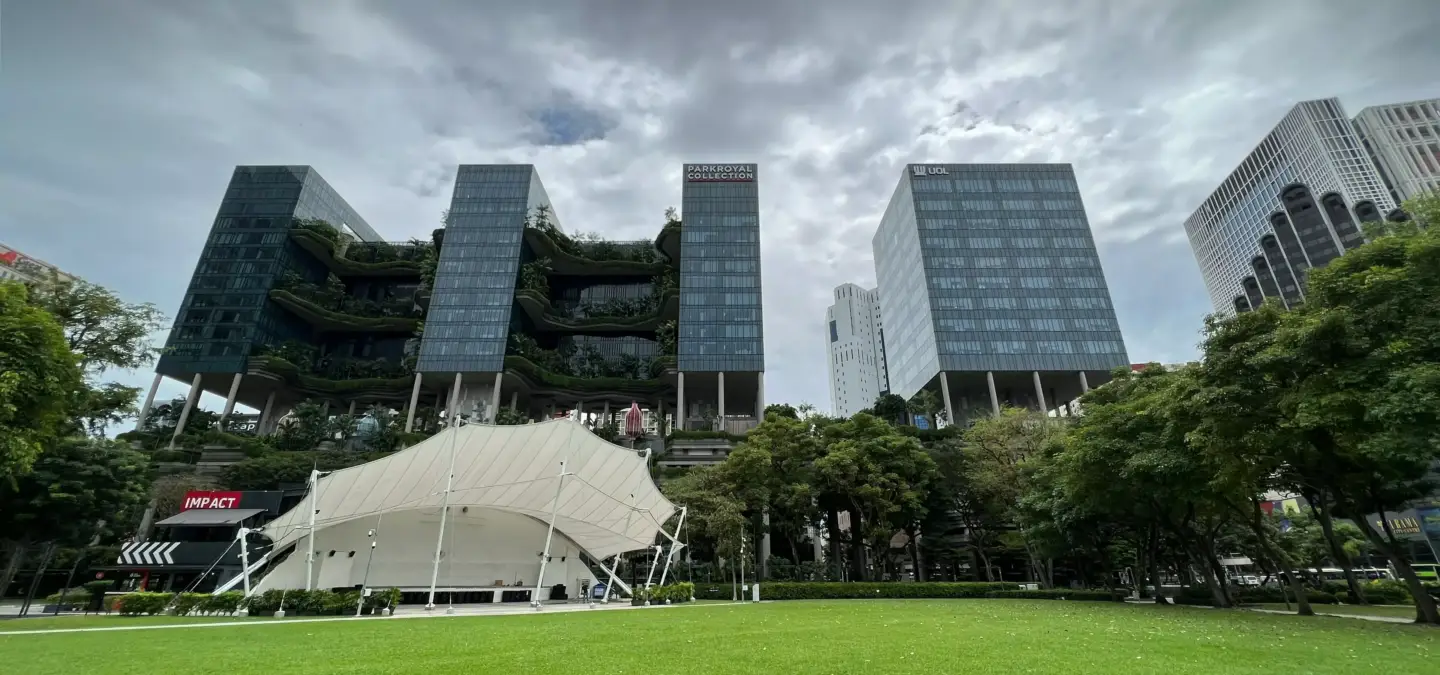
- Not a green roof or plant-covered facade — living walls and roof gardens are visual features; a building can look green and still waste energy or use harmful materials.
- Not the same as LEED certification — a certificate documents that standards were met, but green architecture is the design practice itself, with or without a label.
Many people associate green buildings with roof gardens, solar panels, timber finishes, or plant-covered facades. Those features can be useful, but they do not define the whole approach. A project can look ecological and still waste energy, use harmful materials, or ignore the real conditions of its site.
This guide explains the green architecture meaning in practical terms for architects, developers, owners, and clients who need clear decisions before construction begins. It covers definitions, principles, building components, real examples, cost logic, and the role of visualization in sustainable project approval. It also separates green design from related terms, so the concept becomes easier to apply in real work.
What Is Green ArchitectureWhat Is Green Architecture
A useful green architecture definition begins with performance, not appearance. It is a lifecycle-based design approach that lowers environmental harm while improving how buildings use resources and support people. That lifecycle includes site planning, design, construction, operation, maintenance, renovation, and deconstruction.
Green Architecture Definition
Green architecture is a way of designing buildings so they use fewer resources, reduce emissions and waste, support healthier indoor environments, and work better with the local climate. It connects early design choices with long-term building performance. A strong definition must include energy, water, materials, site impact, occupant health, and future reuse.
This definition is close to the way public agencies describe green building. The EPA frames green building as environmentally responsible and resource-efficient across the building life cycle, from siting to deconstruction. For readers asking what is green architecture, the simplest answer is that it is architecture planned to reduce harm and improve performance from the beginning.
Green Architecture Meaning in Simple Words
In simple words, a green building works with nature instead of fighting it. It uses daylight, shade, ventilation, efficient systems, responsible materials, and water-saving strategies to reduce its footprint. It also makes the indoor environment more comfortable, healthier, and easier to operate.
The phrase environmentally responsible buildings does not mean buildings without impact, because every project uses land, materials, labor, and energy. It means the design team actively reduces unnecessary damage and makes better choices where tradeoffs exist. That can involve passive cooling in a hot climate, durable materials in a harsh climate, or adaptive reuse where demolition would waste valuable embodied carbon.
What Green Architecture Is Not
Green design is not just a building covered in plants. It is not a conventional project with solar panels added after the main design decisions are finished. It is also not automatically sustainable unless performance is measured, documented, and maintained.
A luxury project can fail basic green principles if it consumes excessive resources for little benefit. A modest retrofit can be highly effective if it reduces energy demand, improves ventilation, and extends the life of an existing structure. The difference comes from integrated decisions, not from a fashionable eco-aesthetic.
Why Green Architecture MattersWhy Green Architecture Matters
Buildings are not passive background objects in the climate conversation. The building and construction sector consumes a major share of global energy and contributes a large share of global carbon dioxide emissions. That makes design decisions about envelopes, systems, materials, and operations commercially important as well as environmental.
The value of eco-friendly architecture is also visible at the human scale. People spend much of their time indoors, so air quality, daylight, acoustics, and thermal comfort affect daily experience. A building that saves energy but feels unhealthy or difficult to use is not a successful green building.
Environmental Impact
The environmental impact of architecture begins before a building opens. Site clearing, extraction, manufacturing, transport, and construction waste all shape the project’s footprint. Operational energy then adds impact year after year through heating, cooling, lighting, ventilation, and equipment.
A green project addresses both operational carbon and embodied carbon. Operational carbon comes from energy used during building life, while embodied carbon is tied to materials and construction. The best teams reduce demand first, select lower-impact materials, and plan for future adaptation instead of treating demolition as the default endpoint.
Human Health and Comfort
Green buildings should improve the experience of the people who use them. Good ventilation, filtration, daylight, humidity control, acoustic comfort, and low-emission finishes all support indoor environmental quality. These choices can make offices more pleasant, homes healthier, and public buildings easier to occupy for long periods.
The concept of indoor environmental quality is especially important because sustainability is not only about exterior systems. A sealed building with poor air quality is not a good outcome, even if it uses efficient equipment. Strong design balances energy performance with fresh air, comfort, and material safety.
Economic Value
Green design can support long-term economic value when it is integrated early. Lower energy demand, reduced water use, durable materials, and efficient maintenance can reduce exposure to operating costs. Better resilience can also make assets less vulnerable to regulation, price volatility, and climate-related disruption.
Cost outcomes vary by project type, climate, energy prices, incentives, and maintenance quality. Some choices add cost upfront, while others save money by simplifying systems or reducing waste. The commercial case is strongest when sustainability is a design strategy, not a late-stage feature package.
Green Architecture vs Sustainable ArchitectureGreen Architecture vs Sustainable Architecture
The terms green architecture and sustainable architecture often overlap, but they are not identical. Green architecture usually focuses on the environmental performance of buildings. Sustainable architecture is broader because it also considers long-term social value, economic durability, resilience, and community impact.
| Aspect | Green Architecture | Sustainable Architecture |
| Main focus | Environmental performance of buildings | Long-term environmental, social, and economic sustainability |
| Scope | Energy, water, materials, site impact, health | Lifecycle value, equity, resilience, community, economics |
| Typical goal | Reduce harm and resource use | Create buildings that remain viable and beneficial over time |
| Common overlap | Efficient systems, low-impact materials, healthier spaces | Similar strategies with broader social and lifecycle framing |
| Best interpretation | A key part of sustainable architecture | The wider framework that green architecture supports |
In practice, the terms often appear together because real projects need both. A building can reduce water and energy use while also supporting neighborhood access, long-term affordability, and adaptability. The clearest interpretation is that green architecture is the environmentally focused part of a broader sustainable design framework.
Core Principles of Green ArchitectureCore Principles of Green Architecture
The main green architecture principles form a sequence of decisions rather than a checklist of isolated upgrades. A team should start with the site, reduce demand, select efficient systems, choose responsible materials, and verify performance. When the process is organized this way, the building becomes more coherent and easier to defend to clients, authorities, and investors.
1. Design for the Site and Climate
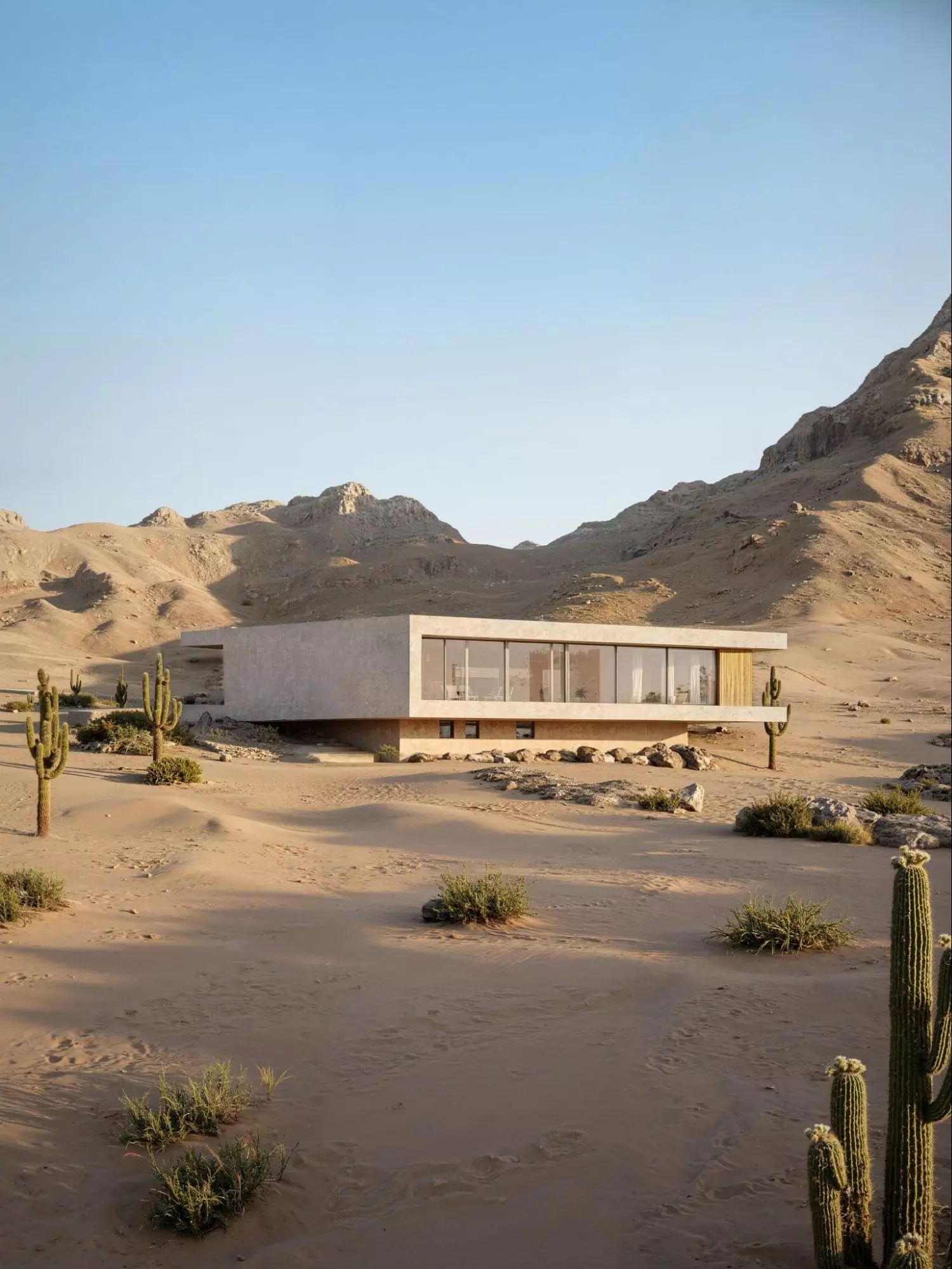
Site analysis is the first serious design move. Orientation, sun path, prevailing winds, slope, vegetation, drainage, views, access, and local climate all affect the building’s performance. A design that ignores these conditions often needs more mechanical equipment to compensate later.
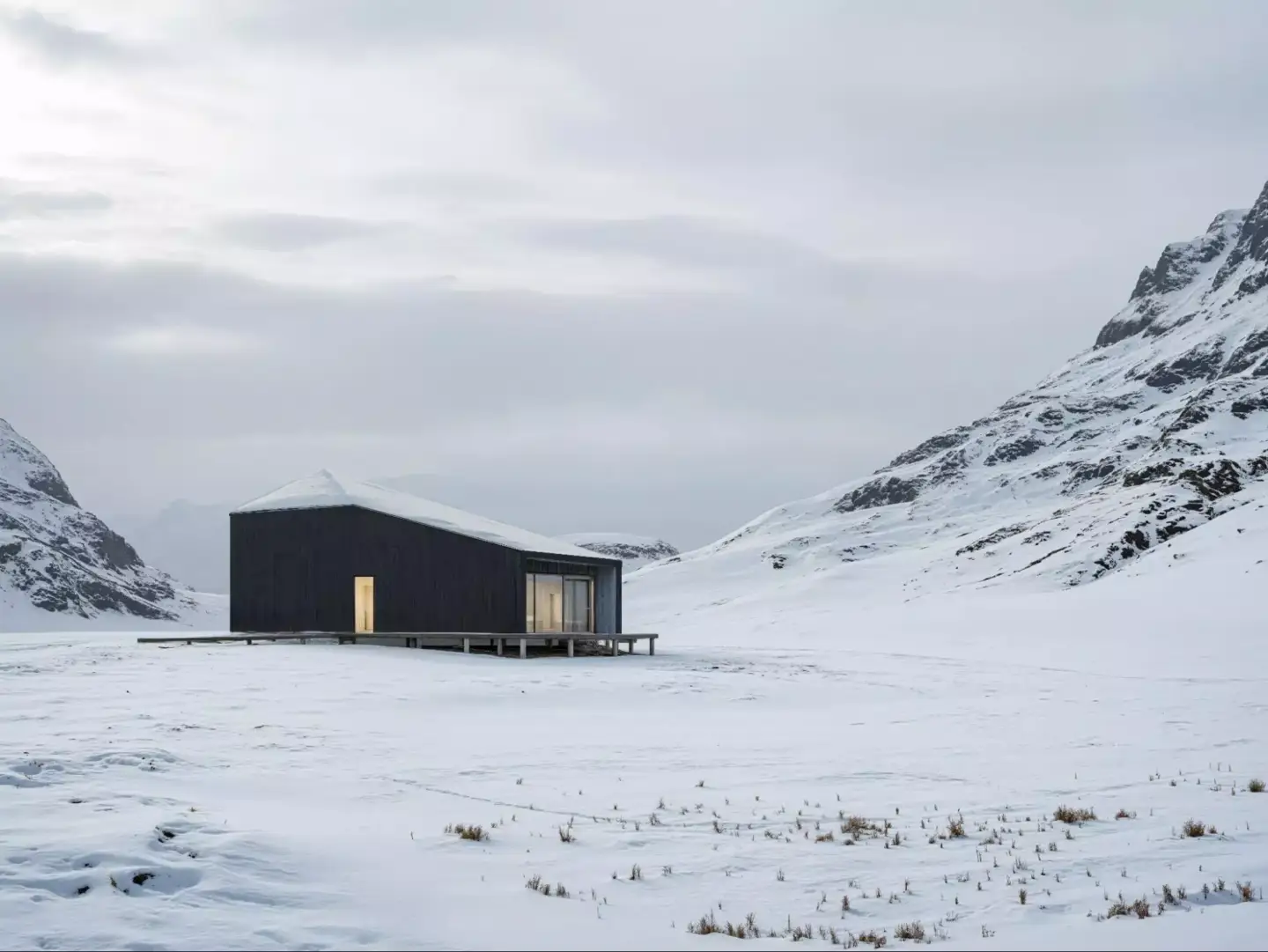
Climate-responsive design can reduce heat gain, improve daylight, support natural ventilation, and protect existing landscape value. In hot regions, shade and controlled glazing may matter more than maximum glass area. In cold regions, solar gain, airtightness, and thermal mass can help reduce heating demand.
2. Reduce Energy Demand Before Adding Technology
The most reliable energy strategy is to need less energy in the first place. Passive design, insulation, airtightness, efficient envelopes, daylighting, and right-sized HVAC systems reduce the load before active equipment is added. This is why passive design is often more important than a visible technology upgrade.
A poor envelope with expensive equipment is still an inefficient building. A strong envelope can make systems smaller, simpler, and less costly to operate. This order of decisions is central to practical energy efficiency because it avoids solving design problems with oversized machinery.
3. Use Renewable Energy Where It Makes Sense
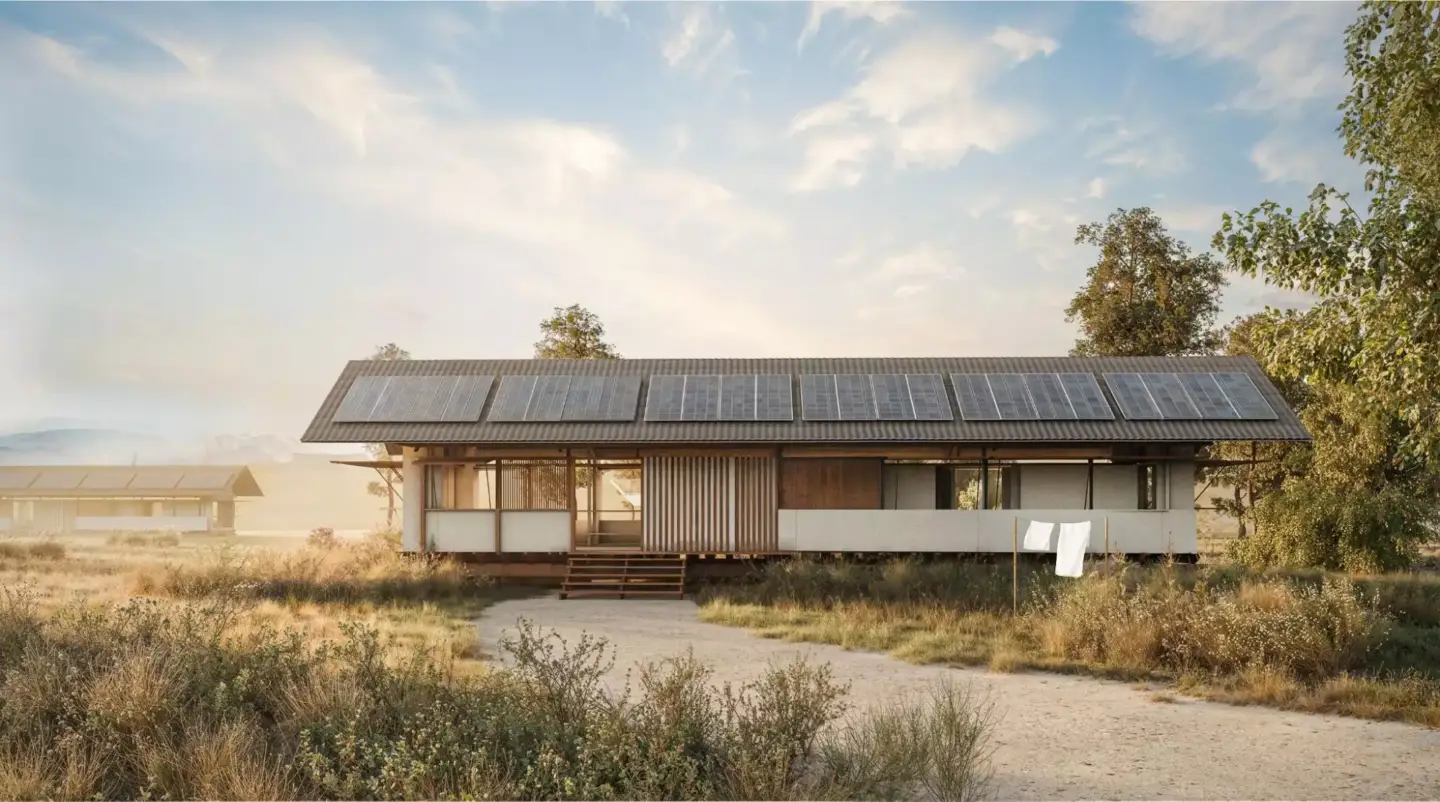
Renewable systems work best after demand has been reduced. Solar PV, solar thermal, geothermal systems, battery storage, and building-integrated renewables can all support lower-carbon operation. Their suitability depends on climate, roof area, utility rules, budget, and maintenance capacity.
The phrase renewable energy sources should not be used as a shortcut for sustainability. Solar panels do not make a building green if the envelope performs badly or the site strategy is weak. The strongest projects use renewables as part of a complete energy concept.
4. Conserve and Reuse Water
Water is a design issue, not only a plumbing issue. Low-flow fixtures, rainwater harvesting, greywater reuse, drought-resistant planting, and stormwater management can reduce demand and protect local systems. These strategies become more important in regions facing drought, flooding, or aging infrastructure.
Good water conservation connects the building with the site. Rain gardens, permeable surfaces, storage tanks, and native planting can reduce runoff while improving landscape performance. The right solution depends on local codes, rainfall patterns, soil conditions, and maintenance plans.
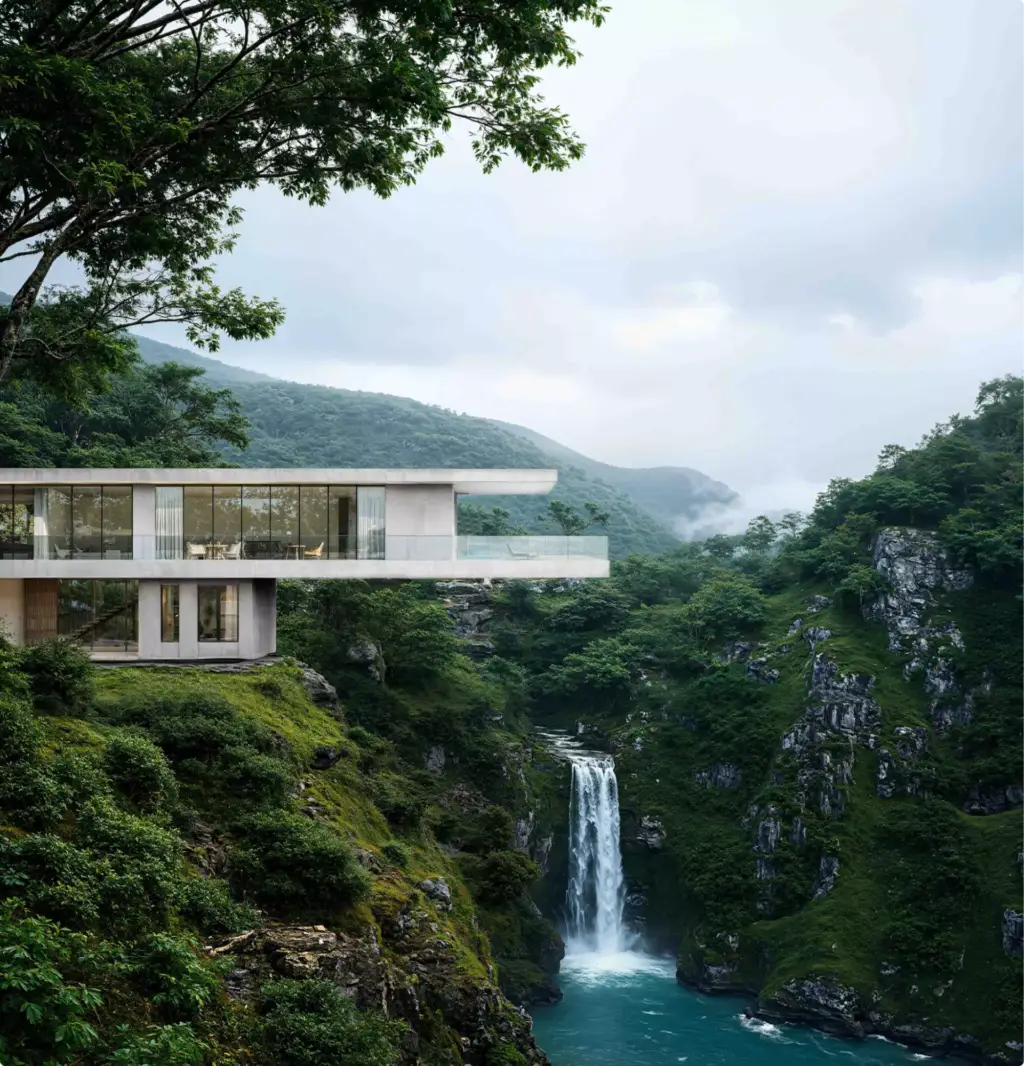
5. Choose Lower-Impact Materials
Materials carry environmental, health, and maintenance consequences. Reclaimed wood, recycled steel, bamboo, low-carbon concrete, certified timber, local products, and low-VOC finishes can reduce impact when they match the project’s performance needs. The goal is not to choose fashionable sustainable materials, but to choose materials that are durable, documented, appropriate, and safe.
Material decisions should consider embodied carbon, sourcing, transport distance, toxicity, repairability, and end-of-life options. A product that looks natural can still perform poorly if it fails quickly or needs frequent replacement. A robust material with clear documentation can support both environmental goals and long-term asset value.
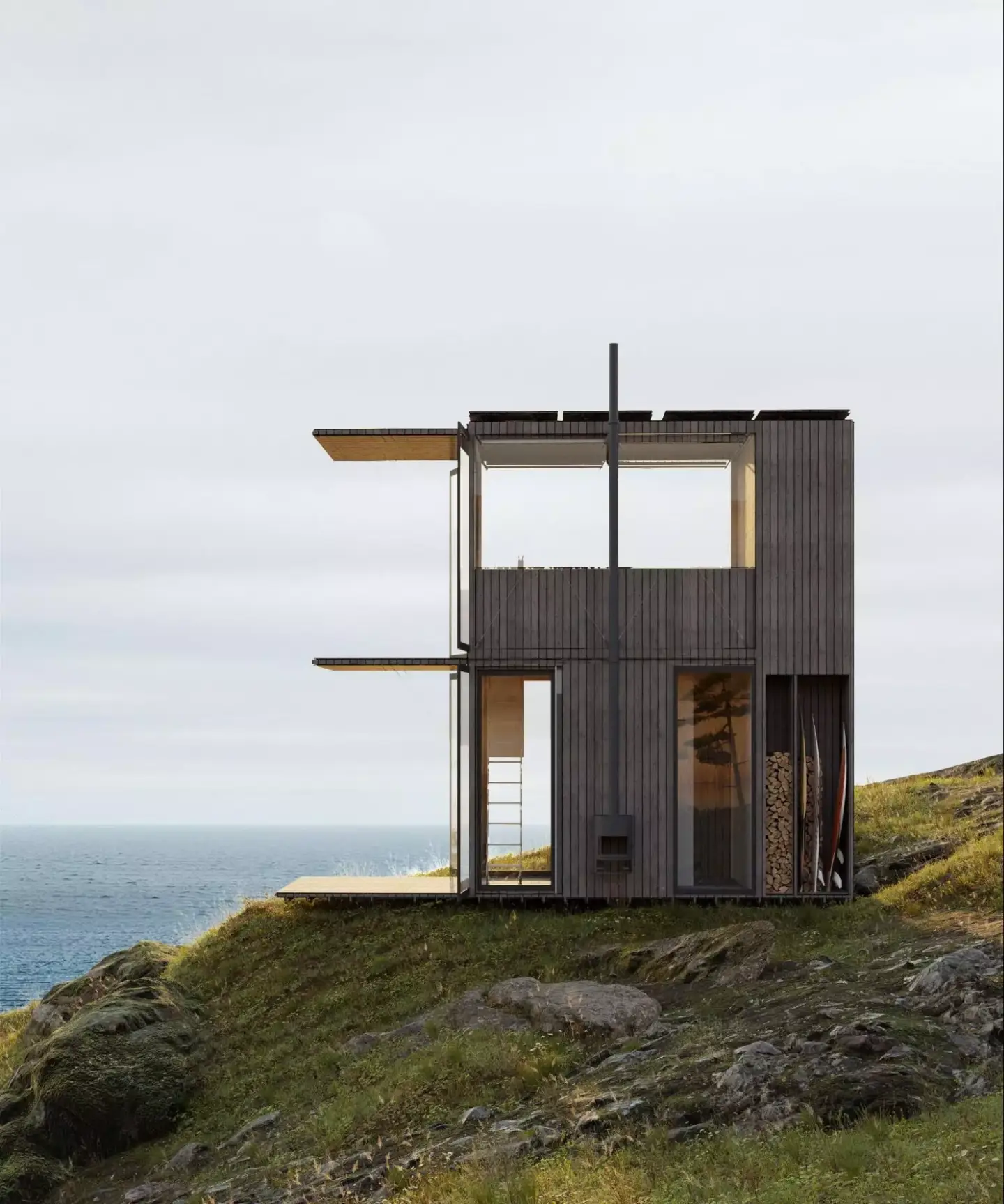
6. Prioritize Indoor Environmental Quality
A green building must work for people. Ventilation, filtration, daylight, low-emission materials, humidity control, temperature stability, and acoustic comfort all influence occupant well-being. These features should be planned with the same seriousness as energy systems.
Healthy indoor environments are especially important in schools, workplaces, housing, and healthcare settings. Poor air, glare, noise, and overheating can undermine the value of even an efficient building. Green architecture succeeds when performance and comfort reinforce each other.
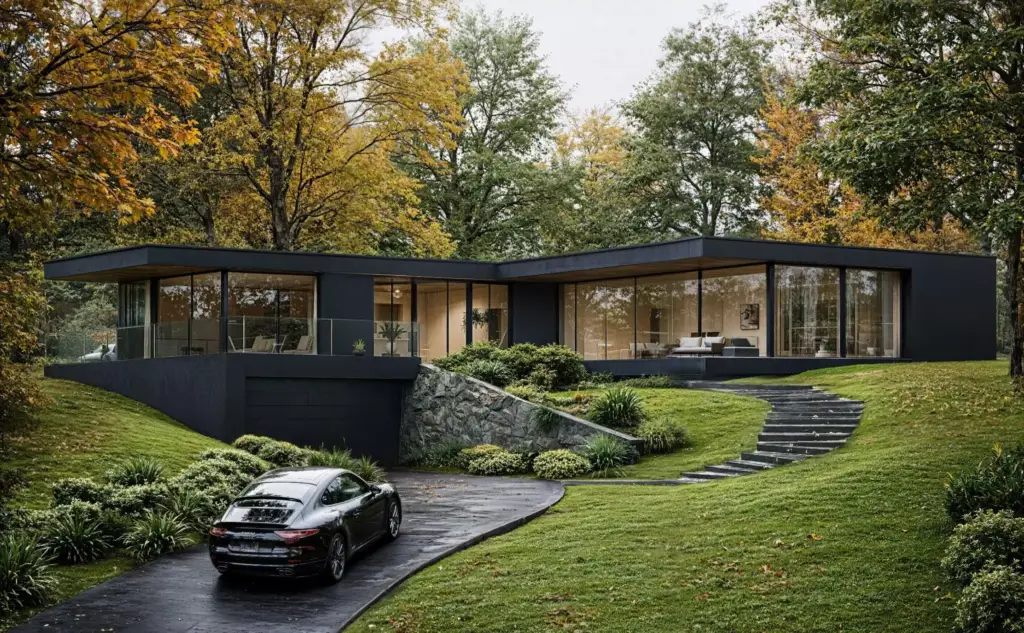
7. Design for Durability, Adaptability, and Reuse
A short-lived building is rarely green. Durability, flexible layouts, repairable assemblies, design for disassembly, and circular material thinking help a project remain useful for longer. These choices reduce the need for premature replacement and make future renovation easier.
Adaptable design matters because building needs change. Offices become mixed-use spaces, homes change family patterns, and public buildings face new service demands. Planning for change can protect both the environmental investment and the commercial life of the property.
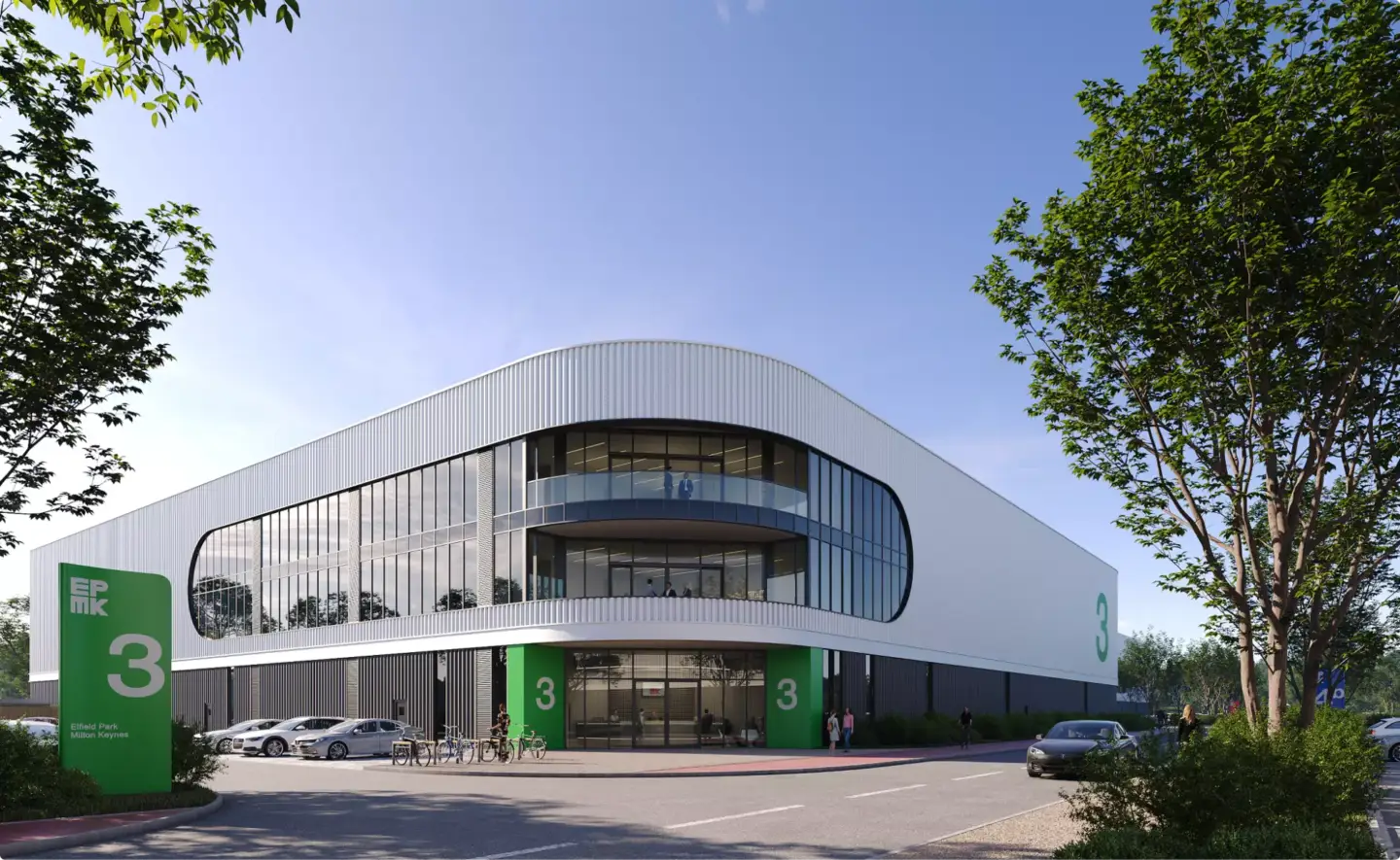
The 7 Components of a Green Building
The following green building components turn principles into practical design categories. They are similar to the way certification systems such as LEED organize building performance across energy, water, materials, waste, and indoor environmental quality. The categories are useful because they help teams see whether the project is integrated or only green in one visible area.
| Component | What it means | Practical example |
| Site planning | Reduce damage to land and ecosystems | Preserve trees and use transit-accessible sites |
| Energy efficiency | Lower building energy demand | Passive orientation, insulation, efficient HVAC |
| Water efficiency | Use and waste less water | Rainwater capture and greywater reuse |
| Materials | Reduce embodied impact | Recycled, renewable, local, low-VOC materials |
| Indoor environmental quality | Improve occupant health | Daylight, ventilation, non-toxic finishes |
| Waste reduction | Reduce construction and operational waste | Modular design, recycling, design for disassembly |
| Renewable energy | Generate cleaner energy on site | Solar panels, geothermal, battery systems |
A useful way to test green building design is to ask whether these components support each other. For example, window placement affects daylight, cooling load, glare, views, and facade design at the same time. If each category is handled separately, the building may become more complicated without becoming more effective.
How Green Architecture Works in Real ProjectsHow Green Architecture Works in Real Projects
Green design begins before the building form is finalized. Early choices about massing, orientation, landscape, envelope depth, and structural systems are often more influential than later equipment selections. This is why architects and developers should treat sustainability as a project workflow, not a decorative layer.
Step 1: Site and Climate Analysis
The team studies sun exposure, wind, shade, topography, soil, drainage, vegetation, access, and surrounding buildings. This analysis helps the project use climate opportunities and avoid predictable performance problems. It also reveals whether the site can support landscape, water, and access goals without forcing expensive corrections later.
Step 2: Passive Design Strategy
The next step is shaping the building to reduce demand. Massing, orientation, window placement, shading, ventilation paths, and thermal mass all influence heating, cooling, and daylight. These decisions should happen before the team commits to final facade language or major system sizes.
Step 3: Energy and Water Modeling
Energy modeling, daylight simulation, solar studies, and water-use assumptions help test the concept before construction. These tools show how design choices may affect comfort, glare, peak loads, and utility demand. They also support certification, budgeting, and communication with nontechnical stakeholders.
Teams often compare design options using models and images together. For example, a daylight study can show both measured performance and visual experience. When the project requires advanced presentation, 3D architectural visualization can help turn technical analysis into images that clients, investors, and approval bodies can understand.
Step 4: Material and System Selection
Material selection should consider embodied carbon, durability, supplier documentation, local availability, repair needs, and maintenance expectations. System selection should align with the reduced demand created by passive design and envelope performance. Oversized or overly complex systems can create cost and maintenance problems even when they look impressive on paper.
Step 5: Visualization and Stakeholder Approval
Many sustainable design decisions are difficult to explain through drawings alone. Daylight behavior, facade shading, green roofs, solar panel placement, landscape integration, and natural ventilation concepts become easier to evaluate when they are shown visually. Clear images help clients see how invisible performance logic affects the visible architecture.
Maverick Frame’s work on a landscape-sensitive villa approval case shows why contextual imagery matters when architecture must prove that it belongs to its site. A similar logic applies to green projects that need to explain shade, vegetation, water, and material strategy without overwhelming stakeholders. Visual communication can reduce uncertainty before construction decisions become expensive.
Visualize Sustainable Design Before It Gets BuiltVisualize Sustainable Design Before It Gets Built
Green architecture often includes features that are hard to explain with drawings alone. Daylight behavior, facade shading, green roofs, solar integration, natural ventilation, and landscape strategy can all affect approval, marketing, and sales discussions. Maverick Frame helps architects, developers, and real estate teams turn these ideas into photorealistic visuals, animations, and presentations that make sustainable design easier to approve, market, and sell.
From our studio — What actually sells a green project to investors is a 3D tour with tagged hotspots. Tap a point and a popup explains the feature — here’s the solar array and what it saves, here’s the greywater system, here’s the low-VOC plaster. People stop guessing what makes the building green and start seeing it.
Dim Kuzmenko, Maverick Frame
Need to communicate a sustainable design before construction begins. Maverick Frame can create exterior rendering for sustainable buildings that shows massing, facade depth, shading devices, landscape context, and material intent in a clear visual story.
Green Architecture Features and Design StrategiesGreen Architecture Features and Design Strategies
Common green design features include passive solar design, natural ventilation, high-performance envelopes, green roofs, living walls, solar panels, rainwater harvesting, greywater recycling, low-carbon materials, smart controls, efficient lighting, biophilic design, and adaptive reuse. These features work best when they are part of a coordinated system. A solar array cannot compensate for a poorly oriented building, an inefficient envelope, or a weak site strategy.
For developers, visual clarity can help separate real performance features from cosmetic claims. A roof garden, water strategy, or native planting plan can be tested and communicated through landscape rendering before construction. This is useful when the landscape is part of stormwater management, biodiversity, shade, or market positioning.
Interior planning also affects green performance. Compact circulation, daylight access, flexible layouts, and future adaptability can reduce waste over the building’s life. For residential, hospitality, or workplace projects, 3D floor plan rendering can make these spatial decisions easier to understand before the layout is locked.
Green Architecture ExamplesGreen Architecture Examples
Strong green architecture examples teach practical lessons rather than simply displaying famous buildings. The most useful examples show how site, energy, water, materials, occupants, and long-term performance come together. They also show that green architecture can appear in offices, housing, towers, communities, and retrofits.
Bullitt Center, Seattle
The Bullitt Center in Seattle is often discussed as a high-performance commercial building with ambitious energy, water, and materials goals. Its lessons are especially useful because it treats the building as a measured system rather than a symbolic object. It shows how performance ambition can guide envelope design, solar strategy, water decisions, and occupant behavior.
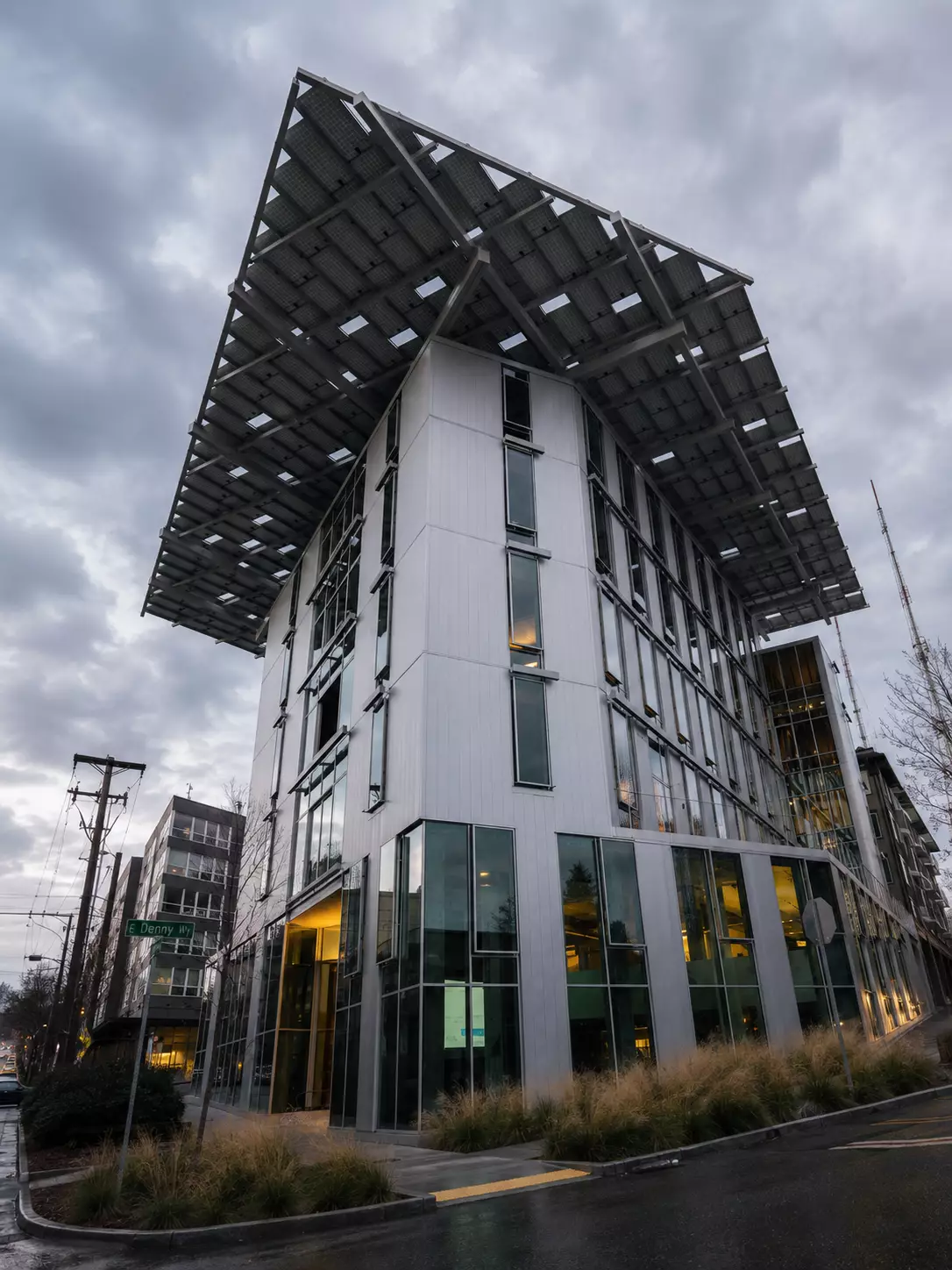
The key lesson is that green buildings require operational discipline after opening. Technologies, maintenance realities, user habits, and regulatory conditions all influence the final outcome. The visualization lesson is that complex systems need simple communication, especially when clients must understand why a building looks and works the way it does.
Bosco Verticale, Milan
Bosco Verticale in Milan made vertical forest architecture visible to a global audience. Its planted balconies support urban greening, shade, habitat, and a strong identity for residential towers. The project teaches that vegetation must be designed as living infrastructure, not as decoration.
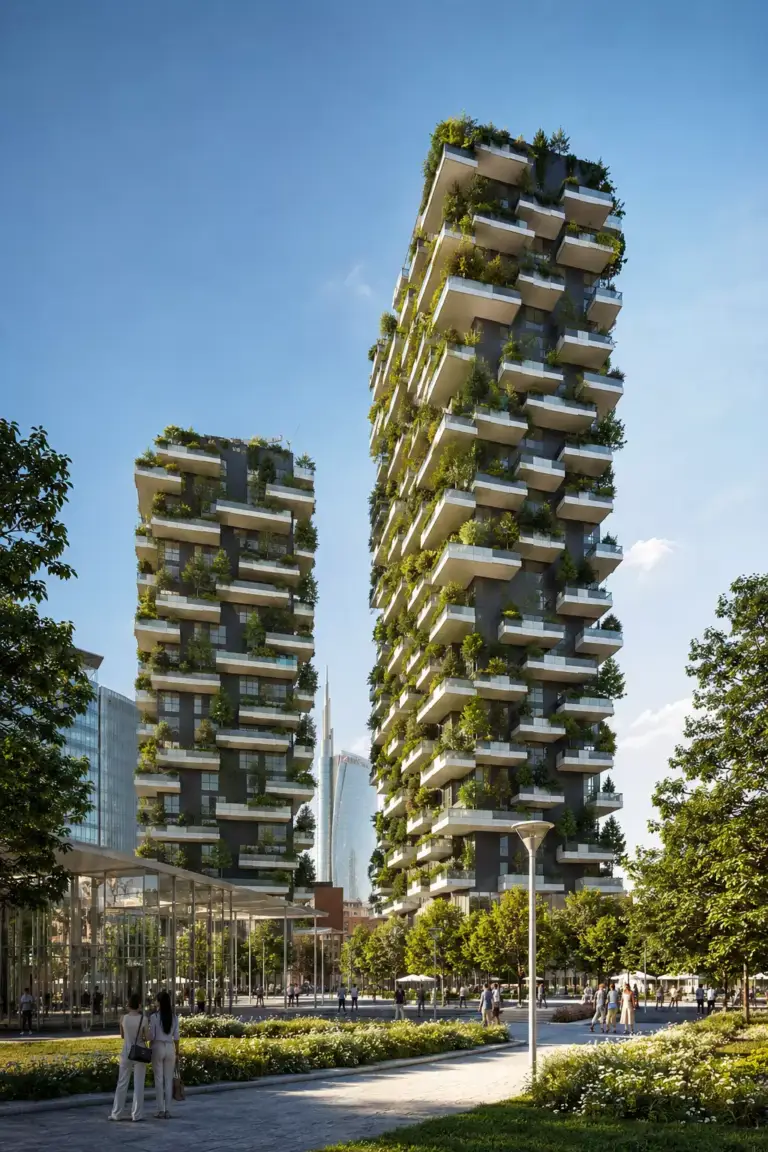
The lesson is not that every green building needs trees on the facade. The deeper idea is that biodiversity, microclimate, maintenance access, irrigation, and structural support must be considered together. This makes it a useful example for teams exploring biophilic architecture in dense urban settings.
The Edge, Amsterdam
The Edge in Amsterdam is known for combining energy performance with smart workplace technology. Its sensors, controls, and energy management strategies show how data can support building operation. The project is useful because it links environmental performance with user comfort and facility management.
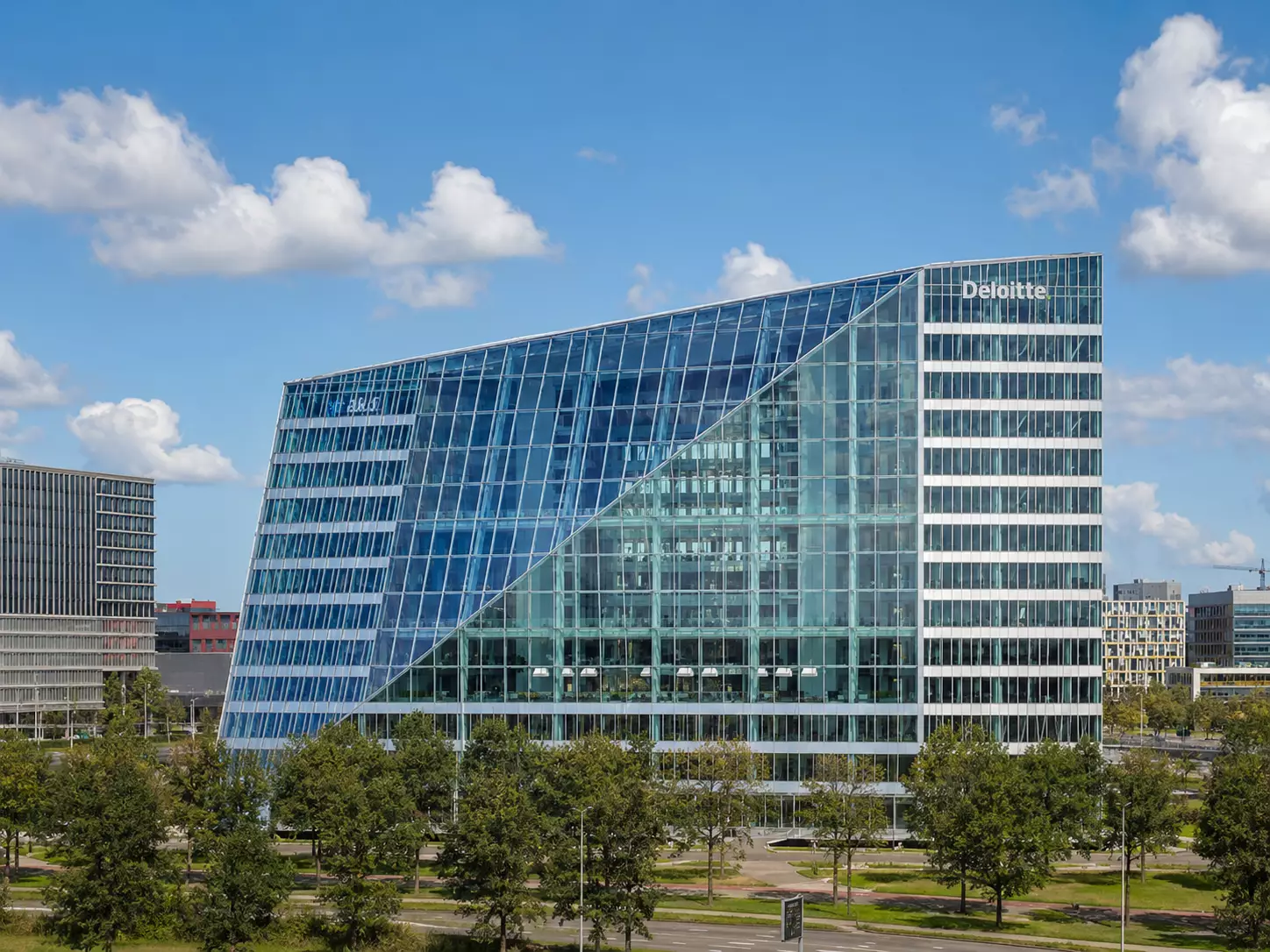
The design lesson is that smart systems should make a building easier to manage, not harder to understand. Technology must be paired with clear operational goals and user trust. For presentation, architectural animation can help explain how people, light, systems, and space interact through the day.
BedZED, London
BedZED in London is an important community-scale example because it connects building performance with lifestyle and neighborhood planning. Its lessons include energy-conscious design, mixed-use thinking, reduced car dependence, and water-aware living. It shows that green design can extend beyond a single building into daily patterns of use.
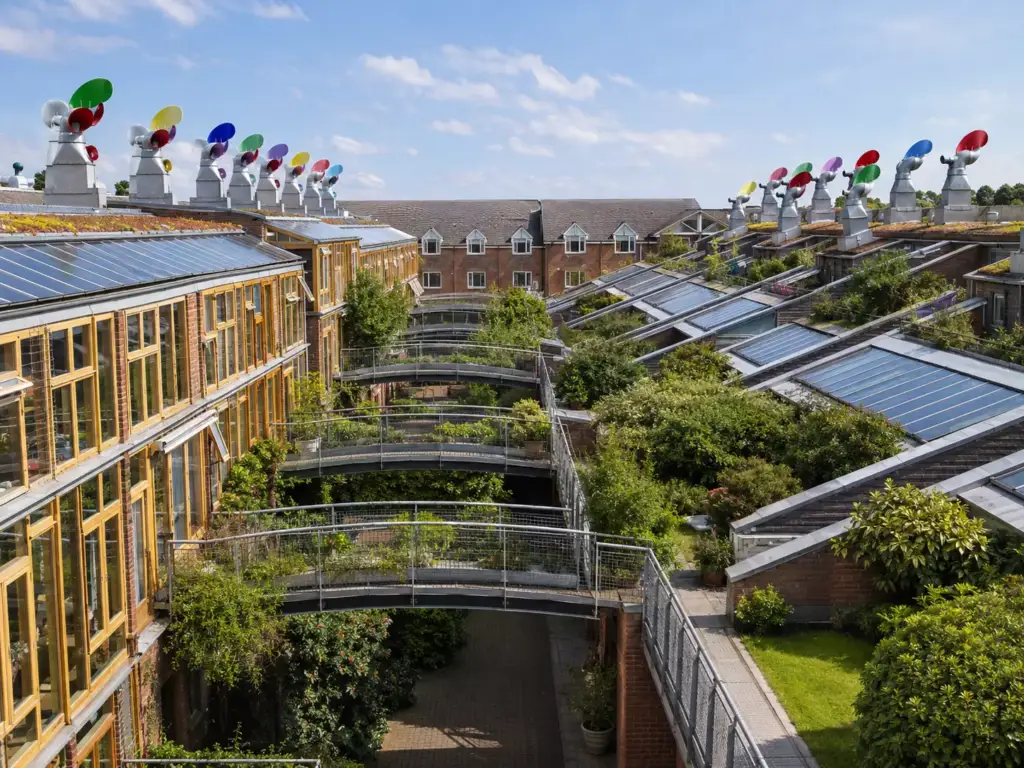
The project also teaches humility because early sustainable communities often reveal maintenance and behavior challenges over time. Green architecture is stronger when post-occupancy learning is treated as part of the process. That makes BedZED valuable not only as a model, but also as a reminder that performance must be monitored.
Shanghai Tower, Shanghai
Shanghai Tower shows how high-rise sustainability can involve form, structure, facade, and systems together. Its twisting shape and double-skin facade help respond to wind and energy demands in a dense urban context. The lesson is that large-scale green design is not limited to small timber buildings or low-rise homes.
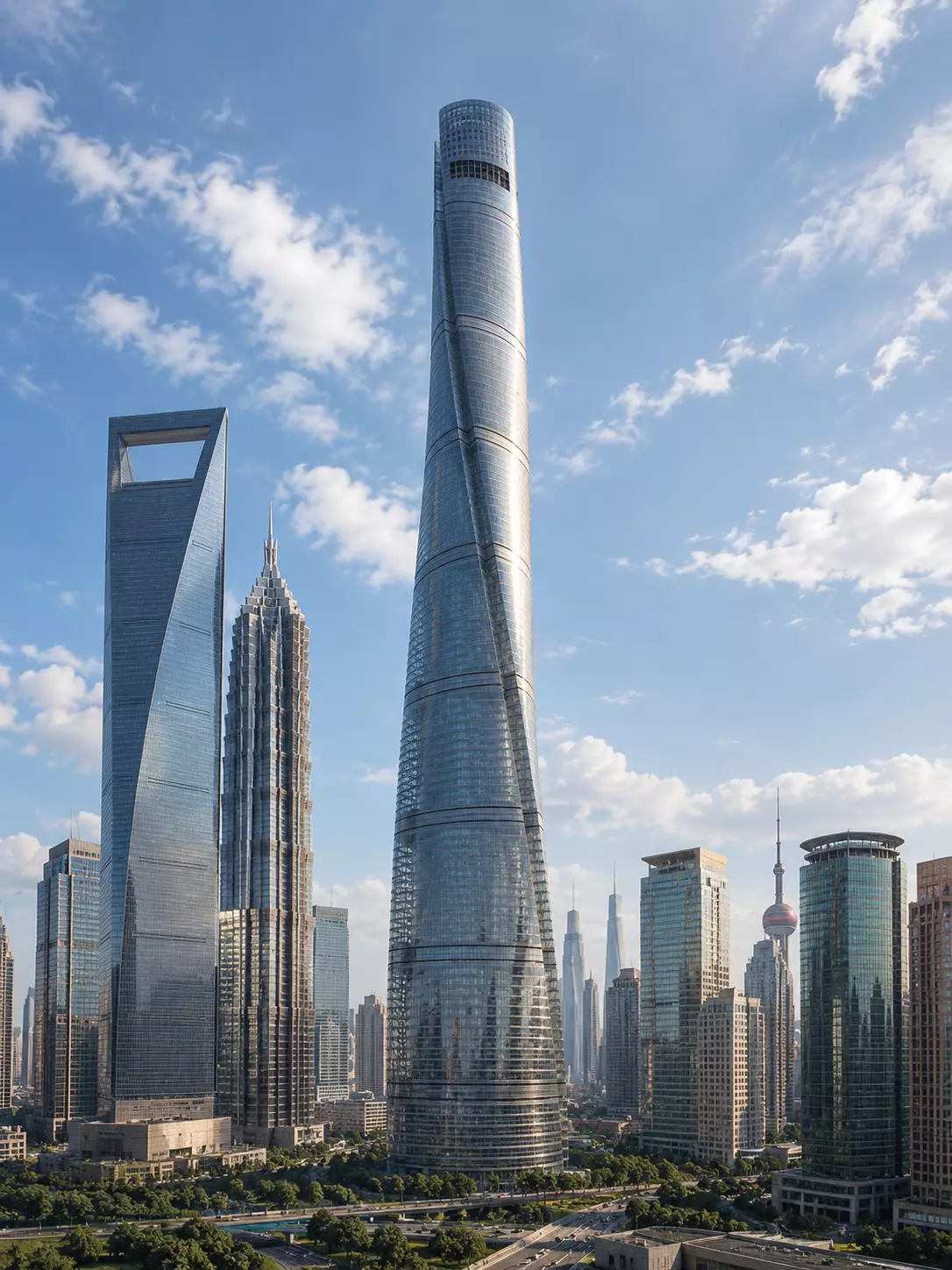
For developers, the important point is integration. A tower’s geometry, envelope, mechanical strategy, public spaces, and construction logic must support each other. Green architecture at this scale requires early coordination because late changes can be expensive and technically difficult.
Is Green Architecture More ExpensiveIs Green Architecture More Expensive
Green design can cost more upfront when it requires premium materials, certification documentation, advanced systems, specialist modeling, or custom facade work. It can also save money when passive strategies reduce equipment needs, daylight lowers lighting demand, or adaptive reuse avoids demolition. The financial result depends on project type, climate, energy prices, incentives, and how early sustainability is integrated into the design.
Upfront Cost and Lifecycle Value
The most useful cost question is not whether green buildings always cost more. It is whether the project balances upfront cost with lifecycle value. Lifecycle value includes operating costs, maintenance, durability, tenant appeal, regulatory risk, and future adaptability.
A late sustainability package often costs more because core decisions are already fixed. Early integration can make green choices feel natural to the design instead of extra. That is why the cost conversation should begin during site analysis and concept development.
When Green Design Can Save Money
Passive cooling can reduce HVAC load. Daylight can reduce lighting demand when glare is controlled and lighting systems respond properly. Efficient envelopes can allow smaller equipment and reduce wasted capacity.
Adaptive reuse can also protect value by preserving existing structure and embodied carbon. Durable materials may reduce replacement cycles over time. Simple, well-coordinated systems can be easier to maintain than complex systems added to compensate for weak design.
When It Can Cost More
Green design can cost more when a project uses premium materials, unusual facade systems, advanced controls, certification consultants, or detailed performance modeling. Additional documentation can also increase design-phase effort. These costs may still be justified, but they should be tied to clear project goals.
Certification systems such as LEED, BREEAM, and Passive House can support accountability. LEED is a widely used green building rating system, BREEAM is a sustainability assessment method used across building lifecycles, and Passive House focuses on very high energy efficiency and comfort. Each framework has different requirements, so the right choice depends on location, asset strategy, and performance ambition.
How to Tell If a Building Is Truly GreenHow to Tell If a Building Is Truly Green
A truly green building should reduce demand before adding renewable systems. Its water strategies should connect the site, building, landscape, and maintenance plan. Its materials should be selected for durability, health, embodied impact, documentation, and future reuse.
The project should also include indoor environmental quality as a design goal. Sustainability claims should be supported by data, certification, modeling, or supplier documentation. After occupancy, the building should be measured so the team can compare intended performance with real performance.
For marketing and approval, clear visuals can help reveal whether green claims are integrated or superficial. Teams can use architectural rendering software to explore design options, but final communication still needs accuracy and design judgment. The strongest presentations make performance logic visible without exaggerating what the building can do.
Common Myths About Green ArchitectureCommon Myths About Green Architecture
One common myth says green architecture means adding plants to the facade. Plants can support shade, biodiversity, and user experience, but they do not replace energy, water, material, and lifecycle strategy. A building with no visible planting can still be green if it performs well and uses resources responsibly.
From our studio — For us, a green project is the same order as any other. Solar panels, eco-materials, a planted facade — that’s just more to render, not a different craft. What changes isn’t the rendering. It’s what the client needs the image to prove.
Dim Kuzmenko, Maverick Frame
Another myth says only expensive luxury buildings can be green. Many effective strategies involve orientation, shading, insulation, ventilation, reuse, and efficient layouts. These decisions can be practical for modest projects when they are introduced early.
A third myth says solar panels alone make a building sustainable. Solar energy helps, but a wasteful building remains wasteful even with panels attached. Green architecture depends on demand reduction, efficient systems, healthier interiors, and verified performance.
Some people also assume green buildings must look organic or futuristic. In reality, they can be traditional, minimalist, industrial, residential, or civic in character. Performance is not tied to one visual style.
The Future of Green ArchitectureThe Future of Green Architecture
The future of green architecture is moving toward performance-based design rather than eco-themed appearance. Net-zero buildings, regenerative design, adaptive reuse, mass timber, low-carbon materials, circular construction, and AI-assisted modeling are becoming more important. The focus is shifting from what looks green to what can be measured, maintained, and improved.
Digital workflows will play a larger role in this shift. BIM, energy modeling, daylight simulation, and visualization help teams compare options earlier and explain decisions more clearly. For clients, the benefit is a project that is easier to approve, finance, market, and operate with confidence.
The next step is not to make every building visually dramatic. It is to make responsible performance easier to understand and harder to fake. When sustainability is built into the design process from the first site decision, green architecture becomes a practical standard rather than a special category.
Sustainable siting drives the visuals too: see this forest house exterior and a tropical residential development.

Turn Ideas Into Visual Stories
FAQ about green architecture
What is green architecture in simple words?
Green architecture means designing buildings that use fewer natural resources, create less pollution, and provide healthier spaces for people. A green building may use passive sunlight, natural ventilation, efficient insulation, renewable energy, water-saving systems, and safer materials. The goal is not only to look eco-friendly, but to reduce environmental impact across the building’s full life cycle.
What is the main purpose of green architecture?
The main purpose of green architecture is to reduce the negative environmental impact of buildings while improving comfort, health, and long-term value. It does this by lowering energy demand, conserving water, reducing waste, choosing responsible materials, and designing spaces that work with the local climate. A strong green design balances environmental performance with practical use and durability.
What are the main principles of green architecture?
The main principles of green architecture are resource efficiency, environmental responsibility, and occupant well-being. In practice, this means designing for the site and climate, reducing energy and water use, choosing low-impact materials, improving indoor air quality, and planning for long-term durability. The best projects apply these principles early, before construction decisions become expensive to change.
What is the difference between green architecture and sustainable architecture?
Green architecture usually focuses on reducing the environmental impact of a building through energy efficiency, water conservation, better materials, and healthier indoor spaces. Sustainable architecture is broader because it also considers long-term social, economic, and community impact. In practice, the terms often overlap, but green architecture is best understood as an important part of sustainable architecture.
What are examples of green architecture?
Examples of green architecture include buildings with passive solar design, green roofs, high-performance insulation, renewable energy systems, rainwater harvesting, and low-carbon materials. Well-known examples often combine several strategies at once, including efficient envelopes, natural light, energy modeling, water reuse, and healthy interiors. The strongest examples are not defined by one feature, but by how all systems work together.
Is green architecture expensive?
Green architecture can cost more upfront when it uses advanced systems, certified materials, detailed modeling, or sustainability certifications. However, many green strategies can reduce long-term operating costs by lowering energy and water demand. The final cost depends on project type, climate, energy prices, incentives, and how early sustainability is integrated into the design.
Can existing buildings become green?
Yes, existing buildings can become greener through retrofits. Common upgrades include better insulation, efficient windows, LED lighting, improved ventilation, low-flow water fixtures, smart controls, solar panels, and safer interior materials. Retrofitting can be especially valuable because it preserves the embodied carbon already invested in the existing structure instead of demolishing and rebuilding from scratch.
Why is 3D visualization useful in green architecture?
3D visualization helps explain sustainable design decisions before construction begins. It can show how daylight enters a space, how shading protects a facade, how green roofs or solar panels integrate into the design, and how landscape choices affect the building’s appearance. For clients and investors, visualizing these features makes green strategies easier to understand, approve, and market.
What is another name for green architecture?
Green architecture is also called sustainable architecture, eco-friendly architecture, or green building design. The terms overlap closely: each describes buildings designed to use less energy, water, and material while staying healthy to occupy. Sustainable architecture is the broadest, adding long-term social and economic value.