Want to apply this in a real project without managing the technical stack? Our studio delivers architectural 3D rendering services and full 3D modeling and visualization production for clients across residential, commercial, and product sectors.
The main camera angles in 3D visualization are eye-level, three-quarter (angular), side, frontal, top-down, bird’s-eye (aerial), worm’s-eye (low-angle) and close-up. Each one controls how scale, depth and mood read in a render, and the angle you choose decides whether a space feels natural, monumental or intimate. Below is what each angle is and when to use it.
- Eye-level — natural, human-height read of a space.
- Three-quarter (angular) — 45° hero shot showing two sides at once.
- Side — profile view for depth and intimate interior moments.
- Frontal (elevation) — straight-on, symmetrical, accents one feature.
- Top-down (plan) — overhead view for layout and spatial overview.
- Bird’s-eye (aerial) — high vantage that keeps the site context.
- Worm’s-eye (low-angle) — looks up for height and drama.
- Volumetric (cutaway) — sliced walls that show the interior from outside.
- Close-up — tight framing for product and material detail.
| Angle | What it is | Best for |
| Eye-level | Camera at human height (~1.5–1.6 m) | Natural, relatable interior and street-level views |
| Three-quarter (angular, ~45°) | Looks onto two sides of a form at once | Hero shots for exteriors, furniture and products |
| Side | Profile view, parallel to one wall | Depth, layering and intimate interior moments |
| Frontal (elevation) | Camera perpendicular to the wall or façade | Accenting one feature, symmetrical compositions |
| Top-down (plan) | Looks straight down on the scene | Layout, narrow spaces and spatial overview |
| Bird’s-eye (aerial) | High vantage looking down across the site | Context, masterplans, location and surroundings |
| Worm’s-eye (low-angle) | Looks up from ground level | Drama, height and monumental exteriors |
| Volumetric (cutaway) | Walls sliced, ceilings made transparent | Whole-project overview on a budget |
| Close-up | Tight framing with a blurred background | Product detail, materials and advertising |
Eye-level angle
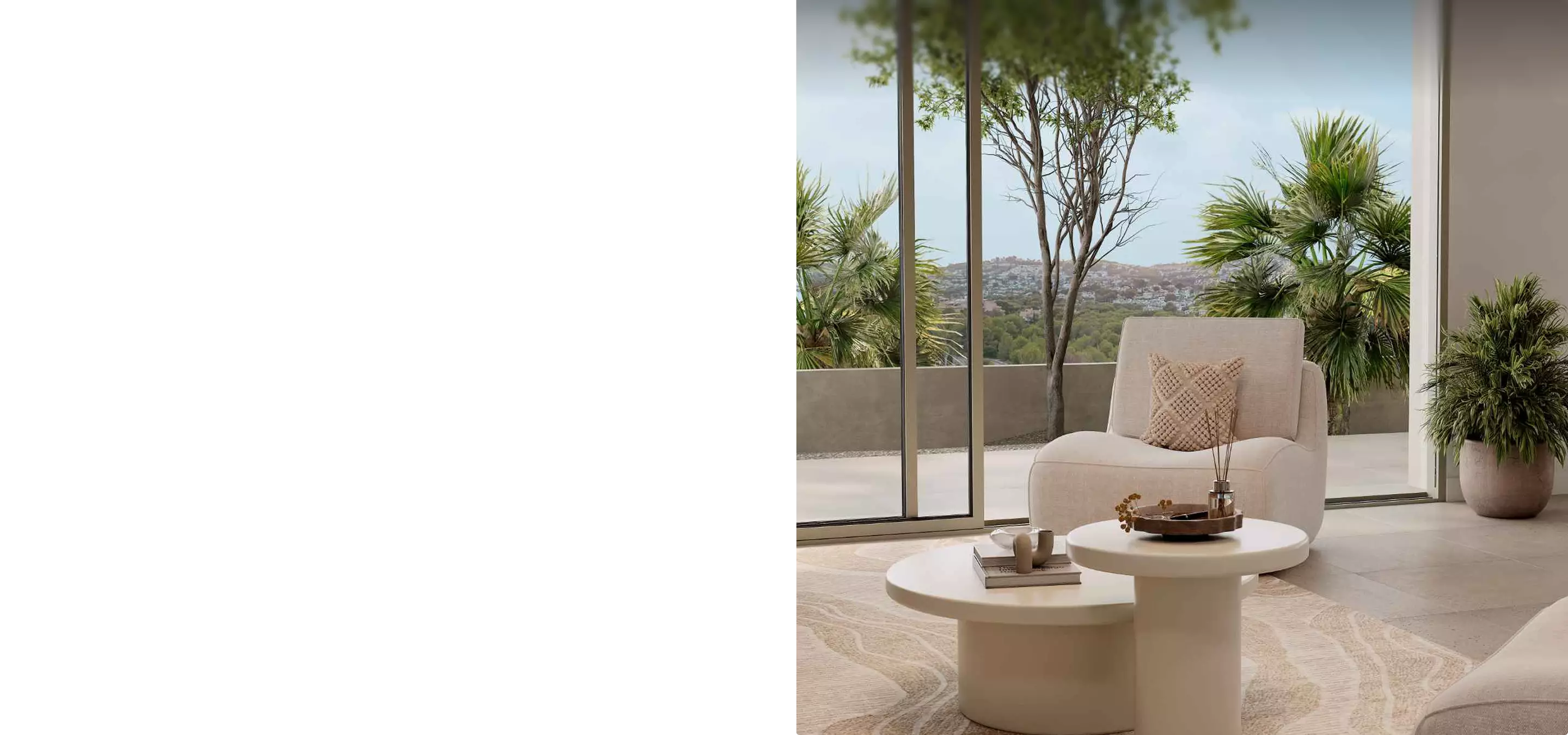
An eye-level angle places the camera at roughly human height, around 1.5 to 1.6 metres, so the scene reads the way a person would actually see it. It is the default for interiors because it feels natural and relatable: furniture sits at a believable scale and the viewer can picture themselves in the room. Reach for it whenever the goal is an honest, comfortable read of a space rather than drama.
Three-quarter (angular) angle
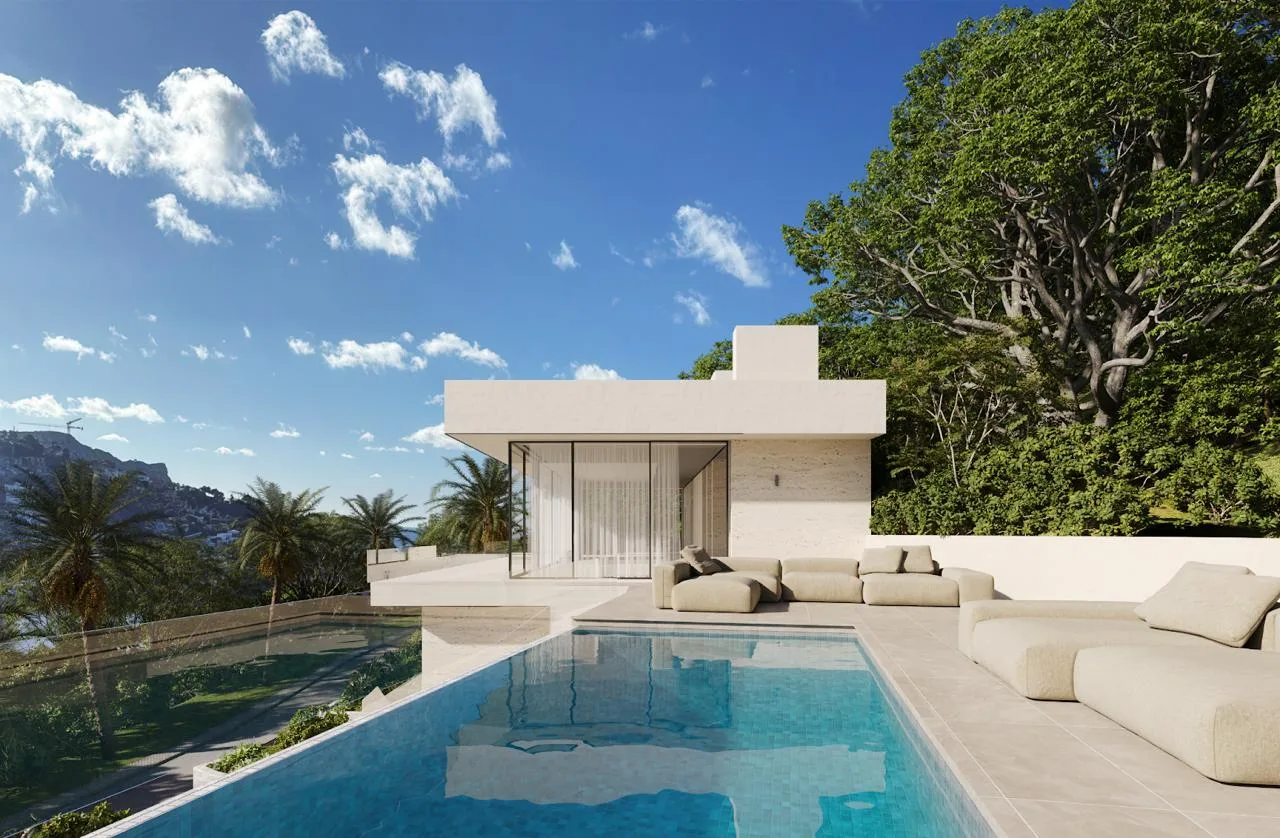
A three-quarter, or angular, view sits at about 45 degrees to the subject, so the camera catches two sides of a form at once, usually the front and one flank. It reads volume, depth and proportion in a single frame, which is why it carries most hero shots of exteriors, furniture and products. When in doubt, this is the angle that sells.
From our studio: the angles that sell are usually the simple ones, a clean three-quarter at about 45 degrees or a straight-on frame where the space just reads right. The mistake juniors make is chasing some clever, unusual angle before they have understood the composition and the frame.
Dim Kuzmenko, Company Owner
Side angle
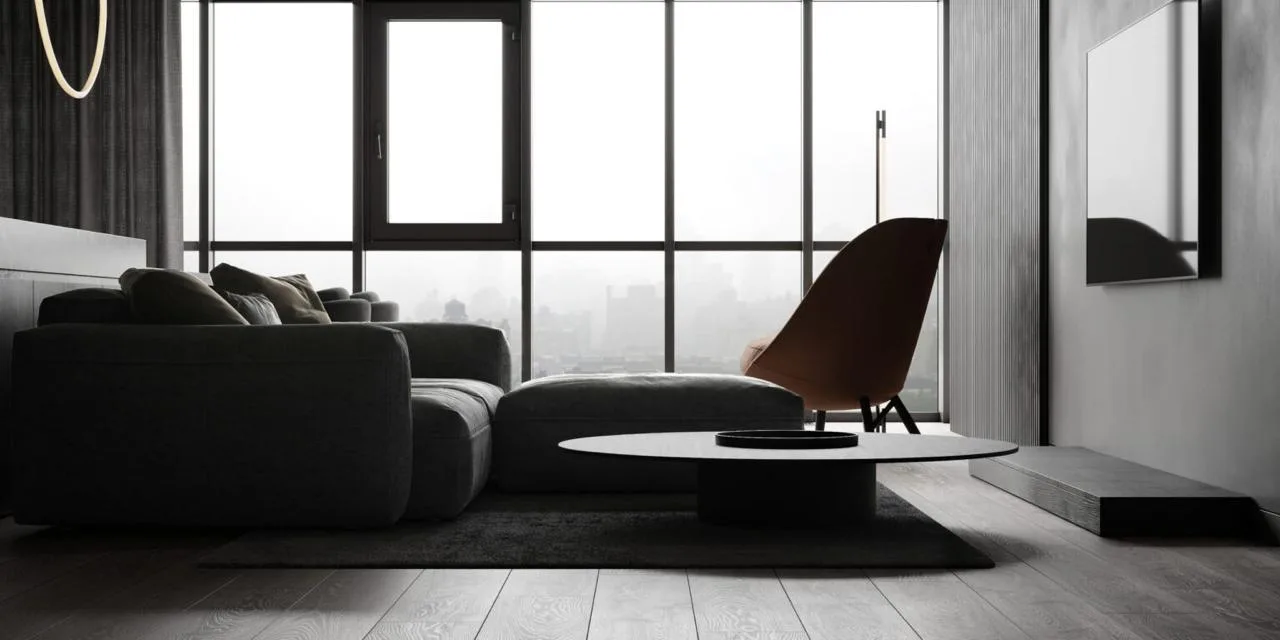
A side angle views the room in profile, with the camera parallel to one wall. The depth and layering of objects become very clear, but fewer elements fit in frame because the field of view is deliberately narrow, so a full room often needs several side shots. It is the angle for intimacy and mood: a reading nook, a fireplace corner, a sense of privacy.
Frontal (elevation) angleFrontal (elevation) angle
In a frontal, or elevation, view the camera sits perpendicular to the wall or façade and looks straight on. It pushes a single feature forward, a headboard, a painting, a storefront, while still showing what surrounds it. Because it leans artistic rather than purely informative, use it to accent a focal point or to build clean, symmetrical compositions.
Top-down (plan) angleTop-down (plan) angle
A top-down, or plan, angle looks straight down on the scene to reveal the whole layout and how rooms, materials, lighting and colour relate across the floor. Objects can feel like they are floating because the view removes the usual sense of gravity, so it works best when you need to show a lot at once or to make a very narrow space readable.
Bird’s-eye (aerial) angleBird’s-eye (aerial) angle
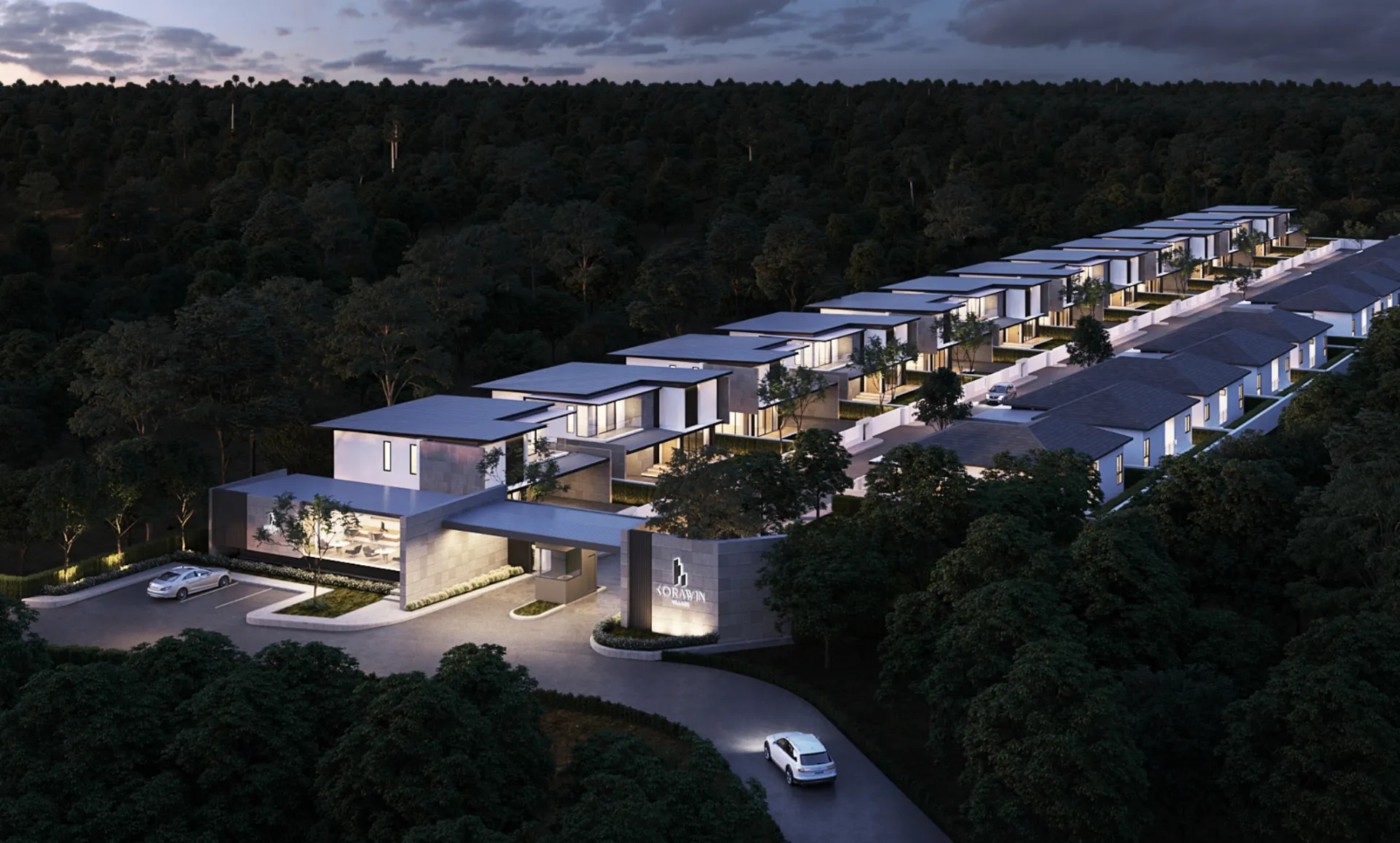
A bird’s-eye, or aerial, angle is a high vantage looking down, but unlike a plan view it keeps the building in its surroundings: roads, parks, neighbouring blocks, the whole site context. A practical rule is to place the project near the centre of the frame and leave roughly 20 percent of environment around each edge, so the image can be cropped or rescaled later without losing meaning.
From our studio: a bird’s-eye shot earns its place when you need to show the surroundings a project sits in, a resort or hotel complex in its setting, or simply where it is located with the infrastructure around it. We will often build that context straight from Google Maps.
Dim Kuzmenko, Company Owner
Worm’s-eye (low-angle) shot
A worm’s-eye, or low-angle, shot looks up from ground level and exaggerates height and grandeur, the trick that makes towers and Gothic façades feel monumental, even imposing. For visualizers it suits subjects with strong verticality: urban development, a chalet rising from a mountain forest, or any exterior hero shot meant to feel commanding.
Volumetric (cutaway) viewVolumetric (cutaway) view
A volumetric, or cutaway, view resembles a 3D diagram: walls are sliced and ceilings or doors made transparent so the interior reads from outside. It is often a budget-friendly way to present a whole project in one image, though a scene built this way holds fewer decor details than a set of full renders, and real artistic polish takes effort.
Close-up angleClose-up angle
A close-up isolates one object from the wider composition using focus and a blurred background. It tells you little about the space but a lot about the thing itself, which makes it the go-to for product shots, material details and advertising, anywhere the render needs to feel sharp, crafted and singular.
Camera angles vs projection viewsCamera angles vs projection views
Camera angles describe where you place the viewpoint, which is the subject of this guide. They are not the same as projection types such as isometric, oblique, or one-, two- and three-point perspective, which describe how a 3D scene is mapped onto a flat image. In practice you pick a projection first, almost always perspective, and then choose a camera angle within it.
How to choose the right angleHow to choose the right angle
Match the angle to the job: eye-level for an honest read, three-quarter for a selling hero, aerial for context, low-angle for drama and close-up for detail. Most scenes need only a few strong angles rather than one that tries to do everything.
From our studio: the biggest mistake clients make is trying to cram as much as possible into a single frame to save on the number of shots. It backfires, you end up with several mediocre angles instead of a few strong ones. We lock the cameras early, on the white model, and agree the angles before look-development; how many rounds that takes depends on the project.
Dim Kuzmenko, Company Owner
Turn Ideas Into Visual Stories
Frequently Asked Questions
Common angles include eye-level, low-angle, high-angle, bird’s-eye or aerial, and worm’s-eye views, each shaping how a space or product is perceived.
Angle choice controls scale, mood, and focus — it determines whether a space feels grand, intimate, or dynamic and guides the viewer’s eye.
Eye-level places the camera at roughly human height, creating a natural, relatable perspective that is the standard choice for interiors.
Use it to show overall layout, site context, and the relationship between buildings or zones — ideal for masterplans and exteriors.
Looking up exaggerates height and grandeur, making buildings appear monumental — useful for dramatic exterior hero shots.
Match the angle to the goal: realism (eye-level), context (aerial), or drama (low-angle), and align it with the focal feature of the scene.
Yes. Well-chosen angles make spaces and products more appealing and persuasive, directly influencing how buyers respond.