Most people start with the wrong question. They ask whether modular housing is cheaper, faster, or lower quality than a regular house when the first thing they need is a clear definition. What is modular housing? It is a housing method in which a home is built in factory-made sections, moved to the homesite, and assembled there on a permanent foundation. Built to the same state and local building codes as a site-built house, a well-maintained modular home typically lasts 50 to 100 years. That answer matters because the category is often confused with manufactured and mobile homes, even though the legal framework, financing path, and market perception can be very different. We visualize these with our residential rendering service.
That confusion is exactly why this topic performs so well in search. Buyers want one page that explains the term, clears up the comparison, and then helps them judge whether the model fits their budget, lot, and timeline. The interest is practical, not theoretical. People researching speed, cost control, and design visibility often encounter tools such as 3D exterior rendering services early in the planning phase because they make the final result easier to picture before production starts.
A good explainer also has to move beyond definitions. Readers want to know how the process works, what usually slows it down, how financing behaves, why some lenders hesitate, and whether a finished modular property performs like a conventional house in daily life. For many first-time buyers, the layout becomes easier to evaluate once interior options are shown through 3D interior rendering services, especially when a flat floor plan does not communicate scale very well.
This guide is built to answer those next-step questions. It covers the modular housing definition, the build sequence, the comparison with other housing categories, the real cost structure, and the buyer-fit logic that matters most when land, financing, and timing all need to line up. Before a factory ever begins fabrication, many teams use 3D modeling to coordinate dimensions, openings, materials, and structural details with far more clarity than a sketch can provide.
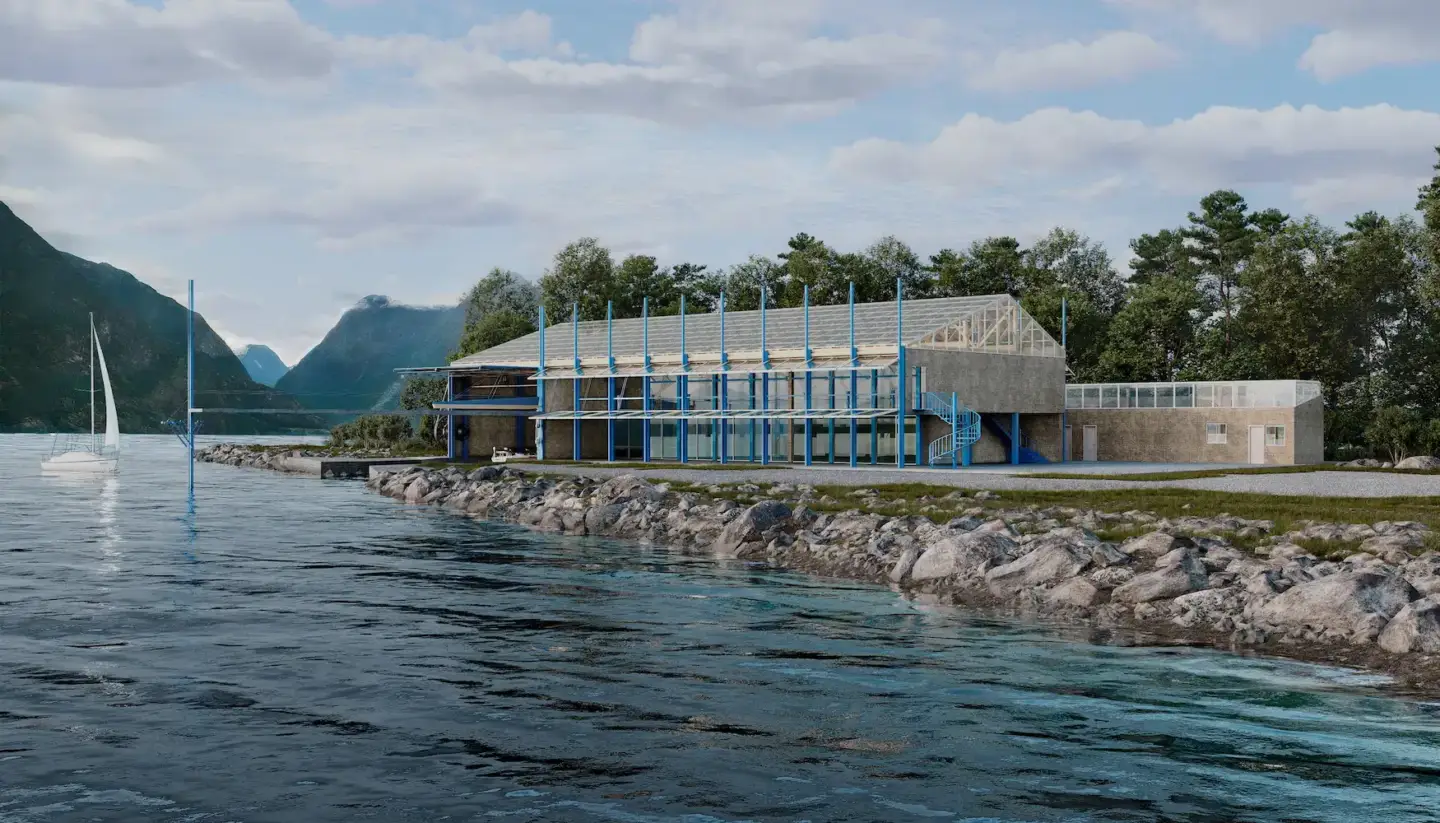
What modular housing is: a home built in finished three-dimensional sections (modules) in a factory, then transported and assembled on a permanent foundation to state and local building codes.
- Not a manufactured home — those are built to the federal HUD code and sit on a steel chassis, not a permanent foundation.
- Not a mobile home — that term refers to factory homes built before the 1976 HUD standards, an older and different category.
- Not the same as “prefab” — prefab is the umbrella term; every modular home is prefab, but not every prefab home is modular.
What Is Modular Housing?
In simple terms, modular housing means the house is produced in large sections away from the final lot, then joined together on site as one finished residence. The sections are not decorative shells. They can include framing, insulation, electrical runs, windows, cabinetry, drywall, and portions of the plumbing system before they ever leave the plant. That is why the process is usually described as off-site construction, even though the home is completed at the property.
The word “modular” refers to the method, not to a specific look. One project may read like a suburban family house. Another may feel distinctly contemporary. A third may resemble a custom build that no casual observer would identify as factory-produced at all. Some firms explain that transformation with architectural animation, which helps a new audience understand that modules are part of the assembly process, not the finished visual identity.
The terminology gets messy because “modular housing” and “modular home” are used almost interchangeably in search results, articles, and marketing pages. Usually, the broader phrase describes the category, while the narrower term points to a single dwelling. On larger residential projects, developers often need to explain that distinction at scale, which is one reason 3D visualization for real estate developers has become useful in preconstruction communication.
The core distinction from manufactured housing is not aesthetic. It is regulatory and practical. Manufactured homes follow a federal standard known as the HUD code, while modular homes are generally built under the state or local code framework that applies where the property will be installed. That difference shapes the foundation profile, the appraisal path, the financing conversation, and the way buyers talk about long-term value.
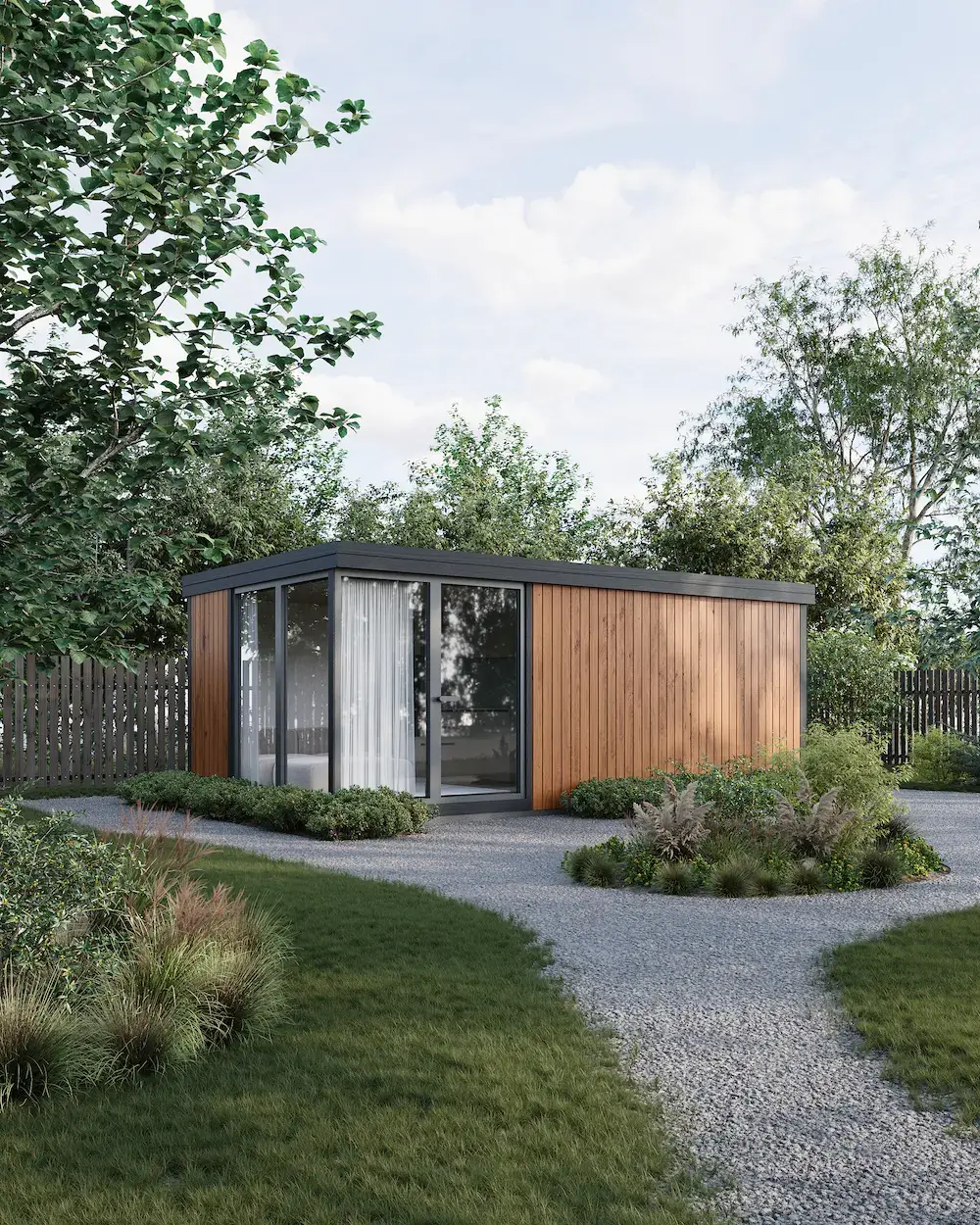
How Modular Homes Are Built
The sequence starts with design, engineering, and approvals. Buyers choose a plan, refine options, and align the structure with the local requirements that will govern the finished home. That stage can feel more transparent than a conventional custom build because major decisions are usually made earlier, before materials and labor spread across a long open-air timeline. When teams need a clearer way to present that path, they often use 3D rendering for real estate to translate technical choices into something easier to compare.
Factory production comes next. Wall systems, floors, roof elements, wiring, insulation, and many finish components are assembled indoors in controlled conditions. That environment is one reason modular home construction is often associated with schedule predictability. Rain, snow, and prolonged site exposure tend to disrupt the traditional sequence more heavily than the factory sequence, although the overall project still depends on what happens beyond the plant.
Delivery is the stage that turns the concept into something real. The finished sections are wrapped, loaded, transported, and staged for placement at the lot. This is also where beginners discover that speed does not eliminate logistics. A beautiful plan means little if roads are narrow, turns are tight, setbacks are restrictive, or the crane cannot operate efficiently. In that respect, 3D rendering for architecture and design studios can help teams resolve massing, access, and placement issues before transport day arrives.
Once the sections reach the site, the crane sets each unit onto the foundation in sequence. Crews then connect the structure, close the joint lines, complete remaining exterior work, and finish interior areas that must wait until assembly. The modules may be substantially complete before delivery, but the property still needs utility coordination, inspections, and final trade work before move-in. The finished product can look strikingly current, which is why design references such as modern architecture often help readers shed dated assumptions about what a factory-produced house looks like.
People often ask why modular projects are described as faster. The answer is that the house and the site can advance in parallel for part of the timeline. While the modules are being built, the lot can be graded. If those moving pieces stay aligned, the path to occupancy can feel much shorter than a fully sequential field build.
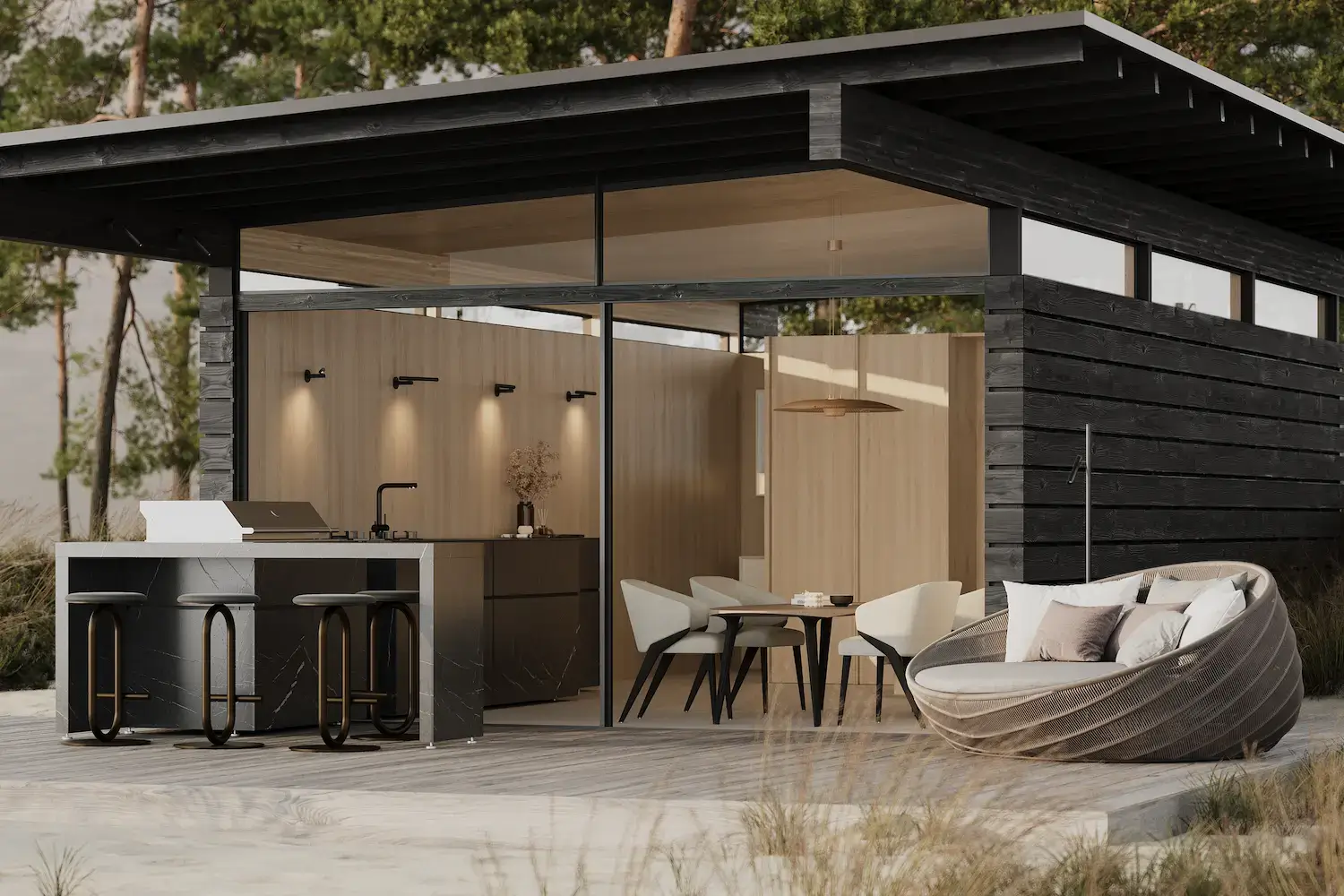
Modular vs Manufactured Homes
This is the comparison block most buyers actually need first. The important differences are not just labels. They affect code treatment, land use, mortgage options, appraisal logic, customization, and the way a finished property is perceived in the market.
| Home type | Build location | Code or standard | Foundation | Transport | Financing | Customization | Resale perception | Best for |
| Modular | Factory-built sections | State or local residential code | Permanent foundation | Delivered in modules and assembled on site | Often closer to site-built lending | Moderate to high | Often closer to conventional housing | Buyers wanting speed with a house-like profile |
| Manufactured | Factory-built unit | HUD code | Chassis-based structure, installed under approved setup rules | Delivered as transportable unit | Often more specialized | Moderate | More variable by market | Buyers prioritizing lower entry pricing |
| Mobile | Older pre-1976 factory-built stock | Pre-HUD framework | Varies | Transportable | Usually more limited | Low to moderate | Commonly weaker | Existing legacy inventory |
| Site-built | Built entirely on the lot | Local building code | Permanent foundation | No module transport | Standard mortgage route | High | Familiar to most buyers | Buyers wanting maximum design freedom |
A buyer-focused explanation of modular vs manufactured homes should begin with standards, not style. Both categories are factory-produced, yet they do not sit in the same box. One usually enters the market looking much closer to a conventional house in legal and lending terms. The other follows a different national framework and a different long-term ownership narrative. That distinction is frequently lost in casual conversations because appearance is easier to notice than classification.
The same issue appears in modular vs mobile homes. People still use “mobile home” as a catch-all phrase for anything that was built in a factory, even though the term properly refers to older homes from an earlier regulatory era. In everyday language, that misuse persists because the public remembers the image more easily than the rule. Broader design discussions, including pieces on what is contemporary architecture, show why looks are a poor guide here. A house can feel current and still belong to a very different category under the hood.
The comparison with site-built housing is more subtle. Modular vs site-built homes is not really a battle between “real house” and “other house.” It is a comparison between two production paths that can arrive at a similar end point. One route happens mostly on the lot. The other moves much of the structure through a factory first. For buyers trying to picture the finished result in a neighborhood context, a visual reference such as residential rendering often clarifies that the end product can sit very comfortably beside conventional homes.
If you are primarily concerned about how well a home functions as a typical residential property, modular housing is a better option than manufactured housing. To find the lowest possible price among factory-produced options, evaluate manufactured housing separately. Compare prefab and other construction methods based on which one best suits the buyer, their property, and their budget.
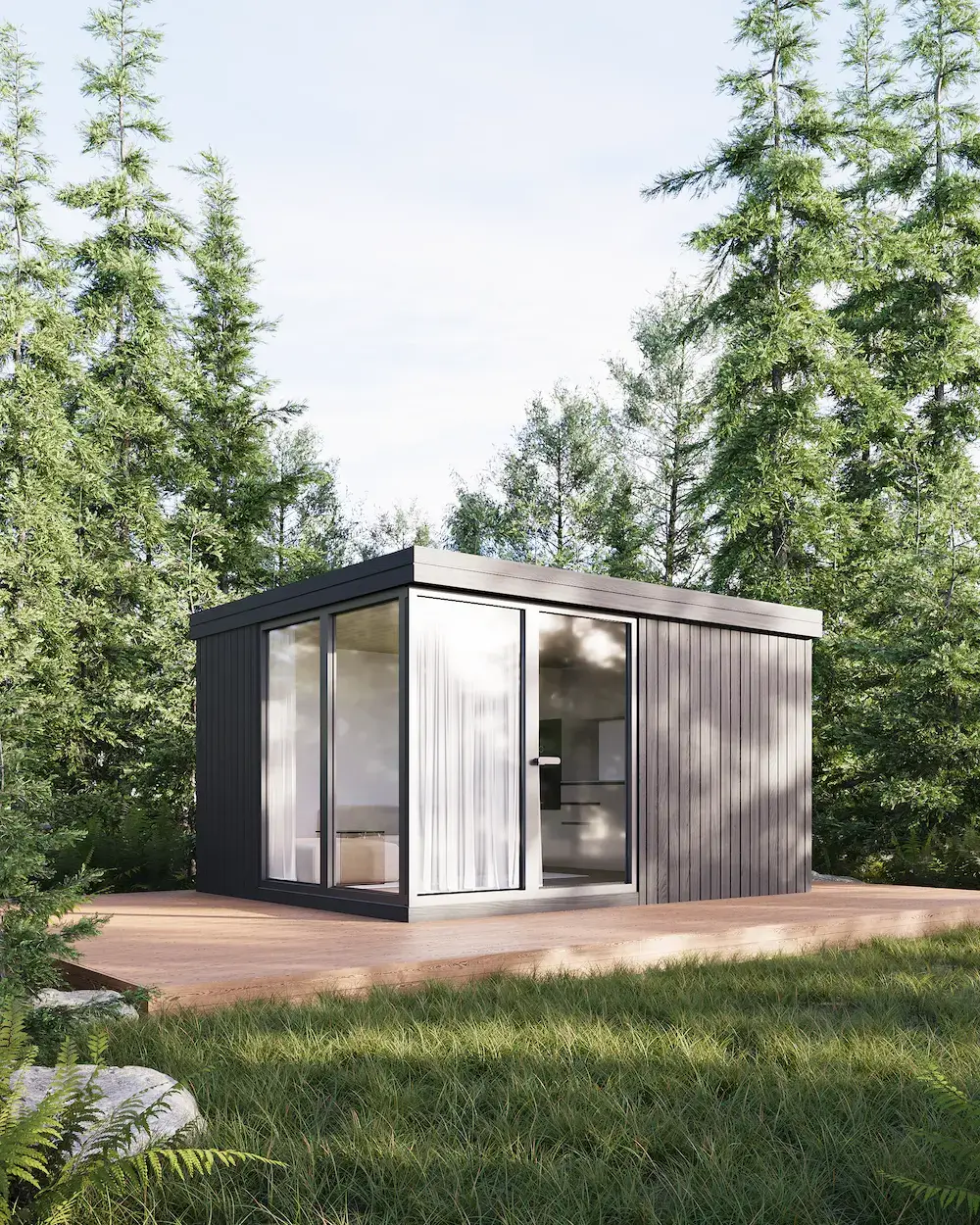
Pros and Cons of Modular Homes
The strongest case for the category begins with process control. Modular housing pros and cons are easier to understand when you stop treating the house as a mysterious product and start looking at the workflow around it. Indoor production can reduce weather exposure, compress some scheduling gaps, and create a more orderly sequence for major structural work. Buyers who value clarity often respond well to that logic because the process feels less chaotic than a long field build.
Another advantage is increased design visibility. Modular projects do not have to look generic or feel temporary. With options like rooflines, cladding choices, window patterns, porches, and layout designs, you can create a finished property that looks entirely at home in a traditional neighborhood. Energy-minded design conversations also show up here.
There is also a practical emotional benefit that many buyers do not mention until later. The controlled sequence can reduce uncertainty. That does not remove risk, but it often gives homeowners a clearer sense of what happens next, which matters when they are managing land, contractors, permits, and financing at the same time. For clients who struggle to understand the journey from concept to completed home, 3D animation of a house can make the timeline feel much more concrete.
The downsides deserve equal consideration. Transportation limitations, crane work, site access, and local approvals can all affect a project’s design and coordination. Modular projects require additional coordination. If the lot is not ready when the sections arrive, the advantage of factory efficiency disappears quickly.
Another trade-off sits in the local network. Not every market has the same depth of experienced builders, installers, transport partners, and lenders. A strong category on paper can still underperform if the regional support system is weak. That is why buyers should judge the available team, not just the concept itself. A finished example like a modular home exterior may prove that the visual result can be excellent, but the path to that result still depends on execution.
The biggest myth is that modular homes are flimsy because they are moved. That idea sounds intuitive until you remember what the structure has to endure before occupancy. The sections must travel, be lifted, and then be joined into a stable finished residence. The real quality question is not whether the project used modules. The real question is whether the design, fabrication, transport, set, and field completion were all handled well. A polished presentation such as 3D rendering of a house can help buyers visualize the end state, but the underlying performance still comes from engineering and workmanship.
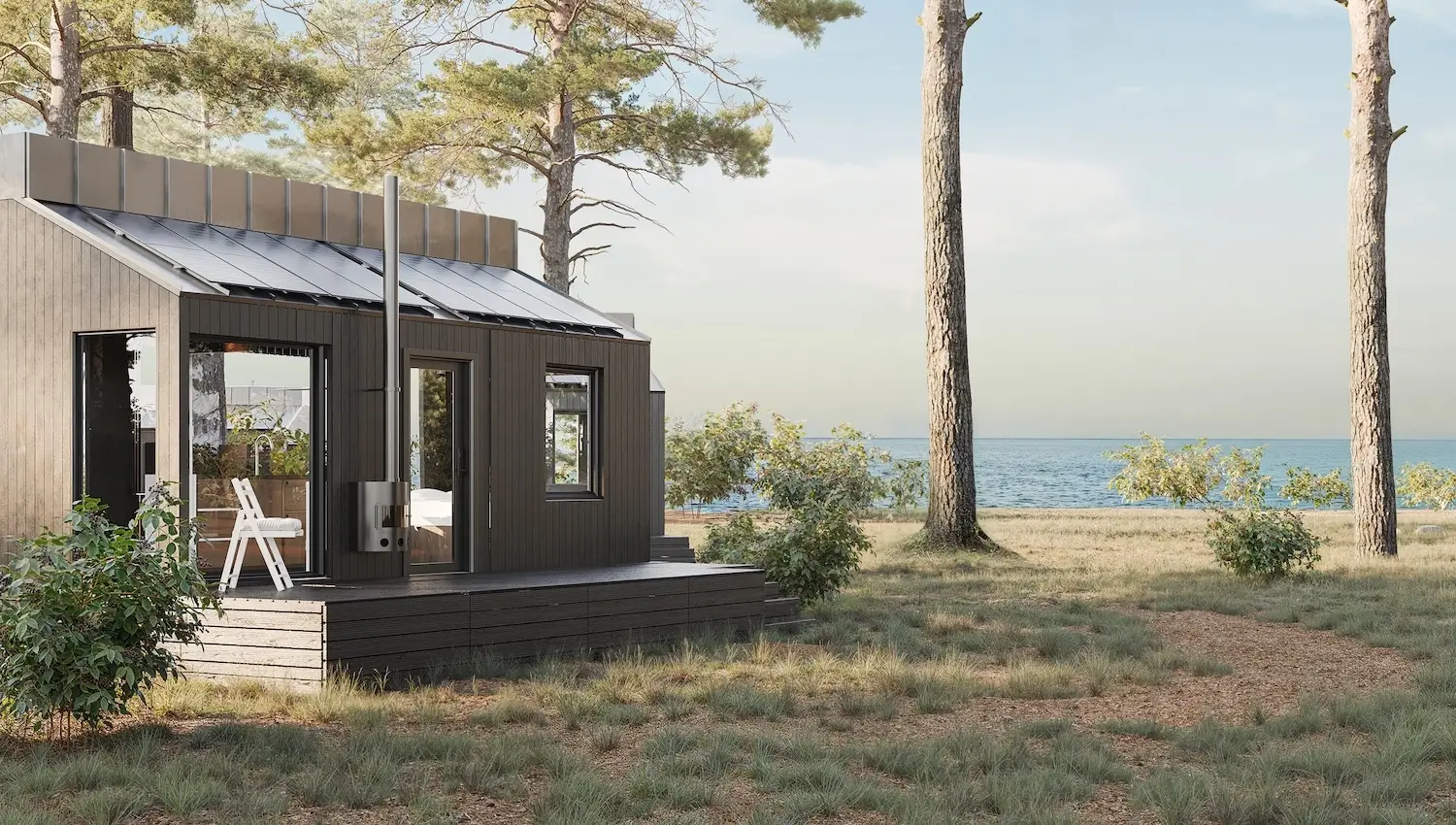
On-Frame vs Off-Frame Modular Homes
Modular homes come in two mounting types, and the difference changes how the finished house looks, appraises, and finances. An on-frame modular home stays on its permanent steel frame (chassis) after it is set, which lowers cost but keeps a manufactured-home look. An off-frame modular home is lifted off the chassis and placed on a conventional foundation, so it reads and appraises much more like a site-built house.
| Factor | On-frame modular | Off-frame modular |
| Foundation | Stays on steel chassis | Set on permanent foundation |
| Appearance | Closer to a manufactured home | Indistinguishable from site-built |
| Cost | Lower | Higher |
| Financing & resale | More limited | Conventional mortgage, stronger resale |
How Much Does Modular Housing Cost?
A modular home is usually 10–20% cheaper per square foot than a comparable site-built house, but the sticker price is not the project price. The all-in budget still has to cover land, foundation, permits, grading, delivery, crane set, and utility hookups — the lot itself often moves the number more than the house does. For a full breakdown of prices by size and finish, see our modular home cost guide.
Who Modular Housing Fits BestThe biggest misconception is that modular is automatically cheaper. In our experience the build cost often lands close to a traditional home — and depending on the region and climate, how harsh the winter or how hot the summer is, a site-built house is often the more reliable call. We render a lot of these homes, and the hard part is never the structure — that’s easy to show. It’s conveying the atmosphere, the idea, the mood the brand needs to carry.
— Dim Kuzmenko, Maverick Frame
Who Modular Housing Fits Best
Durability belongs in this decision because it drives both comfort and resale confidence. A modular home can match a site-built house for longevity — 50 to 100 years — as long as the design, transport, installation, and site work are handled properly. The category itself is not the weak point; poor planning and rushed field work are.
So who is the best fit? Usually the buyer who wants a house-like outcome, values process clarity, and is willing to do the site homework early — checking the lot, the team, and the financing path before comparing the cost and timeline of the real project. A difficult parcel, unresolved utilities, or a highly unusual design goal can make another route more practical.

Turn Ideas Into Visual Stories
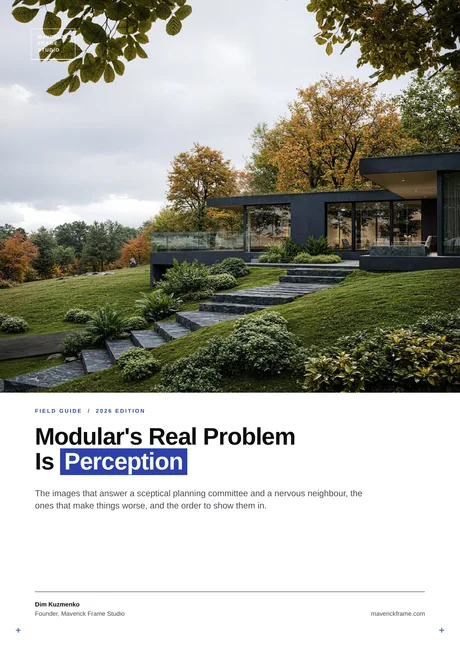
Free field guide
Modular's Real Problem Is Perception
The images that answer a sceptical planning committee and a nervous neighbour, the ones that make things worse, and the order to show them in.
If it didn't open, download it here.
Download the PDF