A modular house can start at a lower factory price than many stick-built homes, but the final budget is almost always higher than the advertised base number. How much is a modular house? In practical terms, many buyers see base-home ranges around $50 to $100 per square foot, while a more realistic installed project often lands closer to $80 to $160 per square foot, depending on size, finish level, foundation choice, delivery distance, utilities, and local requirements.
Before construction starts, photorealistic 3D helps sell the concept and align stakeholders. Our team offers 3D residential rendering services and end-to-end real estate visualization for developers planning single homes and multi-family projects.
For many households, that puts the full project somewhere around the mid-five figures on the low end to several hundred thousand dollars for a larger or more upgraded home. Early planning tools such as 3D rendering pricing are often useful because they help buyers understand how scope decisions can affect a quote before the first serious builder conversation begins.
That is the core budgeting lesson for this topic. A factory quote and a delivered quote aren’t the same as a move-in-ready total. These categories are separate. Buyers often understand that difference faster when a project is shown through 3D exterior rendering services, because the visual makes it easier to separate the house itself from everything the site still needs.
This article is built for decision-stage readers, not casual browsers. It covers average ranges, modular home cost per square foot, base price versus full project cost, the items that move the most, the comparison with stick-built construction, and the budgeting habits that help first-time buyers avoid expensive surprises. Layouts also become easier to evaluate when interior options are shown through 3D interior rendering services, especially for readers who are trying to decide whether a standard plan is enough or whether customization is worth the extra spend.
Modular vs Manufactured vs Mobile Homes: Why the Price Differs
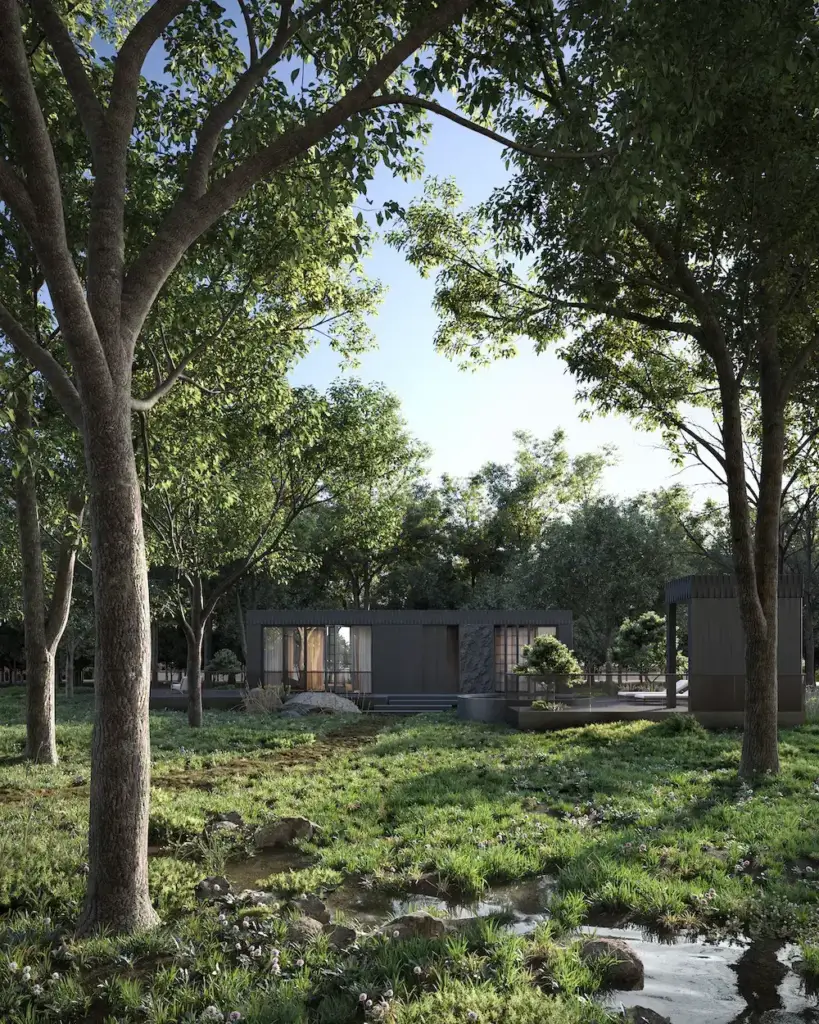
- A modular home is a permanent house built in sections in a factory to the same state and local building codes as a site-built home, then assembled on a permanent foundation. It generally appraises and finances like a stick-built home.
- Not a manufactured or mobile home — those are built to the federal HUD code on a steel chassis and often start cheaper, but they follow different financing, resale, and placement rules.
- Not a prefab kit or tiny home — panelized kits and DIY cabins advertise headline prices under $50,000, yet they exclude most of the site work, foundation, and utility costs a real modular project needs.
- Not the “base price” — the figure a factory advertises covers the home only. The delivered, move-in-ready cost is what the ranges below break down.
How Much is a Modular House on Average
The cleanest answer starts with ranges rather than a single national average. Modular house cost can vary widely, but many buyer-facing estimates place base models around $50,000 to $200,000 for smaller to mid-size homes, while more realistic installed totals often rise well beyond that once setup work is added. In practice, a compact starter plan is affordable, a family-sized model is mid-range, and a larger property is more expensive and customizable. Much of that planning starts before fabrication, which is one reason project teams rely on 3D modeling to sort out proportions, complexity, and specifications early.
Three examples make the spread easy to read. A budget modular home is a good option if the footprint is small, the floor plan is standard, and the lot is easy to access. A mid-range family home costs more because it has more square footage, bathrooms, and utility demands. The cost of a custom or larger residence often rises when the owner adds design changes, premium materials, or architectural complexity. For larger residential programs, 3D visualization for real estate developers can clarify how scope choices affect both project math and presentation.
Another reason averages can be misleading is that the same floor plan can behave very differently in different places. Transportation routes, local labor costs, terrain, building codes, permit regulations, and utility access all influence the final cost. For example, a home that appears affordable in one region may only be moderately competitive in another once foundation work and site logistics are factored in.
What’s Included in the Base Price and What’s Not
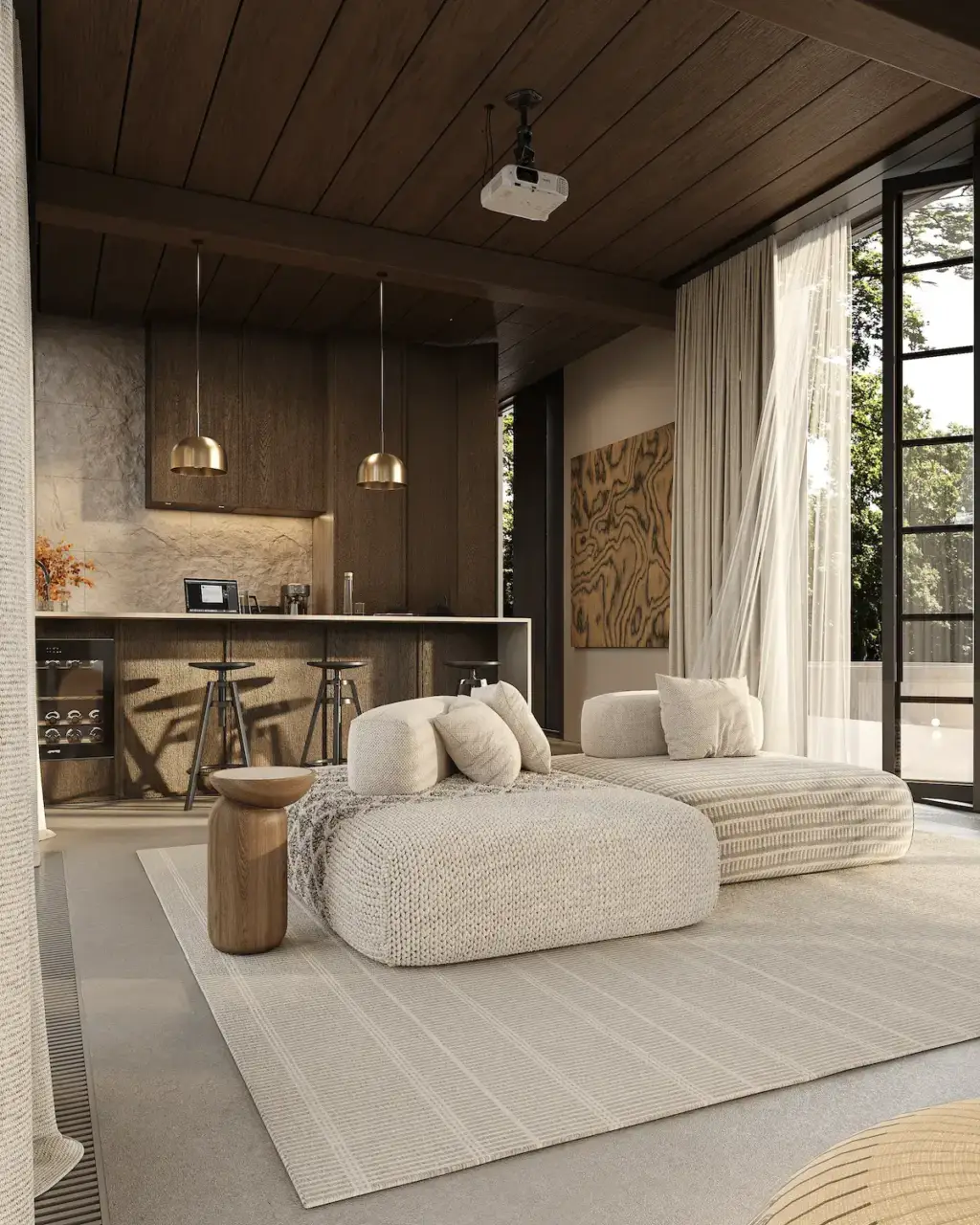
This is one of the most important sections in the entire article because it closes the gap between marketing and real budgeting. What does modular home cost include? The package usually includes factory-built sections, specifications, and finishes. However, it does not cover land, excavation, grading, foundation work, permits, delivery, crane and set fees, garages, porches, driveways, or landscaping. Sales teams often use 3D rendering for real estate to help buyers understand what the standard package actually looks like before upgrades begin.
A buyer who ignores this distinction will likely end up comparing apples to oranges. One builder may show a factory number. Another may show a delivered number. A third may present something closer to a turnkey project. Although the floor plans may look similar, the quotes may describe very different levels of completion.
A simple way to understand any estimate is to ask three questions in the same order every time. First, ask if the quote is for the house only. Does it include delivery and setup? What is not included in the quote that I will still need to pay for before moving in? These questions may sound basic, but they prevent many mistaken assumptions.
The same logic applies to allowances. Some quotes contain placeholders for appliances, flooring, cabinetry, and finishes that seem generous until the buyer starts choosing actual products. A budget only feels firm when those allowances are realistic for the expected quality level.
Modular Home Cost per Square Foot
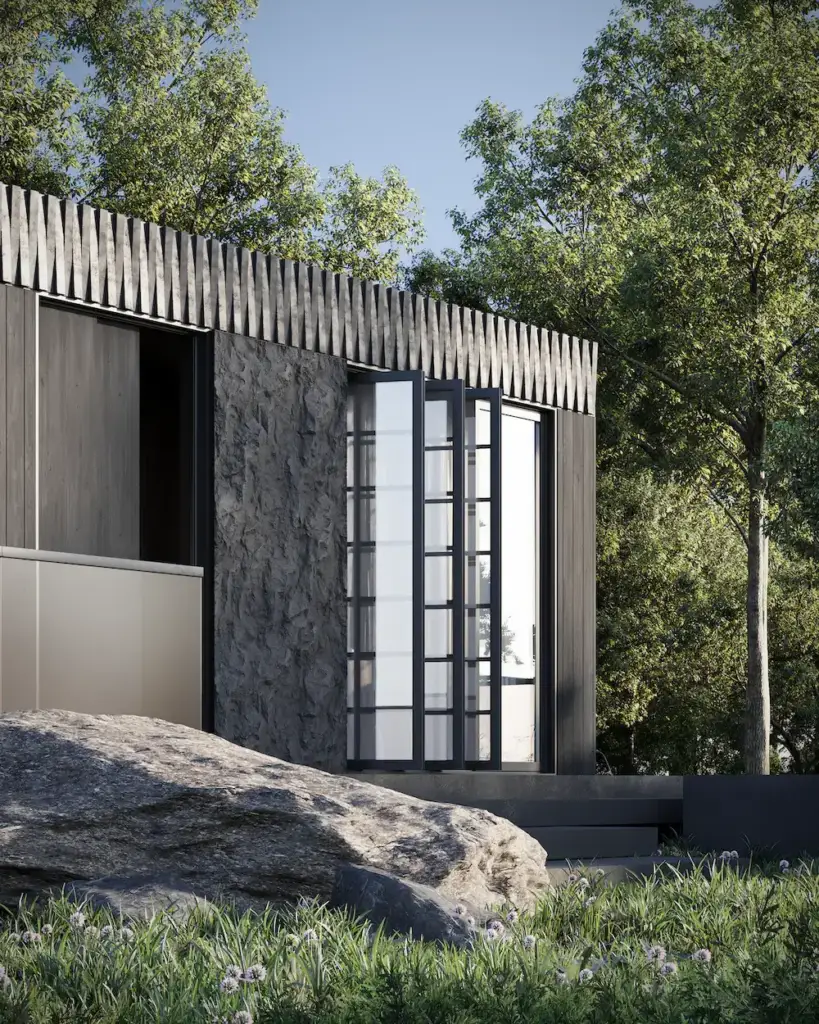
Price per square foot is useful because it helps compare broad options quickly, but it becomes misleading when buyers use it as a substitute for full budgeting. Modular home cost per square foot often falls around $50 to $100 for a base model and around $80 to $160 for a more complete installed project. That makes it a helpful first filter, not a final decision tool. Some builders explain the difference between visual scope and construction scope through architectural animation, which can make the factory-to-site process easier to price mentally.
Smaller homes often cost more per square foot than larger ones. Kitchens, bathrooms, electrical systems, and utility connections don’t shrink neatly just because the home’s footprint is smaller. This is why a compact home may appear less efficient per square foot, even though its total cost is much lower than that of a larger home.
A quick example illustrates how the ratio works. A small home may have a higher ratio because its fixed systems are spread across less space. A mid-sized home often produces a more balanced figure. A 2,000-square-foot home may have a cleaner price per square foot, but it requires a much larger total investment.
This metric is most useful for comparison, not prediction. It helps buyers determine if one option is significantly more expensive than another. However, it does not predict the actual cost to the owner once the site and scope are fully known.
The Full Cost Breakdown
Site Preparation and Land Work
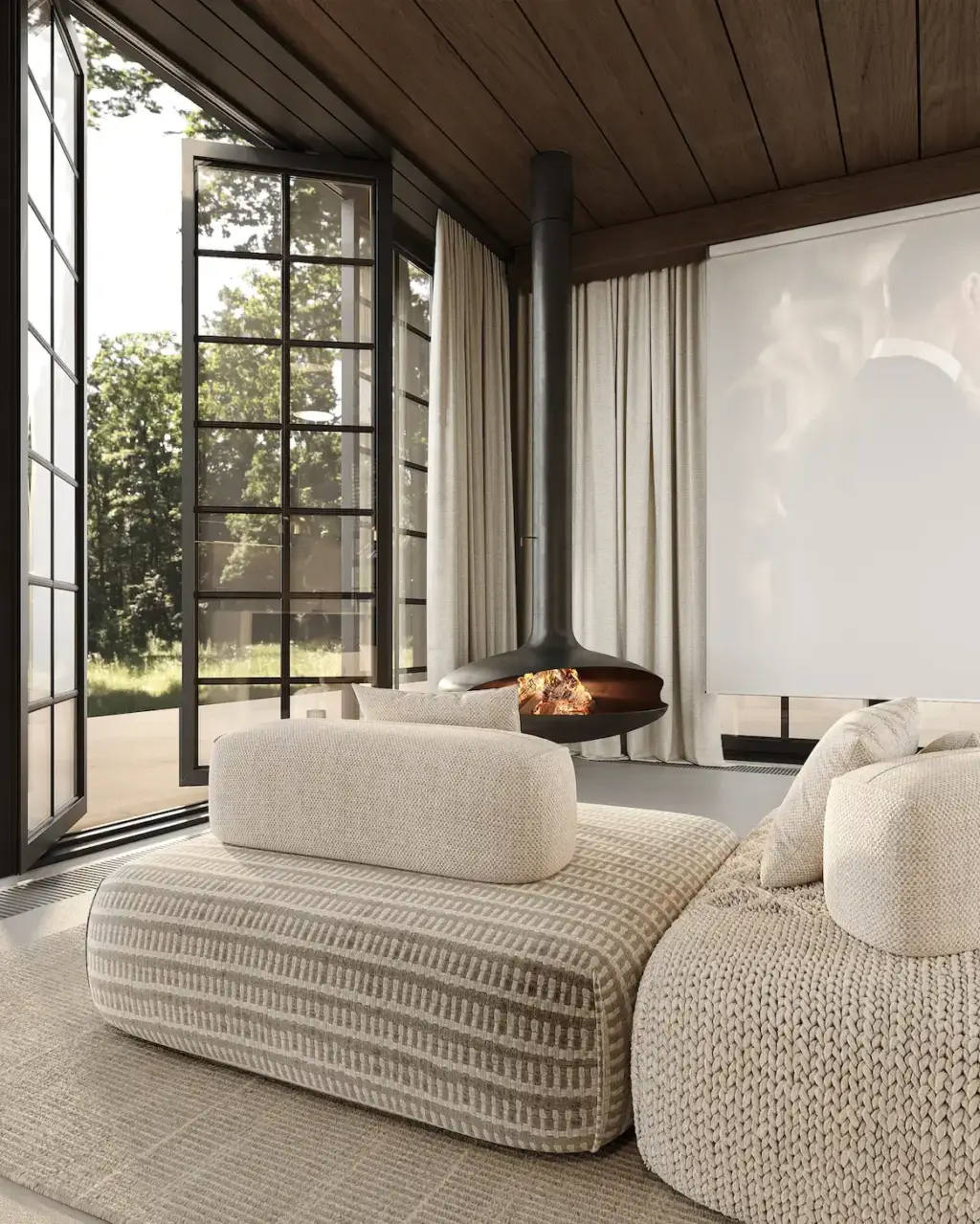
The lot is often the biggest hidden price driver in the project. The cost to build a modular home rises quickly when the property needs clearing, grading, drainage work, excavation, retaining solutions, access improvements, or utility trenching before the house can be installed. Slope, soil, trees, runoff, and rural infrastructure can all reshape the budget. Design teams frequently use 3D rendering for architecture and design studios when they need a clearer view of how the structure will interact with the site before pricing is finalized.
Foundation and Structural Setup
A modular house still needs a proper structural base, and that line item is rarely minor. Slab installations usually cost less than crawl spaces or basements, while excavation complexity and local code expectations can widen the spread fast. The same home can therefore look affordable on one parcel and noticeably more expensive on another if the ground conditions are harder or the foundation needs are heavier. Inspiration from modern architecture may guide the look of the finished home, but the structural bill usually has much more influence on whether the project stays within range.
Delivery, Crane, and Installation
Transport and set-day work are another area where buyers often underestimate variability. Long distances, narrow roads, difficult turns, weather windows, and challenging access can all push the price higher. A simple lot with clean truck access behaves very differently from a steep or constrained site even when the modules are identical. Editorial discussions around what is contemporary architecture may shape style expectations, yet the transport budget is ruled by logistics rather than aesthetics.
Utility Connections and HVAC
Utilities make the project habitable, and that often means separate coordination, separate contractors, and separate costs. Water, sewer, septic, electrical service, natural gas or propane, and HVAC setup can all sit partly outside the main house contract. This is where raw land becomes especially expensive because the home may be ready while the property itself still is not. Broader thinking around green architecture can support better long-term performance, but energy-minded upgrades do not eliminate the upfront cost of getting basic systems in place.
Permits, Inspections, and Occupancy Costs
Permit fees are rarely the largest number in the budget, but they matter because they arrive on top of everything else. Local review, inspections, fees, and occupancy requirements can widen the final total more than first-time buyers expect. They can also affect timing, which matters because delays often have cost consequences of their own.
What Drives the Cost of a Modular Home Up or Down
The biggest price drivers are usually square footage, level of customization, quality of finishes, number of bathrooms, kitchen specifications, roof complexity, added structures, delivery distance, and local labor conditions. Modular home pricing guide logic gets much clearer when those drivers are ranked instead of discussed as one blur. Buyers often see the impact more clearly through a case like residential rendering, where specification choices visibly change the product long before a final estimate arrives.
Some factors affect the budget more than people expect. For example, bathrooms are expensive due to the cost of plumbing, fixtures, tile work, and ventilation. Kitchen costs can quickly escalate due to the cumulative effect of cabinetry, countertops, appliance packages, and layout modifications. Changes to the roofline, dormers, taller ceilings, and wider spans can also affect engineering and manufacturing costs.
Other items may be less glamorous, but they are still powerful. For example, a basement, an attached garage, a covered porch, upgraded windows, premium cladding, or an energy package can each increase the total cost, even when the floor plan barely changes. Buyers often assume that size is the main cost driver when scope complexity can be just as important.
The most reliable way to protect the budget is to customize selectively. Pick the changes that matter most for daily use, resale appeal, or operating efficiency. Leave lower-impact wish-list items for later if they won’t significantly impact how the house performs.
Is it Cheaper to Build a House or Buy a Modular Home
A clean answer is better than a salesy one. Modular vs stick-built cost often favors modular at the base construction stage because factory production can improve workflow, reduce some weather exposure, and compress part of the schedule. Still, the savings may narrow once land work, transport, structural setup, and upgrades are included. Many buyers understand that difference faster when the process is visualized through 3D animation of a house, because timing and logistics are easier to compare when the sequence is clear.
| Factor | Modular home | Stick-built home | What it means for budget |
| Base construction cost | Often lower to moderate | Often higher | Modular may start with a price advantage |
| Build speed | Often faster in core production | Usually slower on site | Time savings may reduce carrying costs |
| Weather delays | Lower exposure during factory phase | Higher exposure on site | Modular may avoid some schedule overruns |
| Customization | Available, but can get expensive fast | Highly flexible, often at a premium | Savings shrink as complexity rises |
| Site costs | Still significant | Still significant | Lot conditions can erase the factory-price edge |
| Financing and logistics | May require more coordination | More familiar to some local teams | Process friction can add soft costs |
The key is distinguishing between speed savings and guaranteed cash savings. A faster timeline can reduce stress, eliminate the need for temporary housing, and minimize weather-related disruptions. However, this does not mean that every modular project will be significantly cheaper than a well-managed, site-built project on an easy lot.
In certain situations, stick-built construction can also be more cost-effective than buyers expect. If the plan is straightforward, the lot is easy to work with, and local contractors are efficient, the cost difference may be smaller than modular comparisons suggest. For buyers evaluating modular housing against site-built options, the only fair comparison is the total project cost for the same level of quality and similar site conditions.
Can You Buy a Modular Home for $50,000 or Build One for $100,000Can You Buy a Modular Home for $50,000 or Build One for $100,000
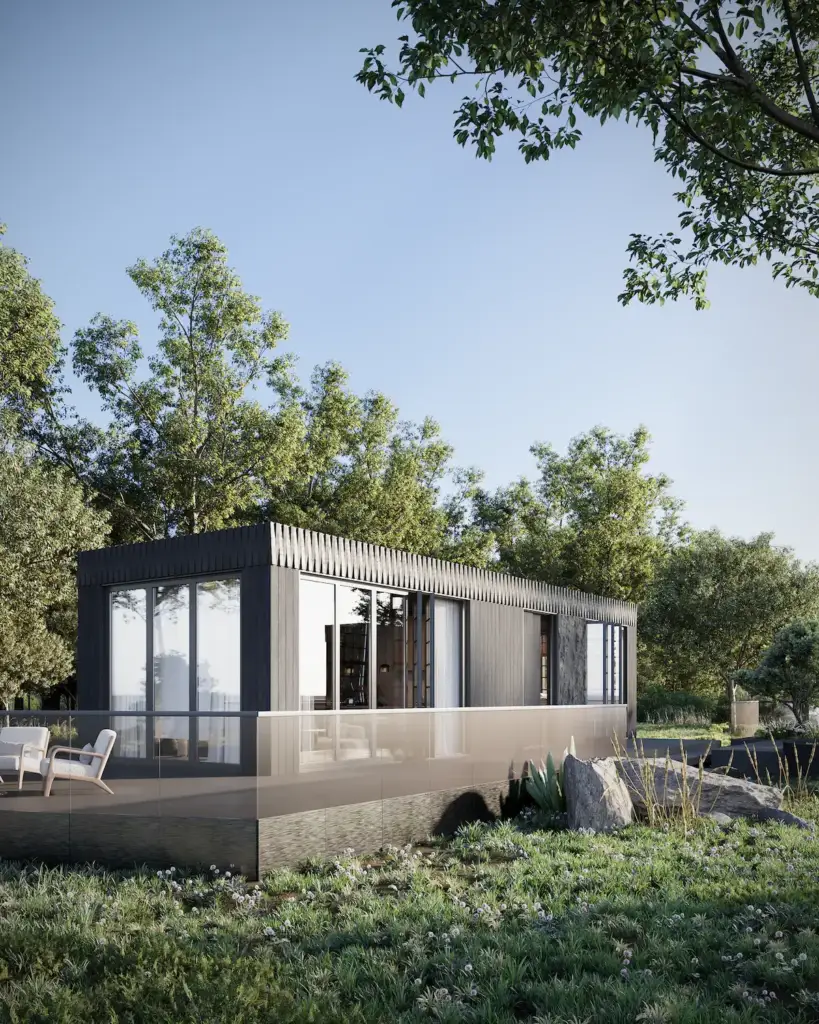
This is one of the strongest intent blocks in the whole topic because it speaks directly to budget-sensitive buyers. Can you buy a modular home for $50,000? Sometimes, but usually only at the base-unit level, with a small footprint, standard finishes, and a narrow definition of what the price covers. That kind of number rarely reflects a completed home ready for occupancy. Finished examples such as modular home exterior may look fully turnkey, but the final price often includes much more than the advertised unit.
The same caution applies to a $100,000 budget. This budget could work for a modest house on a favorable lot with limited upgrades. However, it becomes much harder to stick to once foundation work, utilities, local fees, and standard finishes are priced accurately.
Budget-conscious buyers have three realistic options: smaller home, less customization, or simpler site. The site is the hardest lever to control because the land often determines the cost more than the brochure does. This is why an inexpensive unit on difficult land can result in an expensive project.
Sample Modular Home Budgets by Size and Buyer ProfileFrom our studio — Most modular developers come to us for marketing renders before a single unit is built. It is far cheaper to visualize a home than to build it, photograph it, and then try to sell it, and you can test demand before committing to production. The mistake we see most is treating renders as the whole job. To compete with the strong brands you need the full kit: a name, a logo, the concept, the sales collateral, the web materials. Developers who order only visuals usually lose to competitors who show up with everything ready.
Dim Kuzmenko, Maverick Frame
Sample Modular Home Budgets by Size and Buyer Profile
A buyer-friendly table makes the math easier to process than a single national average. The modular home price range becomes more useful when it is framed by size and use case rather than treated as one abstract number. The visual side of that planning is often easier to communicate through 3D rendering of a house, because buyers can see the difference between standard scope and a more upgraded finish level before they compare numbers.
| Home type | Approx. size | Base home range | Common added costs | More realistic total budget range |
| Starter home | 800–1,200 sq ft | $40,000–$120,000 | Foundation, delivery, utilities, permits, basic site work | $100,000–$220,000+ |
| Family-size home | 1,400–2,000 sq ft | $70,000–$200,000 | Larger foundation, more utility work, more finish choices, possible porch or garage | $160,000–$320,000+ |
| Upgraded or custom home | 2,000+ sq ft | $120,000–$300,000+ | Premium finishes, design changes, architectural complexity, basement, garage, extensive site work | $250,000–$500,000+ |
A 2,000-square-foot home is a useful benchmark because many families look for homes of that size. While the base figure may look manageable on paper, the total cost of the project changes significantly once site conditions, utility work, and the desired level of finishes are taken into account. Therefore, a more appropriate question is not only how much a 2,000-square-foot home costs, but also what level of completion the buyer is pricing.
These scenarios also demonstrate a pattern that first-time buyers often overlook. Essential and optional costs are not equally flexible. While you may be able to postpone exterior upgrades, you usually cannot skip the foundation, access, utilities, or permits necessary to make the home legally habitable.
Financing, Timeline, and the Soft Costs Buyers ForgetFinancing, Timeline, and the Soft Costs Buyers Forget
The price of the house is only one part of the affordability equation. The total cost of a modular home can also be affected by financing structure, interest during the construction period, temporary housing, storage, insurance timing, and delays between land readiness and delivery. Some buyers underestimate these soft costs because they are not directly related to the physical structure of the home. However, they still affect the real budget.
Lender friction is another practical issue. While modular projects can be financed, the paperwork and timeline may be more complicated than an existing home purchase. Buyers who do not line up land, builder scope, approvals, and documentation early may experience delays, which often lead to additional expenses.
The schedule is important here because delays incur costs. If the lot is not ready when the modules are, or if utility work is delayed, the budget may incur extra fees or living expenses. Speed is one of the strengths of modular construction, but only when the planning is equally disciplined.
How to Budget for a Modular House Without Missing Hidden Costs
The safest way to approach the purchase is to budget in layers rather than chase the lowest sticker number. Ask whether the quote is base, delivered, or turnkey. Request itemized estimates. Confirm who manages the site, the permits, the utility work, and the final local trades. Buyers and project teams often use 3D visualization for real estate developers or similar tools to align scope before signing, because clarity early is much cheaper than redesign later.
A strong checklist includes utility and road access, grading needs, the type of structural base, assumptions about appliances, finish allowances, delivery timing, and a contingency reserve. The contingency reserve is important because even a well-planned project can encounter surprises once excavation begins or local requirements change.
Another smart move is to compare standard plans before paying for customization. A standard design that fits most of your needs will often protect your budget better than a cheaper base plan that requires a long list of modifications later on. Buyers who stay disciplined at this stage usually get more value for their money.

Turn Ideas Into Visual Stories
Frequently Asked Questions
How much does a modular home usually cost?
The cost of a modular home typically starts at around $50 to $100 per square foot for the base model, while a fully installed project usually costs between $80 and $160 per square foot. The final cost depends on the size of the home, the level of finishes, site work, the structural setup, transportation, utilities, and local fees. It’s important to note that the factory price does not include the full move-in-ready cost.
How much does a modular home cost per square foot?
A practical range is usually $50-$100 per square foot for the house itself and $80-$160 per square foot for the total installation cost. While this metric is useful for quick comparisons, it does not replace an itemized estimate. Smaller homes may also cost more per square foot because fixed systems are spread across less space.
Is it cheaper to build a house or buy a modular home?
Modular construction is often competitive in terms of base efficiency and scheduling. However, savings can narrow when site work, transportation, utilities, and upgrades are factored in. A proper comparison would be the total project cost at the same quality level and with similar lot conditions, rather than just the factory number.
What does the price of a modular house include?
The quote typically includes the factory-built home, the manufacturer’s standard specifications, and the core production work. However, it often excludes land, grading, excavation, foundation work, utility hookups, permits, delivery, crane and set fees, garages, porches, landscaping, and some finishing touches. For this reason, buyers should always ask for a clear list of what is and isn’t included.
Can you really buy a modular home for $50,000?
That figure typically refers to a base unit rather than a fully installed home. At this level, buyers should expect a small footprint, limited upgrades, and minimal site work. Once the required setup costs are added, the total often far exceeds the initial price.
How much would a 2,000 sq ft modular home cost?
The base price for a 2,000-square-foot home may start in the low six figures, but it can rise significantly once the lot, structural foundation, transportation, utilities, and finishes are factored in. Often, the final cost exceeds the initial estimate. The final cost depends more on region, scope, and site complexity than on size alone.
Are modular homes cheaper than manufactured homes?
In many cases, manufactured homes have a lower starting price. But the comparison isn’t just about cost because the two categories differ in standards, installation logic, and long-term positioning. A lower starting price in one category does not automatically make it a better fit for the same buyer.
What hidden costs should buyers expect with a modular home?
The most commonly overlooked items include site preparation, grading, excavation, permits, structural base work, transportation, crane setup fees, utility hookups, driveways, porches, garages, and landscaping. Soft costs, such as timing delays or temporary housing, can also be significant. It is best to request an itemized estimate before considering any advertised price to be an accurate budget estimate.