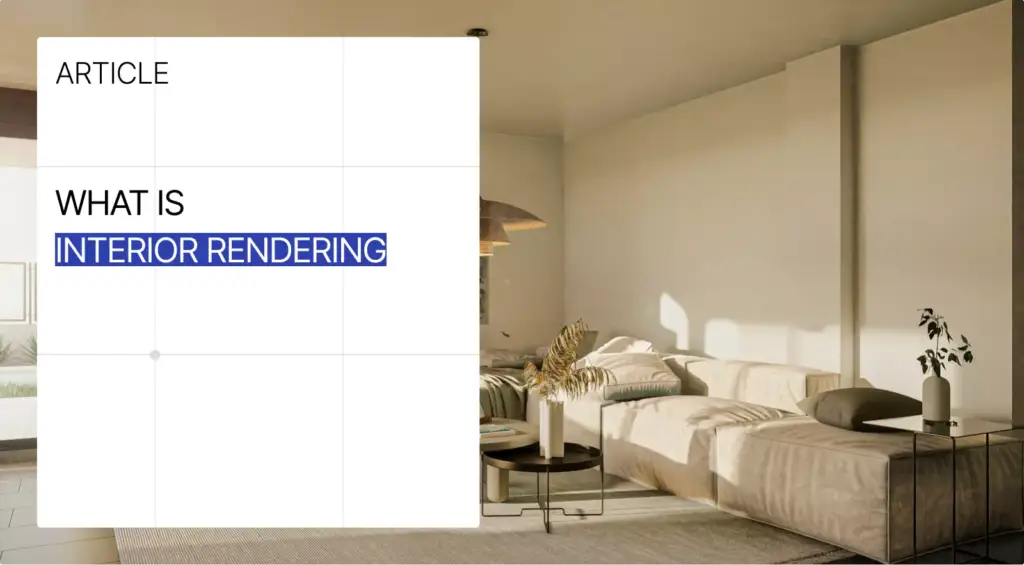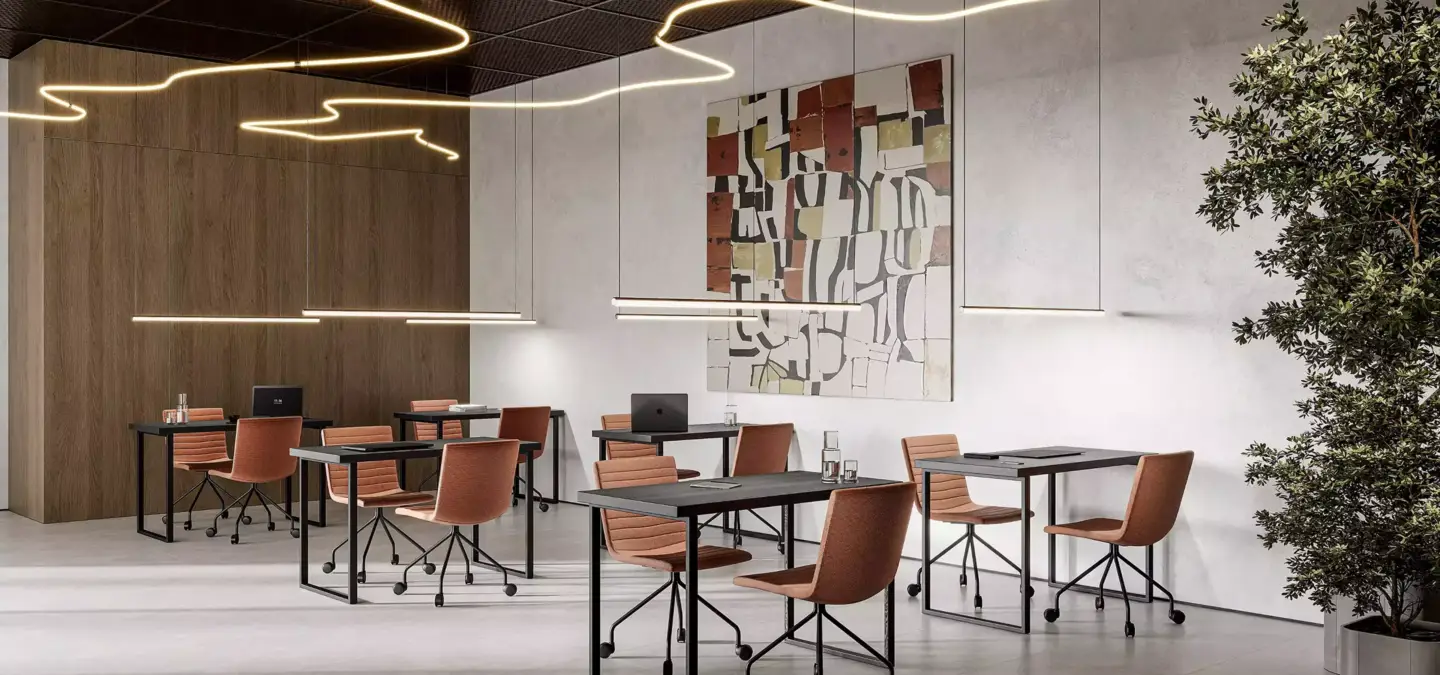
In exterior vs. interior rendering, the simplest difference is where the viewer’s decision begins. Exterior rendering shows a building from the outside, so viewers can judge the facade and massing while seeing how the project meets its landscape and site context. Interior rendering shows how rooms feel and function inside through layout, furniture, finishes, lighting, materials, and atmosphere. For a deeper look at the indoor side, read what is interior rendering.
Want to apply this in a real project without managing the technical stack? Our studio delivers architectural 3D rendering services and full 3D modeling and visualization production for clients across residential, commercial, and product sectors. Exterior views are also central to commercial rendering projects.
The right choice depends on the project goal, not only on what looks impressive. Exterior renderings are often stronger for planning approvals, investor decks, site marketing, and first impressions, while interior renderings are better for selling lifestyle, livability, finish quality, and buyer emotion. For most real estate developments, the smartest answer is not “either/or” but choosing the right mix by project stage, audience, and the decision each visual must support.
Exterior vs. Interior Rendering: The Key DifferenceExterior vs. Interior Rendering: The Key Difference
Exterior rendering focuses on the building’s outside appearance and the context around it. Interior rendering focuses on the experience inside the space and how people will use it. One helps viewers understand scale, architecture, location, facade, landscape, and curb appeal, while the other helps them understand comfort, layout, materials, lighting, and lifestyle. Both are subtypes of architectural rendering.
The main difference between exterior and interior rendering is the decision each visual helps support. Exterior renderings sell the building’s presence and context, while interior renderings sell the experience, usability, and atmosphere of the space. Developers should treat them as separate commercial tools, not as interchangeable design images.
What Is Exterior Rendering?What Is Exterior Rendering?
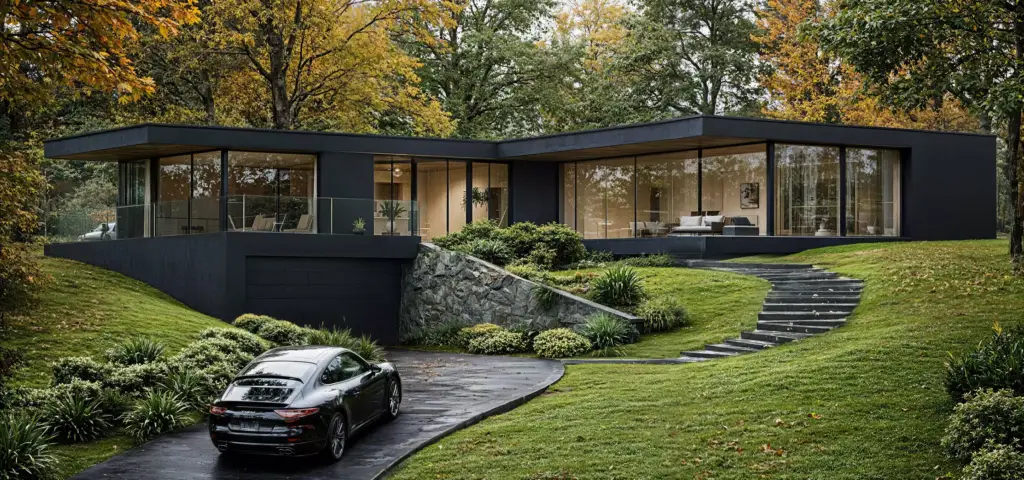
An exterior rendering is a visual representation of the outside of a building before it is built, renovated, or marketed. It can be created from architectural drawings, 3D models, design references, and site information. For developers, it is often the first image that makes a project feel real to buyers, investors, planning teams, and public stakeholders.
What Exterior Rendering Shows
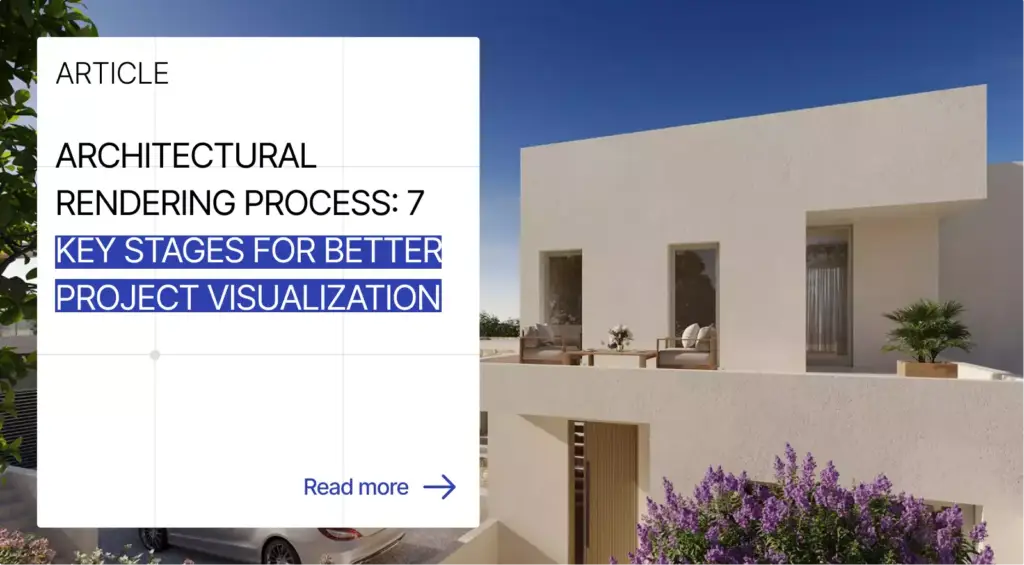
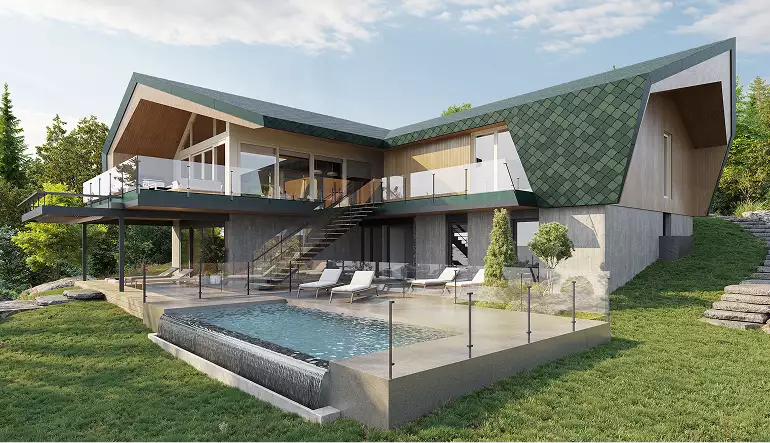
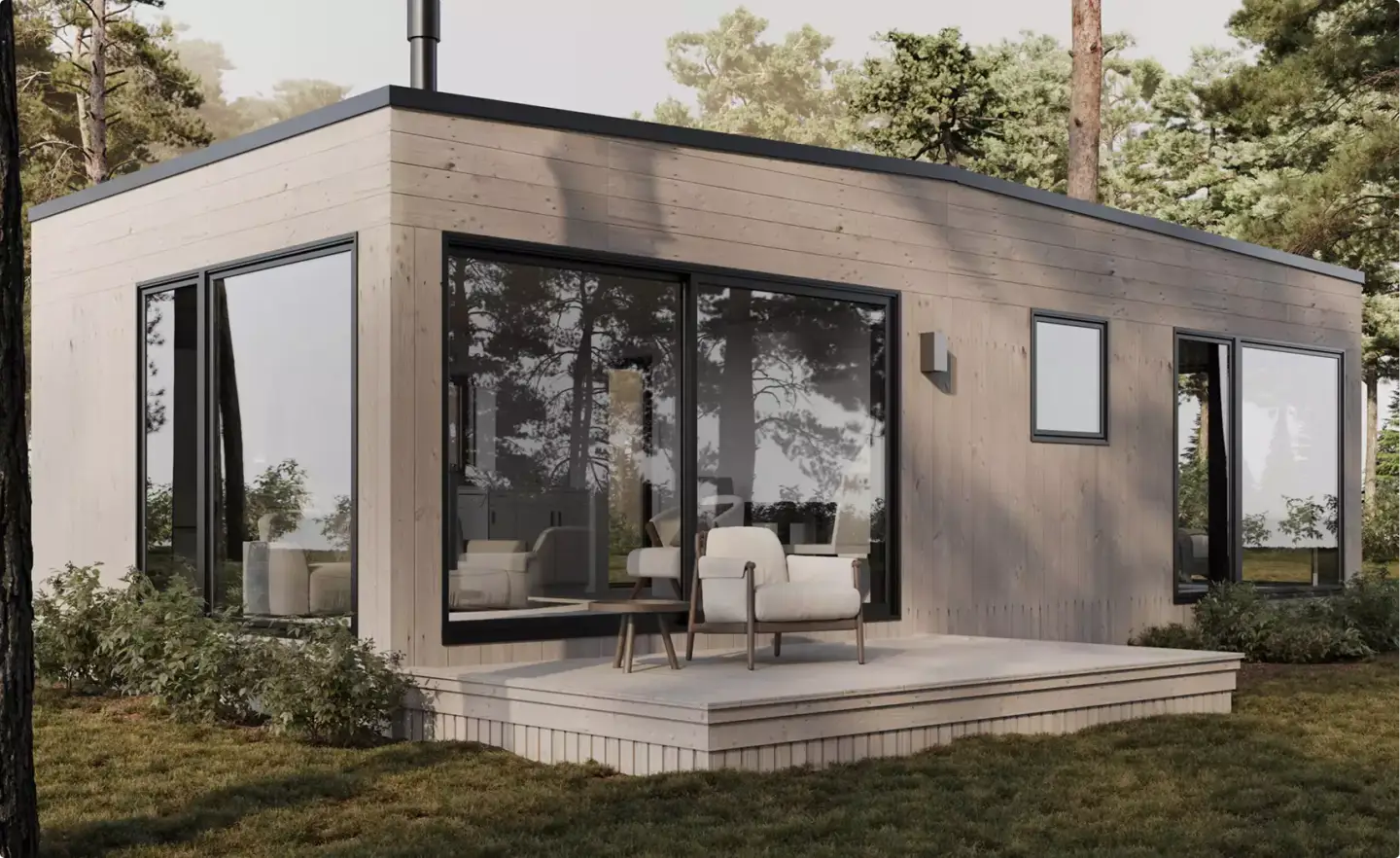
A strong exterior render explains the architectural form before anyone steps inside the project. It shows the facade, roofline, windows, entry sequence, building volume, and relationship between major exterior elements. For teams preparing launch visuals or planning material, exterior 3D rendering helps turn technical design information into a clear image people can evaluate quickly.
The surrounding environment matters because buildings are judged in context. Exterior visuals can show neighboring streets, sidewalks, parking access, public realm features, and landscape treatment. They can also control daylight, weather, season, and time of day to show the project at its most persuasive and realistic.

When Exterior Rendering Is Most Useful
Exterior rendering is most useful when the audience needs to understand what the project will look like from the outside. It is especially valuable for planning and zoning approvals, investor presentations, pre-construction marketing, architectural competitions, and website hero visuals. Large residential developments, commercial buildings, and mixed-use projects often depend on exterior visuals because the building’s presence is part of the value proposition.
This type of rendering also works well for brochures, billboards, sales centers, and early public communication. It gives viewers a fast answer to the question, “What will this development look like here?” That answer is critical when a project’s credibility depends on scale, street presence, facade quality, and fit with the neighborhood.
What Is Interior Rendering?What Is Interior Rendering?
An interior rendering is a visual representation of rooms, shared spaces, or private areas before they exist physically. It helps viewers understand not only how a space is arranged but also how it may feel in daily use. For buyers and tenants, this can be the difference between reading a floor plan and imagining a future home, office, hotel room, or retail environment.
What Interior Rendering Shows
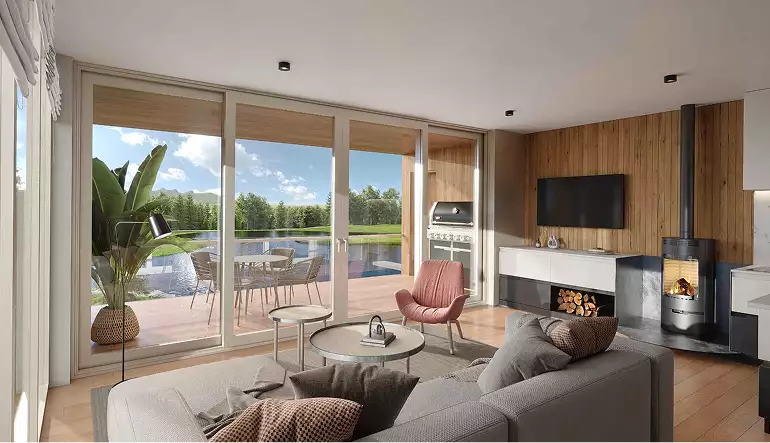
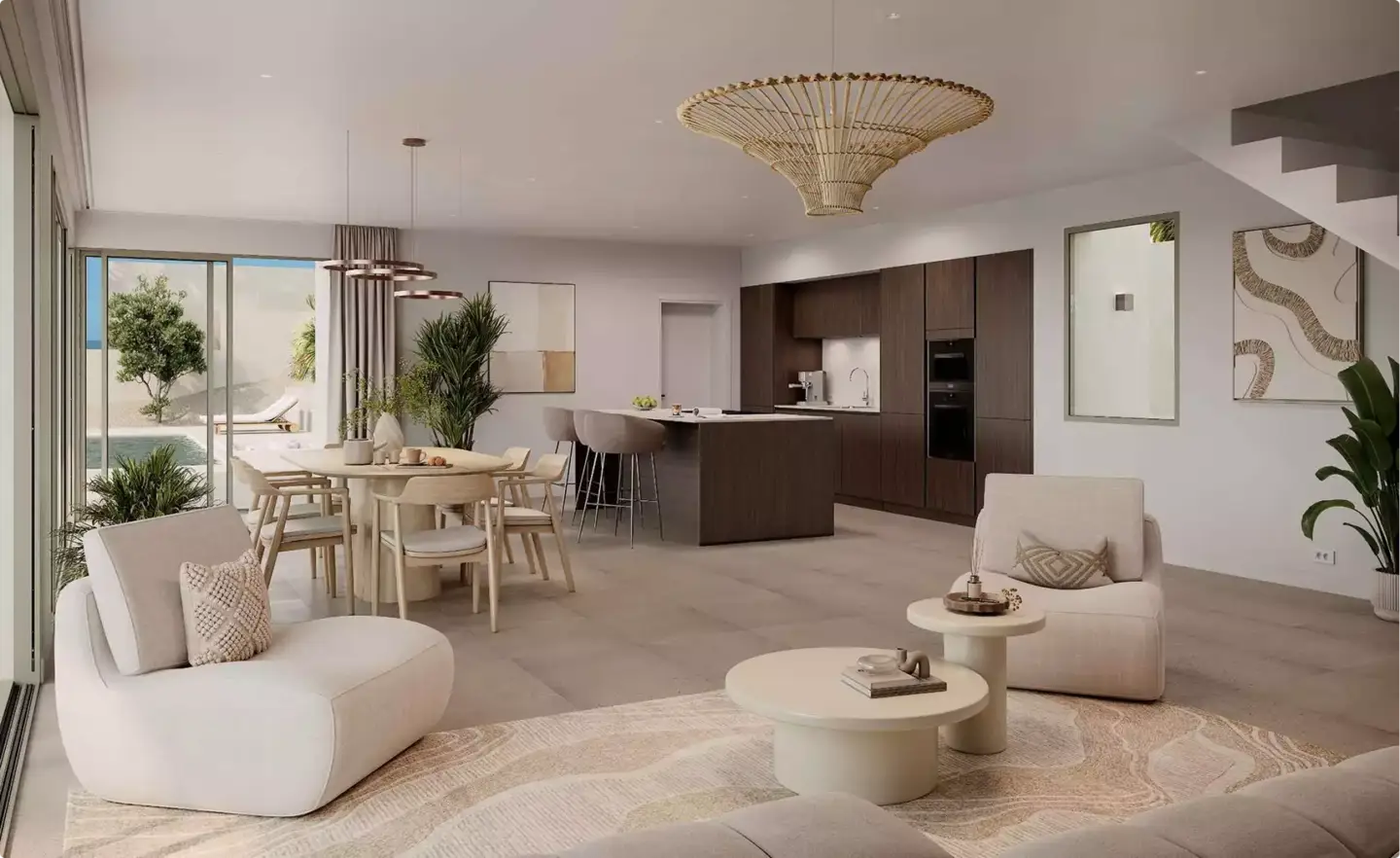
Interior rendering shows layout, furniture placement, lighting design, material choices, textures, finishes, circulation, and mood. It can make a compact apartment feel efficient, a lobby feel premium, or a hospitality space feel calm and desirable. When finish quality and lifestyle are major selling points, interior 3D rendering allows a team to show the value that drawings alone cannot communicate.
The best interior visuals do more than place furniture inside a modeled room. They clarify how people move through space, where natural and artificial light matters, and how surfaces support the intended atmosphere. This makes interior rendering useful for sales, design validation, client approvals, and preventing misunderstandings before construction or fit-out begins.
When Interior Rendering Is Most Useful
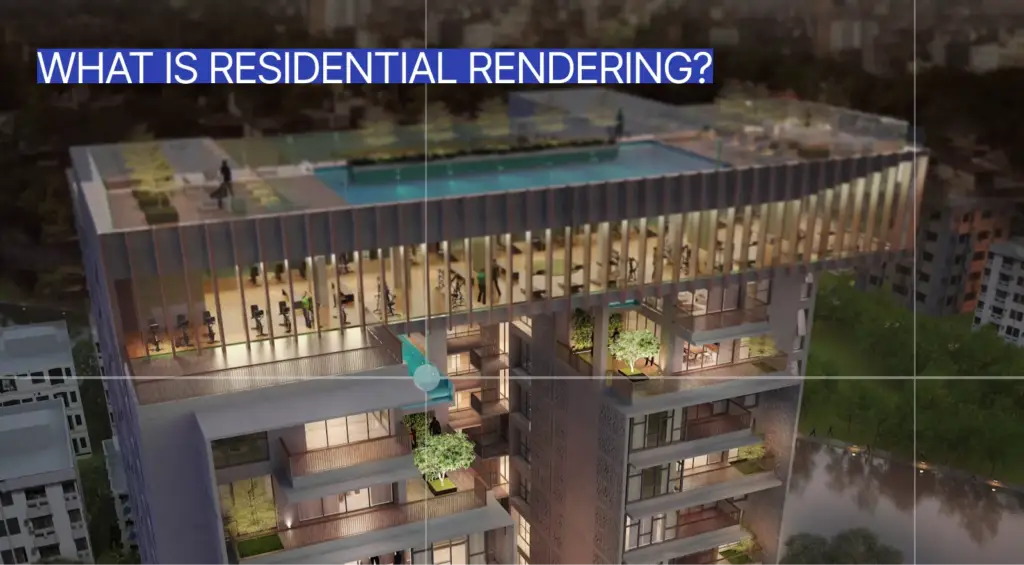
Interior rendering is most useful when the audience needs to feel the experience of the space before making a decision. It is especially important for selling apartments or homes off-plan, presenting premium finishes, testing design concepts, and supporting buyer-facing marketing. For housing campaigns, residential rendering can help prospects understand livability before the property is finished.
Interior visuals are also valuable for hospitality, retail, and workplace projects where atmosphere directly affects perceived value. They help buyers and tenants understand whether a space feels comfortable, functional, refined, or aligned with their expectations. In commercial leasing or branded environments, the interior often becomes the emotional proof behind the project’s positioning.

Exterior vs. Interior Rendering Comparison Table
A direct comparison helps clarify why both rendering types matter, even when they serve different goals. The wrong choice can leave a project visually attractive but commercially incomplete. The right choice gives each audience the information they need at the moment they need it.
| Factor | Exterior Rendering | Interior Rendering |
| Main focus | Building exterior, facade, site, context | Rooms, layout, finishes, atmosphere |
| Best for | Approvals, investors, marketing, first impression | Buyer emotion, lifestyle, usability, interior design |
| Key visual elements | Architecture, landscape, surroundings, daylight | Furniture, materials, lighting, decor, scale |
| Audience | Planners, investors, buyers, public stakeholders | Buyers, tenants, designers, sales teams |
| Project stage | Concept, approval, launch marketing | Sales, design development, buyer decision |
| Main risk if missing | Project feels abstract or disconnected from site | Buyers struggle to imagine living or working inside |
The best way to compare interior and exterior renderings is to consider their intended audience. Exterior images show what the building looks like and how it fits into its surroundings. Interior designs are intended to inspire viewers to imagine themselves living, working, staying, or shopping there.
Exterior and interior renders are not competitors. They are different parts of the same visual argument, and each supports a different decision. A complete campaign usually needs both, but a focused stage-specific package may start with one.
Which Rendering Do You Need for Your Project?Which Rendering Do You Need for Your Project?
The right rendering depends on the project stage, audience, and commercial pressure around the decision. A planning board does not need the same visuals as a buyer choosing between two off-plan apartments. A property marketer preparing launch ads will also need different assets than an architect explaining design intent to a client.
From our studio — A developer really needs both. Think of buying a car: you want to see how it looks from the outside and how it feels inside before you decide. A home is the same. The exterior sells the building and everything around it — the surroundings, the infrastructure; the interior shows how someone will actually live there. The most common mistake we see is ordering only one, because the client assumes the other half isn’t needed — when it really is.
Dim Kuzmenko, Founder, Maverick Frame
When to Choose Exterior Rendering
Pick exterior rendering when you need to show the full building and the project is still in approval, funding, or early marketing. It is the stronger choice when location, facade, massing, landscape, access, and site context carry the main message.
Exterior visuals are especially useful when curb appeal supports pricing, brand perception, or neighborhood acceptance. They can make a proposal feel more grounded because stakeholders see the development in relation to its surroundings. When marketing depends on architectural presence, exterior rendering usually comes first.
When to Choose Interior Rendering
Go with interior rendering when buyers need to understand room function, layout, finish quality, and lifestyle. It is the stronger choice when furniture, lighting, material selection, or spatial flow influence the decision. It is also essential when emotional connection matters more than site context.
Interior visuals are particularly valuable for homes, apartments, hospitality suites, office interiors, retail areas, and amenity spaces. They show what a buyer or tenant will experience after the exterior promise gets their attention. When a campaign must turn interest into inquiries or reservations, interior rendering becomes a sales asset rather than a design extra.
When Developers Need Both
Choose both when the project is being sold before construction and the audience needs confidence from more than one angle. Investors need to understand the building’s credibility, while buyers need to understand the experience behind the offer. If a development has strong architecture and strong lifestyle value, showing only one side weakens the story.
Both rendering types are also useful when multiple audiences are involved. Planners may care about the facade and site impact, while buyers focus on kitchens, living areas, bedrooms, and shared amenities. Sales agents, brokers, investors, and marketing teams all benefit from a complete visual package that answers their most common objections.
Which Renderings Do Developers NeedWhich Renderings Do Developers Need
Developers asking which renderings do developers need should begin with the decision they want to influence. A concept meeting needs clarity, an approval process needs context, an investor pitch needs confidence, and a sales launch needs emotional conversion. That is why 3D visualization for real estate developers should be planned around the project stage rather than ordered as a random set of attractive images.
Early Concept Stage
At the early concept stage, developers usually need visuals that communicate scale, feasibility, and overall direction. A basic exterior view and a massing render can make the architectural idea easier to discuss with partners. A simple site plan or aerial context view can also help the team judge access, orientation, and land use before committing to expensive detail.
The goal is not to create final marketing images yet. Early renderings should be clear enough to support decisions without over-polishing unresolved design elements. This protects the budget while giving stakeholders a shared visual reference.
Planning and Approval Stage
At the planning and approval stage, exterior context becomes more important because stakeholders need to understand impact. Street-level exterior renderings can show height, facade rhythm, entrances, and the relationship to neighboring properties. Aerial renderings and landscape views can make circulation, public realm improvements, and site integration easier to evaluate.
These visuals should be accurate, calm, and credible rather than overly dramatic. Planning audiences are often skeptical of images that feel too promotional. A good approval-stage package helps explain design intent without making the project look disconnected from its real environment.
Investor and Funding Stage
At the investor and funding stage, renderings must make the project feel credible, marketable, and financially understandable. A hero exterior image can establish the project’s identity, while an aerial render can explain scale and location. Selected interior lifestyle images can show the revenue logic behind unit mix, amenities, or premium positioning.
For offices, retail, hospitality, and mixed-use assets, commercial 3D rendering services can help connect design intent with tenant appeal. Investors often need to see why the project will attract demand, not just how it will look. The best funding visuals make the development easier to believe in and easier to explain.
Presales and Marketing Stage
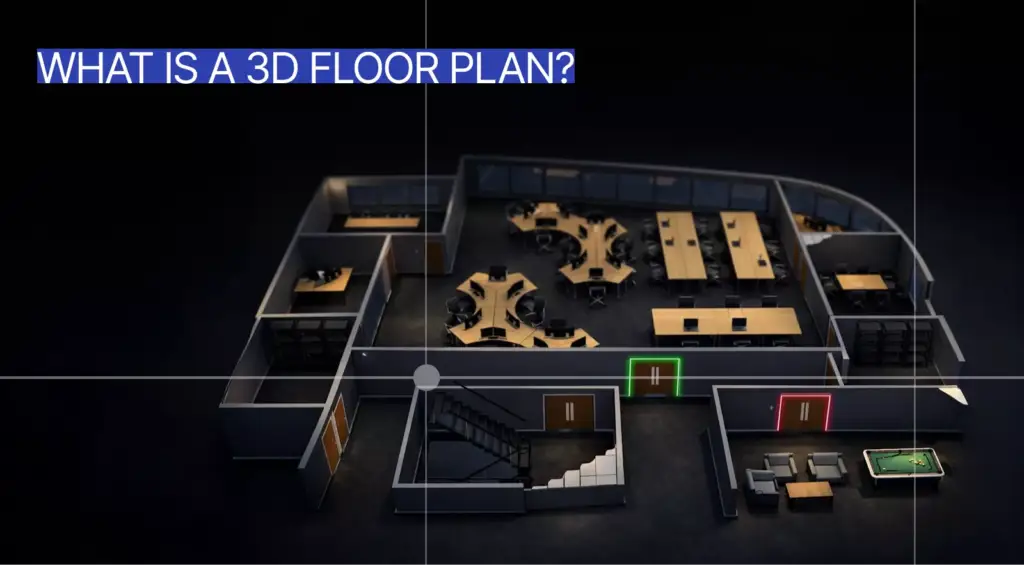
At the presales and marketing stage, renderings must turn interest into action. A strong exterior hero image can attract attention, while interior living, kitchen, bedroom, and amenity visuals help prospects evaluate daily life. Floor plans and a virtual walkthrough can support deeper consideration when buyers are comparing options.
This is where real estate rendering becomes part of the sales system rather than a one-time design deliverable. The visuals should align with brochures, landing pages, paid ads, listing platforms, and sales conversations. Consistency matters because buyers build trust through repeated exposure to the same project story.
Premium or Large-Scale Developments
Premium and large-scale developments usually need a full rendering package because they sell to more audiences across more channels. A complete set may include exterior day and dusk views, multiple unit interiors, amenity spaces, aerial views, 3D site plans, animation, or a virtual tour. The goal is to support agents, investors, buyers, and marketing teams without forcing one image to do too much.
Large campaigns also benefit from visual hierarchy. The exterior hero image may lead the campaign, while interior and amenity visuals carry the emotional details. Supporting plans and walkthroughs then help buyers move from curiosity to confidence.

Exterior and Interior Rendering in the Sales Funnel
Renderings are marketing assets, not just design visuals. Their role changes as prospects move from first awareness to serious evaluation. A good visual strategy matches the image type to the buyer’s stage in the funnel.
Top of Funnel: Attention and First Impression
At the top of the funnel, the project needs to be noticed quickly. Exterior hero images, aerials, and facade views are powerful because they communicate identity at a glance. They work well on websites, ads, signage, brochures, and investor decks because the building’s presence is immediately visible.
These images should be simple to understand and strong enough to anchor the campaign. A crowded image can dilute the first impression, especially when the viewer is scrolling or comparing several projects. The best top-funnel renderings make the development look real, desirable, and worth investigating.
Middle of Funnel: Understanding and Trust
In the middle of the funnel, prospects need to understand how the project works. Site plans, floor plans, exterior context views, and amenity renderings help reduce uncertainty. For architects and design teams, 3D rendering for architecture and design studios can also support clearer client presentations before final decisions are locked.
This stage is where trust is built through clarity. Buyers begin asking practical questions about access, orientation, room size, views, and shared spaces. Renderings should answer those questions instead of only repeating the most beautiful angle.
Bottom of Funnel: Emotional Conversion
At the bottom of the funnel, interior lifestyle visuals often carry the decision. Kitchens, living areas, bedrooms, lobbies, lounges, and amenity interiors help buyers imagine ownership or use. Walkthroughs can strengthen this effect because they make the space feel continuous instead of fragmented.
The closer the buyer gets to commitment, the more specific the visuals need to become. Generic decor, vague finishes, or unrealistic furniture can weaken confidence at the exact moment the sales team needs certainty. Strong bottom-funnel visuals make the purchase feel tangible before construction is complete.
Common Mistakes When Choosing Renderings
A common mistake is ordering only exterior renders when the campaign also needs lifestyle visuals. The building may look impressive, but buyers can still struggle to imagine daily life inside it. This is especially risky for residential, hospitality, and premium rental projects where emotion influences value perception.
Another mistake is ordering only interiors when approvals or site context are still unresolved. Beautiful rooms cannot explain how a building fits into a neighborhood, how access works, or why the facade belongs on the site. For early-stage developments, ignoring context can slow stakeholder understanding and make the project feel abstract.
Developers also lose value when they choose views that look beautiful but do not answer sales questions. Unrealistic styling, generic furniture, and mismatched buyer demographics can create a gap between the image and the actual market. Renderings should align with brochures, websites, ads, and sales team needs so every visual supports the same commercial story.
How to Brief a Rendering StudioHow to Brief a Rendering Studio
A good rendering brief starts with the project type, location, target audience, and current stage. It should explain whether the visuals are needed for approvals, investors, presales, or a full campaign. This context helps the studio choose camera angles, mood, level of detail, and the right balance between design accuracy and marketing appeal.
From our studio — The bigger mistake is letting someone who doesn’t really understand renders write the brief. We’ve seen a developer hand it to an assistant who collects a few quotes from different studios and then forwards that around as the spec — and ends up asking for an illogical number of views, more or less than the project actually needs. Don’t outsource the brief to someone who can’t judge it. Tell us the project and the stage, and we’ll tell you how many angles it really takes.
Dim Kuzmenko, Founder, Maverick Frame
The brief should also identify must-show architectural features and the views that matter most. Developers should provide materials, finish schedules, landscape information, furniture direction, and mood references whenever those details are available. Clear references reduce guesswork and make the final renderings more commercially useful.
Practical production details matter as much as creative direction. The brief should define output formats, deadlines, review responsibilities, and the revision process before work begins. The clearer the brief, the fewer revisions the team usually needs, and the more useful the final images become for sales, approvals, and marketing.
Exterior vs. Interior Rendering: The Best Choice for Developers
If you need to explain the building, start with exterior rendering. If you need to sell the experience, add interior rendering. If the project is a real estate development being sold before construction, both are usually needed because buyers and stakeholders need different kinds of proof.
When the budget is limited, prioritize by project stage. Approvals usually need exterior and context visuals, while presales need an exterior hero image plus key interior lifestyle renders. Premium campaigns need a broader package because one visual cannot support every investor, buyer, agent, and marketing requirement.
The best decision is not based on which rendering type looks more impressive. It is based on the audience, the unanswered question, and the business outcome the image must support. Not sure whether your project needs exterior renders, interior renders, or a full visualization package? Send your plans and project stage, then request a custom architectural rendering quote for the most effective rendering set.

Turn Ideas Into Visual Stories
FAQ about exterior vs interior rendering
What is the main difference between exterior and interior rendering?
Exterior rendering shows the outside of a building, including the facade, landscape, site context, lighting, and surroundings. Interior rendering shows the inside of a space, including layout, furniture, materials, lighting, finishes, and atmosphere. The easiest way to separate them is by purpose: exterior renderings help people understand the building’s presence and context, while interior renderings help them imagine how the space will feel and function.
Is exterior rendering or interior rendering more important?
Neither is universally more important because each supports a different decision. Exterior rendering is more important when the goal is approvals, investor confidence, site marketing, or showing the architectural concept. Interior rendering is more important when the goal is buyer emotion, lifestyle, space planning, and presales.
Which renderings do real estate developers need?
Most developers need at least one strong exterior rendering, several key interior renderings, and supporting visuals such as floor plans, site plans, aerial views, or amenity renders. The exact package depends on the project stage and the audience being addressed. Early-stage projects may only need exterior and site context visuals, while presales campaigns usually need exterior hero images, interior lifestyle renders, amenity visuals, and floor plans.
When should a developer use exterior rendering?
A developer should use exterior rendering when the project’s architecture, location, scale, facade, landscape, or site context need to be communicated clearly. Exterior renderings are especially useful for planning approvals, investor decks, brochures, websites, signage, and pre-construction marketing. They help stakeholders see what the finished building will look like before construction begins and how it will fit into the surrounding environment.
When should a developer use interior rendering?
A developer should use interior rendering when buyers, tenants, or investors need to understand the experience inside the property. Interior renders are useful for showing room layouts, finishes, lighting, furniture, amenities, and lifestyle. They are especially important for residential, hospitality, retail, and office projects where emotional appeal, comfort, and perceived value influence the purchasing or leasing decision.
Do developers need both exterior and interior renderings?
Developers often need both, especially for off-plan sales or larger real estate campaigns. Exterior renderings explain the project from the outside through architecture, scale, surroundings, and first impression. Interior renderings explain the experience inside through lifestyle, functionality, materials, and atmosphere.
What are the main types of architectural rendering?
The main rendering categories include exterior rendering, interior rendering, aerial rendering, site plan rendering, floor plan rendering, amenity rendering, detail rendering, virtual walkthroughs, and animation. Each type serves a different purpose in the development and marketing process. Exterior and aerial visuals explain context and scale, interior visuals show livability, floor plans clarify layout, and walkthroughs create a more immersive experience for buyers or stakeholders.
Can one rendering type be enough for a project?
One rendering type can be enough for a narrow goal, but it is often not enough for a full development campaign. If the goal is planning approval, an exterior or site context render may be sufficient. If the goal is selling apartments before construction, interior renderings become essential because buyers need to imagine the finished space.