Baroque architecture is a highly ornate, theatrical building style that emerged in late-16th-century Rome and spread across Europe and colonial Latin America during the 17th and early 18th centuries. It is defined by dramatic light, curved dynamic forms, lavish ornament, and integrated sculpture, all staged to move the viewer emotionally.
Baroque architecture emerged in late 16th-century Rome as a forceful response to religious conflict, political centralization, and the desire for persuasive public imagery. After the Council of Trent, the Catholic Church increasingly favored art and building campaigns that could clarify doctrine, stir emotion, and reassert authority across a divided Europe. In Italy, and especially in papal Rome, architects transformed inherited Renaissance forms into a more theatrical language that aligned sacred spectacle with rising secular power. Baroque grew directly out of Renaissance architecture.
Baroque Architecture at a GlanceBaroque Architecture at a Glance
| Period | Late 16th to mid-18th century (c. 1580s–1750s) |
| Place of origin | Rome, Italy |
| Evolved from / into | Renaissance → Baroque → Rococo, then Neoclassical |
| Defining features | Movement, dramatic light, curved facades, lavish ornament, integrated sculpture |
| Three phases | Early (c. 1580–1625), High (c. 1625–1675), Late Baroque (c. 1675–1750), shading into Rococo from c. 1730 |
| Famous examples | St. Peter’s Basilica, Palace of Versailles, Melk Abbey, Royal Palace of Caserta |
| Key architects | Bernini, Borromini, Maderno, Wren, Fischer von Erlach |
| Baroque vs Renaissance | Renaissance favors calm balance; Baroque favors directed drama and motion |
The Counter-Reformation and Catholic Church’s Influence
The Catholic Church did not regard building as a neutral shell, because churches were expected to move the faithful as much as they instructed them. In that context, religious architecture became immersive, legible, and emotionally charged, with clear sightlines to the altar, rich decoration, and unified visual programs that supported devotion and ritual. Jesuit churches in particular helped establish a persuasive spatial model in which preaching, imagery, and ceremony operated as one coordinated experience.
Absolutist Monarchies and the Architecture of PowerAbsolutist Monarchies and the Architecture of Power
Baroque design also served rulers who wanted buildings to function as political theater rather than simple residence. Under absolute monarchy, palaces became instruments of hierarchy, choreography, and controlled visibility, directing subjects through axial plans, ceremonial staircases, and carefully staged approaches. Versailles became the clearest example, translating royal authority into built space and proving that grandeur could operate as propaganda in statecraft as effectively as it did in religion.
What Is Baroque Architecture
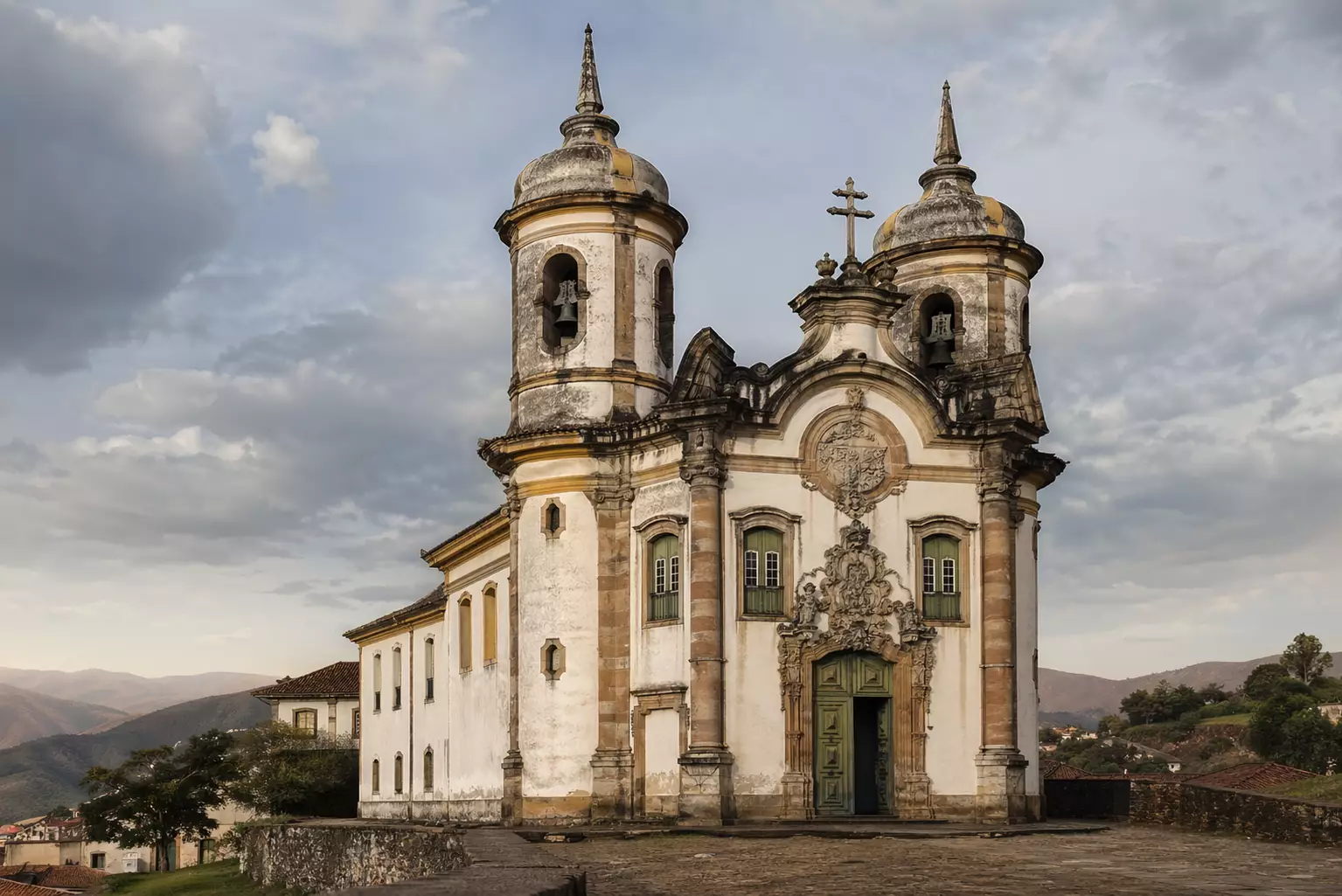
At its core, Baroque definition refers to an architectural style that developed in Italy from the late 16th century and spread widely during the 17th and early 18th centuries. It grew out of Renaissance architecture, but it rejected calm equilibrium in favor of movement, tension, emotional immediacy, and coordinated visual impact across structure, sculpture, painting, and urban space. For readers comparing it with other popular architectural styles, the essential distinction is that Baroque architecture makes buildings feel active, immersive, and directed toward the viewer’s body as well as the viewer’s eye.
Key Characteristics of Baroque ArchitectureKey Characteristics of Baroque Architecture
The most recognizable Baroque elements include monumental scale, swelling walls, layered ornament, sculptural integration, illusionistic ceilings, and deliberate manipulation of light. Facades often appear to advance and recede, interiors unfold in sequences rather than simple rooms, and decoration is rarely applied as surface alone because it is fused into the structure’s symbolic and emotional program. Today, teams use 3D exterior rendering services to study how those dynamic masses, domes, and facades will read from approach views, which helps explain why Baroque architects cared so intensely about first impressions and staged arrival.
Dramatic Use of Light and Space
In Baroque interiors, chiaroscuro in architecture is not just a painterly analogy but a built strategy for shaping attention and mood. Windows are often concealed, filtered, or positioned to strike altars, domes, and chapels selectively, producing gradients of brightness that heighten ceremony and make space feel deeper, less predictable, and more alive. The same principles are easier to analyze today through 3D interior rendering services, which can simulate how controlled light intensifies spatial drama before a building is ever constructed or restored.
Ornamentation and Material Richness
Baroque interiors rely on abundance, yet their richness is usually disciplined by a larger compositional purpose rather than scattered decoration. Colored marble surfaces, gilded moldings, stucco swags, and carved figures create a tactile environment in which architecture and sculpture reinforce one another, making walls seem animated rather than inert. The result is a visual density that suggests both wealth and revelation, especially in churches where material splendor was intended to imply spiritual truth.
Dynamic Forms and Movement
One of the sharpest departures from Renaissance practice appears in the Baroque fascination with unstable geometry and apparent motion. Through curved facades, convex and concave surfaces, elliptical domes, and oval plans, architects replaced static balance with pulsation, so that buildings seem to stretch, compress, and unfold as viewers move around them. These formal choices required technical confidence, but they also expressed a different idea of architecture as dramatic sequence instead of fixed order.
Theatrical and Ornate Designs
Baroque space behaves almost like a stage set, though it is more immersive because the visitor becomes part of the performance. In many churches, theatrical architecture draws the eye from entrance to altar through framing devices, side chapels, sculpture, and ceiling painting, all coordinated to intensify emotional focus. This quality mattered deeply to Catholic patrons, who wanted the building itself to communicate awe, persuasion, and doctrinal confidence before a sermon even began.
Baroque Masters and Their Innovations
No understanding of Baroque architecture is complete without the architects who transformed shared principles into distinct creative methods. Bernini made architecture feel ceremonial and sculptural, Borromini made it elastic and intellectually charged, Carlo Maderno helped define the Roman church facade as a persuasive public screen, and later figures such as Guarino Guarini, Christopher Wren, and Johann Bernhard Fischer von Erlach carried the style into new regional and structural directions. That kind of iterative form-making still matters in advanced concept development, which is why 3D rendering for architecture and design studios is so useful when complex geometry, spatial sequencing, and client presentation all need to work together with precision. It was eventually succeeded by the restrained Neoclassical architecture.
Gian Lorenzo Bernini: Sculptor-Architect
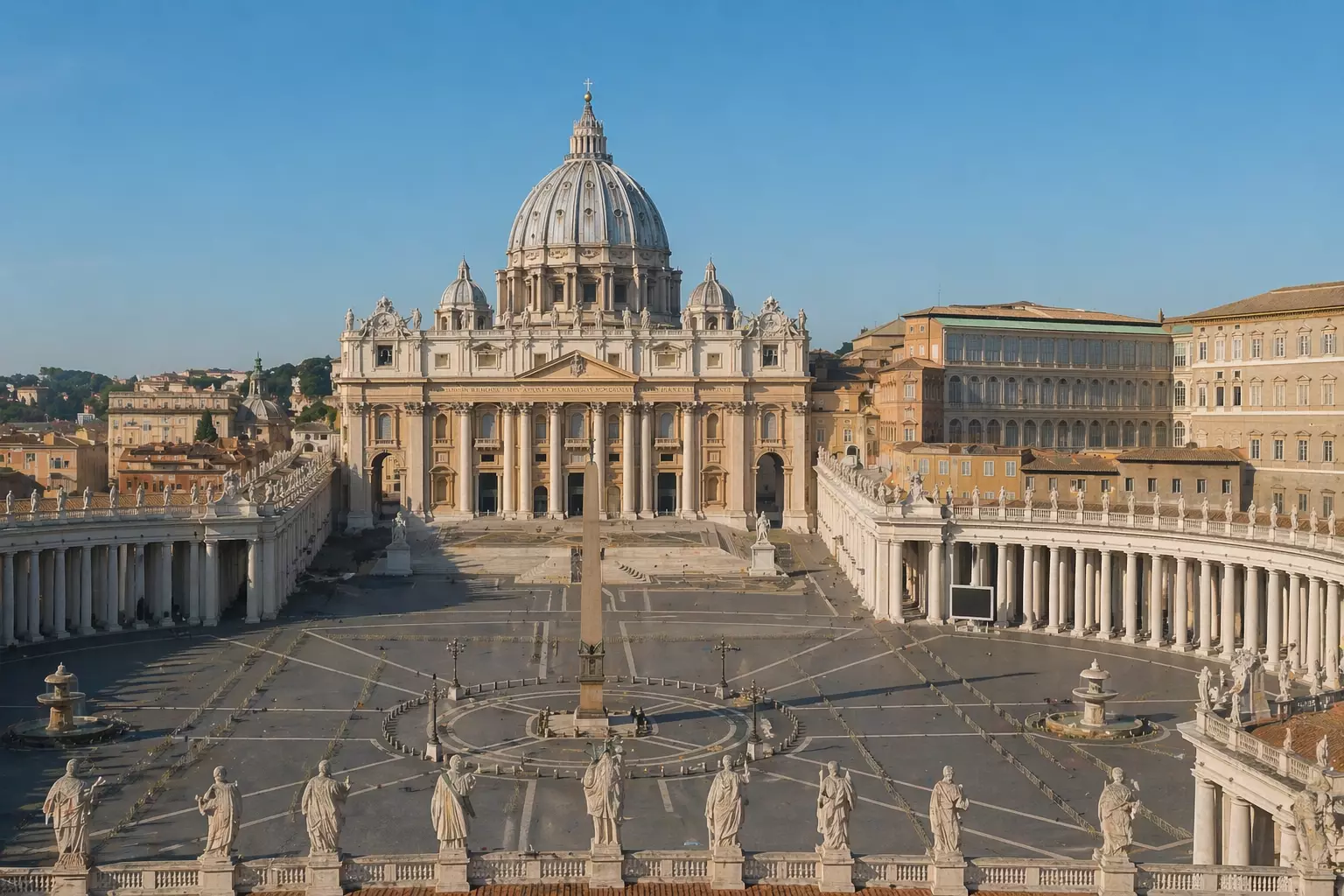
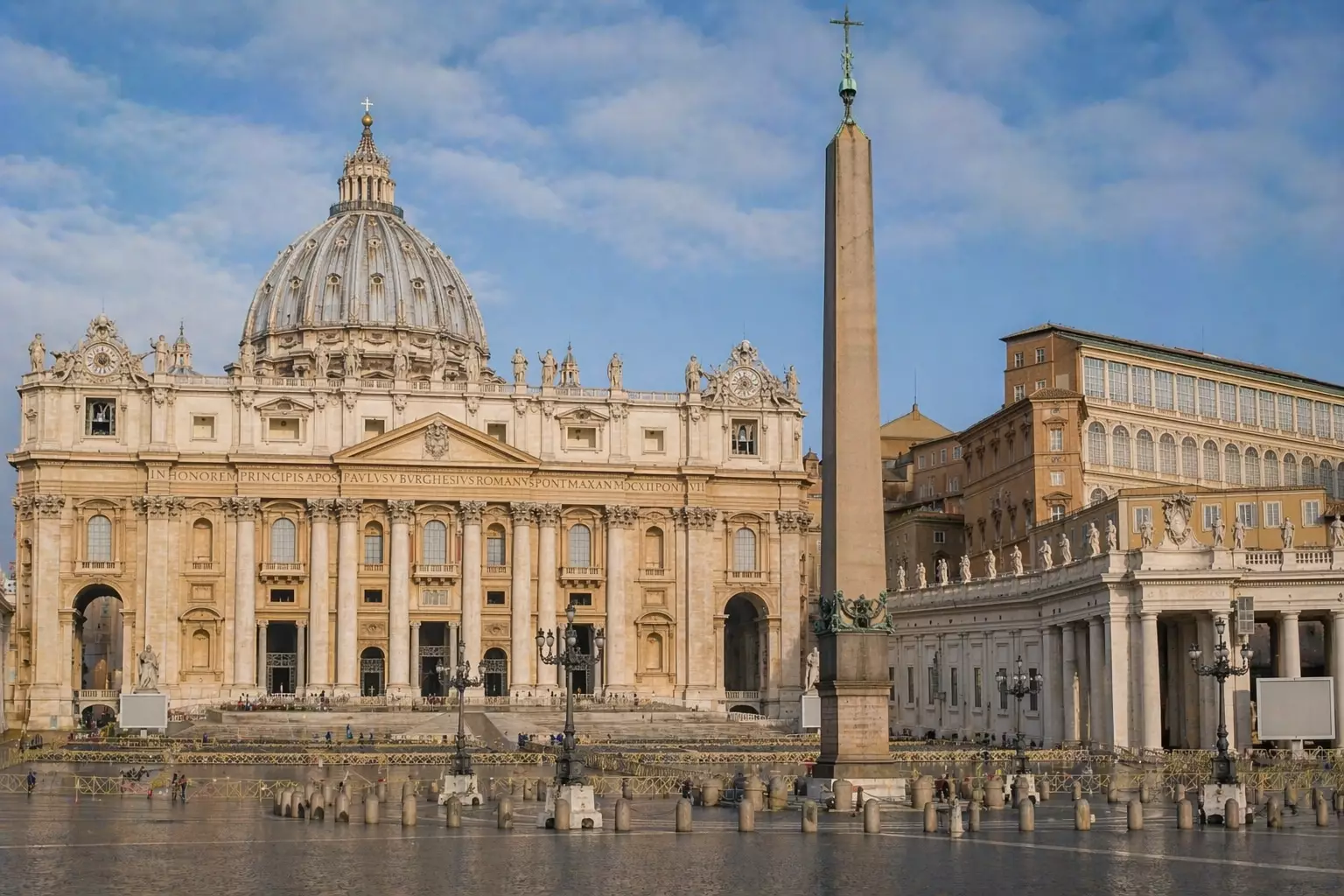
Bernini’s training made him uniquely effective at dissolving the boundary between object and setting, which is why his buildings often feel carved rather than merely assembled. At St. Peter’s he unified space through sculptural architecture, most famously in the Baldacchino over the papal altar and in the embracing colonnades of Piazza San Pietro, where architecture directs movement with the confidence of a choreographer. In Rome and Vatican City, his work defines Baroque grandeur not just by size but by the ability to organize ritual, symbolism, and urban procession into one seamless whole.
Francesco Borromini: The Geometric Innovator
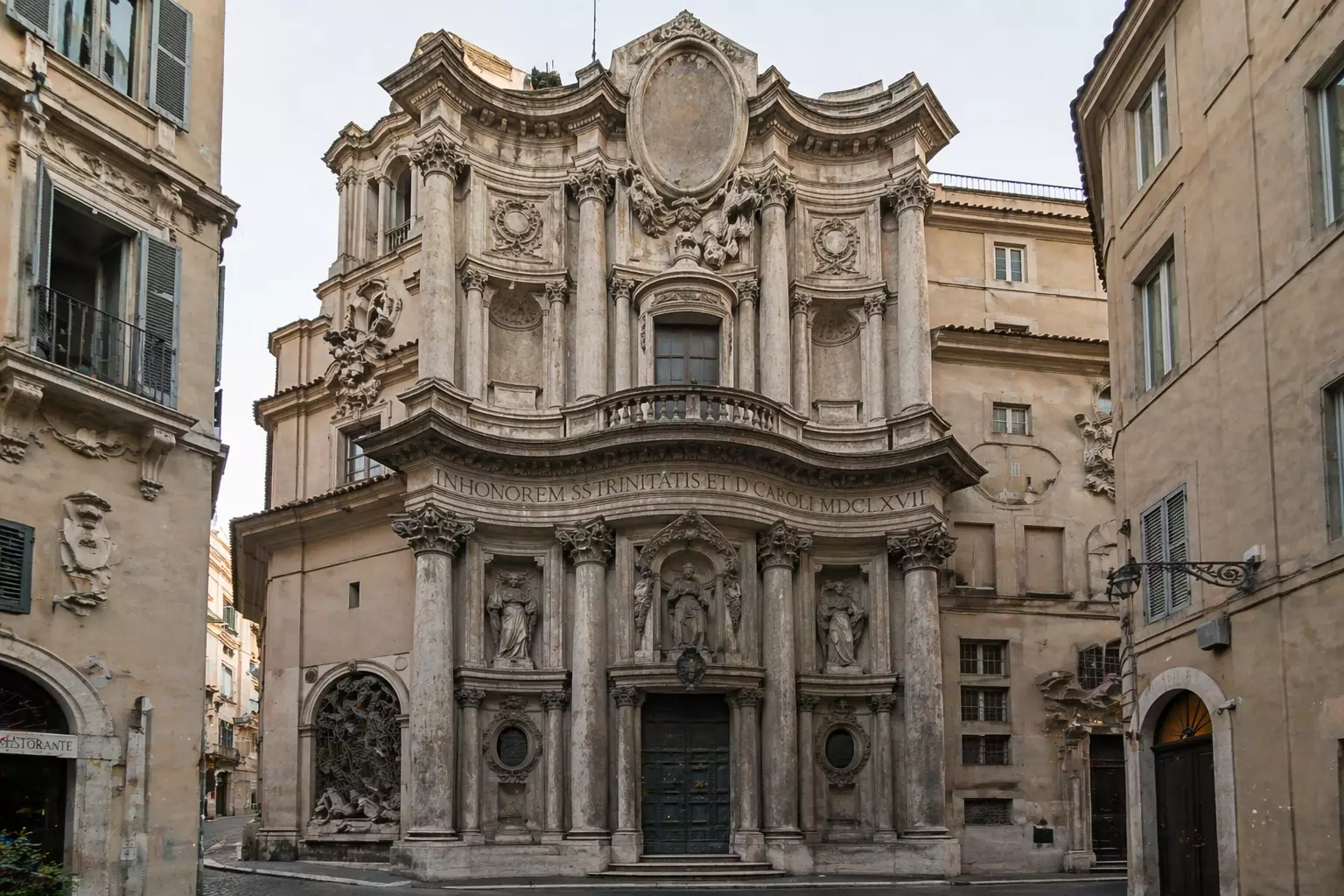
Borromini approached design less as sculptural display than as a problem of spatial intelligence, which makes his buildings feel startlingly modern. At San Carlo alle Quattro Fontane, built on a constrained Roman site, he used interlocking curves, compressed geometry, and an irregular plan to produce a church that feels far larger and more fluid than its footprint suggests. His importance lies in proving that mathematical rigor and emotional intensity were not opposites in Baroque architecture but mutually reinforcing forces.
Other Significant Baroque Architects and Their Contributions
Beyond Rome, master builders translated Baroque principles into distinct national idioms rather than simple copies of Italian precedents. Christopher Wren gave London a more restrained yet unmistakably Baroque monument in St. Paul’s Cathedral, Guarino Guarini pushed geometry into daring structural experiments in Turin, Fischer von Erlach shaped imperial Vienna with a language of Habsburg magnificence, and Louis Le Vau helped define the courtly discipline of Versailles. Together they show that Baroque architecture spread successfully because it was flexible enough to absorb local traditions while preserving its appetite for spectacle and control.
Regional Variations of Baroque Architecture
As Baroque architecture moved beyond Italy, it adapted to different climates, political systems, materials, and religious cultures without losing its appetite for drama. Italian Baroque remained the point of origin and reference, but French classicism tempered exuberance with order, Spanish and colonial traditions intensified surface ornament, and Central Europe developed luminous, expansive church and palace interiors with their own rhythm. The style’s geographic success came from this balance between a shared emotional vocabulary and highly local forms of expression across Europe and overseas territories shaped by empire.
Italian Baroque
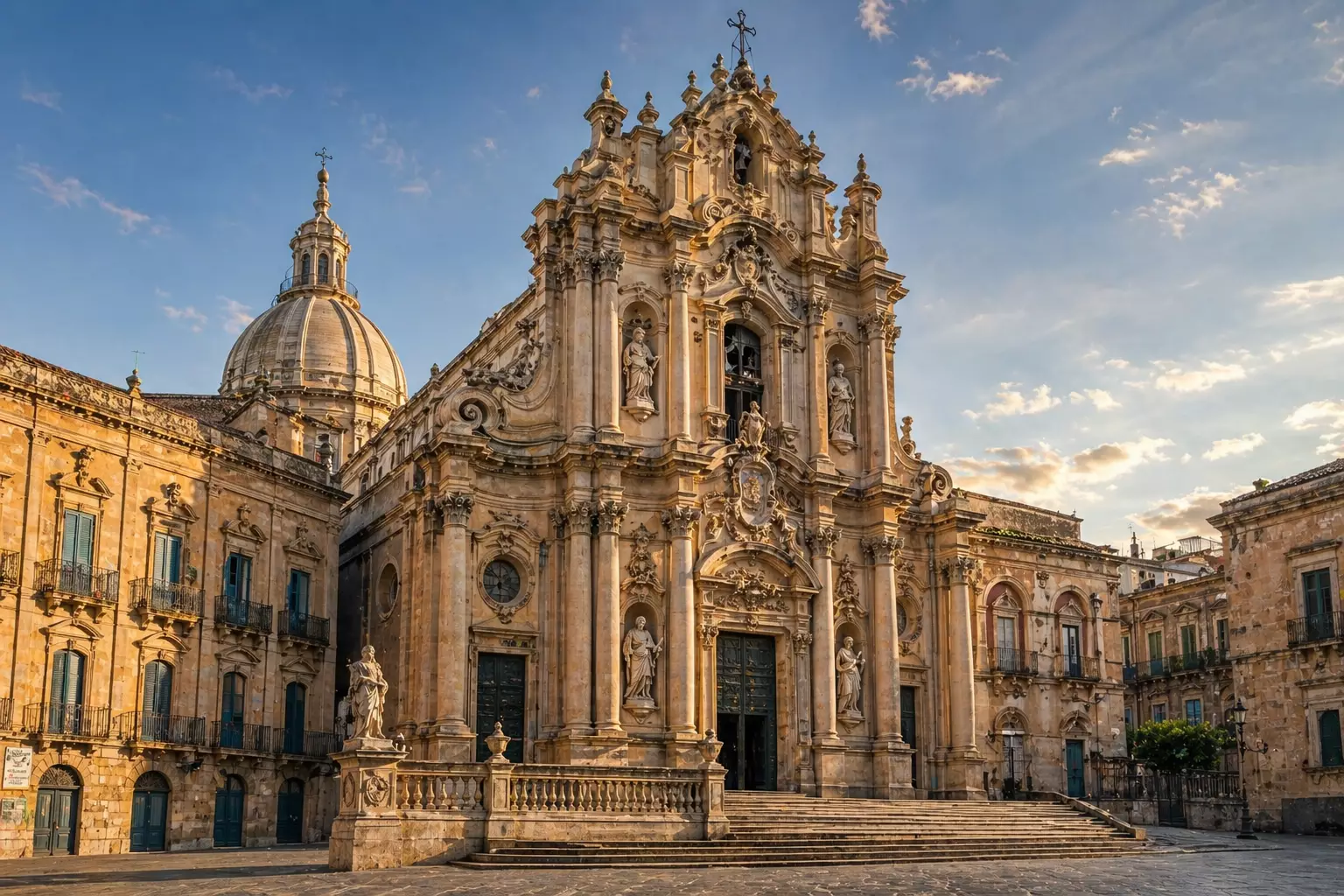
Italy supplied the core grammar of the movement, and Rome supplied its highest-pressure laboratory of experimentation. Roman Baroque combined ecclesiastical patronage, dense urban settings, and papal ambition, producing churches and palaces in which facades, piazzas, domes, and interiors were planned as coordinated experiences rather than isolated objects. Regional variants such as Sicilian Baroque later amplified plasticity and ornament, but the Roman model remained the benchmark from which other interpretations departed.
Spanish and Latin American Baroque
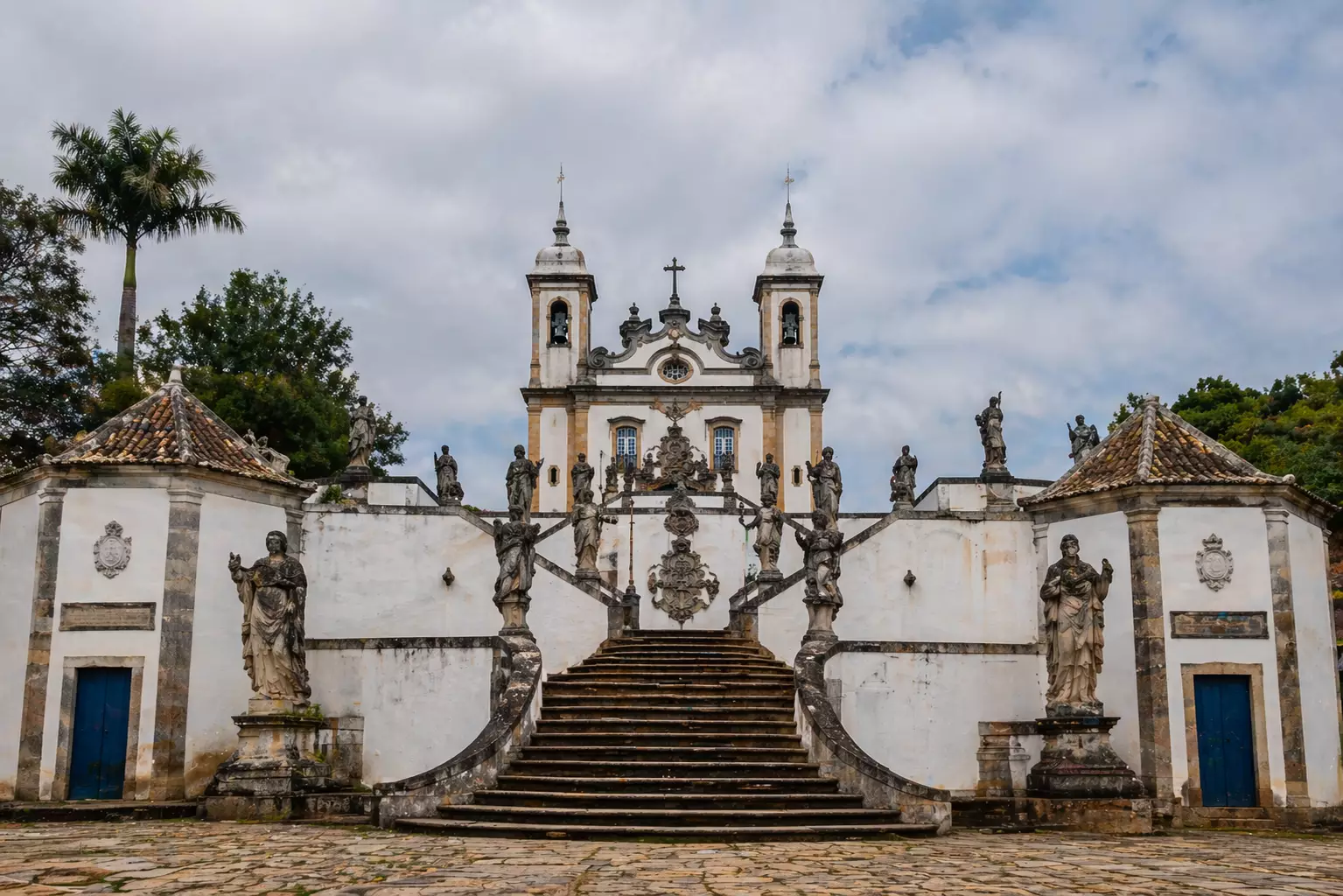
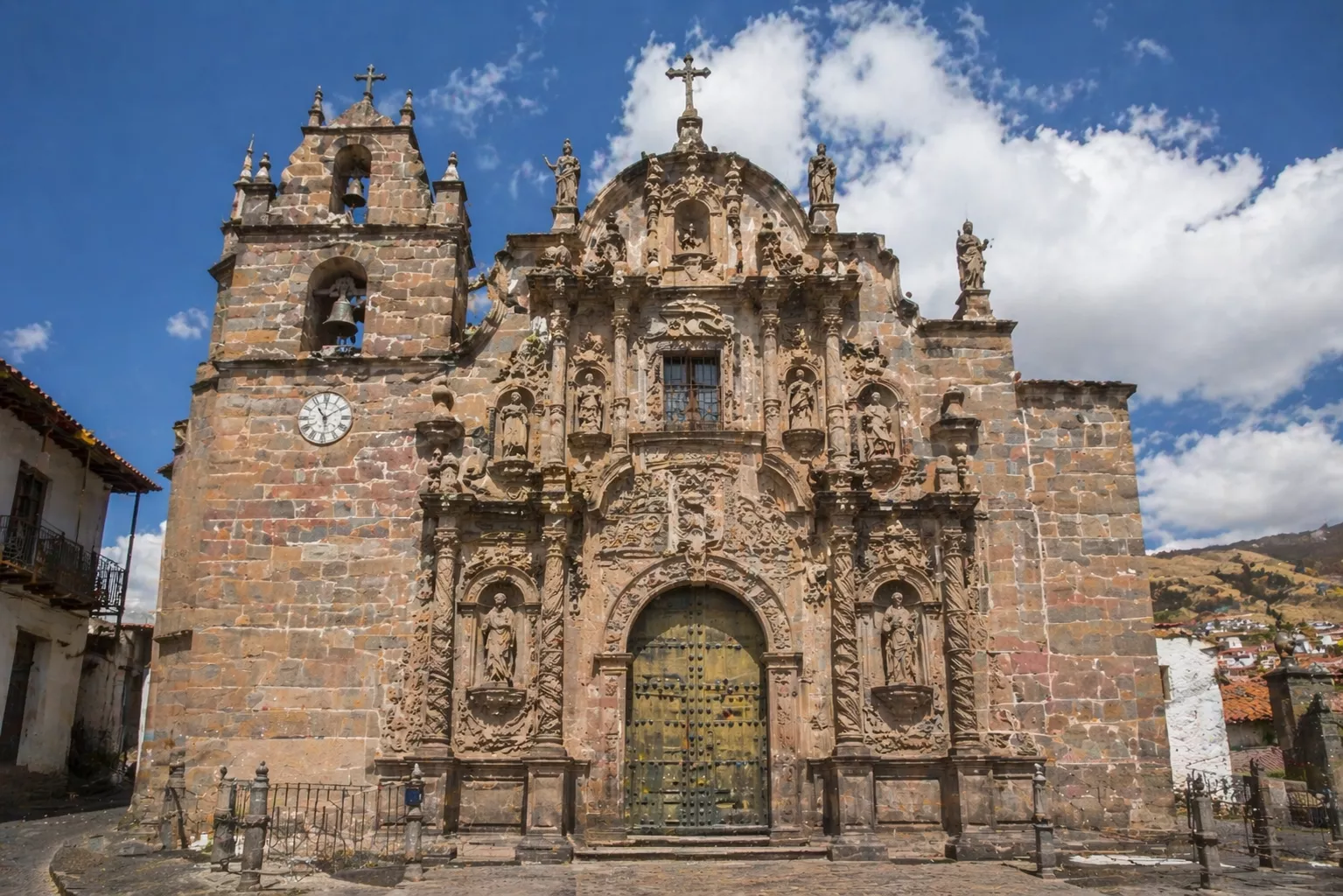
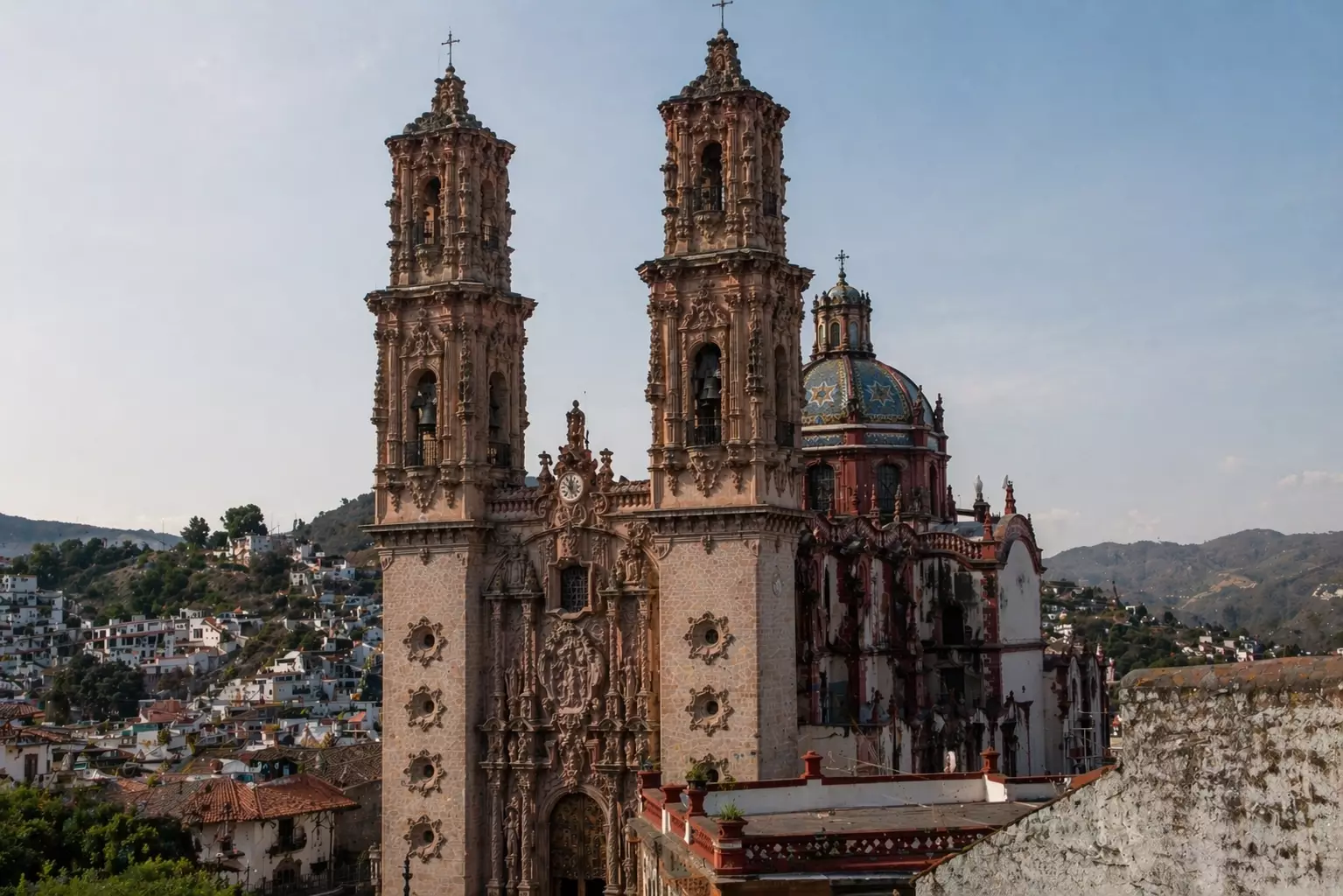
In Spain and the territories of the Spanish Empire, Baroque architecture often became more tactile, more layered, and more visually insistent than its Italian ancestor. The term Churrigueresque describes a late Baroque mode in which broken pediments, dense stucco work, reversed volutes, and packed ornament create facades that seem to vibrate with excess. In colonial Latin America, that exuberance merged with local craftsmanship, regional materials, and indigenous traditions, producing some of the most inventive and distinctive Baroque surfaces anywhere in the world.
Northern European Interpretations
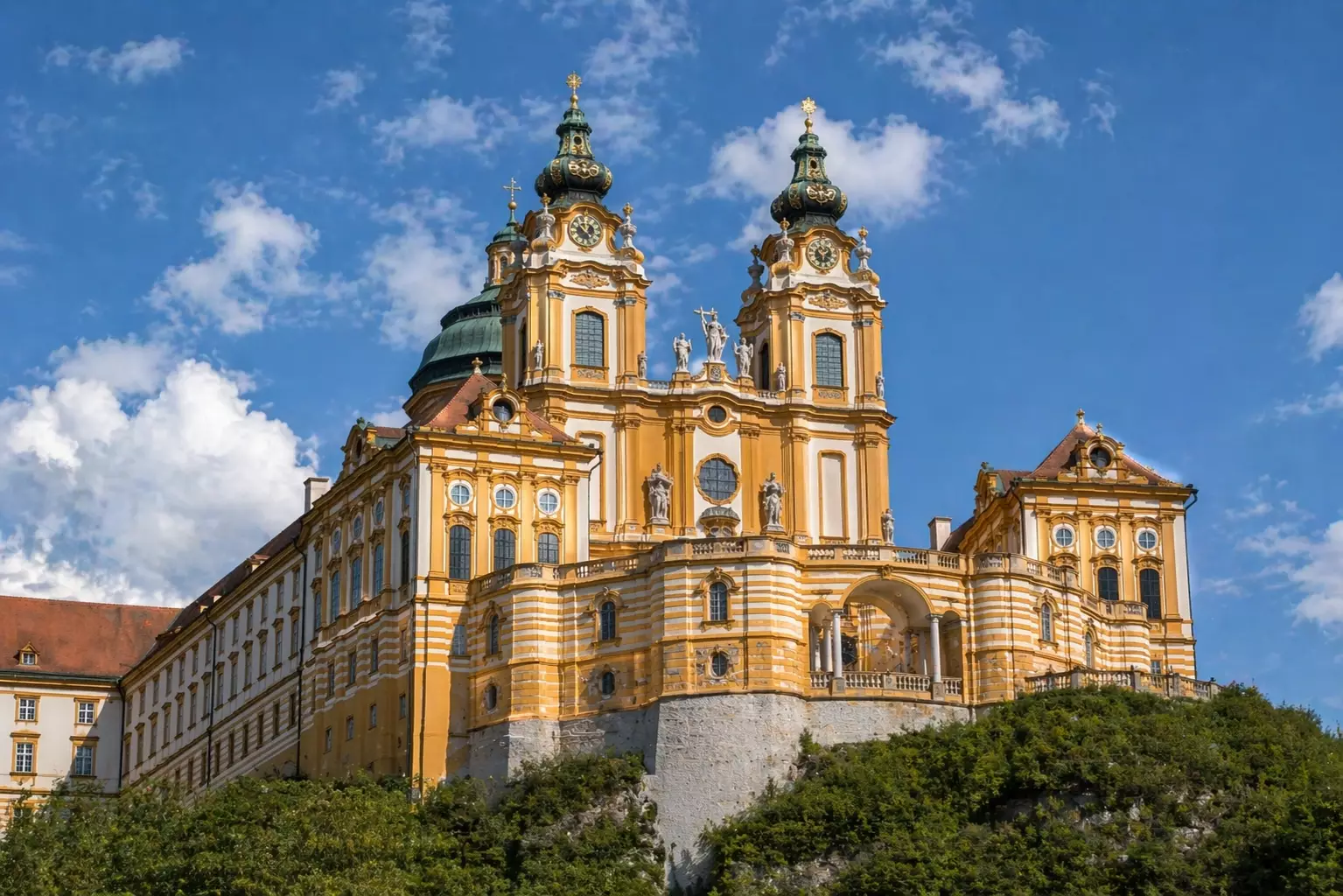
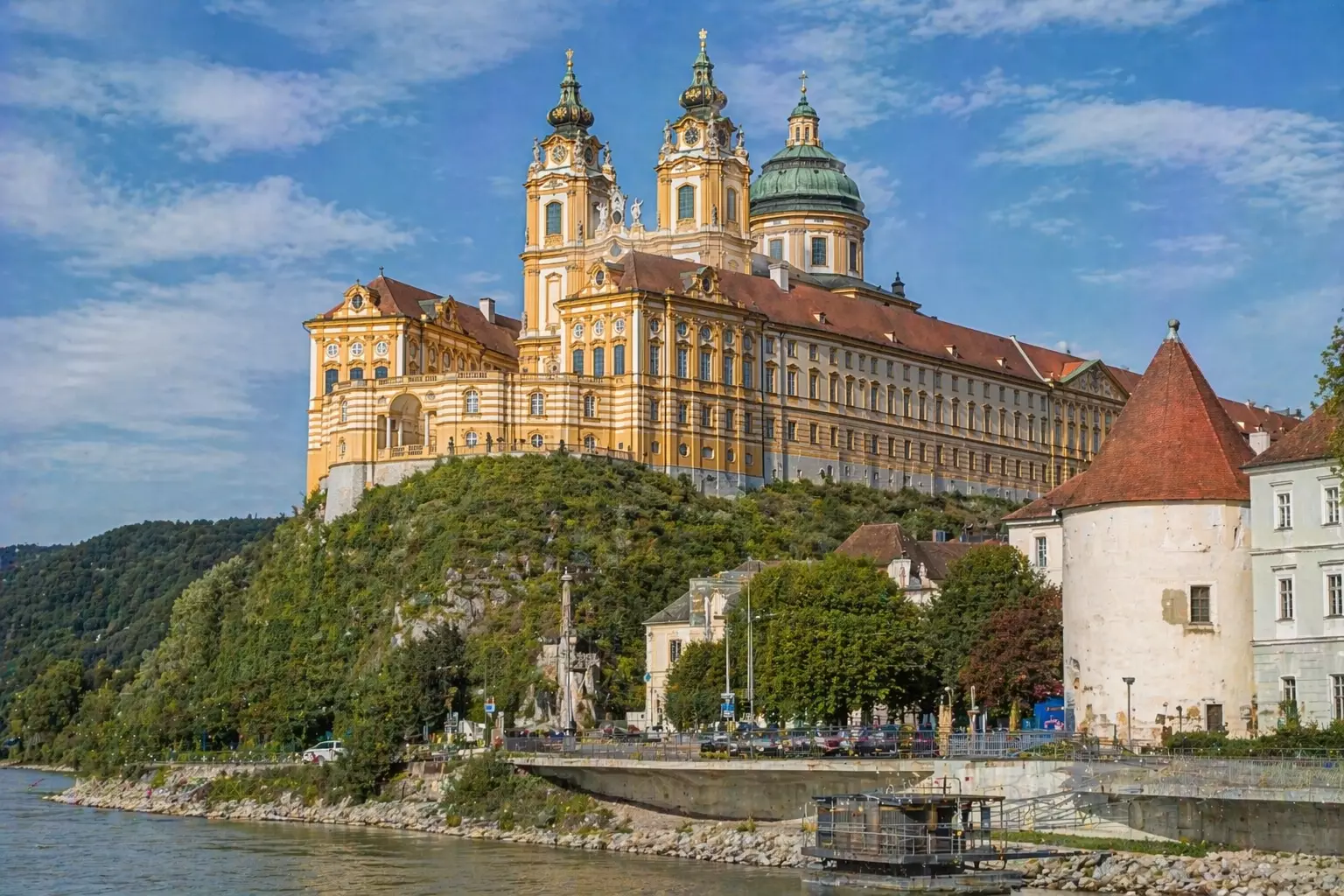
North of the Alps, Baroque architecture often became brighter, more spacious, and more closely tied to princely or monastic display. Austrian Baroque is especially notable for interiors that combine sweeping fresco cycles, gleaming stucco, and ceremonial circulation, while German and Russian variations adapted similar principles to local court culture and religious needs. Buildings such as Melk Abbey show how the style could preserve Baroque dynamism while achieving a clarity and radiance quite different from the denser drama of Rome.
French Baroque and Classicism
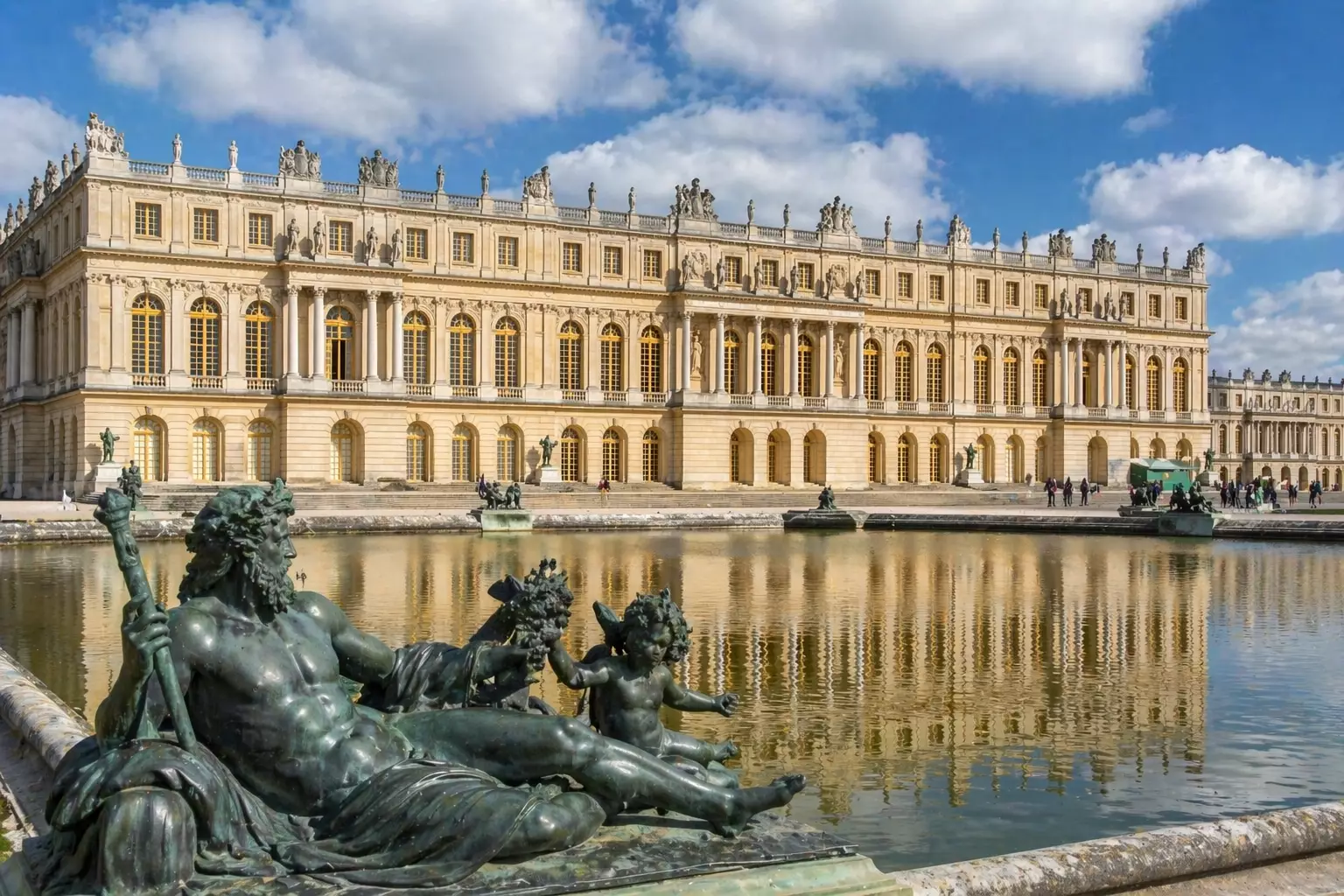
France developed a version of the style that is unmistakably grand yet more tightly governed by symmetry, protocol, and decorum. French Baroque often favors disciplined facades, strongly articulated axes, and expansive palace planning, with the mansard roof and formal gardens contributing to a broader aesthetic of rational magnificence. Compared with Italian models, it feels less improvisational and more courtly, which is precisely why Versailles became the definitive architecture of centralized monarchy.
Famous Examples of Baroque Architecture
The best Baroque landmarks are not merely famous because they are large or ornate, but because each crystallizes one of the style’s central ambitions. St. Peter’s Basilica demonstrates the persuasive power of sacred spectacle, Versailles turns domestic and political life into a total ceremonial system, the Royal Palace of Caserta expands axial planning to almost territorial scale, and Melk Abbey fuses monastic purpose with radiant theatricality. Seen together, these buildings reveal that Baroque architecture works most convincingly when structure, decoration, movement, and patronage all push toward the same emotional effect.
St. Peter’s Basilica and the Vatican
Although St. Peter’s is rooted in the Renaissance as well as the Baroque, its final public image became inseparable from the ambitions of papal Rome and Vatican City. Vatican architecture reaches a peak here because Carlo Maderno extended the nave and gave the basilica its monumental facade, while Bernini transformed the crossing with the Baldacchino and framed the whole complex through the great piazza and colonnades outside. As a basilica, a pilgrimage destination, and a symbolic center of Catholic power, it became the most influential religious building of the Baroque age.
The Palace of Versailles
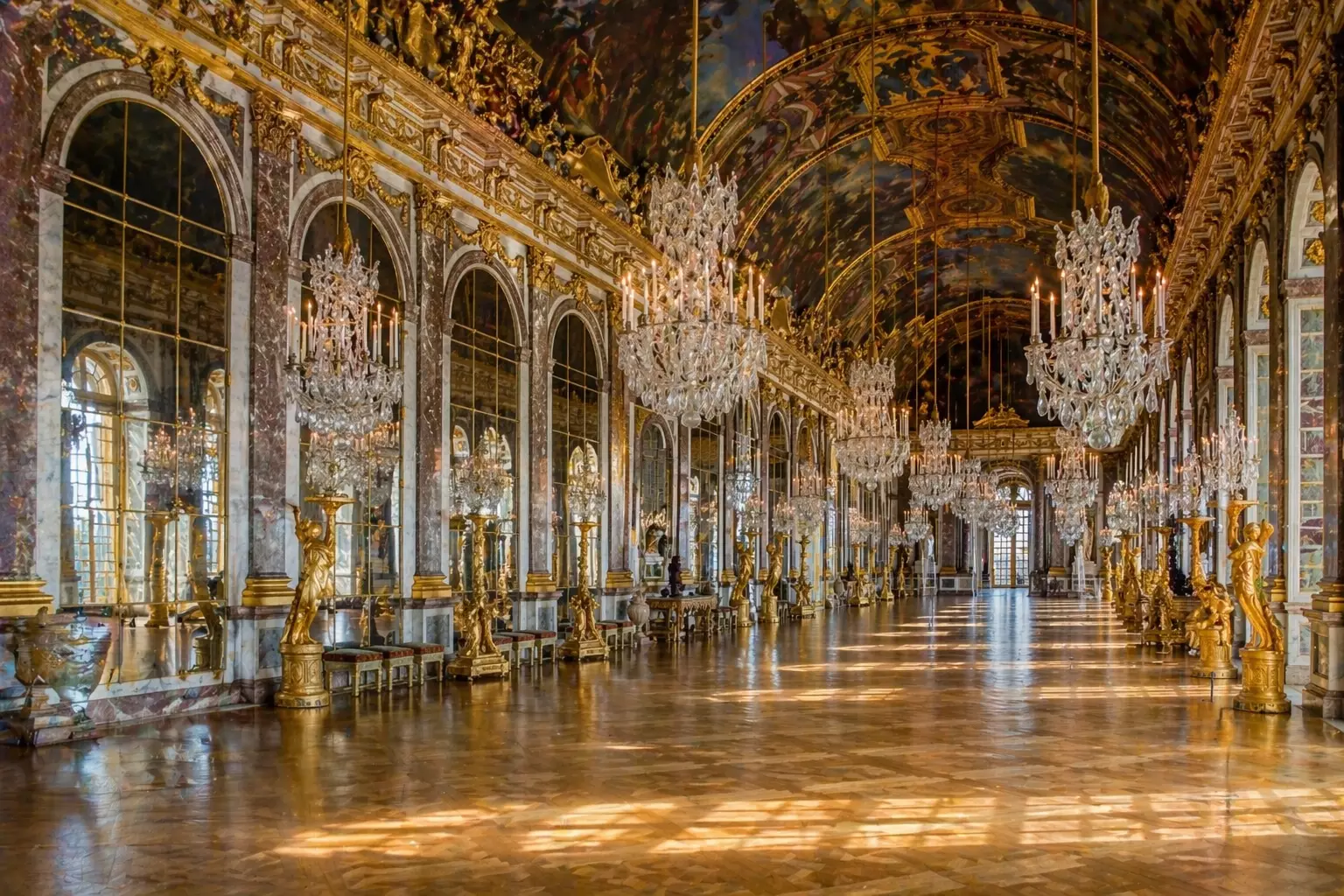
Versailles is the archetype of the royal Baroque residence because palace, garden, ritual, and political messaging operate there as one total composition. The Hall of Mirrors is central to that effect, replacing Louis Le Vau’s terrace with a glittering gallery that reflects light from the garden side and converts passage into ceremony. Everything about the estate, from axial planning to the relation between interior apartments and landscape, teaches visitors that royal power has both spatial reach and aesthetic command.
Other Notable Baroque Landmarks
Outside the two most canonical sites, Baroque achievement becomes easier to appreciate as a network of regional solutions rather than a single formula. The Royal Palace of Caserta stretches a central axis through palace and park on a monumental scale, Palazzo Barberini serves as a prototypical Roman Baroque palace shaped by Maderno, Bernini, and Borromini, Wilanow Palace adapts the style to a Polish royal residence, and Rundale Palace translates courtly Baroque into the Baltic world. Melk Abbey completes the picture by showing how religious architecture in Austria could be as scenographic and memorable as any palace in Europe.
Baroque’s Influence on Modern Architecture
Baroque architecture did not vanish when tastes shifted, because many of its underlying ideas proved too powerful to abandon. Architectural influence survives in later revivals, in urban planning that values procession and spectacle, and in contemporary design strategies that use movement, contrast, and emotional sequencing to make buildings memorable. Those same storytelling ambitions help explain why 3D visualization for real estate developers has become so central to contemporary presentation, since developers still need architecture to communicate atmosphere, status, and experience before the finished place can be physically occupied.
The Neo-Baroque Revival
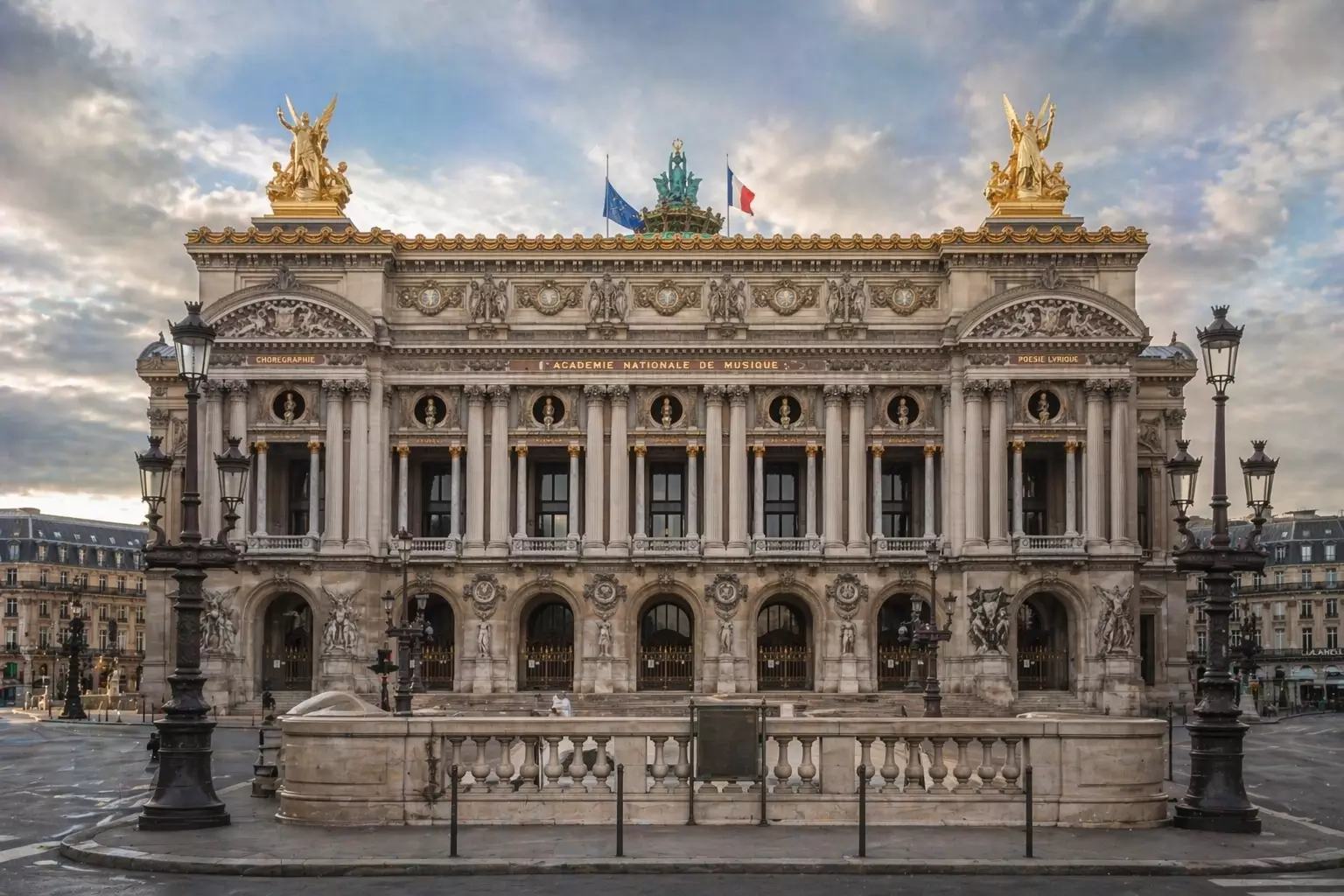
The 19th and early 20th centuries repeatedly returned to Baroque models when institutions wanted architecture to feel ceremonial, prestigious, and publicly legible. Through Beaux-Arts planning and Neo-Baroque facades, opera houses, museums, and civic buildings borrowed monumental staircases, domes, sculptural ornament, and axial drama while adapting them to modern urban programs. These revivals demonstrate that Baroque form retained cultural authority long after Neoclassicism had tried to replace it with stricter restraint.
Baroque Principles in Contemporary Design
Few contemporary architects design literal Baroque buildings, yet many still rely on Baroque ideas at a conceptual level. Spatial complexity, choreographed circulation, theatrical lighting, and digitally generated curvature all echo the Baroque conviction that architecture should unfold as an experience rather than appear all at once as a diagram. In commercial practice, 3D rendering for real estate often serves a similar purpose by helping clients understand mood, movement, and layered perspective rather than just floor area and facade data.
Experiencing Baroque Architecture TodayExperiencing Baroque Architecture Today
For travelers, Baroque architecture is best understood not as a checklist of facades but as a sequence of encounters with approach, entry, light, and ritualized movement. Architectural tourism becomes especially rewarding in Rome and Vatican City, where urban routes connect piazzas, churches, palaces, and fountains in a dense network that makes the style readable at street scale as well as monument scale. Italy remains the essential starting point, but the broader European map reveals how one language of grandeur could generate remarkably different experiences from Paris to Melk to the Baltic.
How to Read a Baroque Building
A useful method of visual literacy begins with the facade, asking whether surfaces push outward or pull inward and how entrances, columns, and sculpture direct the eye. From there, notice how light is staged, whether side chapels and domes reveal themselves gradually, and how sculpture or stucco extends the architecture beyond mere structure. Once viewers learn to track movement, framing, and emphasis, Baroque buildings become less overwhelming and far more intelligible.
Preservation Challenges and Restoration Insights
The conservation of Baroque buildings is unusually demanding because their impact depends on the interaction of architecture, paint, metalwork, stucco, and sculpture rather than on masonry alone. Architectural restoration therefore has to address complex material systems, especially where bronze, wood, marble, gilding, and painted surfaces meet inside a single ceremonial ensemble. The broader challenge is philosophical as well as technical, because conservators must preserve theatrical effect without erasing the patina that makes a building’s age and use legible.
Virtual Experiences and Digital Resources
Remote study has become far more convincing thanks to official tours, high-resolution scans, and richly modeled digital reconstructions. Baroque 3D models are especially useful when paired with architectural animation, because movement through a nave, palace corridor, or urban piazza reveals the style’s real logic far better than a static image can. These tools cannot replace embodied experience, but they are excellent for tracing processional routes, comparing viewpoints, and understanding how Baroque design unfolds over time.
The Difference Between Baroque and Other Architectural Styles
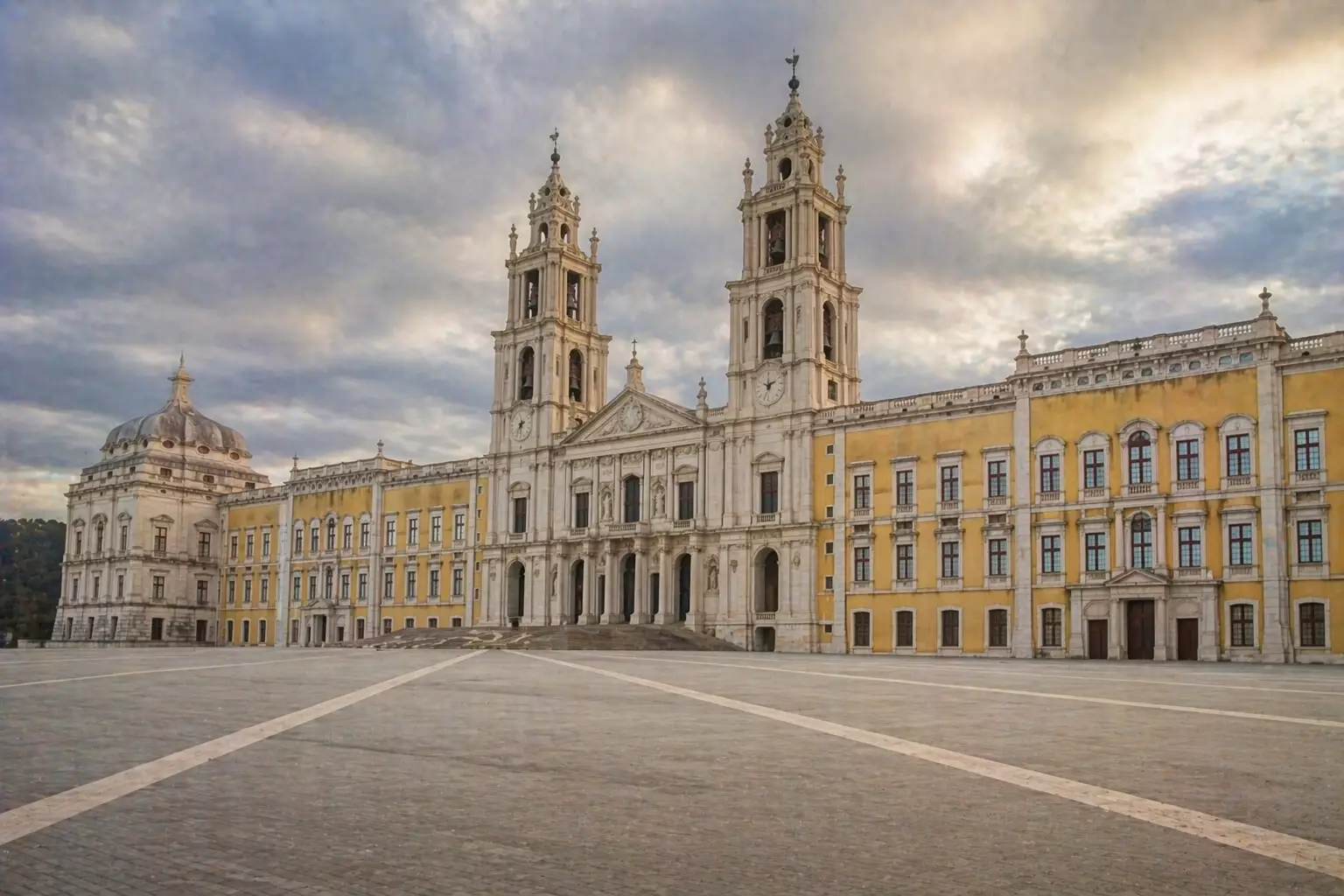
The clearest Renaissance vs Baroque distinction is that Renaissance architecture seeks measured harmony, while Baroque architecture seeks directed intensity and movement. Mannerism acts as a bridge by destabilizing classical rules, Rococo takes Baroque richness toward lighter and more playful ornament, and Neoclassicism reacts against Baroque drama by restoring formal restraint and archaeological clarity. Classicism, more broadly, values order and proportion, whereas Baroque uses those same inherited tools to produce tension, persuasion, and spectacle.
The Enduring Legacy of Baroque ArchitectureThe Enduring Legacy of Baroque Architecture
The enduring architectural legacy of Baroque architecture lies in its refusal to treat buildings as passive containers. Across churches, palaces, monasteries, and urban spaces, it proved that architecture could persuade, overwhelm, and choreograph human experience with extraordinary precision. That is why Baroque remains central to architectural history today, not as a decorative episode, but as one of the most ambitious experiments ever made in the emotional power of built space.

Turn Ideas Into Visual Stories
Free field guide
How to Brief a Style So You Get It Back
Why naming a style transmits almost nothing, the seven measurable variables that actually carry one, and a one-page brief you fill in for any style at all.
If it didn't open, download it here.
Download the PDF