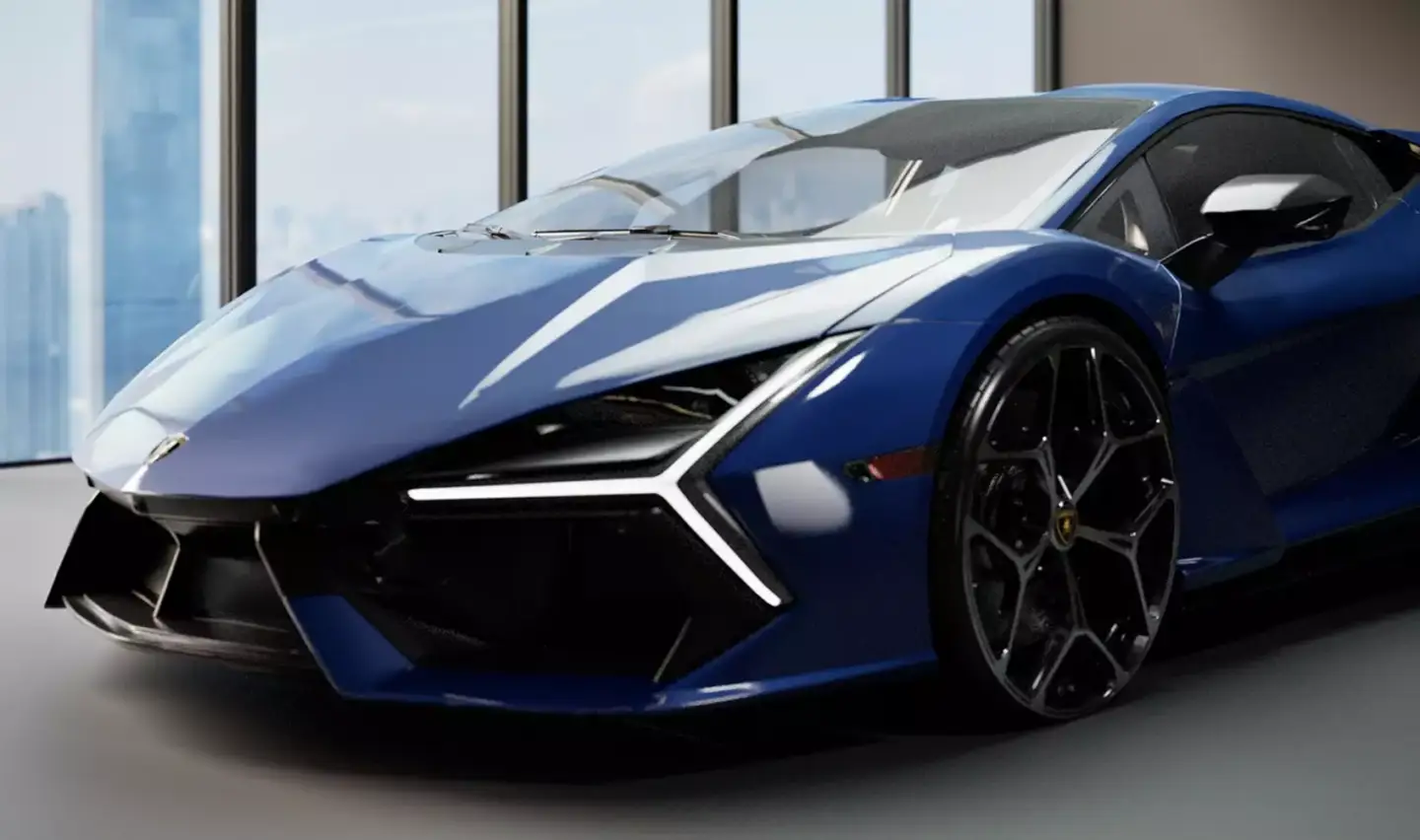
Automotive CGI is the creation of photorealistic images and videos of vehicles entirely in 3D software, without photographing a physical car. Also called car rendering, it turns CAD files or 3D models into studio shots, lifestyle scenes, and animations used for design reviews, marketing, and launches — often before the car exists.
In practice, “car rendering” and “automotive CGI” describe the same thing: a computer-generated image of a vehicle built from a digital model rather than a camera. The terms are used interchangeably across the industry, and so are they here. What sets automotive work apart is not the software — it is how much the result depends on people who genuinely understand cars.
Automotive CGI vs Car Photography: When to Use Each
Neither replaces the other — the right choice depends on the task. If a detailing shop needs clean Instagram content of real, polished cars, photographing them on-site is faster and cheaper than modeling them in 3D. But when a tuning studio wants to preview a build before touching the actual car, CGI wins: there is no sense doing the work for real just to photograph it afterward.
When brands and startups do choose CGI over a shoot, three reasons drive it. First, there is often no car to photograph yet — and the idea of building a physical prototype just for imagery is now almost archaic. The same applies to commercial vehicles: Poyntz Covered Systems, a maker of tarp systems for flatbed trailers, had no product photos for its catalog, so its system was shown in rolling tarp system renders on a loaded truck and trailer. Second, CGI is usually cheaper than a full photoshoot at scale. Third, the image is simply more perfect than reality: no cracks, no visible screws, no panel gaps, no rough edges or surface flaws. A render is an idealized version of the vehicle.
| Factor | Automotive CGI | Car Photography |
| Physical car needed | No | Yes |
| Show a vehicle before it exists | Yes | No |
| Cost at scale | Lower for many angles and variants | Rises with locations, cars, and reshoots |
| Control over color, angle, environment | Total | Limited to what is on set |
| Image perfection | Flawless, idealized surfaces | Shows real-world imperfections |
| Best for | Concepts, tuning previews, launches, configurators | Real, finished cars shot on location |
Why Automotive CGI Is a Specialty, Not Just RenderingIt is not CGI versus a camera for every job. A detailing center should just photograph a clean car for Instagram. But a tuning atelier that wants to see a build before they cut into the real car — that is exactly where CGI earns its place. And on a render you never see the cracks, the screws, the edge of the MDF. The picture comes out more ideal than the real thing.
Dim Kuzmenko, Co-Founder, Maverick Frame
Why Automotive CGI Is a Specialty, Not Just Rendering
Automotive CGI is a separate universe from architectural or product visualization, and the most common client misconception is that any CGI company can do it. The software overlaps, but cars do not forgive a generalist. The work needs artists who are genuinely into cars — people who know which bumper suits a body, how to read proportions, and how to make a static shot feel like speed and motion.
An interior artist should love interior design as a craft. A car artist has to love cars the same way — to know, at a glance, what makes a Jaguar read differently from a Ford. That instinct is what separates a technically correct render from one that actually sells the vehicle.
How Automotive CGI Is Made: From CAD to Final RenderClients assume any CGI studio can handle cars. It cannot. Automotive is its own world — you need people who fanatically love cars, who know what bumper fits, who know how to show dynamics and speed. It is not the same as doing interior design. The artist has to know the difference between a Jaguar and a Ford. Only then do you get truly great work.
Dim Kuzmenko, Co-Founder, Maverick Frame
How Automotive CGI Is Made: From CAD to Final Render
Most automotive CGI projects follow the same path from a digital file to a finished image. The steps below outline how a vehicle goes from raw data to a render ready for review or marketing.
- Brief and goals. The vehicle type, intended use of the visuals, and key features are defined; CAD files, sketches, and references are reviewed.
- 3D model. The car model is sourced, refined from a client file, or built from scratch, then cleaned and optimized for rendering.
- Materials and finishes. Paint, chrome, glass, rubber, and interior surfaces such as leather and screens are applied and approved.
- Scene and lighting. A studio setup or real-world environment is built, with HDRI lighting and reflections defined to support the shot.
- Rendering. Final frames are computed at high resolution, dialing in reflections, surface quality, and depth.
- Post-production. Color grading and retouching add the final polish for a clean, photoreal result.
Types of Automotive CGI
Automotive CGI covers a range of asset types, each suited to a different stage of design, sales, or marketing:
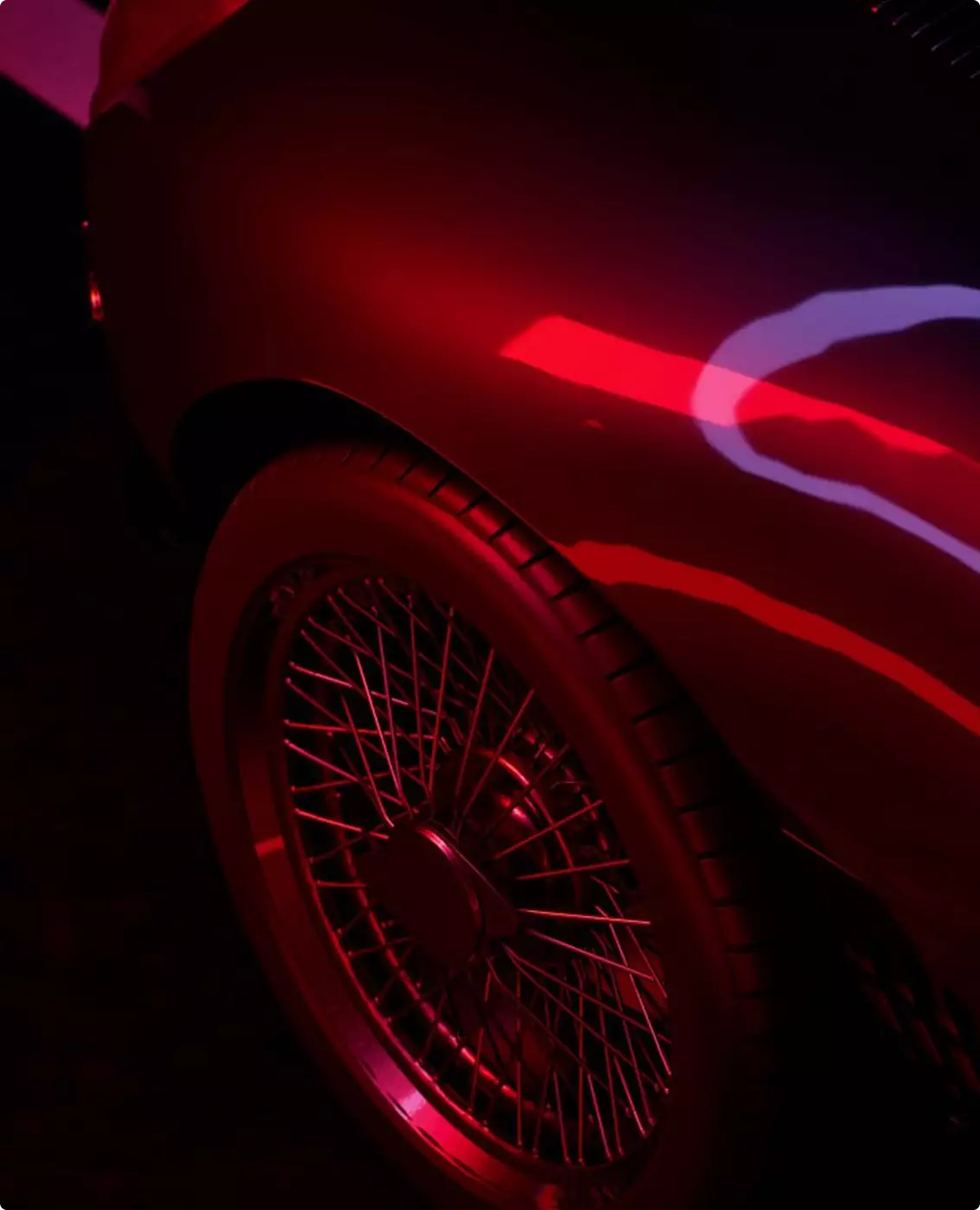
- Exterior renders — body shape, proportions, paint, wheels, and trim from realistic angles.
- Interior and cockpit renders — cabin, dashboard, seats, controls, screens, and driving atmosphere.
- Studio and white-background renders — clean vehicle shots for websites, catalogs, and decks.
- Lifestyle and road scenes — the car in cities, highways, landscapes, or cinematic driving environments.
- Cutaway, x-ray, and technical renders — internal structure, components, and systems made visible.
- Car animation — motion for launches, commercials, and social content when stills are not enough.
Where Automotive CGI Is Used
Because it does not depend on a physical car, automotive CGI shows up across the product and marketing pipeline:
- Launch campaigns, ads, and branded marketing visuals
- Websites, configurators, and product pages
- Dealer, showroom, and presentation materials
- Design and engineering reviews before tooling
- Social content, reels, and teaser films
- Investor decks and pre-order or crowdfunding materials
Automotive CGI and AI: Which to Use When
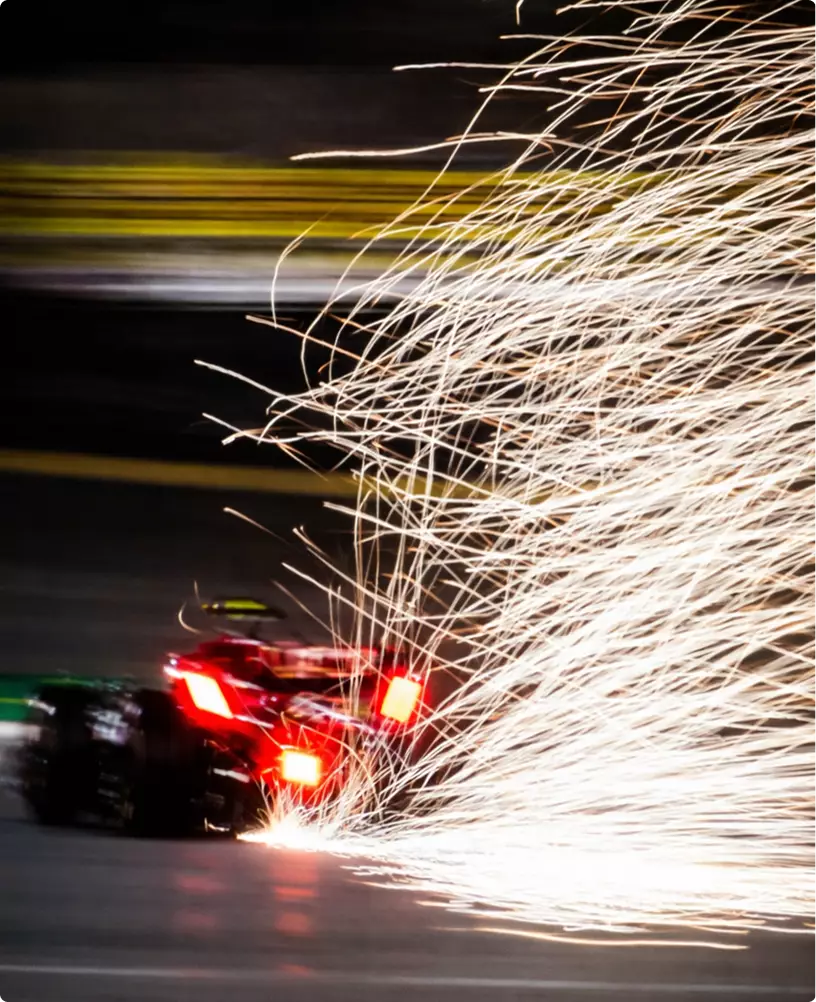
The useful question today is no longer “AI or CGI” — it is what the asset is for. AI already helps a lot across the car pipeline: short reels, hard-to-make textured shots, lifestyle frames in real environments, striking landscapes, and early storyboards, concept art, and moodboards all come together faster with it. For ACME Overland, a Utah builder of custom expedition trucks, we made an expedition truck camper film this way: AI shots of desert, lake and mountain scenes, each checked against the truck’s 3D model.
Where the output goes decides the tool. If the image has to print on a billboard, AI is a poor choice — the quality gap shows at that size, and you need CGI. If it is an Instagram reel, there is little point rendering everything in full CGI; AI, or a mix with AI handling parts, makes more sense. For a deeper breakdown, see our guide on CGI vs AI and when to use each.
Software Behind Automotive CGII would not even frame it as “me or CGI” anymore. There is a task — some image or video of a car for a purpose — and the studio picks the best way to make it. Billboard? AI looks bad, you go CGI. Instagram reel? No reason to do it in CGI — do it in AI, or at least parts of it.
Dim Kuzmenko, Co-Founder, Maverick Frame
Software Behind Automotive CGI
There is no single tool for automotive CGI — the stack is chosen per task. Modeling might happen in a neural-net tool for early ideation, then in 3ds Max or Blender for production geometry. Texturing runs in 3ds Max, Substance, or Unreal Engine, depending on the look and pipeline. Rendering relies on engines like V-Ray, Corona, or Unreal, and animation adds its own setup on top. Each stage has its own best fit rather than one program for everything.
How Much Does Automotive CGI Cost?How Much Does Automotive CGI Cost?
Automotive CGI typically starts around $30 per hour, with most still renders landing between a few hundred and a few thousand dollars per image. The final price depends on the vehicle type, number of views, interior or exterior scope, level of detail, the quality of the CAD or 3D model, materials, lighting, environment setup, animation, revisions, and timeline. For full ranges by asset type, see our 3D rendering pricing guide.
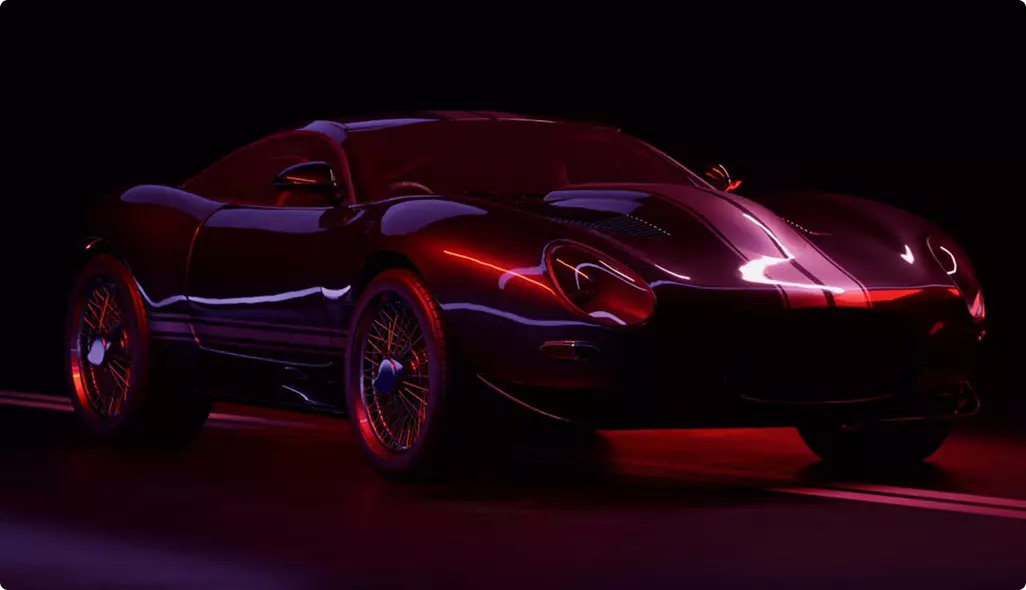
When a project needs presentation-ready vehicle visuals, our professional car rendering services cover the full pipeline — from 3D modeling and materials to photoreal renders and animation. You can also see automotive CGI in action in our custom luxury car CGI for a Jaguar-inspired supercar launch.
Turn Ideas Into Visual Stories