3D rendering in San Francisco helps developers, architects, and real estate teams present projects before they are built. In a city shaped by steep sites, dense neighborhoods, historic buildings, and complex approvals, clear visuals make it easier to explain design ideas, show materials, and communicate project value.
Developers and architects use architectural visualization in San Francisco to support planning presentations, investor discussions, buyer marketing, and stakeholder communication. Professional 3D rendering services in San Francisco turn drawings, floor plans, and early concepts into realistic images, animations, and interactive experiences that people can understand faster.
3D rendering is especially useful when you need to:
- Present an unbuilt project. Show the design to investors, buyers, city reviewers, or community stakeholders.
- Explain complex site conditions. Make slopes, views, shadows, access, and building context easier to understand.
- Support marketing and sales. Create visuals for websites, brochures, presentations, ads, and sales materials.
- Compare design options. Test materials, lighting, layouts, landscaping, and facade choices before construction.
Where 3D Rendering Is Used in San Francisco
San Francisco 3D visualization is used across residential, commercial, interior, and urban development projects. The best visuals do more than show a beautiful building. They explain how a project fits into its site, street, neighborhood, views, and market position.
Common use cases include:
- Real estate development. Marketing condos, apartments, mixed-use projects, and pre-construction properties.
- Commercial construction. Presenting offices, conversions, retail spaces, and hospitality projects.
- Interior design. Showing finishes, furniture, lighting, materials, and room layouts before installation.
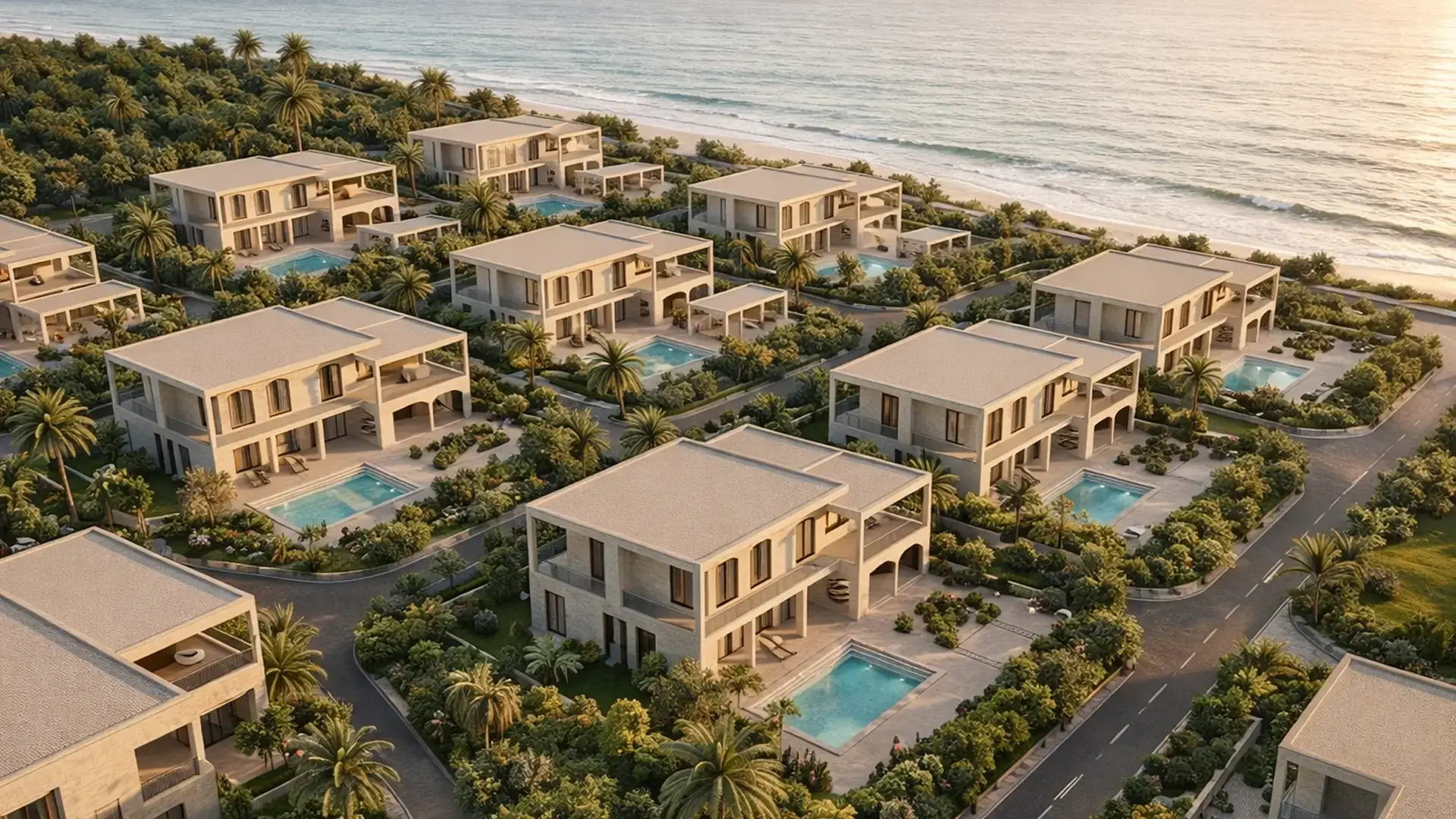
- Urban planning. Explaining site plans, pedestrian flow, open space, access, and neighborhood context.
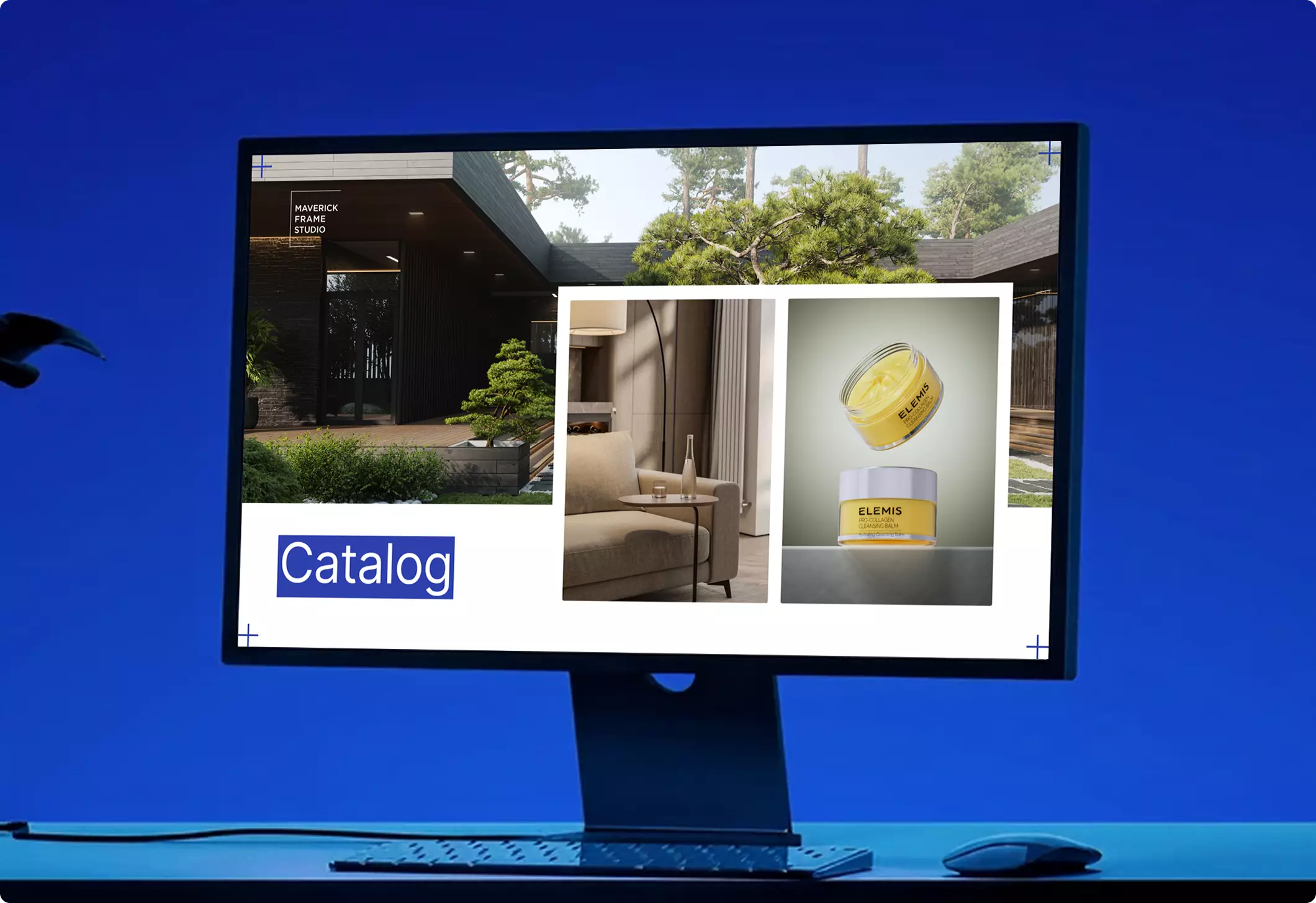
- Product and furniture visualization. Presenting custom pieces, fixtures, cabinetry, and decor inside realistic interiors.
Real Estate Development
Real estate development in San Francisco often depends on helping buyers and investors understand a project before it is complete. A 3D real estate renderings service can show layouts, finishes, views, amenities, and lifestyle value in a clear visual format. Photorealistic renderings help turn an unfinished property into a presentation that feels specific, believable, and easier to evaluate.
Commercial Construction
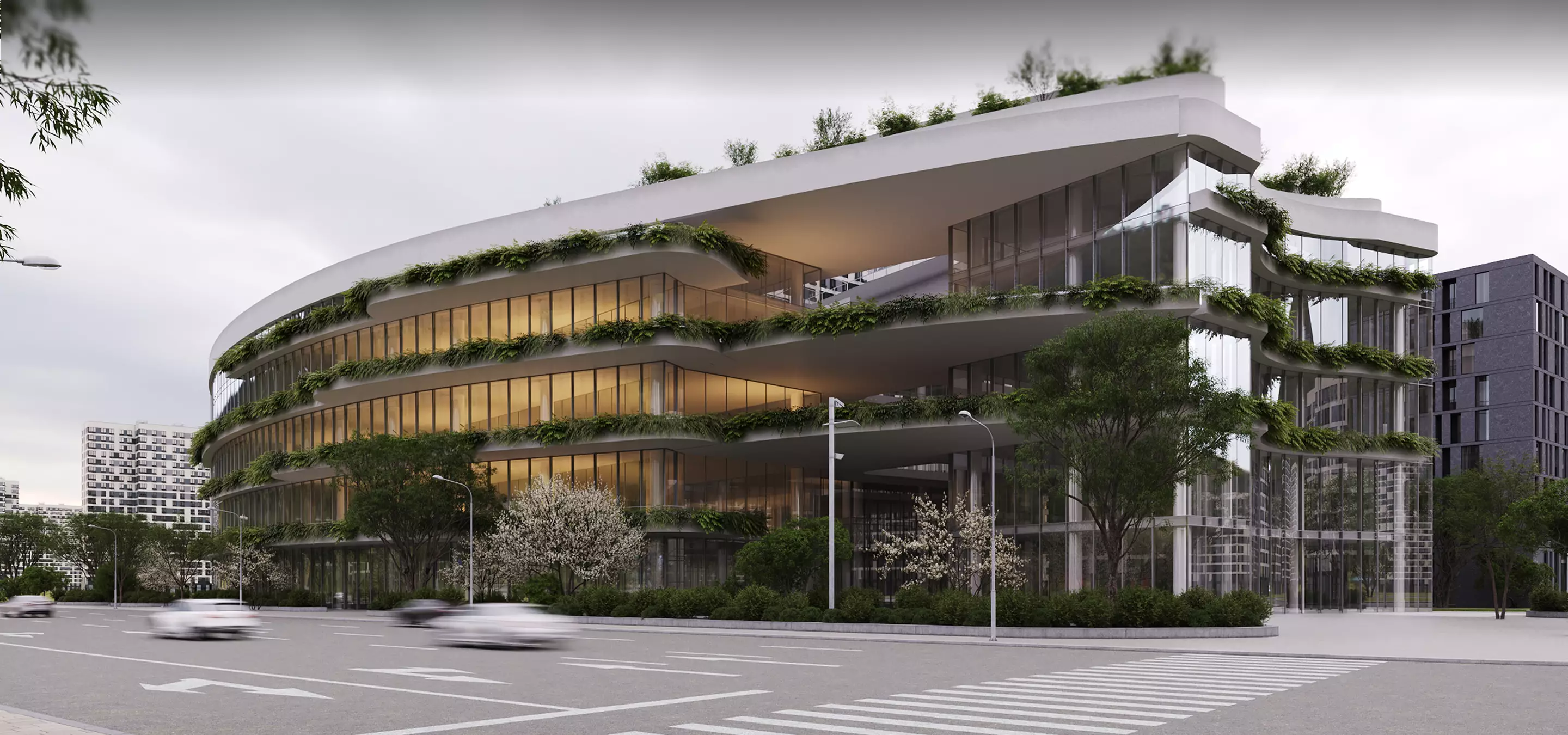
Commercial projects use 3D exterior rendering services to show building massing, facade design, access, roof areas, and surrounding context. For office, retail, hospitality, and mixed-use projects, exterior visuals can help investors and stakeholders understand how an existing or proposed building can be repositioned for modern use.
Interior Design and Residential Projects
High-net-worth buyers expect perfection. 3D interior rendering services enable designers to virtually test different finishes, lighting, and furniture layouts. This helps prevent costly changes during construction. For custom homes, 3D house rendering services visualize spatial flow, material transitions, and view corridors. They ensure that the final product matches the client’s vision, even down to the wood grain.
Urban Planning and Site Development
Urban planning and site development visuals help explain how a project affects the surrounding area. 3D site plan rendering services can show access points, open space, landscaping, pedestrian flow, nearby buildings, and public-facing areas. These visuals are useful for planning discussions, community presentations, and early design review because they make site impact easier to understand.
Product and Furniture Visualization
Local designers use product rendering to showcase custom fixtures, lighting, and cabinetry within a context. Unlike physical prototypes, furniture rendering places pieces in real San Francisco interiors, helping clients visualize scale and style. This technique is particularly useful for high-end showrooms and boutique hospitality projects.
Why 3D Architectural Rendering Is Essential in San Francisco
3D architectural rendering San Francisco projects are not only about attractive images. They help teams explain how a building works on its site, how it relates to nearby structures, and why the design makes sense for buyers, investors, reviewers, and the public.
Professional architectural renderings help teams communicate:
- Site context. Show slopes, neighboring buildings, streets, views, and public spaces.
- Design intent. Explain materials, facade details, lighting, landscaping, and architectural character.
- Project value. Help investors and buyers understand the market position of the development.
- Stakeholder impact. Make scale, access, shadow, circulation, and neighborhood fit easier to discuss.
Visualizing Complex Terrain and Density
San Francisco’s hills, dense blocks, and varied site conditions can make a project difficult to understand from drawings alone. Professional 3D architectural renderings help show daylight, views, building height, street presence, and how the design responds to nearby structures. This is especially useful for hillside homes, infill developments, and projects where context matters as much as the building itself.
Securing Approvals and Investor Buy-In
Approvals and investor presentations both depend on clarity. In San Francisco, shadow impact can be an important planning issue for certain projects. According to SF Planning’s Shadow Analysis Procedures and Scope Requirements, a shadow analysis may be required when a proposed project is over 40 feet tall and could cast new shadow on Recreation and Park Department property, or when CEQA review identifies potential shadow impacts on parks or open spaces. For these projects, photorealistic renderings and aerial views can help communicate massing, facade design, landscaping, and site context more clearly.
Reducing Construction Risk
3D rendering services can also support coordination between design, construction, and marketing teams. When models are built from accurate drawings or BIM files, they can help teams notice conflicts, unclear details, or design gaps earlier. This is especially useful for complex interiors, facade systems, renovations, and tight urban sites.
Standing Out in a Competitive Market
In San Francisco, small design choices can strongly affect how a project is perceived: how a unit frames a bay view, how a facade meets the street, how outdoor space works on a sloped site, or how a new building fits beside older architecture. Architectural rendering services in San Francisco make these details visible before construction, helping teams present the project’s value more clearly.
Our 3D Rendering Services in San Francisco
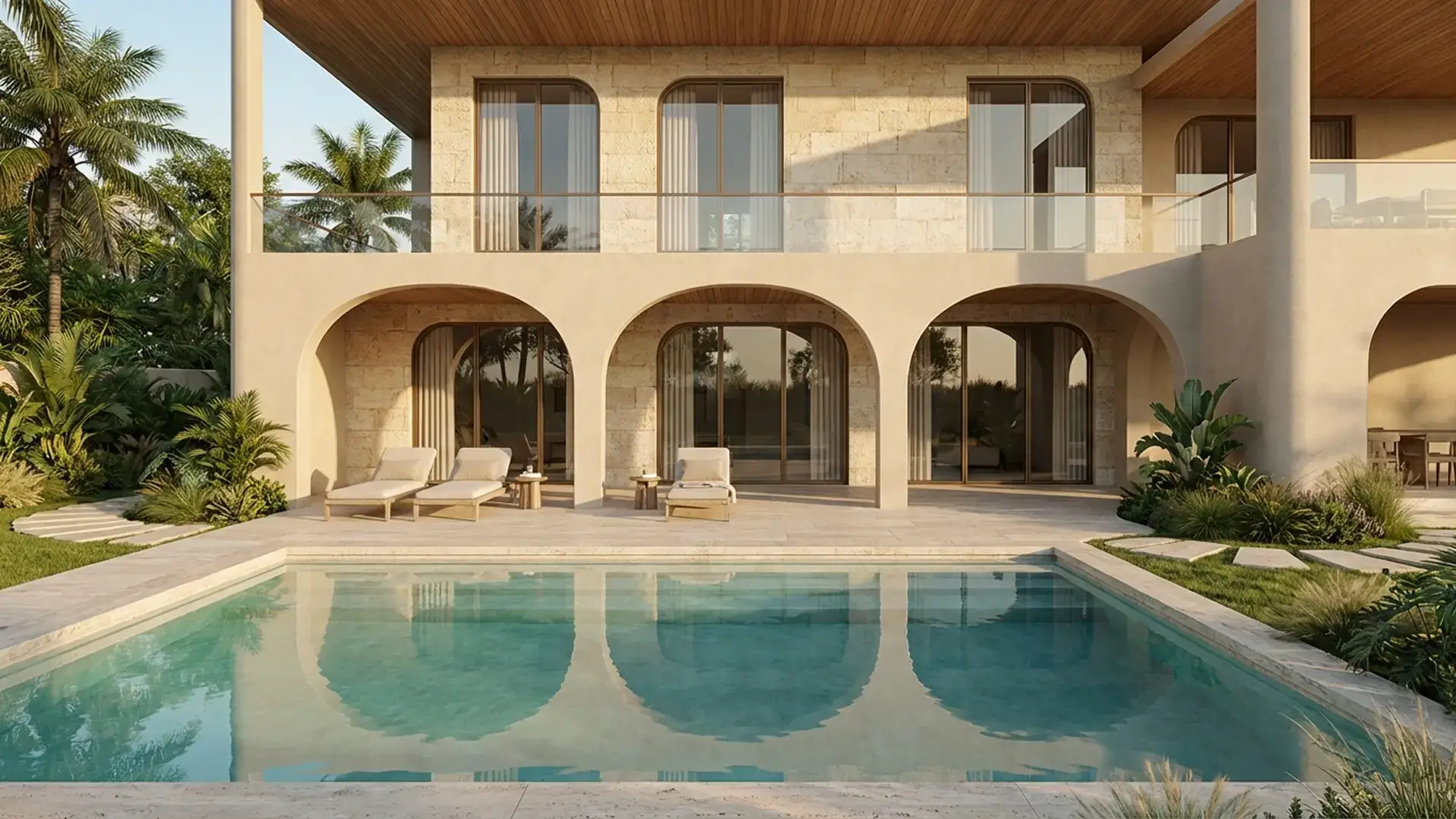
As a studio experienced in 3D Rendering San Francisco developments, we provide architectural visualization services tailored to the regulatory and aesthetic demands of the city. Each deliverable is designed to support entitlements, marketing, or investor presentations, rather than just looking impressive.
Our architectural visualization services include:
- 3D exterior rendering services
- 3D interior rendering services
- 3D floor plans
- Virtual staging services
- Interactive walkthroughs and immersive experiences
- Architectural 3D modeling services in California
Exterior and Architectural Renderings
Our 3D exterior rendering services include street-level views, twilight shots, and contextual aerial perspectives. Images can show sun angles, neighborhood textures, setbacks, landscaping, sidewalk materials, and street details so the project feels connected to its real location.
Interior and Floor Plan Visualization
We transform 2D blueprints into immersive 3D floor plans that illustrate spatial relationships, circulation, and scale. Combined with photorealistic interior renderings, these visuals help buyers envision life in the space, which is key for off-plan sales.
Virtual Staging and Immersive Experiences
Our virtual staging services furnish empty units with market-appropriate interiors, helping buyers understand scale, function, and lifestyle potential. For high-end projects, interactive walkthroughs can be accessed through the web or a tablet, allowing remote buyers, investors, and sales teams to explore spaces at their own pace.
Architectural 3D Modeling Services in California
Our architectural 3D modeling services in California create precise models using CAD, Revit, and SketchUp files. These models serve as the foundation for renders, animations, virtual walkthroughs, and multi-format marketing assets.
Cost of 3D Rendering in San Francisco
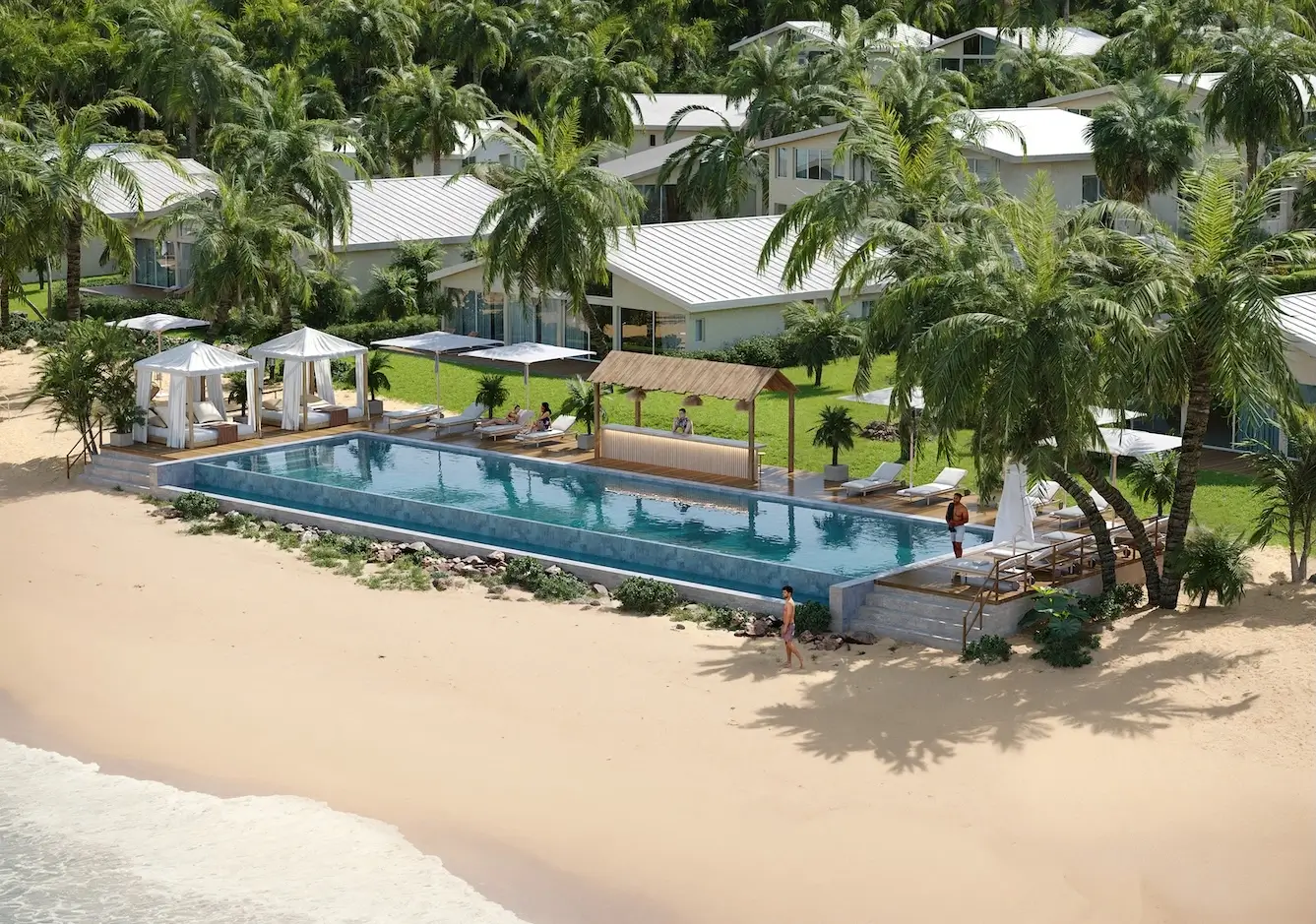
The cost of 3D rendering services in San Francisco depends on project scale, visual complexity, and the number of deliverables. In a high-cost development market, clear visuals can help teams avoid confusion before major design, construction, or marketing decisions are made. A 2025 RAND report on multifamily housing production costs found that production costs in the San Francisco Bay Area are roughly 50 percent higher than in San Diego.
For visualization work, this means scope clarity matters. A simple interior view is usually easier to produce than a hillside residence, mixed-use development, or full campaign with exterior renderings, 3D floor plans, virtual staging, aerial views, and animations. Instead of using a fixed price for every project, we evaluate the scope based on what the visuals need to support: approvals, investor presentations, sales, leasing, or design communication.
Main cost factors usually include:
- Number of deliverables. Final price depends on how many images, 3D floor plans, animations, virtual staging views, or interactive experiences are needed.
- Project complexity. Hillside sites, detailed facades, custom interiors, city context, and complex landscaping require more production time.
- Source materials. Clear drawings, CAD files, Revit models, mood boards, and material references help reduce revisions.
- Level of detail. Realistic lighting, furniture, people, vegetation, aerial views, and material accuracy can increase the scope.
- Timeline and revisions. Urgent deadlines or multiple stakeholder review rounds can require more coordination and production time.
How to Choose a 3D Rendering Company in San Francisco
Not all 3D rendering companies in San Francisco are created equal. To avoid costly revisions or unusable assets, evaluate studios based on portfolio quality, technical accuracy, workflow, and local context. You can also review our success stories to see how professional visualization supports real estate, architecture, and development projects.
When comparing 3D rendering companies in San Francisco, look for:
- Relevant portfolio. The studio should show experience with architecture, real estate, interiors, or urban development.
- Technical accuracy. Renderings should follow drawings, materials, site context, scale, and camera requirements.
- Clear workflow. The process should define feedback rounds, revision steps, timelines, and final deliverables.
- Multi-format delivery. Final assets should work for websites, brochures, presentations, ads, and sales campaigns.
- Local context. The visuals should feel appropriate for the site, neighborhood, architecture, and target audience.
Portfolio and Technical Accuracy
Review past San Francisco projects. Determine if the renders accurately reflect the actual context of the neighborhood. Make sure the shadows are consistent with the time of day. For historic districts, verify the accuracy of the window mounts. Generic skies and fake palm trees suggest an absence of local knowledge.
Workflow and Revisions
A strong partner provides structured feedback loops and usually includes two rounds of revisions in the initial quote. Avoid studios that charge extra for minor adjustments or lack a clear approval process.
Turnaround Time
Top studios strike a balance between speed and quality. Seven to ten days is a realistic timeframe for standard exteriors. Complex entitlement packages may take three to four weeks. Be wary of promises to complete work in under five days, as this often means the use of reused assets or AI shortcuts.
Pricing Transparency
The best firms provide itemized scopes of work that include base renders, additional views, and animations. Hidden fees for context modeling or material libraries suggest poor initial communication. True partners align their pricing with your project goals rather than the number of outputs alone.

Projects We Delivered in San Francisco
Mixed Use Conversion, Mid Market
We worked with a developer who wanted to convert a vacant office building into 42 luxury units. To help them achieve this goal, we provided photorealistic renderings of the exterior and interior, showing street activation, unit layouts, and compliance with TOD standards. These visuals were used in Planning Commission submissions and private investor presentations. Five months later, full entitlements were approved, and eighty percent of the units were pre-sold within sixty days of launch.
Hillside Residence, Pacific Heights
The client needed to demonstrate minimal visual impact while preserving neighbor sightlines on a 28-degree slope. We created daytime and twilight renderings that included accurate shadow studies, native landscaping, and facades matching the historic character of the district. Thanks to these visuals, the project passed the design review on the first submission, saving three months.

Turn Ideas Into Visual Stories
Frequently Asked Questions
3D rendering in San Francisco is used to present unbuilt projects more clearly. Developers, architects, designers, and real estate teams use it for investor presentations, planning discussions, marketing campaigns, sales materials, and design review. Renderings can show building scale, materials, views, interiors, site context, and how a project fits into the surrounding neighborhood.
Timeline depends on the number of views, project complexity, source files, and revision rounds. A single interior or exterior rendering is usually faster than a full package with aerial views, 3D floor plans, virtual staging, animations, or shadow-related visuals. Clear drawings, material references, and fast feedback help shorten the production process.
We can work with CAD files, Revit models, SketchUp files, PDF plans, elevations, sections, mood boards, material references, and furniture specifications. The more information you provide, the easier it is to create accurate 3D renderings. If the project is still early, sketches or basic plans can also help define the first visual direction.
Yes. We create both interior and exterior architectural renderings, as well as 3D floor plans, aerial views, site plan visuals, virtual staging, and interactive experiences. For larger projects, we keep materials, lighting, camera angles, and visual style consistent across all deliverables so the final presentation feels unified.
Our 3D rendering services are priced at $30 per hour, depending on the scope and production time required. A single photorealistic image usually has a different scope than a full visualization package with exterior renderings, interiors, 3D floor plans, aerial views, virtual staging, or animations. For San Francisco projects, factors such as hillside sites, detailed facades, city context, materials, and revision rounds can also affect the final estimate.