Scandinavian style is often mistaken for generic minimalism. In reality, it is a more deliberate interior approach shaped by comfort, usability, light, and visual calm.
It is closely related to nordic design, but the two terms are not perfectly interchangeable, and that distinction matters if you want to understand the look properly.
This article explains what Scandinavian design is, how to recognize it beyond surface-level cues, why Scandinavian decor feels warm instead of sterile, and how to apply the style at home without turning your space into a showroom. It also covers hygge and the differences between Scandinavian and Nordic aesthetics. Additionally, this guide explains the design decisions that make Scandi style so livable.
Readers interested in using visual storytelling to communicate architecture and interiors more clearly will find our success stories helpful. They show how design ideas are translated into presentation-ready imagery.
What Is Scandinavian Style?What Is Scandinavian Style?
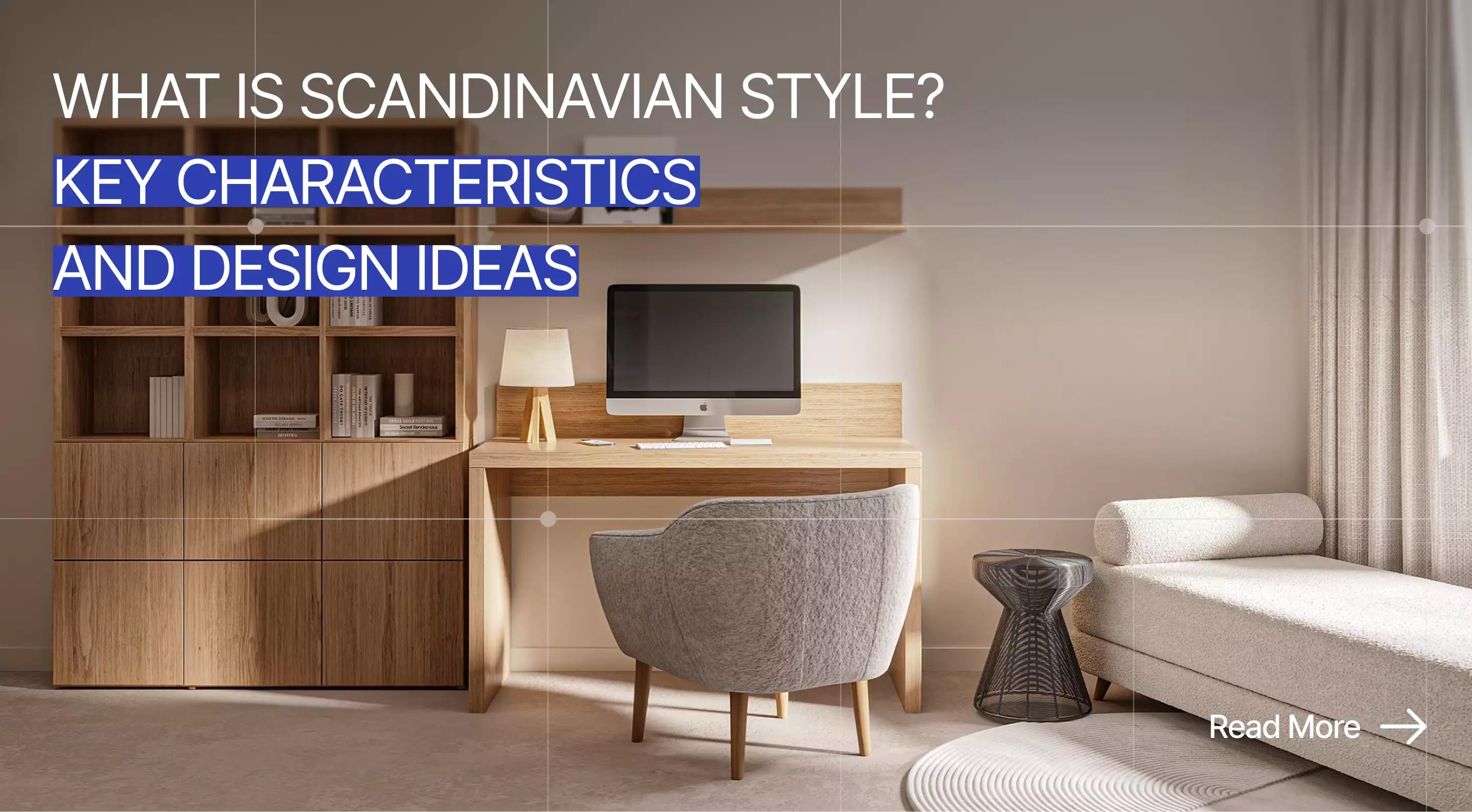
At its core, Scandinavian style is an interior approach built around visual simplicity, daily function, natural materials, and a strong sense of comfort. It is clean, but not severe. Restrained, yet not empty. When people talk about Scandi style, they usually mean rooms that feel bright, breathable, practical, and quietly warm.
The easiest Scandi meaning to remember is this: a home should look calm and work well at the same time. That is why Scandinavian interiors rarely depend on decoration alone. The room itself does the work through proportion, light, texture, and useful furniture. A pale neutral interior can look similar on the surface, but without warmth, usability, and material depth, it is not really Scandinavian.
The same principle applies in professional 3D architectural rendering services, where atmosphere and material balance matter just as much as the layout itself.
Scandinavian Style in Simple TermsScandinavian Style in Simple Terms
So, what is Scandinavian design? It is a way of shaping a home so it feels light, orderly, comfortable, and easy to live in. You usually see soft neutral tones, light wood, uncluttered layouts, and furniture with simple silhouettes that serve a clear purpose.
In practice, the style is built on a balance between appearance and use. Rooms look edited, but they are meant for real life. Seating is comfortable, storage is thoughtful, and surfaces are not overloaded. That is why Scandinavian interiors feel composed without becoming precious.
Why Scandi Style Feels Warm Rather Than Cold
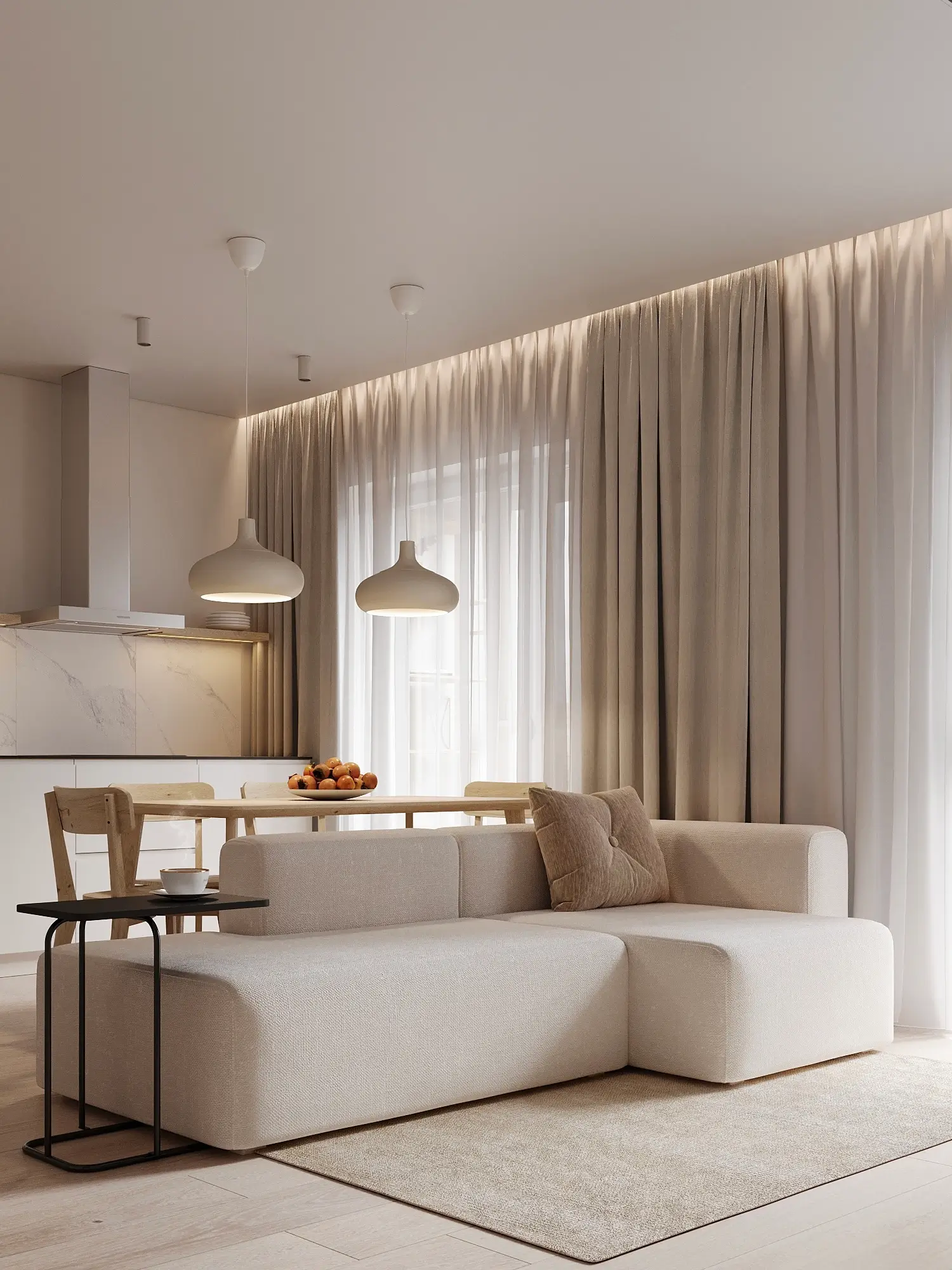
The reason the Scandinavian aesthetic works so well is that it does not chase emptiness. It uses texture, natural light, wood, and softness to create a cozy style that still feels refined. A wool throw, matte ceramic lamp, oak chair, linen curtain, or woven rug all contribute to that warmth.
This is where Scandinavian rooms differ from sterile minimalism. They are pared back, but not stripped of feeling. Warmth is not an accessory added at the end. It is part of the structure of the style. A good Scandi room still invites you to sit down, read, relax, and stay awhile.
That same balance is essential in 3D interior rendering, where a space has to feel livable rather than just technically correct.
Scandinavian Style vs Nordic Design: What’s the Difference?Scandinavian Style vs Nordic Design: What’s the Difference?
The terms often overlap, which is why people use them loosely. Still, Nordic design is generally the broader umbrella, while Scandinavian style is a more specific subset within it. When asked about Nordic design, one might mention a variety of regional influences, moods, and interpretations.
In contrast, the broad category of Nordic style can include interiors that are darker, moodier, more rustic, or regionally varied. Scandinavian style usually points more directly to the familiar balance of light, practicality, softness, and clean-lined restraint.
Where Scandinavian and Nordic Design OverlapWhere Scandinavian and Nordic Design Overlap
Both approaches value usability, natural materials, and visual clarity. In Nordic interior design, you will often see the same preference for light, simplicity, and material honesty that defines Scandinavian rooms. They also share an interest in comfort and human-centered design rather than pure decoration.
That overlap is why the terms are so often blended in articles, product descriptions, and mood boards. In many everyday contexts, that loose usage is understandable.
In broader real estate marketing, these nuances also influence how spaces are presented through 3D visualization for real estate developers, especially when a project needs to communicate both lifestyle and architectural intent.
What Makes Scandinavian Style More Specific
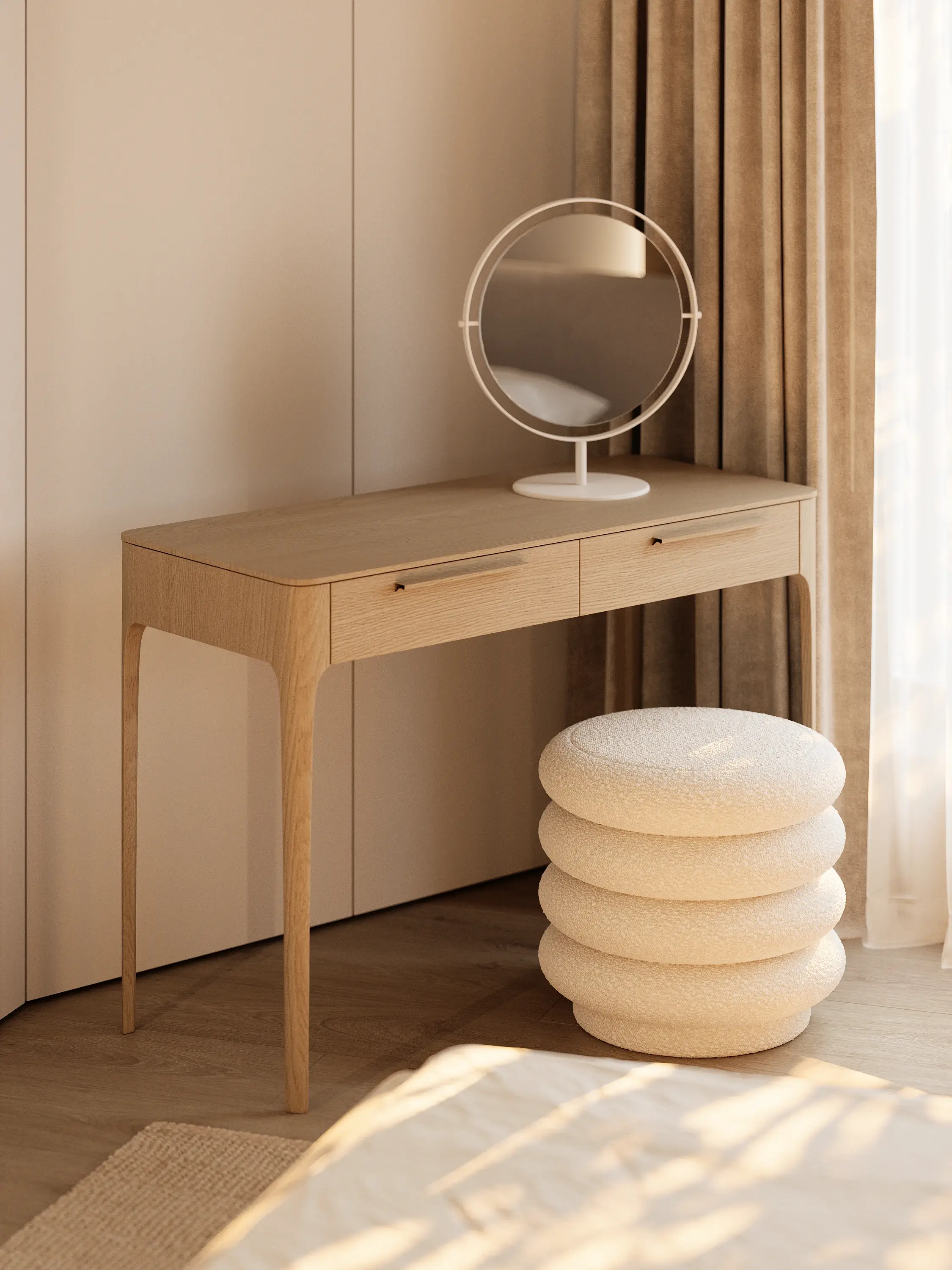
Where the distinction becomes useful is in styling. Scandinavian decor style is usually more identifiable as a specific visual language: brighter palettes, lighter woods, softer edges, streamlined furniture, and a stronger emphasis on calm openness. Nordic design can stretch beyond that into interiors that feel more atmospheric, regional, or mixed in expression.
The practical takeaway for readers and homeowners is simple: use “Nordic” for a broader range of related aesthetics and “Scandinavian” for a cleaner, lighter, and more recognizable interior design.
Main Characteristics of Scandinavian StyleMain Characteristics of Scandinavian Style
You can usually identify Scandinavian style through a consistent group of features rather than one single element. The room has a light palette, functional furniture, an uncluttered layout, and a softer feel than strict minimalism. That is why Scandinavian minimalism is a useful phrase, but only if you remember that comfort is part of the equation.
Color Palette, Light, and AtmosphereColor Palette, Light, and Atmosphere
A typical Scandinavian palette starts with white, ivory, soft beige, pale gray, and muted earthy tones. Good Scandinavian decor uses these shades to reflect daylight and make a room feel open rather than flat. Compared with some versions of Nordic decor, the look often stays brighter and more airy.
Natural light matters because the style is designed to feel luminous without feeling empty. Instead of high contrast and dramatic saturation, Scandinavian interiors rely on subtle tonal variation, shadow, and texture to create atmosphere.
Similar visual priorities often shape 3D rendering for real estate, where brightness and realism need to support the emotional reading of a space.
Materials, Furniture, and Clean LinesMaterials, Furniture, and Clean Lines
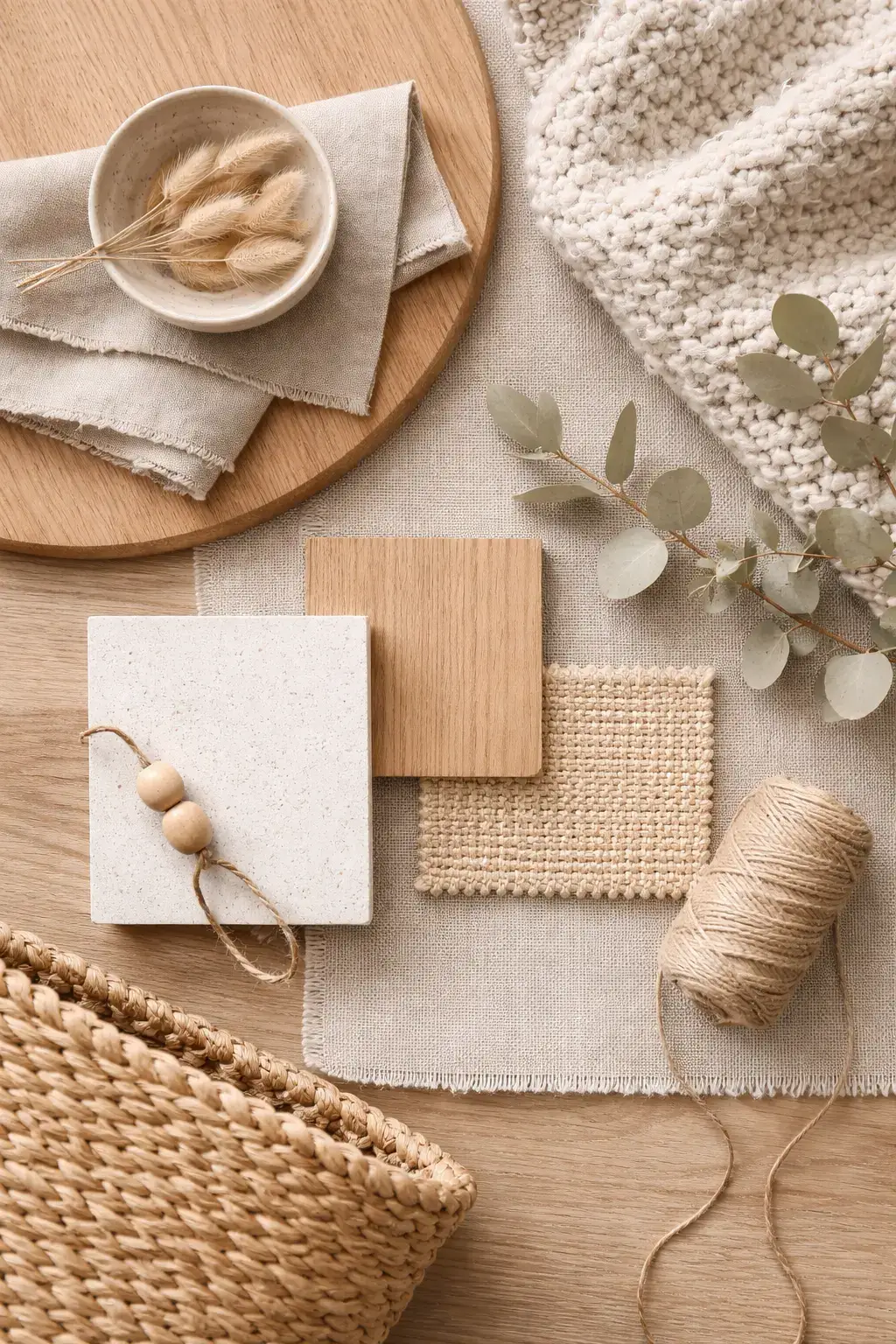
Light wood is one of the clearest signatures of the style. Oak, ash, pine, and similar tones help ground the room without making it heavy. Textiles matter just as much: linen, wool, cotton, and soft weaves introduce depth and comfort. Good Scandinavian style furniture is shaped with clean lines, but it does not look sharp or aggressive.
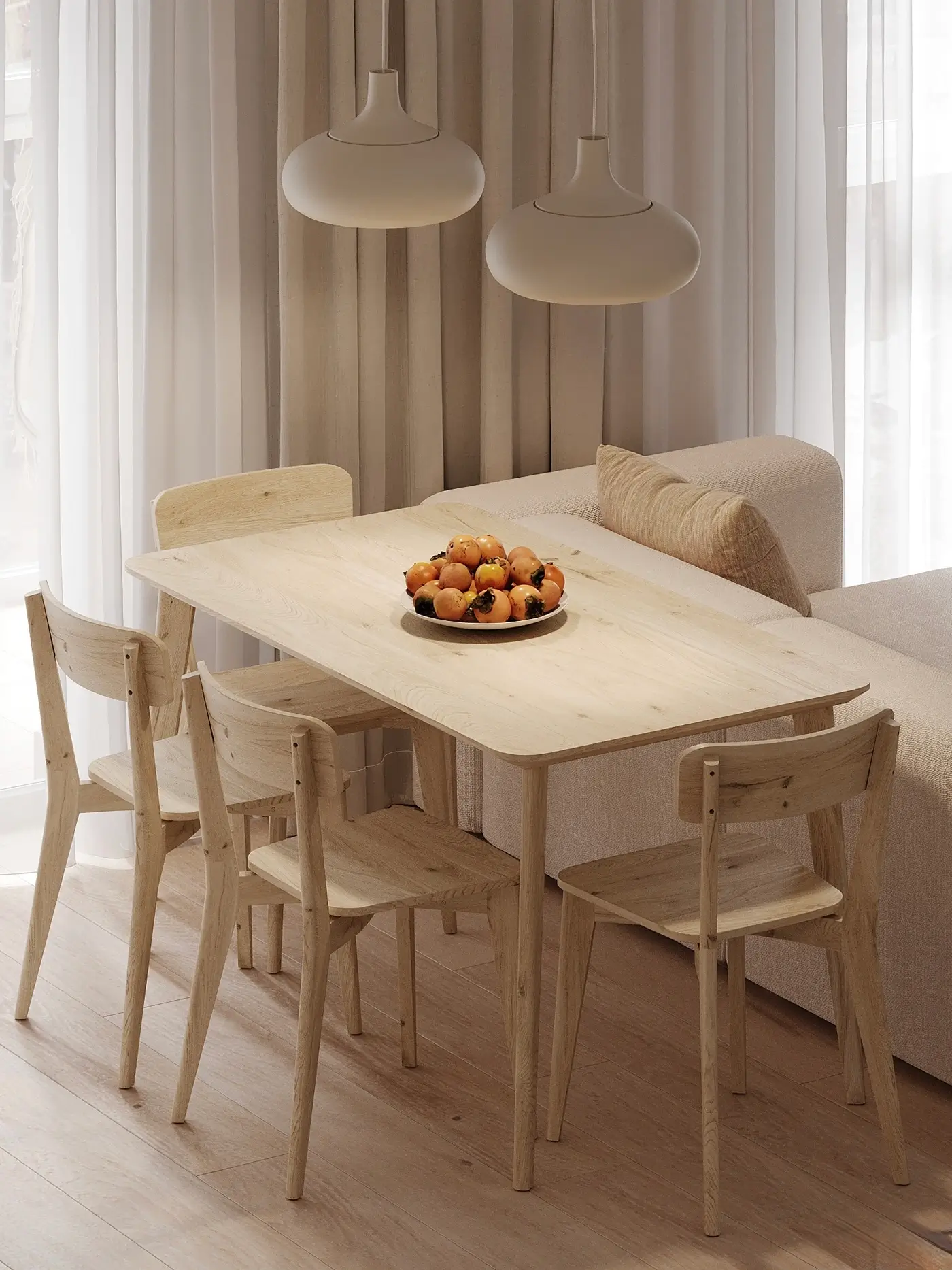
The best examples of furniture Scandinavian design act as visual anchors. A dining table, sofa, or lounge chair is not there to fill space. It provides structure to the room while remaining visually light and useful.
Why Scandinavian Minimalism Still Feels Lived-In
A truly Scandinavian minimalist room is restrained, but never emotionally empty. That lived-in quality comes from proportion, texture, and the presence of practical objects that belong there. It makes sense to put a reading lamp beside a chair. A textured blanket on a sofa also feels natural. The ceramic bowl on the table works because it supports the room’s overall rhythm.
That is why Scandinavian interiors can look disciplined without becoming impersonal. They are edited for clarity rather than display.
Why Scandinavian Style Became So PopularWhy Scandinavian Style Became So Popular
The appeal of Scandinavian style is not just visual. It offers a way of living that feels manageable. Rooms that are built around comfort and purpose are easier to maintain, read, and enjoy. That balance explains why the Scandinavian design style continues to resonate across very different types of homes.
A Style Built Around Everyday LivingA Style Built Around Everyday Living
A good Scandinavian home takes shape around daily life, with comfort and function guiding each choice. Each space is shaped for daily use, with calm lines and little visual distraction. Storage tends to be integrated, furniture is comfortable, and movement through the room feels intuitive.
That everyday practicality is a major reason the style has outlasted so many trend-driven looks. It also explains why design studios and developers often rely on 3D rendering for architecture and design studios to present concepts clearly before a space is built.
Why It Fits Modern Homes So Well
A Scandinavian style home works in both compact apartments and larger houses because the principles scale well. Clean layouts make small spaces feel more open. Soft materials prevent large, open rooms from feeling cold. Neutral tones provide flexibility over time.
People are drawn back to this style because it provides a clear framework: choose less, select better items, and ensure the space still feels human. This logic is especially visible in contemporary residential design, including projects such as 3D rendering of a modern house, where simplicity and atmosphere work together.
The Cultural Ideas Behind Scandinavian InteriorsThe Cultural Ideas Behind Scandinavian Interiors
The look is not only visual. It also reflects broader ideas about daily life, moderation, and comfort. This is where the concept of Scandinavian hygge and hygge design comes into play. Although hygge does not fully explain the style, it helps to illustrate why these interiors prioritize emotional ease as much as visual order.
What Is Hygge Style?What Is Hygge Style?
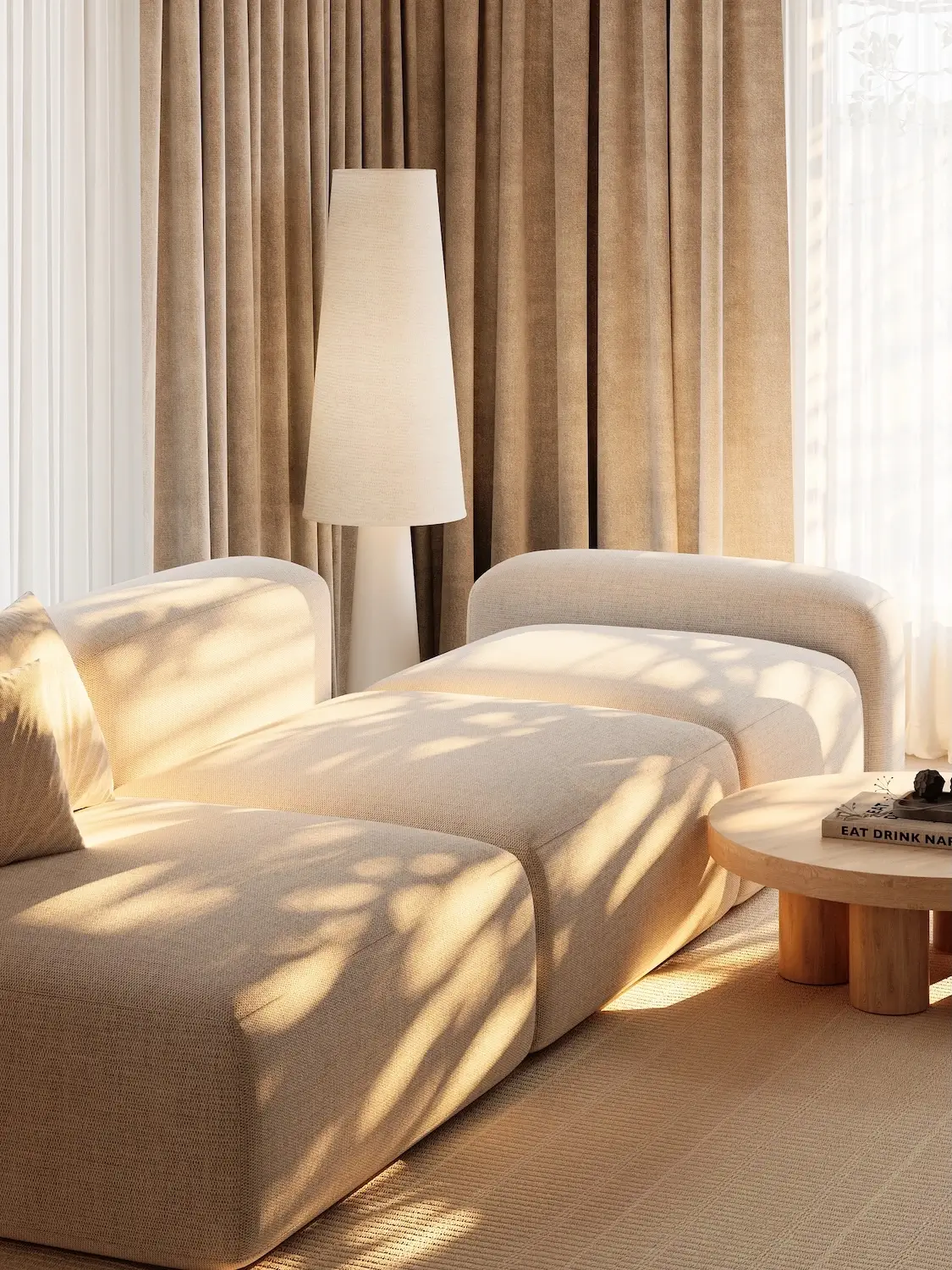
Simply put, it is a way of creating comfort, warmth, and a sense of ease through the atmosphere. The hygge aesthetic shows up in soft lighting, tactile fabrics, layered bedding, quiet corners, and rooms that feel sheltered rather than exposed.
In Scandinavian interiors, hygge influences choices that make a home feel protective and inviting. Lighting is softer, textiles are richer, and the room encourages slowing down. This is one reason Scandinavian hygge feels so different from decorative minimalism that only aims to look clean in photos.
Balance, Function, and Restraint
Another useful idea in Scandi design is moderation. Nothing should feel excessive or deprived. Furniture is chosen for its purpose. Materials should speak for themselves. Decorative elements work best when they complement the room instead of competing with it.
This balance creates interiors that feel settled. The room isn’t trying to prove anything. It simply functions well and feels good to be in.
Scandinavian Colors, Materials, and Decor ElementsScandinavian Colors, Materials, and Decor Elements
When choosing Scandinavian home decor, it helps to think in layers rather than shopping categories. Color sets the mood, materials create warmth, and small objects finish the room. Good Scandi decor does not shout. It supports the larger composition.
Best Colors for a Scandinavian InteriorBest Colors for a Scandinavian Interior
In Scandinavian interior design, the most effective colors are usually warm whites, chalky grays, beige, muted taupe, soft greige, and occasional dusty blue or sage accents. These tones keep the space bright while leaving room for wood grain and textiles to stand out.
The goal is not to make the room colorless. It is to create a calm base that reacts well to natural light throughout the day. Related architectural contexts, from green architecture to climate-driven residential design, often use similarly restrained palettes to support light and material clarity.
Wood, Textiles, and Natural TextureWood, Textiles, and Natural Texture
The most memorable Scandinavian interiors combine light wood with textured fabrics and subtle variations in materials. Wood brings warmth. Wool and linen add softness. Stone, paper, leather, and matte ceramics provide contrast without adding clutter.
Texture matters because it replaces the decorative overload that other styles rely on. A room with few objects still feels complete when the materials have enough depth.
Decor That Supports the Style Without Cluttering It
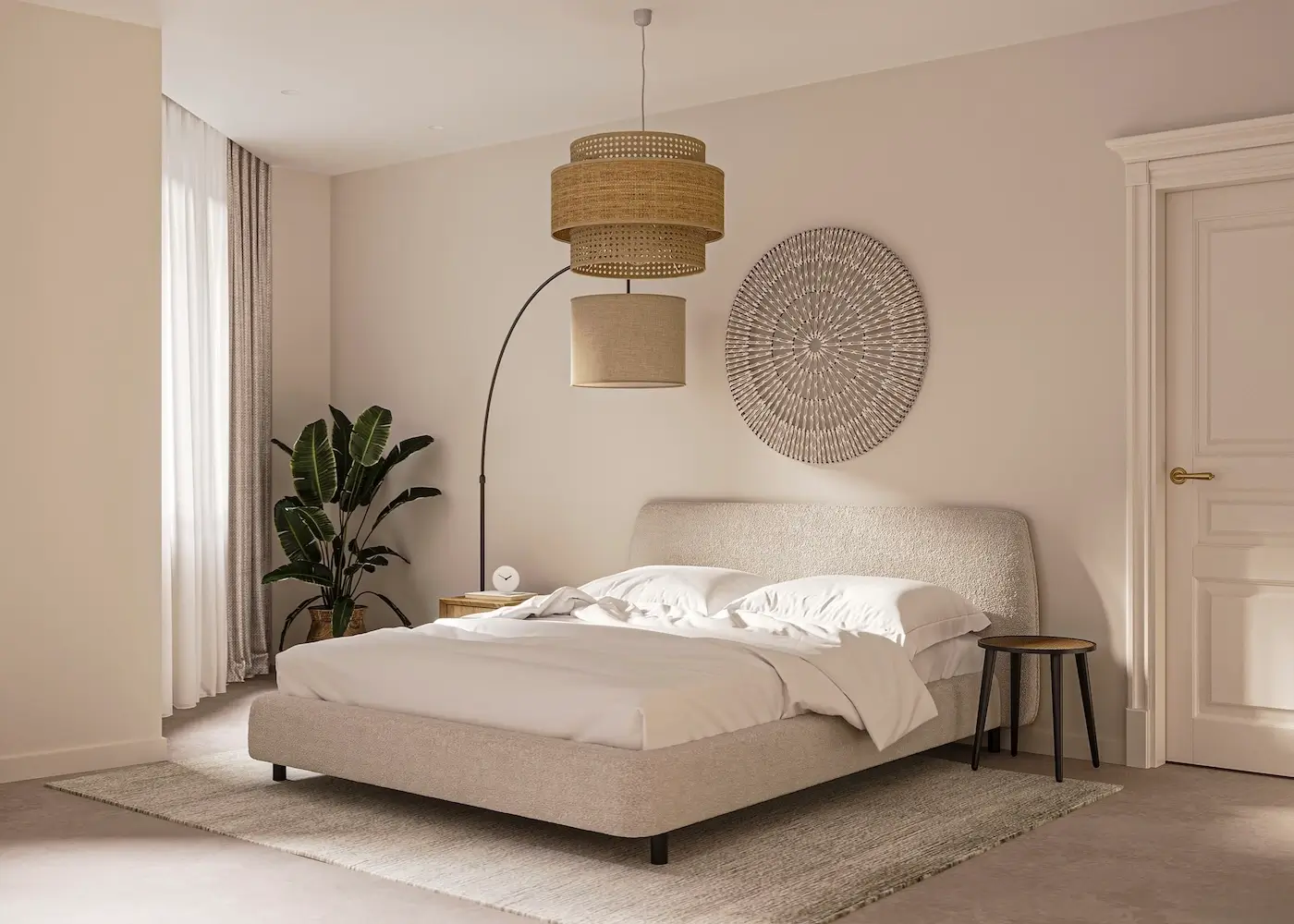
Effective Scandinavian decorating relies on restraint. A mirror that reflects light, a simple pendant light above a table, a framed print, a low bowl, or a sculptural lamp can all be effective. The mistake is adding accessories that have no visual purpose or connection to the room.
In a Scandinavian space, decor should clarify the mood, not interrupt it. This becomes even more apparent when comparing it with more historically expressive directions discussed in guides to popular architectural styles, where ornament and visual identity often play a much larger role.
How to Create Scandinavian Style at HomeHow to Create Scandinavian Style at Home
Good Scandi interior design starts with the room itself rather than buying a collection of matching accessories. The most successful Scandinavian style interior decorating decisions usually come from getting the basics right first: light, layout, furniture, materials, and editing.
Start With a Light and Functional BaseStart With a Light and Functional Base
Begin by simplifying the layout. Remove pieces that block movement or make the room feel visually fragmented. Then build a calm base with light walls, understated flooring or rugs, and a clear sense of what the room needs to do every day.
A strong foundation is more important than decorative styling. Without it, the room may look nice, but it won’t feel Scandinavian.
Choose Furniture With Simple, Purposeful FormsChoose Furniture With Simple, Purposeful Forms
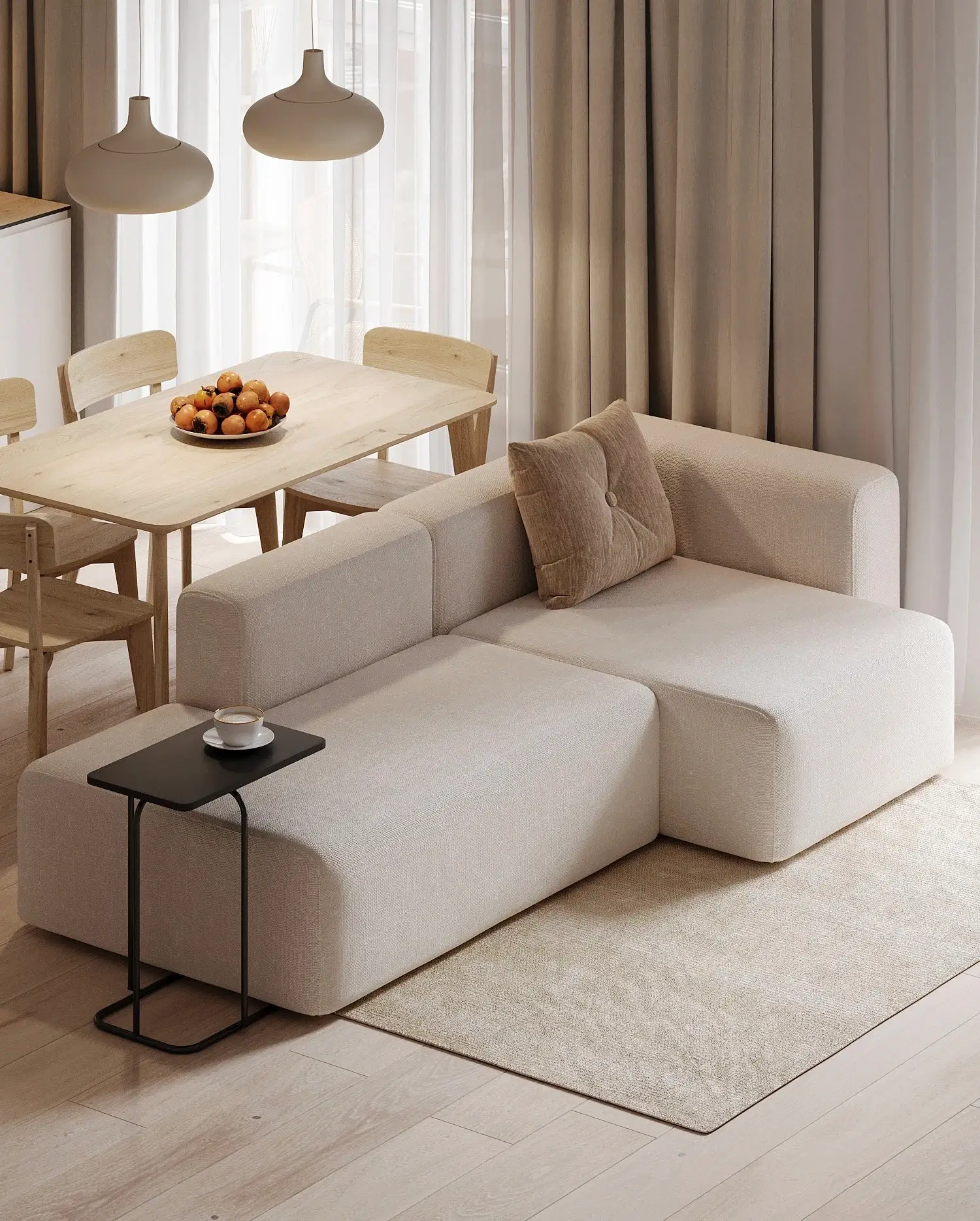
Look for Scandinavian furniture design that combines comfort with visual clarity. Sofas need clean profiles, but should still feel generous. Tables are best when they’re solid and useful without bulky detailing. Good Scandinavian furniture style avoids both heaviness and fragility.
Choose fewer pieces, but let each one contribute to the room’s balance. The furniture should make the space easier to use, not just easier to photograph.
Add Texture, Not Visual Noise
The best Scandinavian decorating ideas rely on texture for richness. Instead of adding more objects, add better materials: a nubby wool rug, washed linen curtains, a timber stool, a boucle cushion, or a matte glazed vase.
That approach preserves the calm of the room while making it feel warmer and more dimensional.
Apply the Style Room by RoomApply the Style Room by Room
In a Scandinavian living room, focus on seating layout, natural light, and one or two strong material contrasts rather than many accent pieces. Keep the furniture arrangement open and readable. For a Scandinavian style bedroom, prioritize soft bedding, quiet colors, simple bedside lighting, and enough empty space for the room to breathe.
A Scandi style living room works best when every item has visual weight without crowding the composition. The same principle applies across rooms: simplify the structure first, then soften it with texture.
Similar decisions also appear in regionally adapted aesthetics such as desert architecture, where climate, light, and material restraint shape the atmosphere of the interior.
Common Mistakes When Decorating in Scandinavian StyleCommon Mistakes When Decorating in Scandinavian Style
Many interiors fall short because they imitate the surface elements but overlook the underlying logic. Even strong Scandinavian decor can fall flat if the room becomes too cold, overly white, or overwhelming.
When Scandinavian Style Starts Looking FlatWhen Scandinavian Style Starts Looking Flat
This usually happens in Scandinavian minimalist interior design when light walls are paired with too little texture, weak contrast, or furniture that is undersized for the space. The room ends up looking unfinished instead of calm.
Another common issue is treating minimalism as the goal rather than the tool. Scandinavian rooms require softness instead of just reduction.
Why Overdecorating Breaks the Look
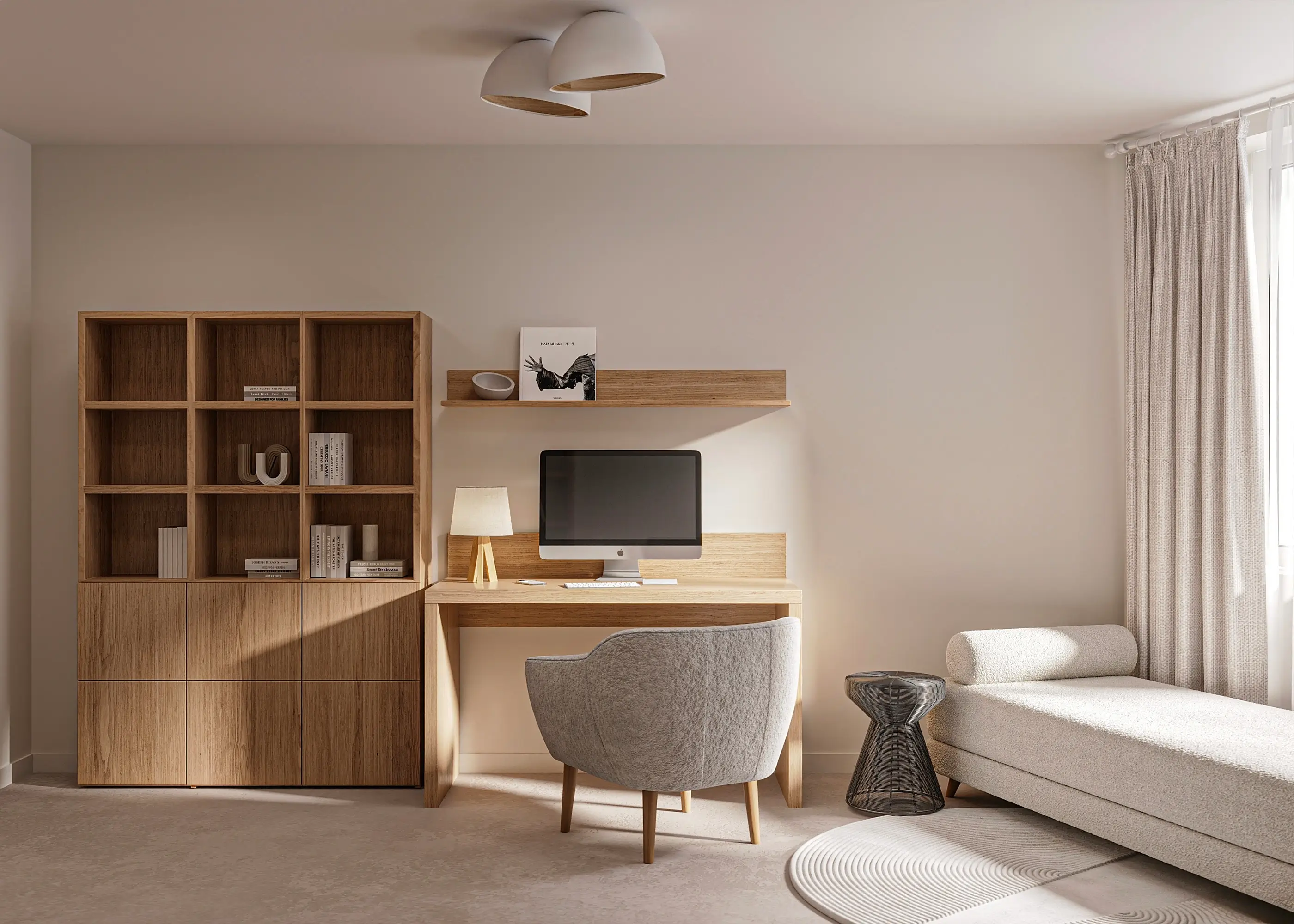
Too many accessories disrupt the visual rhythm and make Scandinavian interior design ideas feel generic. Open shelving packed with objects, decorative items with no purpose, and furniture that is too ornate all pull the room away from the style.
The look is strongest when the eye can rest. This doesn’t mean emptiness, but rather clarity.

Turn Ideas Into Visual Stories
Frequently Asked Questions
The Scandinavian style of interior design focuses on simplicity, functionality, comfort, light, and natural materials. It typically features neutral colors, streamlined furniture, uncluttered layouts, and soft textures that create a calm, livable space. Balance is the defining feature: the space looks visually clean but still feels warm and practical for everyday use.
Scandinavian interior design combines clarity with comfort. It uses simple forms, useful furniture, pale colors, and natural materials to create interiors that feel bright, orderly, and welcoming. Prioritizing functionality over decoration, it focuses on creating homes that work beautifully in real life.
Scandinavian design is a specific visual category within the broader Nordic style. The term “Nordic” can describe a wider range of regional influences, moods, and interiors, including darker or more rustic styles. In contrast, Scandinavian style tends to refer to a cleaner, lighter, softer, and more widely recognized look. In short, that’s the difference between Nordic and Scandinavian design.
Warmth comes from texture, lighting, proportion, and material choice. Scandinavian hygge plays a big role here: soft lamps instead of harsh overhead light, tactile fabrics, light wood, comfortable seating, and spaces arranged for ease rather than show. The coziness is subtle and integrated. It does not depend on excessive decoration, only on a thoughtful atmosphere.
The best Scandinavian style furniture has simple lines, practical function, and a light visual presence. Look for pieces in natural wood or muted upholstery with shapes that feel clean but comfortable. Tables, chairs, and sofas should support everyday use without unnecessary ornament. Furniture works best when it anchors the room clearly and leaves enough space around it to keep the layout open.
Most Scandinavian home decor palettes are based on warm white, ivory, beige, pale gray, greige, and muted earthy shades. These colors reflect light and help the room feel open. Dark accents can appear, but they are usually used with restraint. The point is not stark contrast. It is to create a soft, calm background that lets texture and materials stand out.
Start with layout, scale, and light before styling. Good Scandinavian living room ideas usually include a comfortable sofa, a simple rug, a practical coffee table, warm lighting, and a few well-chosen accents with material depth. Avoid many small decorative items. In a Scandinavian living room, the room should feel open, useful, and softly layered rather than busy or overdesigned.
Although Scandinavian minimalism shares a preference for visual restraint, it is usually warmer and more livable than strict minimalism. Scandinavian rooms rely on softness, natural materials, and emotional comfort, which prevents them from feeling severe. While minimalism sometimes prioritizes reduction alone, Scandinavian interiors aim for a balanced relationship between simplicity and daily comfort.