Buildings account for nearly 40% of global carbon emissions and consume vast amounts of energy, water, and raw materials. As climate concerns intensify and resource scarcity becomes a reality, green architecture has shifted from a niche idea to an urgent necessity.
So, what exactly is green architecture? Is it merely about adding plants to facades, or does it entail a complete overhaul of how we design, build, and inhabit spaces? The green architecture’s meaning goes far beyond aesthetics. It’s a holistic approach to sustainable design that minimizes environmental impact while maximizing human well-being and economic efficiency.
This article will define green architecture in practical terms, explain its core principles, and showcase real-world examples. Learn how modern visualization tools are accelerating the adoption of sustainable building practices.
What Does Green Architecture Mean?
Simply put, green architecture is the practice of creating buildings and structures that are environmentally responsible and resource-efficient throughout their entire lifecycle. This encompasses everything from location selection and design to construction, operation, maintenance, renovation, and demolition.
The green architecture definition encompasses three critical dimensions: environmental stewardship, economic viability, and social responsibility. Unlike conventional construction, which often prioritizes short-term cost savings, green building considers long-term impacts on ecosystems, human health, and community resilience.
Green Architecture Meaning in Simple TermsGreen Architecture Meaning in Simple Terms
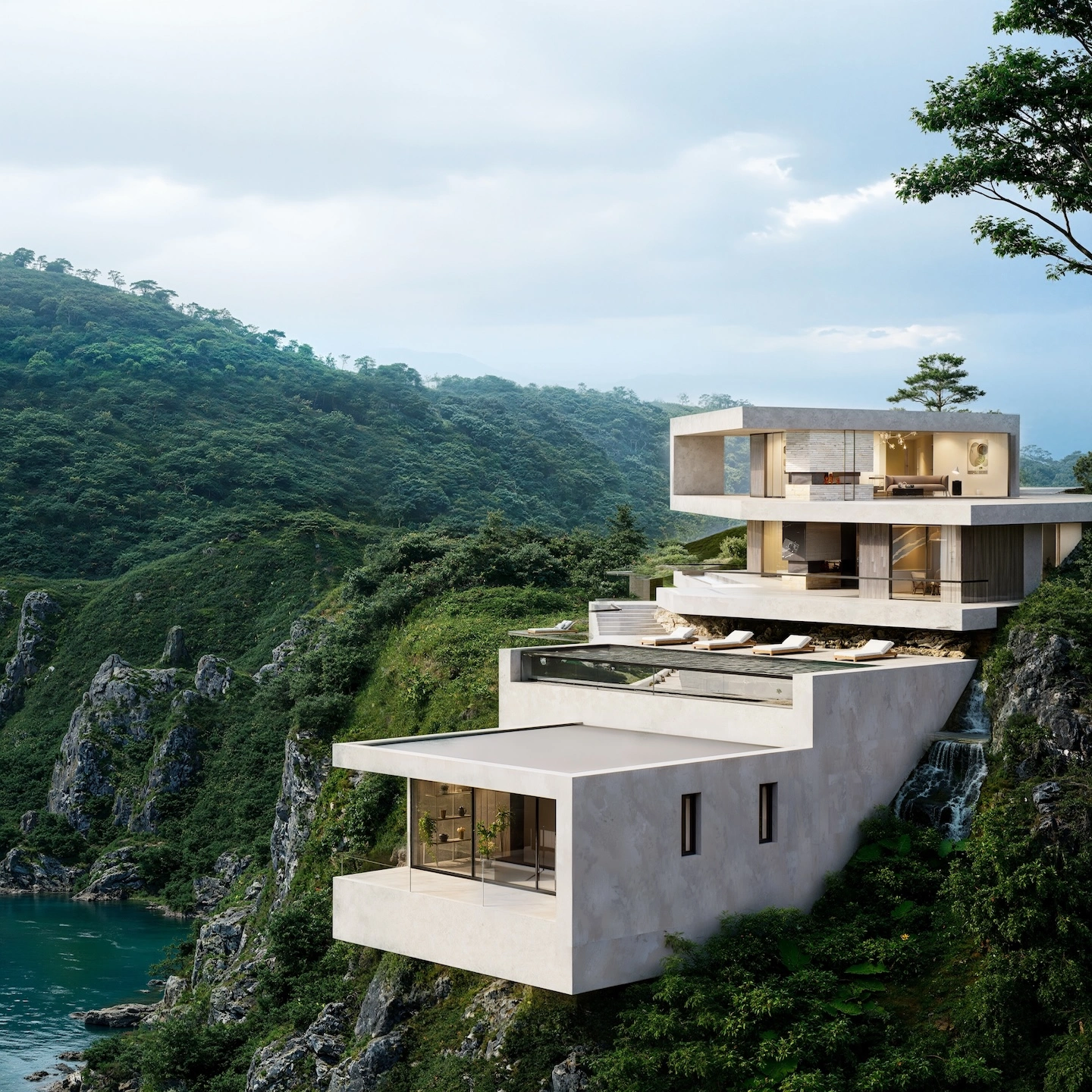
Think of green architecture as designing buildings that work in harmony with nature. Rather than using massive air conditioning systems to fight the climate, green buildings use natural ventilation. Rather than wasting water, they capture and reuse it. Green buildings choose safe, renewable resources over toxic materials.
Every decision in green building is evaluated for its environmental and health impacts, from the building’s orientation to the type of paint used.
Another Name for Green ArchitectureAnother Name for Green Architecture
Though the terms have subtle differences, sustainable architecture is the most common synonym for green construction. You might also hear the terms eco-friendly or environmentally conscious design. These phrases overlap significantly and all share the fundamental goal of creating structures that minimize harm to the planet while enhancing quality of life.
What Is the Difference Between Sustainable and Green Architecture?
This question confuses many people. Although the terms “green architecture” and “sustainable architecture” are often used together, understanding the differences between them helps clarify design intentions.
Where the Two Concepts OverlapWhere the Two Concepts Overlap
Both sustainable and green architecture aim to reduce environmental impact, conserve resources, and create healthier living environments. Each approach considers energy efficiency, water conservation, and eco-friendly materials. In most real-world projects, these terms describe the same buildings.
Key Differences in Focus and ScopeKey Differences in Focus and Scope
Green architecture emphasizes environmental and ecological concerns, such as reducing pollution, protecting biodiversity, and minimizing carbon footprints. It tends to focus more on green aspects, such as vegetation, natural materials, and renewable energy.
Sustainable architecture, on the other hand, takes a broader, systems-level approach. It considers environmental impact, social equity, economic viability, and long-term lifecycle performance. Sustainable green architecture is about more than environmental performance. It also considers whether a building will serve the community for 100 years, remain economically feasible, and support social well-being.
The best projects integrate these perspectives, creating green sustainable architecture that is environmentally sound, economically smart, and socially responsible.
What Is the Purpose of Green Architecture?
Simply put, the goal is to build structures that meet current needs without compromising the ability of future generations to do the same. This mission can be broken down into several interconnected goals.
Human and Economic BenefitsHuman and Economic Benefits
Green building design not only protects the environment, but also creates tangible human benefits. For example, better indoor air quality reduces respiratory problems. Natural lighting improves mood and productivity. Thermal comfort enhances well-being.
From an economic standpoint, green buildings command higher property values, attract quality tenants, and deliver significant savings through reduced utility bills and maintenance costs.
Environmental GoalsEnvironmental Goals
Green buildings promote energy efficiency through passive design, high-performance insulation, and smart systems. They integrate renewable energy sources, such as solar panels and geothermal systems, to minimize reliance on fossil fuels. Green buildings protect water resources by capturing rainwater and recycling graywater. They minimize waste through careful material selection and modular construction techniques.
What Are the Three Principles of Green Architecture?
While there are various frameworks, most experts agree on the fundamental aspects of environmentally friendly design.
Resource EfficiencyResource Efficiency
This principle focuses on doing more with less. Using passive solar design, high-performance windows, and LED lighting is paramount to achieving energy efficiency and slashing consumption. Eco-friendly materials, such as bamboo, recycled steel, and reclaimed wood, reduce embodied carbon. Water-efficient fixtures and drought-resistant landscaping minimize resource depletion.
Environmental ResponsibilityEnvironmental Responsibility
Sustainable construction involves actively protecting and restoring natural systems. It involves preserving existing ecosystems on building sites, reducing pollution during construction, minimizing waste through recycling programs, and designing buildings for disassembly so that their materials can be reused when the building reaches the end of its life.
Healthy and Functional Living EnvironmentsHealthy and Functional Living Environments
Sustainable living isn’t just about the planet. It also concerns people. Green buildings prioritize indoor air quality by using non-toxic materials and ensuring proper ventilation. They maximize natural light to support circadian rhythms. Sustainable design also creates spaces that encourage physical activity, social interaction, and mental wellness.
What Are the 7 Components of a Green Building?
Every sustainable living design integrates several components that work together to create sustainable, high-performing structures.
Core Components ExplainedCore Components Explained
- Sustainable Site Planning
Choose locations that minimize environmental disruption, provide access to public transit, and preserve natural habitats.
- Energy Efficiency
Using passive design, high-performance envelopes, and efficient HVAC systems to minimize energy consumption.
- Water Efficiency
Implementing rainwater harvesting, low-flow fixtures, and graywater recycling to reduce water demand.
- Eco-friendly materials
Selecting renewable, recycled, locally sourced, and non-toxic materials with low embodied carbon.
- Indoor Environmental Quality
Ensuring excellent air quality, natural lighting, thermal comfort, and acoustic performance.
- Waste Reduction
Minimizing construction waste through careful planning, recycling programs, and modular design.
- Renewable Energy Sources
Integrating solar panels, wind turbines, or geothermal systems to generate clean energy on site.
How to Achieve Green Architecture in Real ProjectsHow to Achieve Green Architecture in Real Projects
Sustainable construction requires intentional planning, collaboration, and the right tools from concept to completion.
Start with Passive Design and Site StrategyStart with Passive Design and Site Strategy
The most cost-effective sustainable design strategies are implemented before construction begins. For example, orient buildings to maximize natural light and ventilation. Design shading systems to reduce cooling costs. Preserve existing trees to take advantage of their natural cooling properties. These passive strategies cost little but deliver significant returns.
Choose Better Systems and MaterialsChoose Better Systems and Materials
Prioritize high-efficiency HVAC systems, LED lighting, and smart controls when selecting mechanical systems. For material selection, choose products with environmental product declarations that have low volatile organic compound emissions and recycled content. Work with suppliers who can verify their sustainability claims.
Integrate Renewable Energy and Smart TechnologyIntegrate Renewable Energy and Smart Technology
Solar panels, battery storage systems, and smart building management tools transform green buildings from efficient consumers of electricity into active producers. Energy analysis tools optimize system sizing and placement for maximum return on investment.
Collaborate Across DisciplinesCollaborate Across Disciplines
Green design architecture is most successful when designers, engineers, contractors, and owners collaborate from the outset. Integrated design processes identify problems early on, optimize systems holistically, and eliminate the need for costly change orders.
The Role of 3D Visualization in Green Architecture Design
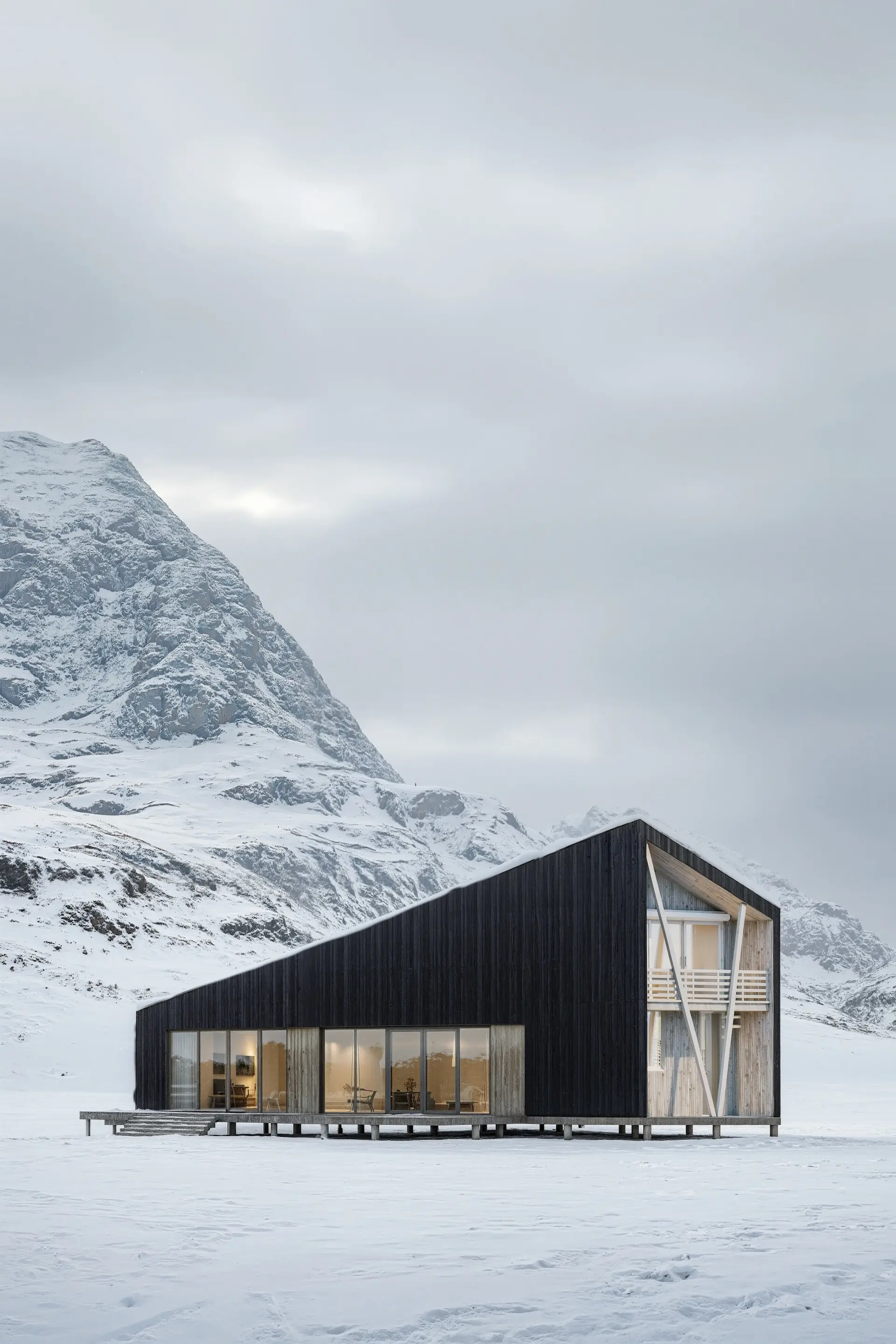
Modern sustainable design relies heavily on advanced visualization tools for making informed decisions before construction begins. 3D rendering and building information modeling enable architects to perform detailed energy analyses, simulate daylighting performance, and test various material selection scenarios in real time.
With photorealistic visualizations, stakeholders can see how natural light flows through spaces at different times of day, how green roofs manage stormwater, and how solar panels integrate with the building’s aesthetic. Virtual walkthroughs help clients understand complex sustainability features, accelerating the approval process and securing support for green investments.
Most importantly, 3D visualization enables teams to identify and solve problems digitally, eliminating the need for costly physical prototypes and reducing waste. This technology improves the performance of sustainable buildings.
Green Architecture Examples
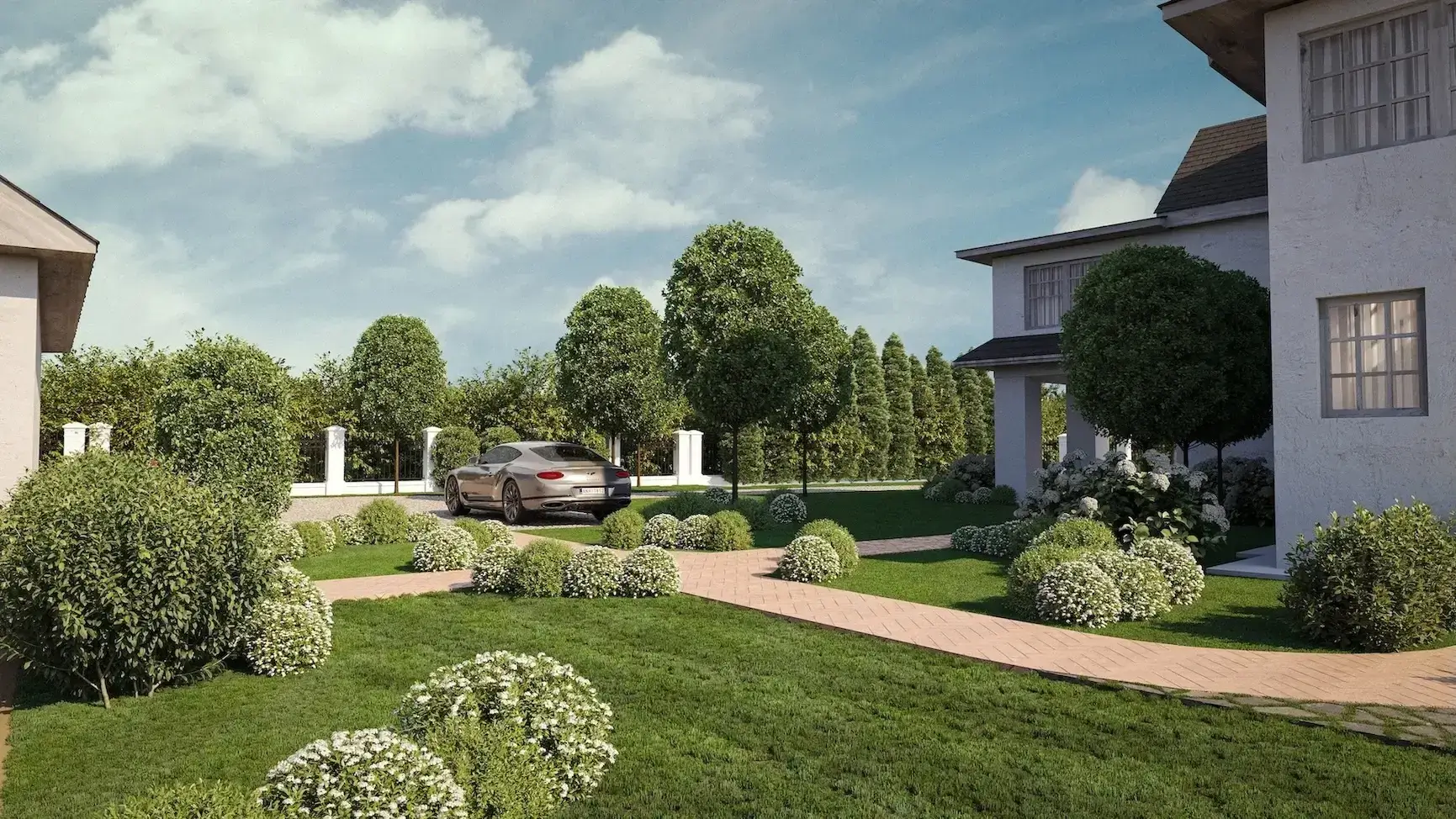
Seeing is believing. Discover how 3D rendering studios help transform eco-friendly principles into stunning, high-performance buildings through sustainable green architecture services.
Residential Green Architecture ExamplesResidential Green Architecture Examples
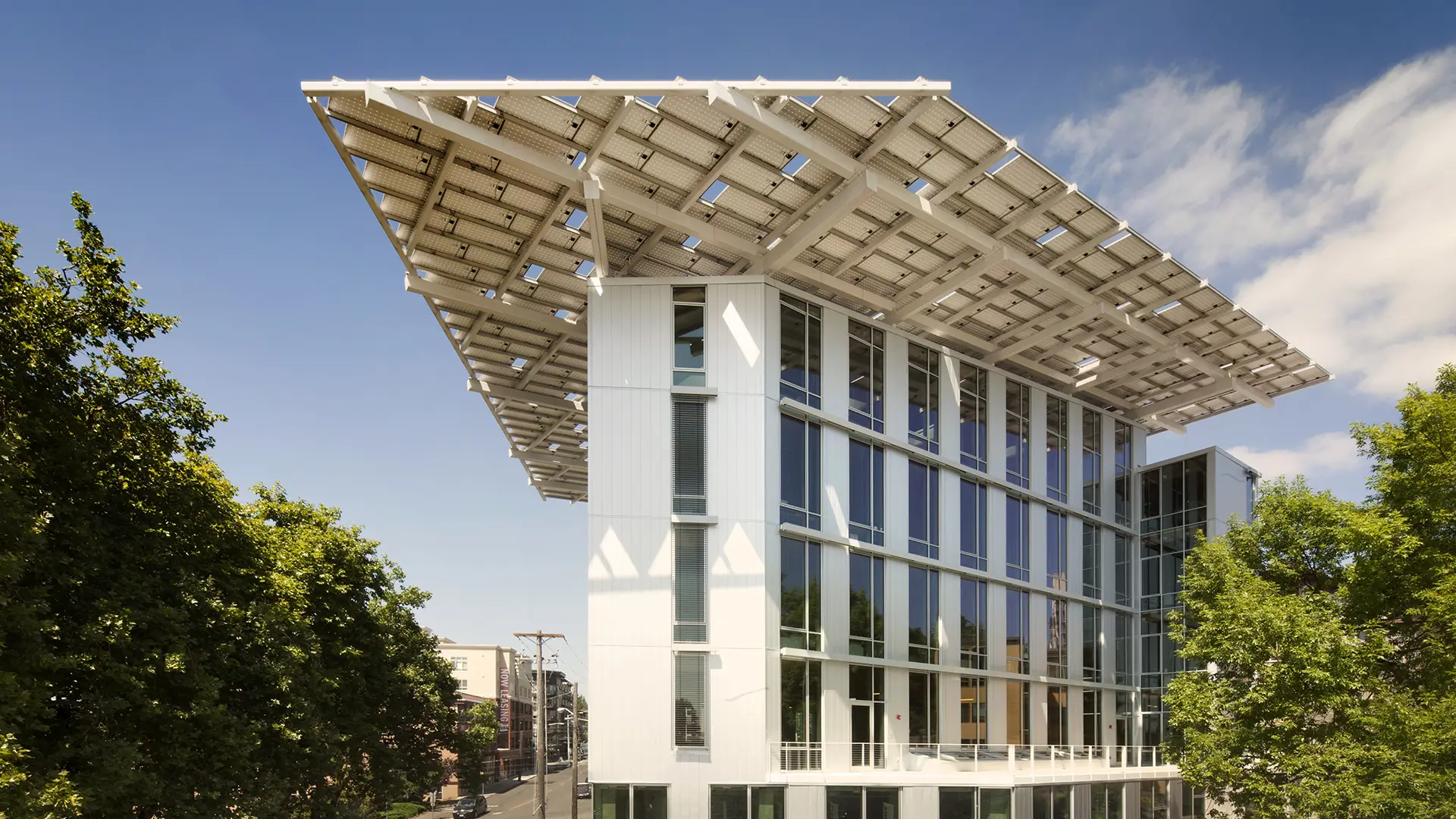
The Bullitt Center in Seattle is often called the greenest commercial building in the world. It features composting toilets, a rainwater harvesting system, and a rooftop solar array that generates more energy than the building consumes. An increasing number of residential projects incorporate green roofs, which insulate buildings, manage stormwater, and create urban habitats.
Commercial and Public Building Examples
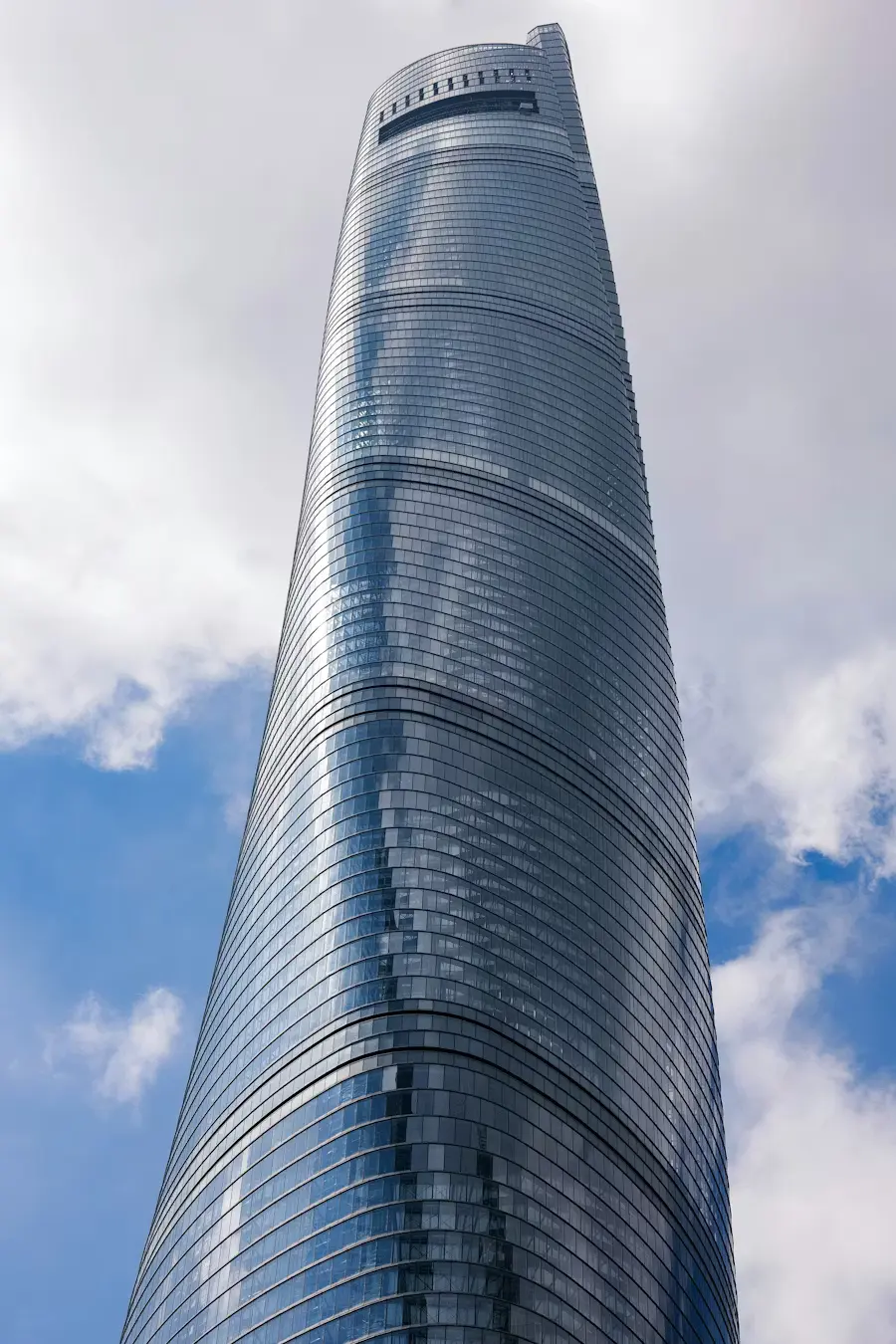
The Shanghai Tower in China achieved LEED Platinum certification by using a double-skin facade, wind turbines, and rainwater recycling, all while housing 128 floors of mixed-use space.
In London, 30 St Mary Axe uses natural ventilation and a diagrid structure to consume 50% less energy than similar buildings. These projects demonstrate that environmental responsibility and iconic design are not mutually exclusive.
Is Green Architecture More Expensive?Is Green Architecture More Expensive?
Every developer asks about the price of sustainable architecture, and the answer is both nuanced and encouraging.
Upfront Cost vs Long-Term ValueUpfront Cost vs Long-Term Value
Green architecture typically requires an additional 2-7% in upfront costs, primarily due to the higher price of high-performance materials and systems. But this premium has decreased significantly as eco-friendly technologies have become mainstream. Additionally, lifecycle costs tell a different story.
Energy efficiency measures typically pay for themselves within 5-10 years through reduced utility bills. Green buildings require less maintenance, have higher occupancy rates, and command a 7-16% premium in resale value. When you factor in health benefits, productivity gains, and risk mitigation, the business case becomes even more compelling.
When Green Design Saves MoneyWhen Green Design Saves Money
Some green strategies are less expensive from the beginning. For example, right-sizing HVAC systems based on efficient building envelopes can save thousands of dollars in equipment costs. Using locally sourced materials reduces transportation expenses. Designing with natural daylight in mind cuts lighting costs immediately.
The key is integrated design that optimizes the entire system rather than individual components.

Turn Ideas Into Visual Stories
FAQ
Green buildings typically deliver a 10-20% return on investment through operational savings alone. When you also consider the 7-16% increase in property values, higher occupancy rates, reduced healthcare costs, and increased employee productivity, the total return can exceed 30% over the lifetime of a building.
Retrofitting existing buildings with energy-efficient systems, improved insulation, LED lighting, low-flow fixtures, and renewable energy sources can significantly reduce environmental impact. Green retrofits often deliver faster payback than new construction and preserve the embodied carbon of existing structures.
Due to lower operating costs, higher occupancy rates, and growing tenant demand for sustainable spaces, green building projects typically have a resale value premium of 7-16%. For commercial sustainable architecture, this translates to stronger net operating income and faster leasing. Investors increasingly consider long-term resilience and regulatory compliance when evaluating green architecture examples.
The most recognized certifications are LEED, BREEAM, and DGNB. To achieve certification, one must perform rigorous energy analyses, document eco-friendly materials, and provide proof of sustainable construction practices. For developers, these labels are marketing assets that justify premium pricing and attract ESG-focused investors. Understanding the green architecture definition within each framework helps teams align their design decisions with certification goals from the beginning.
Material selection is where sustainability and economics converge. Bamboo, reclaimed wood, and recycled steel have low embodied carbon and are competitively priced. High-performance insulation and triple-glazed windows are energy efficient and pay for themselves within 5-7 years. When choosing eco-friendly materials, prioritize products with EPDs and local sourcing to minimize transportation emissions. Making the right choices supports the purpose of green architecture and your bottom line.
Early coordination between architects and engineers is necessary to integrate renewable energy sources, such as solar photovoltaic, geothermal, and wind systems, into a building’s design. In green architecture, these systems are not add-ons, but part of the building’s design. For example, roof pitch and facade angles can be optimized for solar gain while maintaining aesthetic integrity. Proper energy analysis ensures that the systems are sized appropriately to maximize ROI without investing excessively in unused capacity.
Green roofs reduce stormwater runoff by 50-90%, lower cooling loads by up to 25%, and double or triple the life of roof membranes. For urban sustainable living projects, they also provide recreational space and promote biodiversity. In dense environments, green roofs often tip the balance between compliance and leadership in green architecture. The initial cost of green roofs is usually recouped within 8-12 years through energy savings and reduced maintenance.
Green architecture protects assets against rising energy costs, stricter regulations, and changing tenant expectations. Sustainable design reduces operational risk, enhances brand reputation, and provides access to green financing. For developers, sustainable architecture is a strategy to maximize asset value over a 30–50 year lifecycle. The most successful projects treat sustainability as a value driver rather than a cost center.