Contemporary architecture refers to buildings designed and constructed from the late 20th century to the present. Unlike fixed historical styles, this approach evolves with current technology, sustainability priorities, and cultural values.
This article defines contemporary architecture, outlines its defining characteristics, and explains how it differs from modernity.
Contemporary Architecture DefinitionContemporary Architecture Definition
It is challenging to define contemporary architecture precisely.
Generally, it encompasses buildings created since the 1970s that incorporate unconventional forms, innovative materials, sustainable practices, and responsive design thinking. Rather than a single visual template, contemporary architecture is an evolving response to current technological, cultural, and environmental realities.
To understand contemporary architecture’s meaning, think of it as the design of the present time. This style reflects how people live today, the values of society, and what tools architects have available. Unlike Gothic or Baroque architectural styles, which are locked in specific time periods, contemporary architectural styles evolve as technology and priorities change.
What Defines Contemporary Architecture Today?What Defines Contemporary Architecture Today?
Rather than adhering to historical rules, contemporary style architecture is defined by its responsiveness to current needs.
It prioritizes spatial freedom, environmental logic, and technological innovation over ornamentation and rigid formal canons.
Unlike Modernism or Art Deco, contemporary architectural styles don’t share a unified visual language. For example, you might see a curving glass museum in one city and a minimalist timber house in another. Both are expressions of contemporary designed architecture because they reflect current ideas about space, materials, and the human experience.
Key Characteristics of Contemporary ArchitectureKey Characteristics of Contemporary Architecture
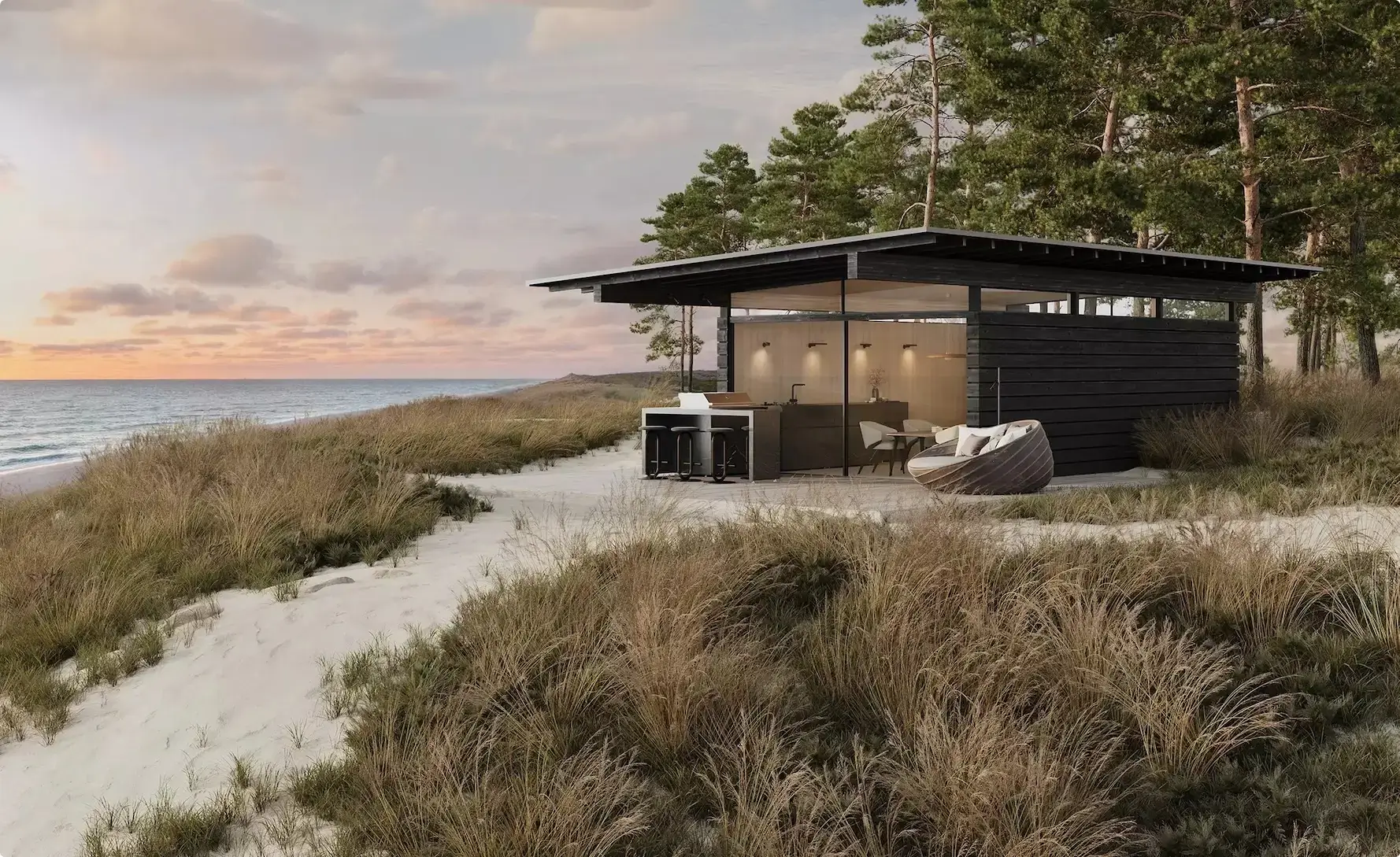
Examples of contemporary architectural characteristics include asymmetry, open floor plans, extensive glazing, unconventional geometry, minimalist detailing, integration of indoor and outdoor spaces, sustainable building systems, and mixed material palettes.
Together, these elements create buildings that feel current, functional, and visually striking.
Form, Space, and Visual LanguageForm, Space, and Visual Language
Contemporary design in architecture emphasizes curved or irregular forms, bold massing, and visual simplicity.
Rather than being rigidly compartmentalized, spaces flow into one another. The relationship between volume, void, and natural light becomes a primary design tool.
Materials, Technology, and Sustainability
Thanks to contemporary architectural design, buildings are now constructed using glass, steel, concrete, engineered wood, and advanced composites.
Digital design tools enable the precise fabrication of complex forms. Smart building systems, renewable energy integration, and environmentally responsible material selection integrate sustainability as a core layer.
Contemporary Architecture vs. Modern DesignContemporary Architecture vs. Modern Design
It’s important to understand the difference between contemporary and modern architecture because these terms are often confused.
The key distinction is as follows:
| Modern Architecture | Contemporary Architecture |
| Historical movement (1920s–1970s) | Current era (1970s–present) |
| Form follows function | Form follows emotion |
| Rectilinear forms, right angles | Asymmetry, curves, free-form shapes |
| Steel, concrete, glass | Mixed materials, smart tech, green systems |
| Fixed stylistic rules | Flexible, hybrid, evolving approach |
The Main Difference in Time and Design Logic
The confusion surrounding contemporary modern architecture stems from everyday language, in which modern simply means new. Technically, modern refers to a specific 20th-century architectural movement with clear rules.
Contemporary architecture borrows from modernism, but it isn’t bound by its rules. A contemporary building could incorporate traditional materials or curved forms, which never appear in pure modernist designs.
Contemporary Architecture Examples
From iconic cultural landmarks to private residences, contemporary architecture examples range widely.
What unites them is the desire to experiment with form, embrace new technologies, and address current environmental or social issues.
Public and Cultural BuildingsPublic and Cultural Buildings
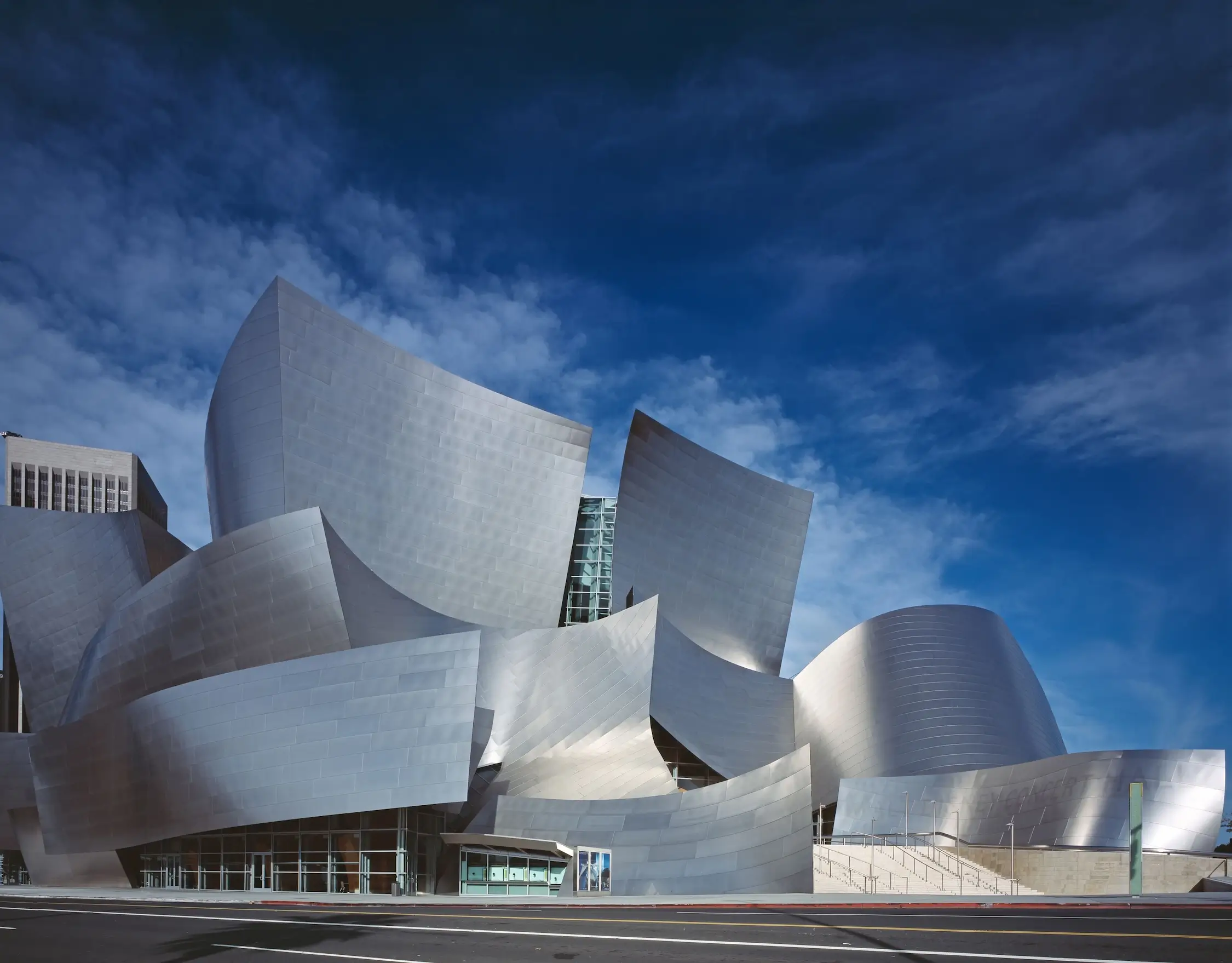
Landmark buildings often best exemplify contemporary architecture because they have the budget and ambition to push boundaries. The Walt Disney Concert Hall in Los Angeles, designed by Frank Gehry, features sculptural stainless steel forms that defy conventional geometry. The Heydar Aliyev Center in Baku, designed by Zaha Hadid, features flowing, curved surfaces that blur the distinction between walls and roofs. These buildings demonstrate how innovative engineering can establish a powerful public identity through contemporary architectural style.
Residential Contemporary Architecture
Private homes and apartment buildings worldwide feature contemporary residential architecture.
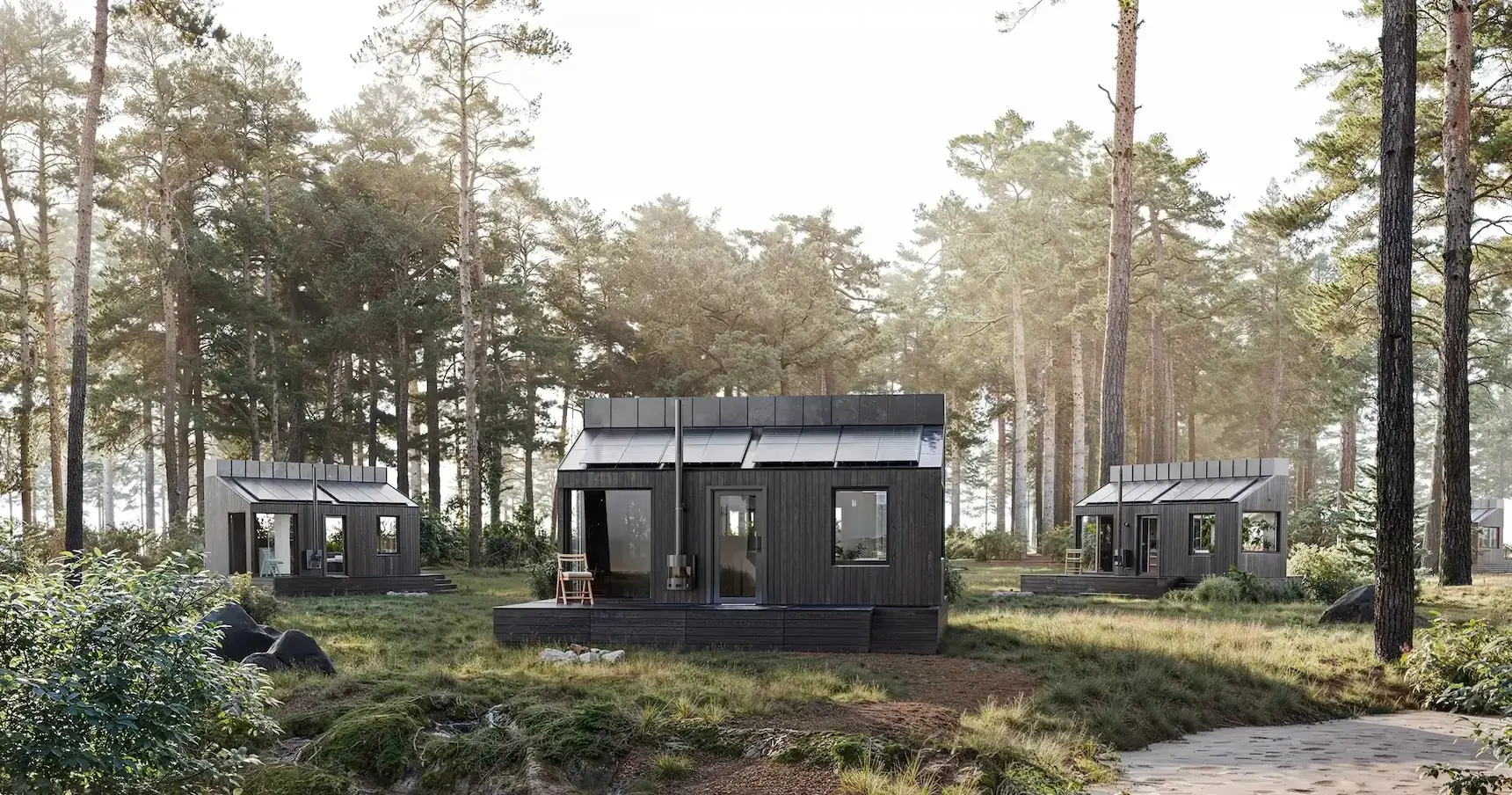
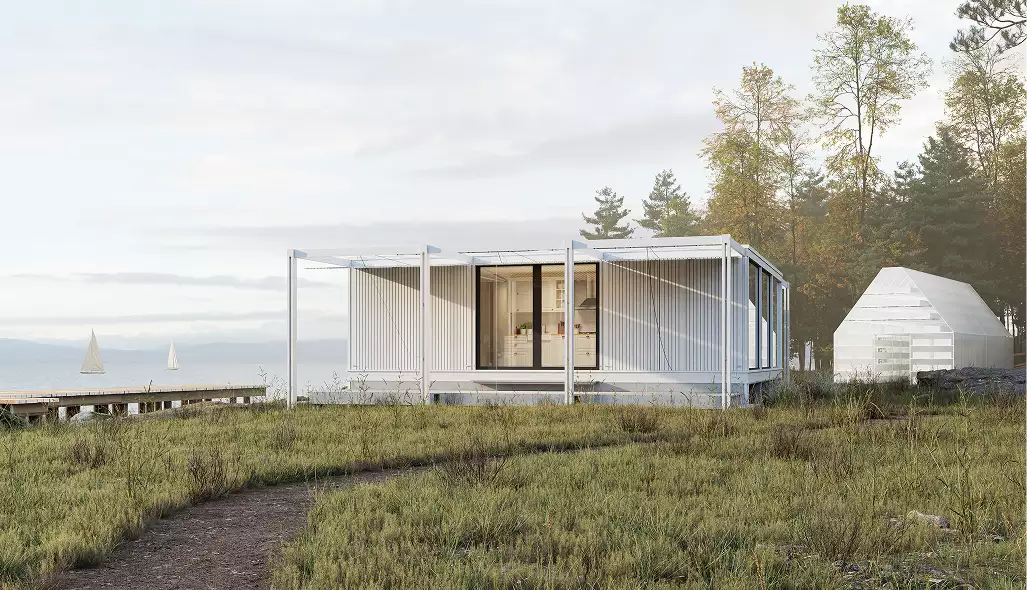
Common elements include floor-to-ceiling windows, open floor plans, a connection to the landscape, and adaptable interiors. Some contemporary houses incorporate passive solar design, green roofs, or modular construction. These features demonstrate that contemporary residential architecture is about performance.
What Makes a House Contemporary?What Makes a House Contemporary?
A building’s construction date is not the only factor that makes it contemporary.
Rather, a contemporary house is defined by a current design logic: open layouts that maximize natural light, clean geometric lines, a seamless flow between the indoors and outdoors, flexible use of space, and integration with the surroundings. It’s about how the building responds to the way people live today.
Why Contemporary Architecture Matters Today
It’s important to consider contemporary building style because it directly responds to urgent environmental, social, and technological realities.
Unlike traditional designs, it reflects how people actually live today. Learn more about how sustainable design shapes the future in our guide to green architecture.
Contemporary architecture embraces flexibility, performance, sustainability, and visual innovation. This helps us rethink what buildings can achieve. Contemporary spaces extend beyond mere shelter to create environments that promote human well-being while respecting planetary limits.

Turn Ideas Into Visual Stories
Frequently Asked Questions
The term contemporary architecture refers to buildings designed from the late 20th century to the present day. These structures feature unconventional forms, innovative materials, sustainable practices, and evolving design approaches that reflect current technology.
Key contemporary architecture characteristics include asymmetry, open floor plans, extensive glazing, unconventional geometry, sustainable systems, mixed materials, minimal ornamentation, and integration of indoor-outdoor spaces.
Notable contemporary architecture examples include Walt Disney Concert Hall, Heydar Aliyev Center, Burj Khalifa, and Guggenheim Museum Bilbao. The styles of contemporary architecture vary widely, and each contemporary architecture style reflects regional and functional priorities.
A contemporary home embodies current design principles instead of just recent construction.
It emphasizes the flexible use of space and integration with the surroundings. A contemporary home style prioritizes quality of space over quantity of rooms.
Key features of contemporary houses include asymmetrical facades, minimal interior walls, extensive glazing, flat or low-sloped roofs, and sustainable systems. Contemporary architecture and design ensure that these elements work together harmoniously.