15 of the Most Popular Architectural Styles in History


Discover High-Quality CGI Services Tailored to Your Business
- Types of Architectural Styles
- Popular Architectural Styles Through History
- 1. Classical Architecture
- 2. Gothic Architecture
- 3. Renaissance Architecture
- 4. Baroque Architecture
- 5. Neoclassical Architecture
- 6. Victorian Architecture
- 7. Art Nouveau
- 8. Modern Architecture
- 9. Brutalist Architecture
- 10. Art Deco Architecture
- 11. Contemporary Architecture
- 12. Sustainable Architecture
- 13. Islamic Architecture
- 14. Postmodern Architecture
- 15. Parametric Architecture
- How to Identify the Architectural Style of a Building
- Key Visual Indicators
- Materials and Construction Methods
- Proportion, Symmetry, Ornamentation
- Historical Context Clues
- Key Elements of Architectural Styles
- Architecture Types in Residential Design
- The Evolution of Architectural Styles
- Future Trends in Architectural Styles
- Frequently Asked Questions
Architecture is a living record of human civilization, offering more than just shelter. Over the centuries, architectural styles have evolved through cultural exchange, technological breakthroughs, and responses to climate and geography. These designs express the values, ambitions, and identity of the societies that created them.
From the proportions of ancient Greek architecture to contemporary sustainable design, architectural styles reflect human progress and are shaped by available materials, construction techniques, and philosophical movements. Understanding these building styles helps us appreciate why certain structures evoke particular emotions and distinguish timeless design from fleeting trends.
This guide explores fifteen architectural design styles that have shaped our built environment. It provides the knowledge necessary to identify, appreciate, and understand the ongoing forces that transform how we design and inhabit spaces.
Architects, designers, and students often study architecture blogs to follow emerging design ideas, contemporary projects, and evolving architectural discourse across different regions and cultures.
Types of Architectural StylesTypes of Architectural Styles
When exploring different architectural styles, it is important to recognise that categorisation is not arbitrary. It reflects fundamental differences in philosophy, construction methods, and cultural context. The architecture kinds we recognise today emerged from various historical periods, geographical regions and societal needs. Together, these styles of architecture form a rich tapestry that continues to influence contemporary design.
Historical Architecture TypesHistorical Architecture Types
Some of the most enduring and admired building styles emerged from the historical architectural styles of the Renaissance period. These include the classical antiquity emphasis on proportion and symmetry, the vertical aspirations and structural innovations of Gothic architecture, and the Renaissance revival of classical principles. Each period responded to its own unique challenges relating to religious expression, defensive needs, and demonstrations of power. This resulted in different building styles that remain instantly recognisable centuries later.
Classical vs Modern Architecture TypesClassical vs Modern Architecture Types
The distinction between classical and modern architecture of the building represents a fundamental philosophical divide. Classical design prioritizes ornamentation, symmetry, and historical references, drawing on Greek and Roman traditions. By contrast, modern architectural building styles, which emerged in the 20th century, embraced functionalism, minimalism, and new materials such as steel and reinforced concrete. These architectural design styles rejected historical decoration in favour of the principle that form should follow function.
Residential Architecture TypesResidential Architecture Types
Architectural styles vary dramatically based on climate, culture, and available resources. Examples range from steep-roofed Cape Cod homes, designed to shed New England snow, to courtyard-centered Islamic residences, designed to provide privacy and climate control. Understanding these architectural types helps explain why certain styles dominate specific regions and how residential design evolves in response to changing lifestyles and environmental concerns.
In extremely hot climates, design strategies evolved specifically to manage heat and sunlight. These principles are explored in desert architecture, where thick walls, shaded courtyards, and natural ventilation help regulate interior temperatures.
For authoritative classification systems, consult official architectural resources documenting government building standards and historical preservation guidelines.
Popular Architectural Styles Through HistoryPopular Architectural Styles Through History
These popular architectural styles shaped more than just skylines. They defined eras, expressed cultural values, and influenced generations of designers. Studying them provides insight into the evolution of human civilization and the technological, social, and philosophical forces that continue to influence contemporary design.
1. Classical Architecture1. Classical Architecture
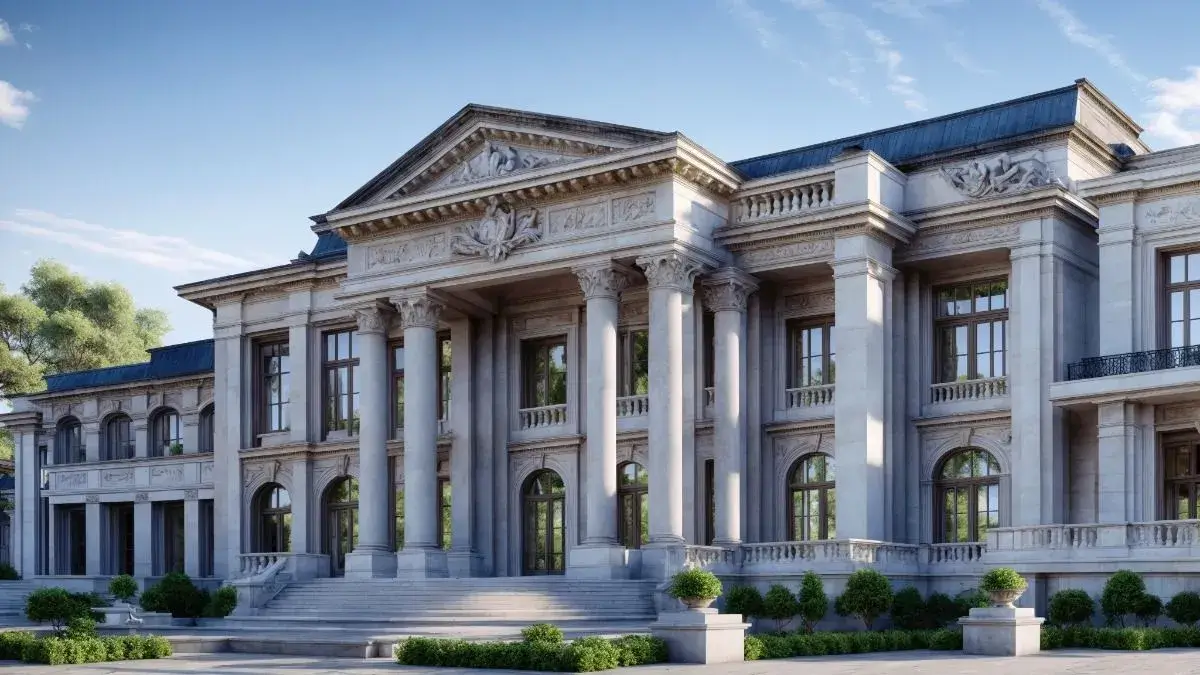
Classical architecture emerged in fifth-century Greece and was later adopted by the Romans. Its principles are still taught today. This architectural style is characterized by Doric, Ionic, and Corinthian columns, pediments, and strict proportional systems. It emphasizes harmony, balance, and mathematical precision. The Romans expanded upon this vocabulary by incorporating arches, vaults, and concrete construction, which enabled them to create structures such as the Pantheon and the Colosseum. The influence of classical architecture never truly disappeared, resurfacing repeatedly throughout the Renaissance, Neoclassical, and Beaux-Arts revivals. This makes it arguably the most enduring building style in Western civilization.
2. Gothic Architecture
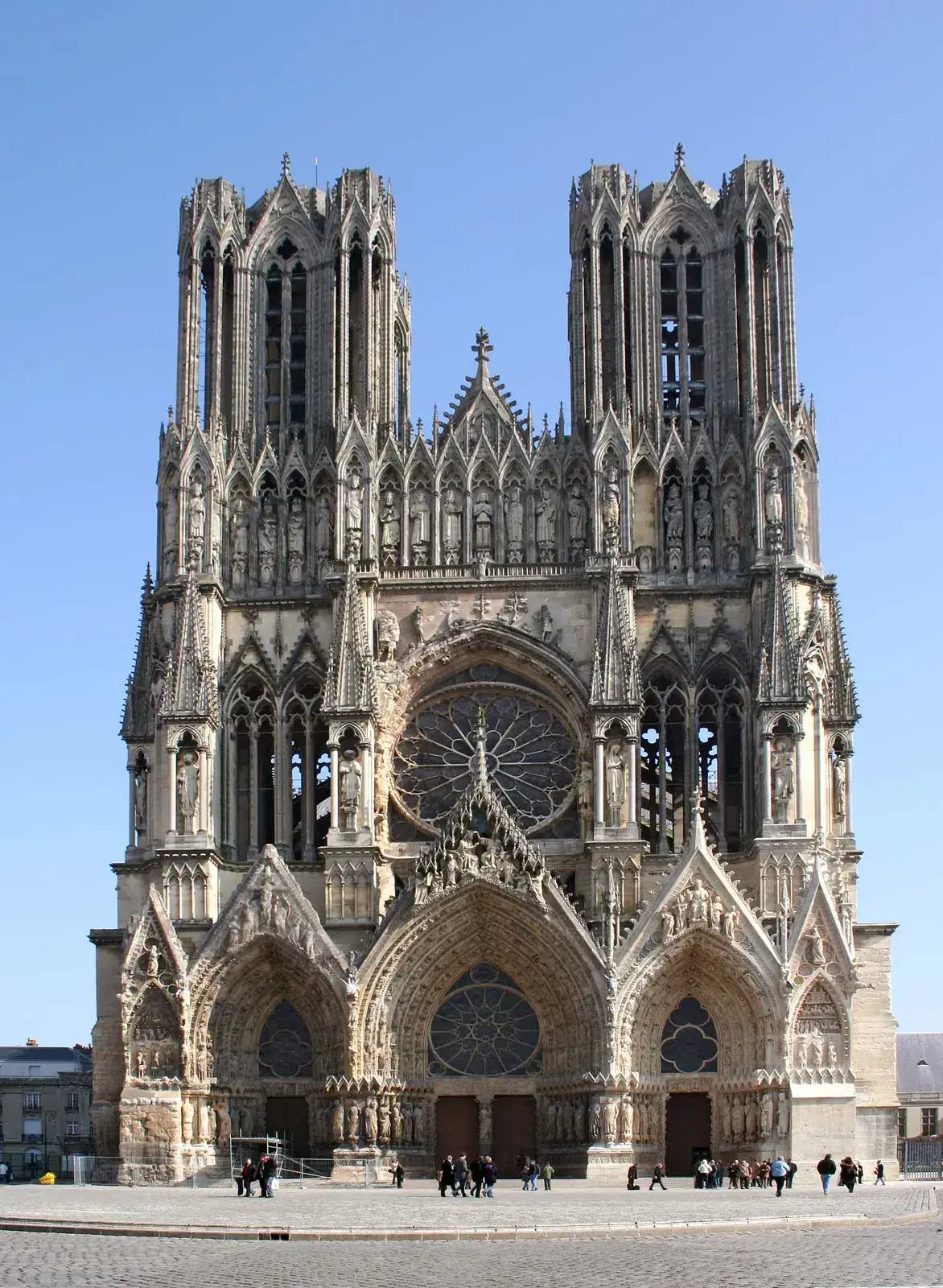
Gothic architecture was born in twelfth-century France and revolutionized construction with its use of pointed arches, ribbed vaults, and flying buttresses. These innovations redistributed structural loads, enabling architects to replace solid walls with expansive stained-glass windows that bathed interiors in colored light. The architecture style’s vertical emphasis, evident in cathedrals such as those in Chartres and Cologne, symbolized the medieval yearning for heaven. Gothic architecture evolved through three periods: early, high, and late. Each era added complexity and ornamentation. Gothic principles influenced not only religious buildings but also castles, universities, and civic structures. Together, these architecture design styles created a visual language of power and piety that dominated European architecture over the next four centuries.
3. Renaissance Architecture
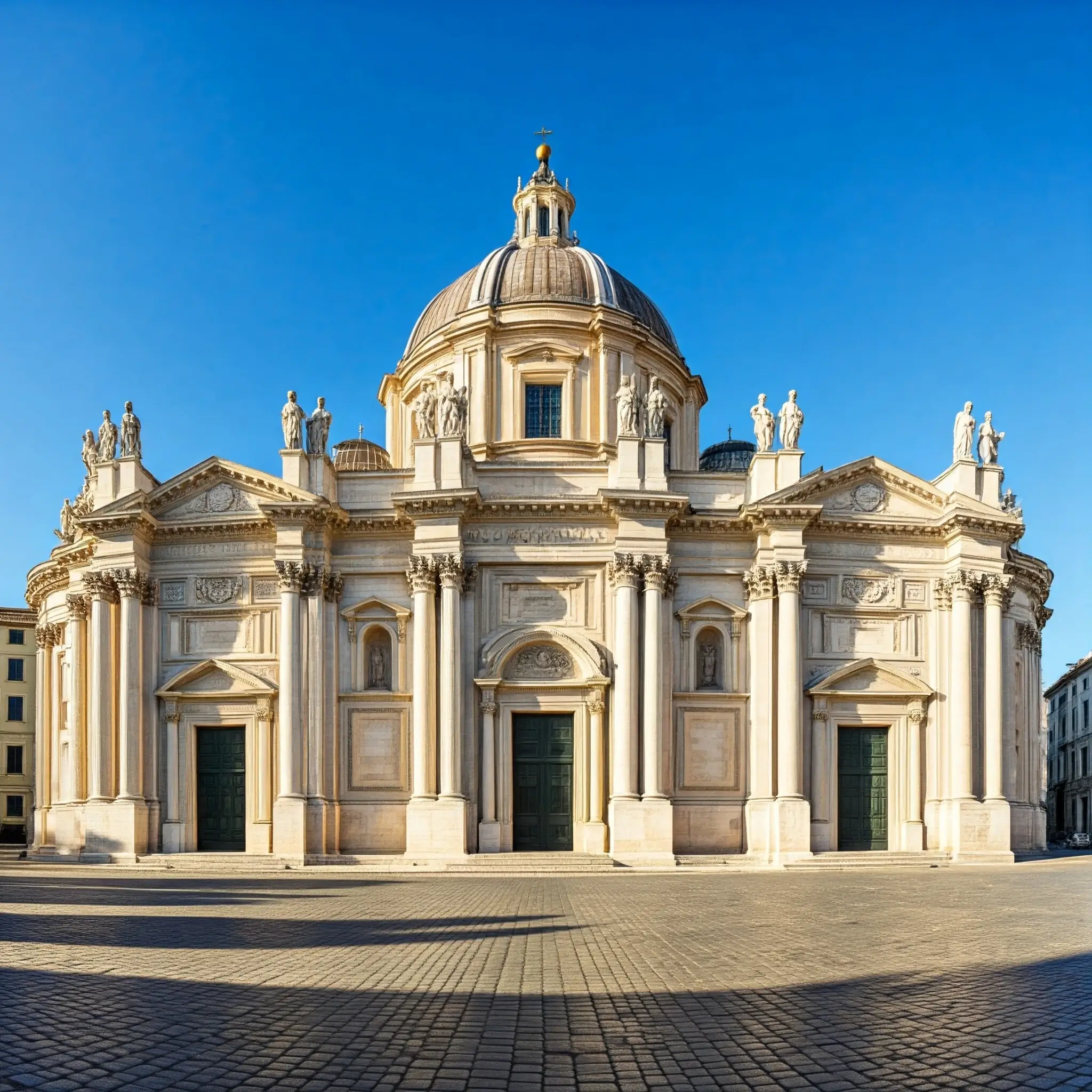
Renaissance architecture emerged in fifteenth-century Florence as a deliberate return to classical principles after the Gothic period. Architects such as Brunelleschi and Palladio studied Roman ruins and applied mathematical proportions, symmetry, and classical orders to create balanced structures. This style of architecture emphasized horizontal lines, rounded arches, and domes. The dome of Florence Cathedral, for example, is still considered an engineering marvel. Renaissance architectural styles spread from Italy across Europe, adapting to local contexts while maintaining the core principles of balance and human-scale proportion. During this period, architecture became an intellectual discipline. Treatises by Alberti and Palladio influenced different architectural styles for centuries and established standards that are still referenced in contemporary classical design.
4. Baroque Architecture
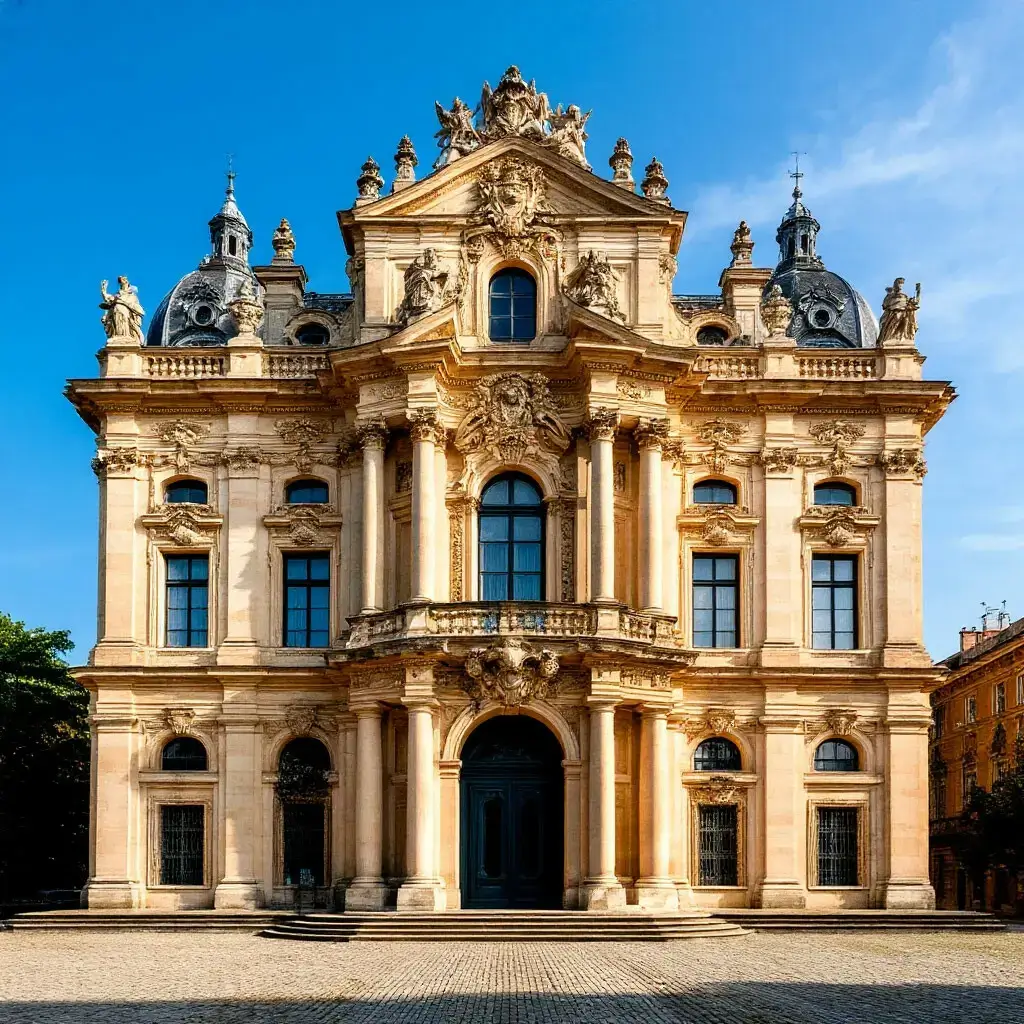
Baroque architecture, which originated in Rome in the late sixteenth century, embraced drama, movement, and emotional intensity. Unlike the restraint of the Renaissance, Baroque architecture featured curved walls, elliptical spaces, dramatic lighting contrasts, and elaborate ornamentation. During the Counter-Reformation, the Catholic Church promoted the style, using its theatrical power to inspire awe and devotion. Buildings such as Versailles and St. Peter’s Square exemplify the Baroque mastery of spatial manipulation and symbolic grandeur. Through European colonization, the style spread globally, adapting to local contexts in Latin America and Asia. The Baroque style’s emphasis on emotional impact and dynamic forms has influenced subsequent architectural styles and continues to inspire contemporary designers seeking to create dramatic spatial experiences.
5. Neoclassical Architecture
Emerging in the middle of the eighteenth century as a reaction against the excesses of the Baroque period, Neoclassical architecture aimed for purity by directly referencing Classical Greek and Roman styles. Interest in ancient models was fueled by excavations at Pompeii and Herculaneum, while Enlightenment ideals favored reason and order over ornamentation. Neoclassical architecture is characterized by tall columns, triangular pediments, symmetrical facades, and minimal decoration. It became synonymous with democratic ideals and was adopted for government buildings across Europe and America. Prime examples include the U.S. Capitol and the White House. It became associated with democracy and was adopted for government buildings across Europe and America. The U.S. Capitol and the White House are prime examples of this association. Neoclassical design styles dominated the 19th century through colonial expansion and remain influential in institutional architecture today. This demonstrates how architectural styles can carry political and cultural meaning across centuries.

6. Victorian Architecture
Victorian architecture encompasses the various building styles that emerged during Queen Victoria’s reign from 1837 to 1901. These building styles reflect the era’s industrial prosperity and technological innovation. Rather than being defined by a single style, Victorian architecture incorporates Gothic Revival, Italianate, Queen Anne, and Second Empire styles, which are often mixed together. Characteristic features include asymmetrical facades, decorative trim, steep roofs, bay windows, and vibrant color schemes. Thanks to industrial mass production, ornamentation became affordable for middle-class homes, making architectural embellishments more accessible. The Painted Ladies of San Francisco and London’s terraced houses exemplify the range and adaptability of Victorian architecture. Initially dismissed as excessive, Victorian architecture’s craftsmanship and variety have gained renewed appreciation and influence on contemporary residential styles that value character and historical reference.

7. Art Nouveau
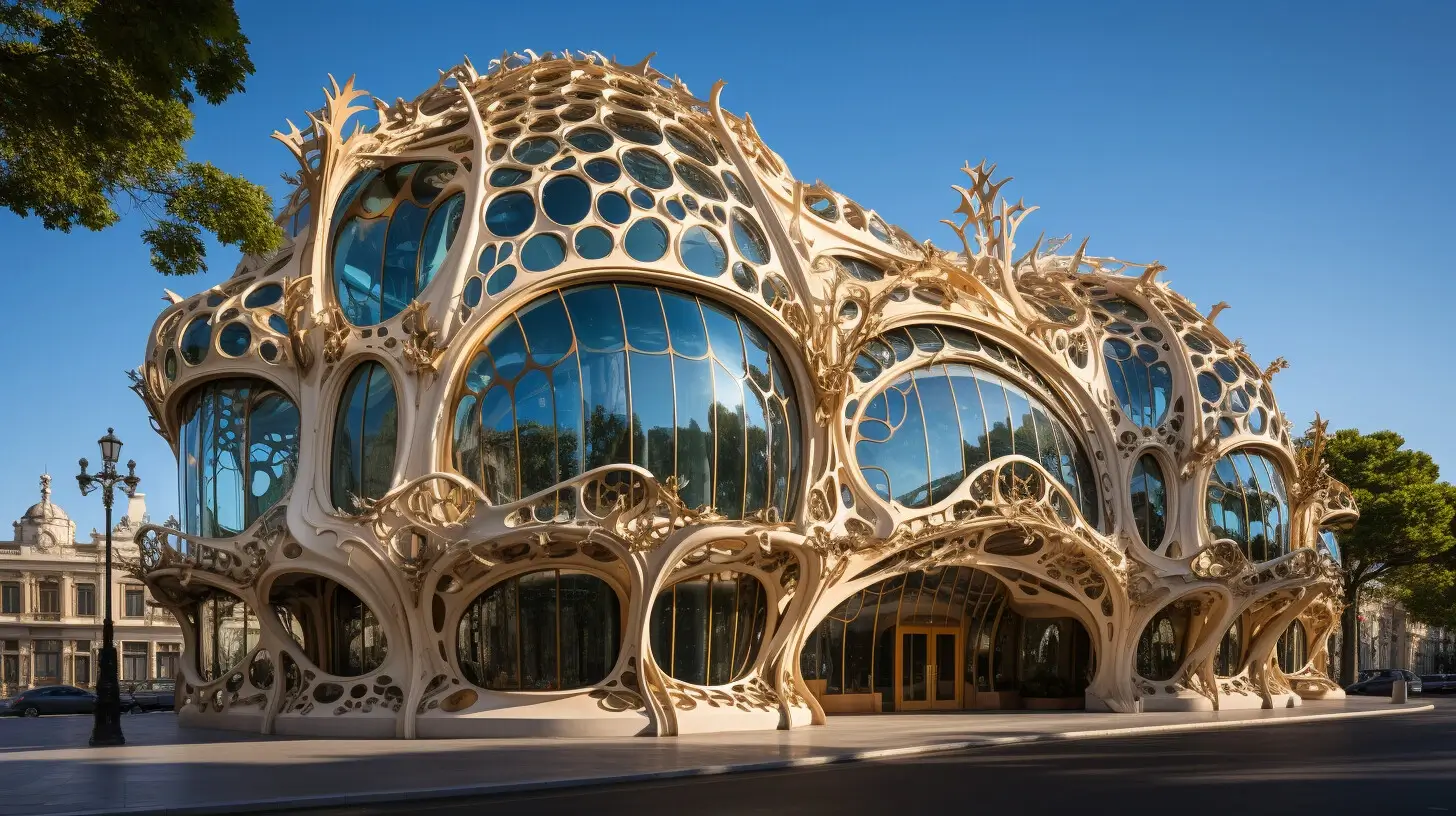
The Art Nouveau style flourished from 1890 to 1910, representing a radical departure from historical revivalism. It sought to establish a new architectural style for the modern era. Inspired by natural forms, such as flowing plants and organic curves, architects like Gaudí, Horta, and Mackintosh created distinctive designs featuring asymmetrical compositions and the integration of decorative arts. They also embraced craftsmanship and incorporated new materials, such as iron and glass. Notable architects like Gaudi, Horta, and Mackintosh designed buildings with whiplash curves and floral motifs that integrated decorative arts. The holistic approach of Art Nouveau extended to furniture, textiles, and fixtures, resulting in total works of art. Though the movement was short-lived, its emphasis on organic forms and rejection of historical imitation influenced later architectural styles, particularly through its celebration of craftsmanship and integration of structure with ornamentation. These principles resonate in contemporary sustainable and biophilic design approaches.
8. Modern Architecture
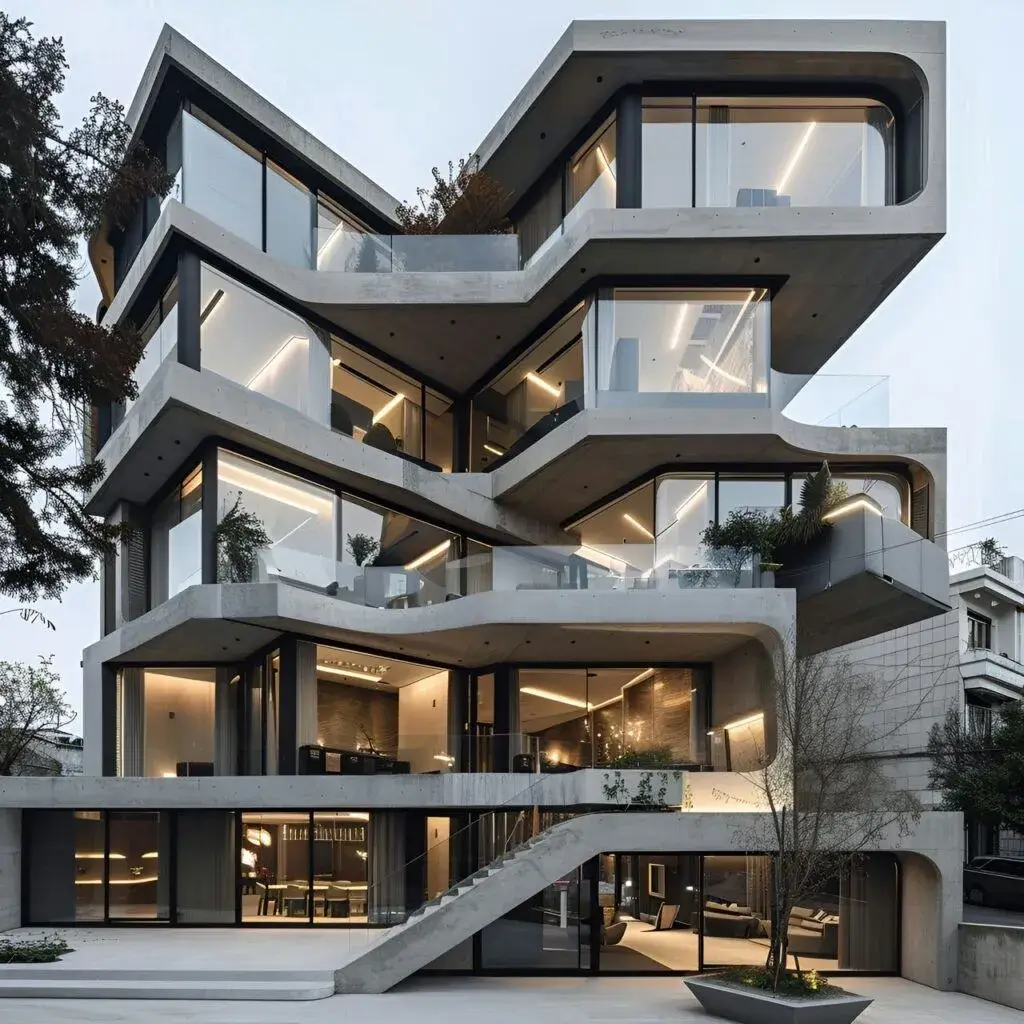
Modern architecture emerged in the early twentieth century, introducing new styles based on functionalism and minimalism, along with new technologies. Pioneers such as Le Corbusier, Mies van der Rohe, and Frank Lloyd Wright rejected historical ornamentation in favor of the form-follows-function principle and machine-age aesthetics. Characteristic features include open floor plans, flat roofs, ribbon windows, and an honest expression of steel, concrete, and glass. The International Style spread globally, creating a universal architectural style that dominated mid-century institutional and commercial design. Modernism’s social agenda of providing affordable, healthy housing through rational design influenced urban planning and public policy. Though criticized later for its sterility and cultural insensitivity, the functional clarity and structural honesty principles of the modernist architectural style remain foundational to contemporary practice. This demonstrates the movement’s enduring influence on how we conceive of building styles today.
9. Brutalist Architecture
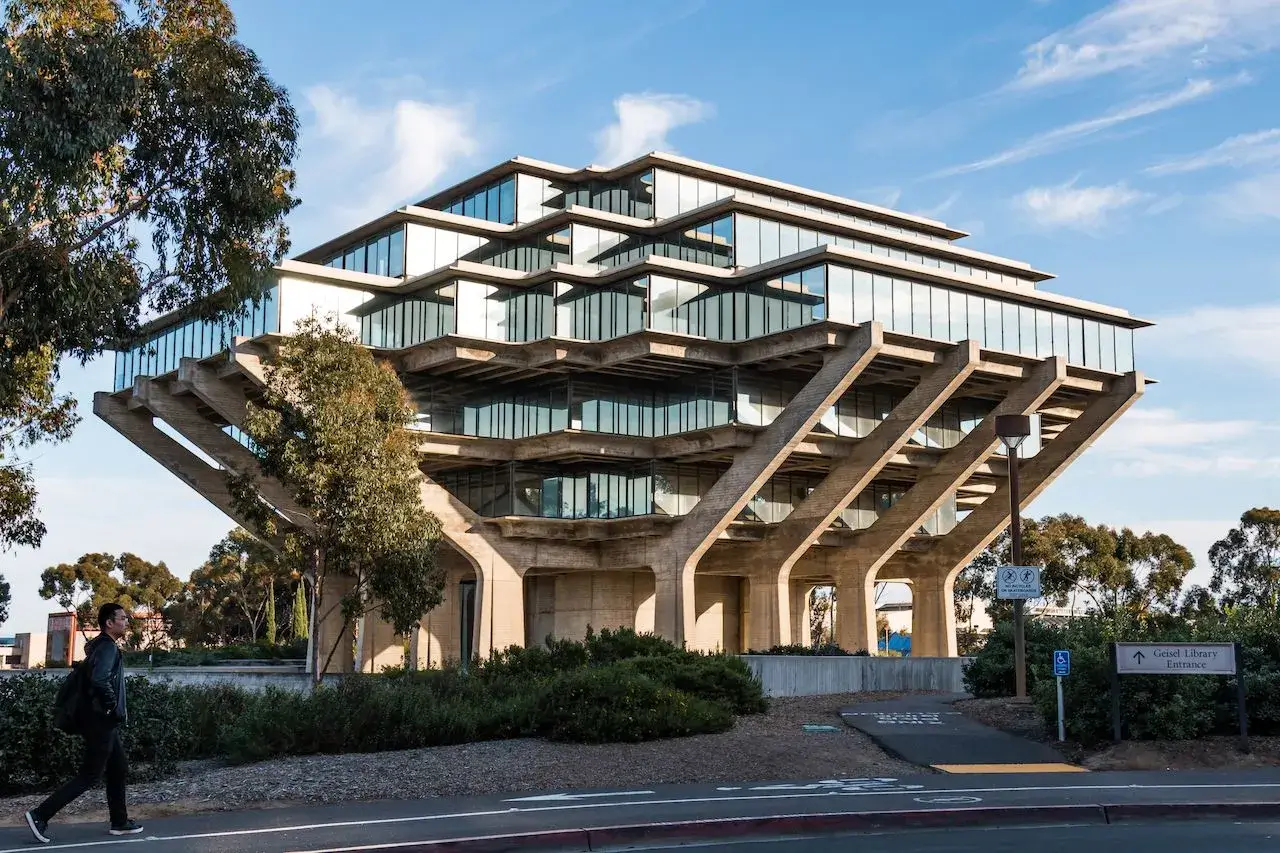
Brutalist architecture emerged in the 1950s and 1970s. Taking the principles of modernism to the extreme, this style celebrated raw concrete and monolithic forms. With its blocky, fortress-like appearance featuring exposed structural elements, minimal windows, and rough textures, Brutalist architecture proved deeply polarizing. Designing buildings for universities, government offices, and social housing projects, Brutalist architects prioritized function and social ideals. Le Corbusier, Paul Rudolph, and Alison and Peter Smithson, among others, created powerful sculptural designs that expressed structural logic and material authenticity. Initially, Brutalism was praised for its social commitment and formal boldness. Later, the style was criticized for its perceived inhumanity and deterioration. Recently, Brutalism has gained renewed appreciation for its sculptural power and honest materiality. Many Brutalist landmarks are now protected, demonstrating how architectural tastes evolve and how controversial styles can gain historical significance.
10. Art Deco Architecture
The Art Deco style flourished in the 1920s and 1930s, embodying the glamour and optimism of the Machine Age. Unlike the austerity of modernism, Art Deco architecture embraced decoration. These architectural styles incorporated geometric patterns, zigzags, sunbursts, and stylized motifs inspired by ancient Egypt, classical antiquity, and modern technology. The Chrysler Building and the Empire State Building, for example, exemplify the style’s vertical emphasis, setbacks, and opulent materials, such as chrome, glass, and exotic woods. The combination of craftsmanship and industrial production created a unique Art Deco style that blended historical ornamentation with modern aesthetics. The architectural style spread globally, adapting to local contexts everywhere from Miami Beach to Mumbai. Though eclipsed by modernism after World War II, the decorative richness and optimistic spirit of Art Deco have experienced a revival, influencing contemporary architectural styles that balance modernity with ornamentation and historical references.

11. Contemporary Architecture
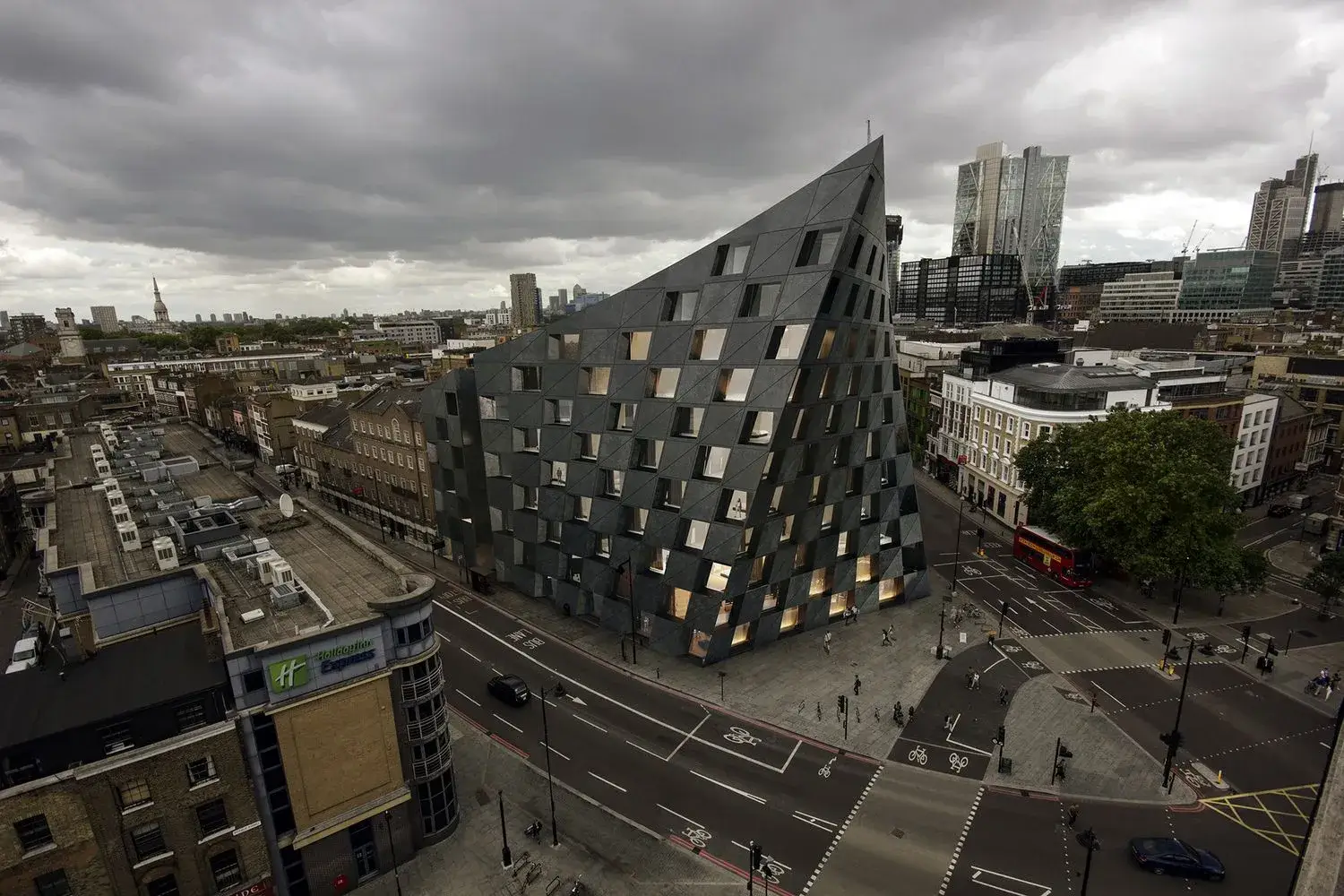
Contemporary architecture encompasses building styles from the late-twentieth century to the present day. Rather than being characterized by a single dominant approach, it is characterized by diversity. Unlike the unified vision of modernism, contemporary architectural styles embrace pluralism by combining historical references, innovative technologies, and sustainable practices. Characteristic features include curved forms, unconventional volumes, open floor plans, and integration with the surrounding environment. Advanced 3D modeling enables complex geometries that were previously impossible, and new materials like carbon fiber and smart glass expand design possibilities. Different contemporary styles prioritize sustainability, cultural sensitivity, and user experience, reflecting the interconnectedness of the globalized world. Architects such as Zaha Hadid, Norman Foster, and Bjarke Ingels exemplify this range, from fluid parametric forms to high-tech innovations. Contemporary architecture continues to evolve in response to climate change, urbanization, and technological disruption, making it a dynamic field.
12. Sustainable Architecture
In response to the environmental crisis, sustainable architecture emerged, making ecological responsibility a priority in architectural design. Beginning with the energy crisis of the 1970s and accelerating alongside growing climate awareness, this approach minimizes environmental impact by incorporating energy-efficient features, renewable materials, and regenerative design principles. Examples of these designs include passive solar orientation, green roofs, rainwater harvesting, natural ventilation, and locally sourced materials. Certifications such as LEED and BREEAM have established standards for measuring sustainability performance. Unlike earlier building styles, which focused primarily on aesthetics or function, sustainable architecture integrates environmental, social, and economic considerations to create buildings that give back more than they take. Pioneering projects such as the Bullitt Center and the Edge generate more energy than they consume, demonstrating net-positive performance. The principles of sustainable architecture are influencing all architectural styles, making ecological responsibility a fundamental aspect of contemporary practice rather than a niche concern.

13. Islamic Architecture
Islamic architecture emerged in the seventh century and spread across diverse regions, resulting in distinctive styles unified by cultural and religious principles. Characteristic features include geometric patterns, arabesques, calligraphic decorations, horseshoe arches, domes, and courtyard-centered designs. The mosque, with its mihrab, minaret, and prayer hall, is the most defining example of this style. But Islamic architecture also produced palaces, madrasas, and extraordinarily sophisticated tombs. Regional variations absorbed local traditions, such as Persian iwans, Spanish horseshoe arches, and Mughal gardens, creating a rich diversity within shared principles. Notable structures that exemplify the technical mastery and spiritual aspirations of Islamic architecture include the Taj Mahal, the Alhambra, and the Dome of the Rock. The style’s emphasis on geometry, light, and spatial sequence continues to influence contemporary architectural designs, particularly in Middle Eastern and North African contexts, where modern architects reinterpret traditional principles for modern needs.

14. Postmodern Architecture
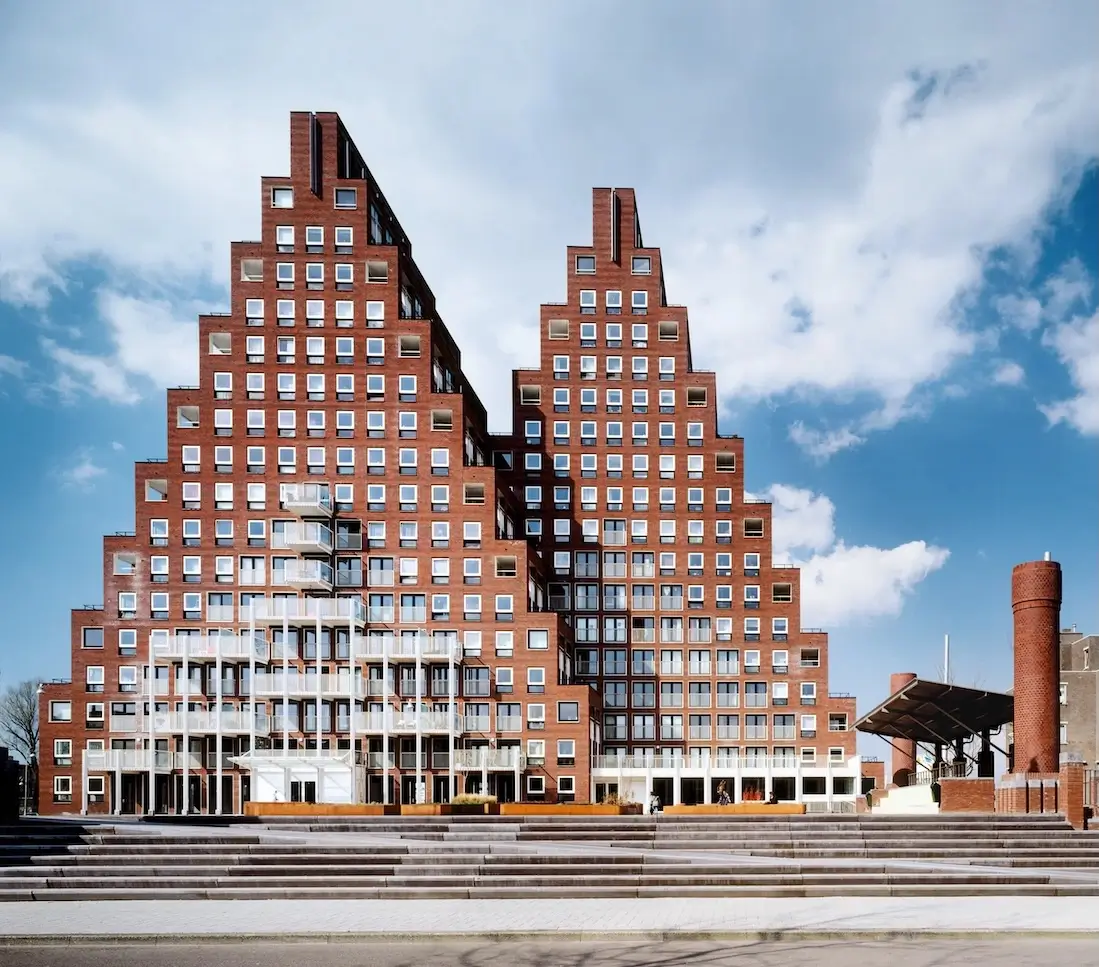
Postmodern architecture emerged in the 1960s and 1970s as a reaction against the austerity and universalism of modernism. Postmodern architects rejected the idea that less is more, instead embracing complexity, contradiction, and historical references with irony and playfulness. For example, Robert Venturi, Michael Graves, and Philip Johnson designed buildings with colorful facades, unexpected classical elements, and symbolic ornamentation. This style challenged the universal truths of modernism by arguing that building styles should reflect local contexts, histories, and cultural meanings. Postmodern architecture ranged from playful populism to sophisticated theoretical positions and influenced commercial, institutional, and residential design. Though the movement’s popularity waned by the 1990s, its critique of modernism’s limitations and emphasis on architecture’s communicative power permanently expanded the vocabulary of architectural styles. This paved the way for a contemporary pluralism that accepts multiple valid design approaches.
15. Parametric Architecture
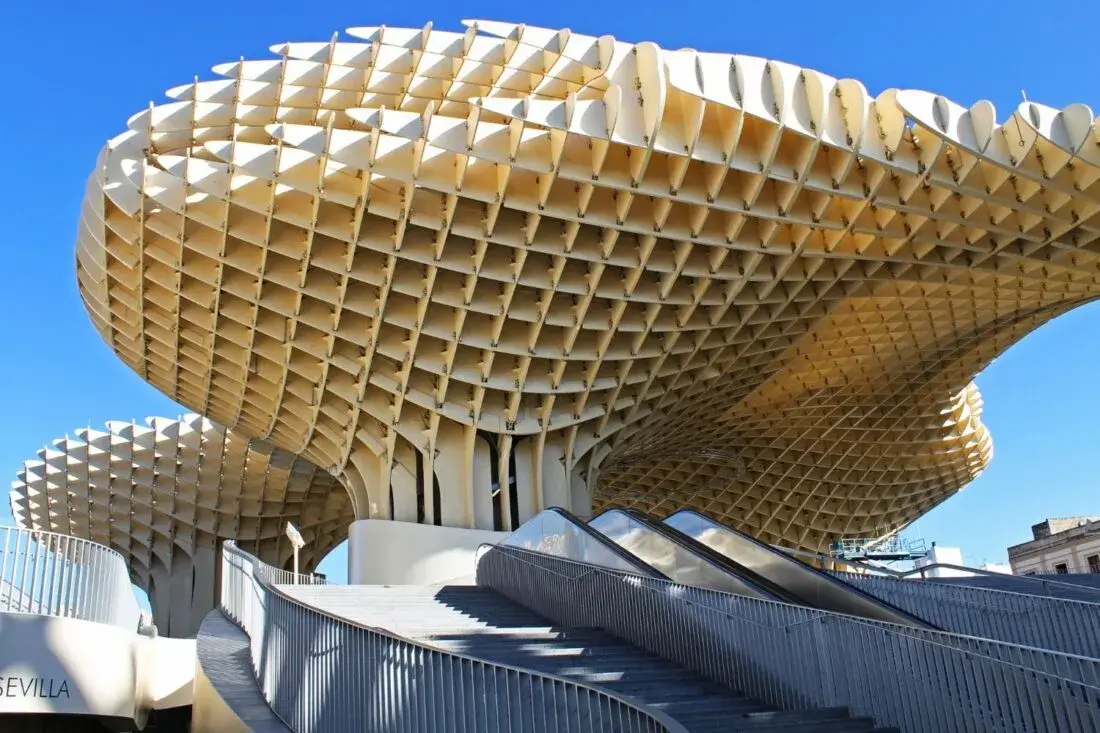
Parametric and neo-futurist architecture are cutting-edge design styles made possible by computational design and advanced fabrication techniques. These styles emerged in the late 20th century and gained momentum with the advent of digital tools. They use algorithms to generate complex, organic forms that would be impossible to create using traditional methods. Architects like Zaha Hadid, Santiago Calatrava, and Norman Foster design fluid, dynamic structures that appear to grow rather than be built. Characteristic features include curved surfaces, non-Euclidean geometry, and integrated structures, skins, and systems. Parametric architecture responds to performance criteria such as structural efficiency, environmental optimization, and user flow, generating forms that balance aesthetics with function. Projects such as Hadid’s Heydar Aliyev Center and Calatrava’s Oculus exemplify the style’s sculptural prowess and technical sophistication. As computational tools advance, parametric architectural styles will increasingly influence mainstream practice, suggesting a future in which algorithmic design will be standard rather than exceptional.
How to Identify the Architectural Style of a Building
Identifying a building’s architectural style requires systematic observation and historical knowledge. Through 3D architectural rendering services, you can examine specific features, you can determine which styles influenced a structure’s design, even when multiple styles are blended.
Today, techniques explained in architectural rendering allow architects and developers to visualize buildings before construction and study materials, proportions, and spatial composition in greater detail.
Key Visual IndicatorsKey Visual Indicators
Start by examining the overall composition of the facade. Classical architectural styles feature symmetrical facades with columns and pediments. In contrast, Gothic styles emphasize verticality with pointed arches and elaborate tracery. Modern styles display clean lines and minimal ornamentation, while Victorian styles feature decorative trim and asymmetrical compositions. Note the roof shapes. Steep pitches suggest a Gothic or Tudor influence, while flat roofs indicate a modern or contemporary style. Window patterns also reveal style. Evenly spaced, double-hung windows suggest a Georgian or Federal style, while ribbon windows signal a modernist style.
Materials and Construction MethodsMaterials and Construction Methods
Architectural style and period are often indicated by the materials used in a building. Stone and marble, for example, are characteristic of classical and neoclassical styles, while brick is associated with Georgian, Federal, and Victorian structures. Steel and glass are hallmarks of modern design, while exposed concrete signals Brutalism. Contemporary architecture may combine traditional materials with innovative composites. Construction techniques can also provide clues: handmade beams suggest pre-industrial styles, while prefabricated elements indicate modern methods.
Proportion, Symmetry, OrnamentationProportion, Symmetry, Ornamentation
Classical architectural styles prioritize mathematical proportions and bilateral symmetry. Baroque architecture maintains symmetry but adds dynamic movement. Victorian styles often embrace asymmetry and maximal ornamentation. Modern designs reject ornamentation in favor of pure form. In contrast, postmodern styles reintroduce decoration ironically. Understanding these differences helps distinguish between similar styles and identify hybrid or transitional examples.
Historical Context CluesHistorical Context Clues
Consider the location and date of building construction. Different architectural styles dominated specific periods and regions. For example, the Greek Revival style was popular in the United States from the 1830s to the 1860s, while the Art Deco style was popular worldwide from the 1920s to the 1930s. Local materials and climate also influenced architectural styles, creating regional variations within broader categories. Understanding the historical context can help explain why certain designs appear where they do and how they adapt to local conditions.
Key Elements of Architectural StylesKey Elements of Architectural Styles
To understand architectural styles, it is important to examine their fundamental components. The combination of structural systems, materials, ornamentation, and spatial organization creates the distinctive character of architectural styles throughout history and across regions.
Structural ElementsStructural Elements
The way buildings are constructed fundamentally shapes their appearance. Classical architectural styles, for example, use post-and-lintel construction, in which columns support horizontal beams. Gothic architecture revolutionized construction with its use of pointed arches, ribbed vaults, and flying buttresses, enabling taller structures with more windows to be built. Modern architecture uses steel frames and reinforced concrete, which frees facades from load-bearing duties and enables curtain walls. Each structural approach creates a distinct visual language. Classical building styles express weight and permanence. Gothic designs suggest vertical aspiration. Modern architectural styles celebrate lightness and transparency.
MaterialityMateriality
The character and potential of different architectural styles are profoundly influenced by the materials used. For example, the compressive strength of stone made it possible to build massive walls and arches in the classical and Romanesque styles. The modularity of bricks shaped the regular patterns of Georgian and Victorian buildings. Steel and glass made modern architectural designs possible by offering transparency and height. Contemporary styles experiment with carbon fiber, smart glass, and bio-based materials, expanding design possibilities even further. Material choice reflects not just technology, but also values. Classical marble conveys permanence, modern steel expresses progress, and sustainable timber signals environmental responsibility in current building styles.
Ornamentation vs MinimalismOrnamentation vs Minimalism
The treatment of decoration can distinguish architectural styles remarkably. For example, Baroque and Victorian styles embrace elaborate ornamentation, such as carved details, moldings, and applied decorations. In contrast, classical styles use restrained ornamentation that adheres to established orders. Modern architectural design styles rejected ornamentation entirely in favor of pure form and material honesty. Postmodern and contemporary styles reintroduced decoration, albeit often ironically or selectively. This pendulum swing between ornamentation and minimalism reflects broader cultural values, such as whether societies prioritize craft tradition, functional efficiency, or expressive communication in their architecture.
Spatial OrganizationSpatial Organization
Classical building styles favor axial symmetry and hierarchical room sequences. In contrast, Gothic architecture features vertical, light-filled spaces that draw the eye upward. Modern architecture features open floor plans that dissolve the boundaries between rooms. Different contemporary building styles may organize spaces around sustainability, social interaction, or flexibility. Through 3D interior visualizations, you can explore how spatial organization of a building reflects a culture’s priorities, whether they emphasize ceremony and hierarchy, spiritual transcendence, functional efficiency, or human well-being.
Architecture Types in Residential Design
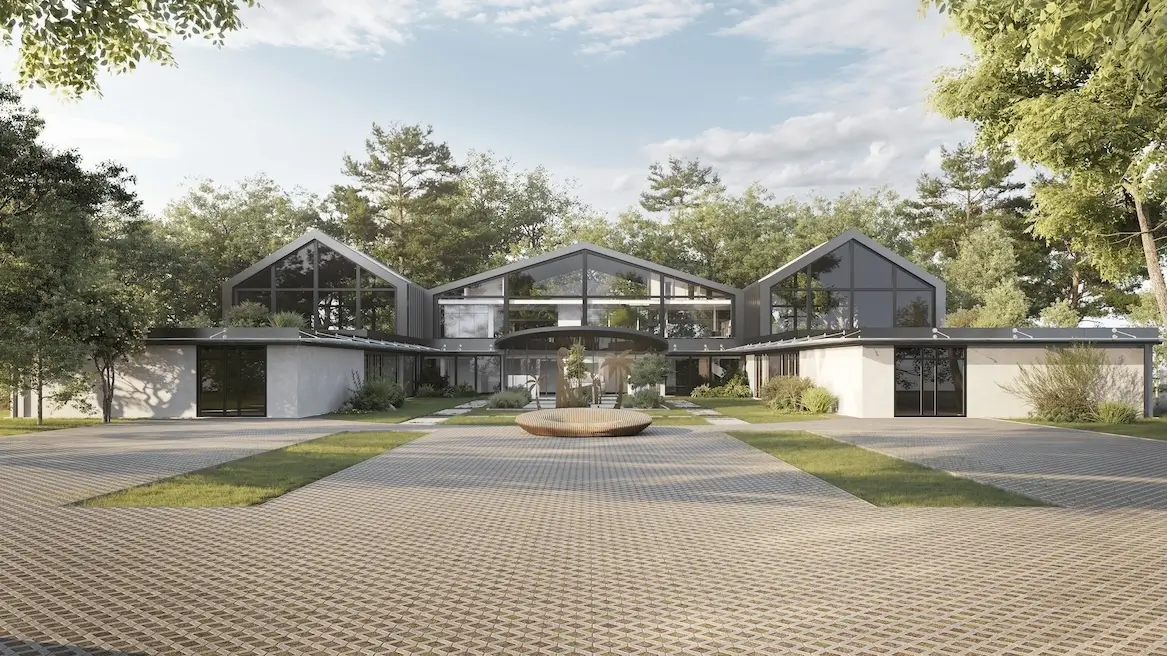
Residential architecture types demonstrate how building styles adapt to domestic life, climate, and cultural values. While monumental architecture expresses power and ideology, homes reveal everyday priorities and practical responses to local conditions.
Cape CodCape Cod
Cape Cod architecture emerged in seventeenth-century New England as an adaptation of English building traditions to the harsh coastal climate. These homes feature steep roofs that shed snow, central chimneys that provide efficient heating, and symmetrical facades with minimal ornamentation. Their compact, efficient layouts suited the available colonial resources and climate. From the 1920s to the 1950s, different types of Cape Cod houses experienced a revival and became an iconic American architectural style balancing simplicity and charm. Modern interpretations maintain the exterior form while updating the interior for contemporary living. This evolution demonstrates how traditional building styles can adapt while maintaining their essential character.
ColonialColonial
Colonial architecture encompasses the various building styles that European settlers brought to North America. They adapted English, Spanish, French, Dutch, and German traditions to the conditions of the New World. Common features include symmetry, rectangular forms, and central staircases. However, materials and details vary by region. These home styles reflect the settlers’ desire to recreate familiar environments while adapting to new climates and available resources. The style’s emphasis on order and proportion has influenced subsequent American architectural designs, from Federal to Greek Revival. These design principles continue to influence contemporary residential architecture.
TudorTudor
Tudor architecture originated in sixteenth-century England and is characterized by distinctive half-timbering, steep gables, and decorative brickwork. By blending medieval Gothic and emerging Renaissance elements, this style produces picturesque buildings that evoke old-world charm. The Tudor Revival style features homes with elaborate half-timbering, tall narrow windows, and prominent chimneys. It became popular in early twentieth-century America. Its romantic associations and distinctive appearance make it instantly recognizable. However, modern adaptations often use decorative rather than structural timbering, balancing historical reference with contemporary construction methods.
Modern ResidentialModern Residential
Modern residential architectural designs apply Modernist principles, incorporating open floor plans, indoor-outdoor connections, minimal ornamentation, and honest material expression. This style was first popularized by architects such as Frank Lloyd Wright, Richard Neutra, and Rudolph Schindler. It emphasizes horizontal lines, flat or low-pitched roofs, and integration with the surrounding landscape. Mid-century modern homes remain highly desirable, demonstrating the style’s enduring appeal. Contemporary interpretations maintain these core principles while incorporating sustainable technologies and updated lifestyles. This evolution exemplifies how modern building styles evolve while retaining essential characteristics such as spatial flow, material honesty, and a connection to nature.
Sustainable HomesSustainable Homes
Sustainable residential architecture prioritizes environmental performance, aesthetics, and comfort. These buildings typically incorporate passive solar design, high-performance insulation, renewable energy systems, and non-toxic materials. They may also feature green roofs, rainwater collection systems, natural ventilation systems, and locally sourced materials. Sustainable architectural styles range from ultra-modern net-zero houses to traditional designs that employ time-tested passive strategies. As climate concerns intensify, sustainable architectural designs are having a greater influence on mainstream residential construction. This makes ecological responsibility integral rather than exceptional in contemporary building styles. This demonstrates how environmental concerns are changing our expectations of homes.
The Evolution of Architectural Styles
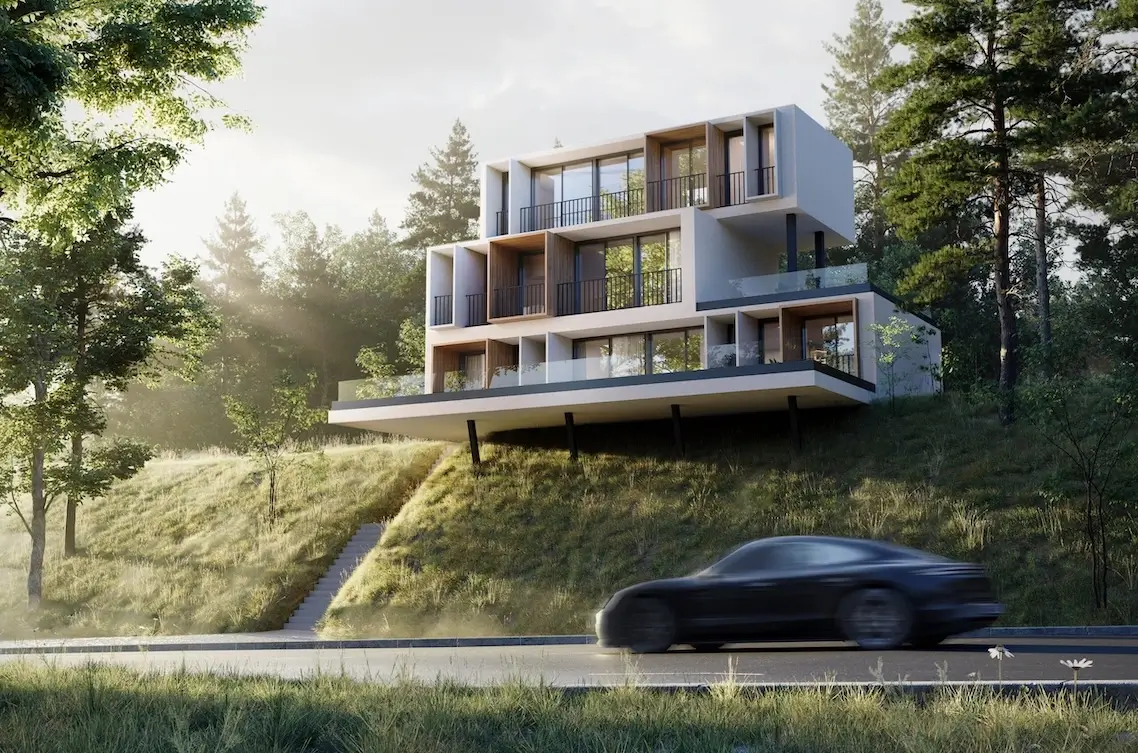
Architectural styles did not evolve in isolation. Instead, they developed in direct response to technological breakthroughs, social shifts, and cultural exchange.
For example, during the Industrial Revolution, iron and steel became widely available, enabling architects to build on an unprecedented scale and democratize ornamentation. Rail and steamship networks accelerated global stylistic exchange, resulting in hybrid architectural styles.
The housing crisis of World War I gave rise to Modernism, a movement that prioritized functionalism, industrial materials, and rational planning in architecture. They treated building styles as instruments of social reform, not just aesthetic expression.
Postmodernism reacted against the perceived sterility of Modernism by reintroducing history, ornamentation, and context. This shift expanded the range of architectural types, changing contemporary practice from dogmatic to pluralistic.
In the digital era, computational tools enable previously impossible forms, allowing BIM services to integrate design and construction. Future architectural design styles will likely balance parametric sophistication with sustainability and human well-being, transforming buildings from static objects into responsive, regenerative systems.
Future Trends in Architectural StylesFuture Trends in Architectural Styles
As we move through 2026, popular architectural styles are changing due to urgent global challenges and emerging technologies. The architectural designs of the future will strike a balance between innovation and sustainability. The result will be buildings that address climate change, urbanization, and evolving human needs.
Sustainability is now essential. Future architectural styles will prioritize regenerative design, incorporating net-positive energy, carbon-negative materials, and circular economy principles. Biophilic integration, including living walls, natural ventilation, and daylight optimization, recognizes the importance of a connection to nature for human well-being. These elements make environmental responsibility central to contemporary building styles.
AI is transforming design and construction. Machine learning optimizes performance by predicting energy use and behavior patterns. Generative tools explore thousands of design options, augmenting human creativity. Smart buildings use sensors to adapt to occupancy and weather conditions, maximizing comfort while minimizing energy use in ways that traditional architectural design cannot.
Parametric design enables unprecedented complexity. Algorithms generate forms that balance structural efficiency, environmental performance, and aesthetics. Advanced fabrication techniques, such as 3D printing and robotic assembly, make these complex geometries economically viable, thereby expanding the possibilities of contemporary architectural designs.
Adaptive reuse is central to sustainable architecture. Instead of demolishing existing structures, future architectural styles will transform them. For example, warehouses will become residences, and offices will become schools. This approach preserves embodied carbon and cultural memory.
The future of popular architectural styles does not lie in a single dominant approach but rather in responsive, context-sensitive designs that balance technological innovation with environmental responsibility and human well-being.
Frequently Asked QuestionsFrequently Asked Questions
What are the styles of architecture?What are the styles of architecture?
Architectural styles are distinctive approaches to design and construction. Examples of building styles include Classical, Gothic, Renaissance, Baroque, Neoclassical, Victorian, Art Nouveau, Modern, Brutalist, Contemporary, and Sustainable. Each architectural style reflects its historical context, technology, culture, and environment. Understanding different architectural styles helps us identify the periods of buildings and appreciate the forces that shaped our environment.
What are the most popular architectural styles today?What are the most popular architectural styles today?
Popular architectural styles include contemporary, green, modern, and neo-futurist designs. Pluralism is dominant, and climate concerns have driven the increased popularity of sustainable styles. Modern styles continue to influence residential and commercial design. Regional variations persist, such as the blend of Islamic and modern approaches in the Middle East and the balance of innovation and preservation in European cities. Because of pluralism, multiple styles are chosen based on context.
How many architecture types are there?How many architecture types are there?
The number of architectural styles varies due to criteria like historical period, geographic region, and function or features. Experts recognize 15 to 20 major influences on Western architecture. Regional traditions expand this to 30 to 40, and further subdivisions create hundreds. Instead of counting architecture types, it’s more useful to see them exist on a spectrum, as buildings often blend influences. Contemporary practice particularly embraces pluralism, combining elements from different architectural styles, to create innovative designs that respond to current needs while respecting historical lessons.
What defines architectural design styles?What defines architectural design styles?
Architectural design is determined by structural systems, materials, spatial organization, ornamentation, and philosophical principles. Key elements include proportions and symmetries. Ornamentation, spatial organization, and relationship to context also play a role. Styles reflect cultural values: classical architecture is orderly and enduring, Gothic is spiritual, and modern prioritizes functionality and authenticity. Different building styles are shaped by technology, needs, and movements. Architecture types must be examined to understand building principles, constraints, and intentions. Different architectural styles are cultural artifacts expressing an era’s values and aspirations.
What are the newest architecture styles?What are the newest architecture styles?
The newest architectural styles of the 2020s include parametric, neo-futurist, biophilic, regenerative, and adaptive reuse designs. These designs use algorithms, natural materials, and biomimetic forms to create complex shapes and reconnect humans with nature. Such building styles treat wastewater, enhance biodiversity, and produce more energy than they consume. This suggests a shift toward greater environmental responsibility, technological innovation, and human well-being. Future architectural design styles will balance environmental sensitivity with social equity. These buildings will heal rather than harm their surroundings.
SHARE THIS...
Get High-Quality CGI for Your Business Purposes
Book a call to get started
Our other articles






Elevate Your Business with Stunning CGI
Start working on your next project as soon as tomorrow. Book a call with our team and discuss the key details:
- Learn how we achieve photorealistic quality in our visualizations and animations. Explore our award-winning projects, featured multiple times on Behance.
- Get to know our company structure and decide which services you need
- Tell us about your project and let us complete a free test task to demonstrate our approach
- Find out the exact cost of bringing your project to life