CGI for Real Estate Marketing: How 3D Visualization Drives Property Sales
Discover High-Quality CGI Services Tailored to Your Business
- What Is Real Estate CGI and Why It Matters Today
- The Impact of Architectural CGI
- Why Real Estate CGI is More Than Just Standard 3D Visualization
- Reimagining Real Estate
- How CGI Transforms Real Estate Marketing
- 3D Visualization and Animation for Real Estate
- Business Benefits of CGI for Developers and Agencies
- Faster Sales Cycles
- Higher Perceived Value
- Better Conversion Rates in Advertising
- Versatility of Content
- How to Choose the Right CGI Partner for Real Estate
- Key Takeaways
What Is Real Estate CGI and Why It Matters Today
You’ve surely heard many times that the “swiftly changing market of real estate” requires the use of technology for successful marketing and sales strategies. Well, it’s generally true and one of the most transformative innovations in this field is computer-generated imagery (CGI). And it’s not just because using CGI for real estate allows sales and marketing agents to create stunningly realistic property visualizations that surpass traditional methods. For us, much more valuable is the fact that architectural CGI provides an immersive experience, allowing our clients to envision their future homes before construction is even complete! For developers, agents, and buyers alike, understanding the impact of CGI is essential for navigating market conditions.
The Impact of Architectural CGIThe Impact of Architectural CGI
Let’s start from the very beginning. Real estate CGI is a potent instrument that employs computer graphics to generate authentic images of real estate properties. We got it, thank you very much! So, this technology enables the development of 3D renderings of homes, apartments, and other properties that appear as if they already exist. What does this mean for business? Well, it means that companies can now showcase properties to potential buyers even ahead of their construction by using CGI in real estate.
Good, but will they surely buy it? What a provocative question! Not so easy, because this innovative approach involves an intricate workflow where specialized designers construct detailed 3D models of properties using advanced software like Autodesk Maya and Blender. Designers add textures, lighting, and other elements to make these visuals attractive and incredibly lifelike. Architectural CGI surely helps both sellers and buyers by showing all of a property’s special features, which possibly makes it easier for clients to connect with listings.
But there are a bunch of advantages to using CGI in real estate. For one, it speeds up the sales process. It also grabs the attention of potential buyers and lets marketers show off properties in a cool way. Soon you’ll see that real estate CGI has become a key part of modern property marketing because it changes how real estate is presented.
Why Real Estate CGI is More Than Just Standard 3D VisualizationWhy Real Estate CGI is More Than Just Standard 3D Visualization
We’ve started with the fact that real estate CGI is revolutionizing how properties are marketed and sold, and we must admit that it’s changing the industry as we know it. Now companies can showcase properties to potential buyers in advance by leveraging CGI in real estate. Clients can now visualize not just the physical structure, but also the ambiance and lifestyle associated with a property, which enhances their emotional connection.
And architectural CGI plays a pivotal role in this transformation! Skilled designers craft detailed 3D models that accurately depict exteriors and interiors, so the end product is an immersive experience that showcases the distinctive features of each property, not just an image. This helps potential buyers make informed decisions and significantly increases the appeal of listings.
Inevitably, incorporating real estate CGI into marketing strategies yields numerous benefits. A study by the National Association of Realtors shows that listings accompanied by professional CGI presentations receive 45% more inquiries than those with basic photography. Real estate CGI offers a fresh approach to showcasing listings and has become an essential component of contemporary property marketing, enabling sellers to engage and captivate buyers.
Reimagining Real EstateReimagining Real Estate
CGI in real estate has become an essential tool for marketing and sales, with a wide range of applications that enhance the portrayal of properties. And one primary use of real estate CGI is creating 3D renders of buildings and interiors. The reason is obvious, these realistic images help future homeowners envision the finished product, bridging the gap between imagination and reality.
Another innovative application of architectural CGI is the creation of animated tours. These virtual walkthroughs allow clients to explore every detail of a prospective property. But what is the benefit for business from all of it? Well, it enables buyers to appreciate the potential of a space and choose options that resonate with their tastes! Don’t you think that it fosters their desire to buy?
Besides, real estate CGI enriches marketing materials, including brochures and websites, by generating compelling visuals that capture buyer interest. As you know, dynamic presentations during the sales process make properties more appealing to potential investors. Also, CGI can create “before and after” images that demonstrate renovation possibilities and improvements.
Simply put, using architectural CGI in real estate improves property perception, accelerates the sales process, and increases engagement from prospective buyers. This powerful tool transforms how properties are marketed and sold, making it an invaluable asset in the industry.

How CGI Transforms Real Estate Marketing
Effective marketing strategies are crucial for business, we all agree with that. And real estate CGI marketing is one of the most groundbreaking developments in the field of sales! Now agents and developers can craft immersive experiences that evoke emotional connections with buyers. They just integrate marketing CGI for real estate into their strategies and transform the traditional marketing landscape, making it more engaging, dynamic, and effective at appealing to desire and aspiration.
CGI vs Traditional Property Marketing AssetsCGI vs Traditional Property Marketing Assets
When it comes to real estate marketing, two primary technologies stand out for presenting properties: real estate CGI and traditional marketing materials. Understanding the differences and advantages of each can impact your income and profit, so pay close attention to this section.
As you probably learned from this article, real estate CGI is a method that uses computer graphics to create stunning 3D images of buildings, interiors, and landscapes. This technology allows potential buyers to visualize a property preceding construction activities, making the buying process feel more immersive and engaging. The main point here is that with CGI for real estate marketing, the focus shifts to creating incredibly detailed and realistic visualizations, which are particularly beneficial for clients who may struggle to imagine how a completed property will look.
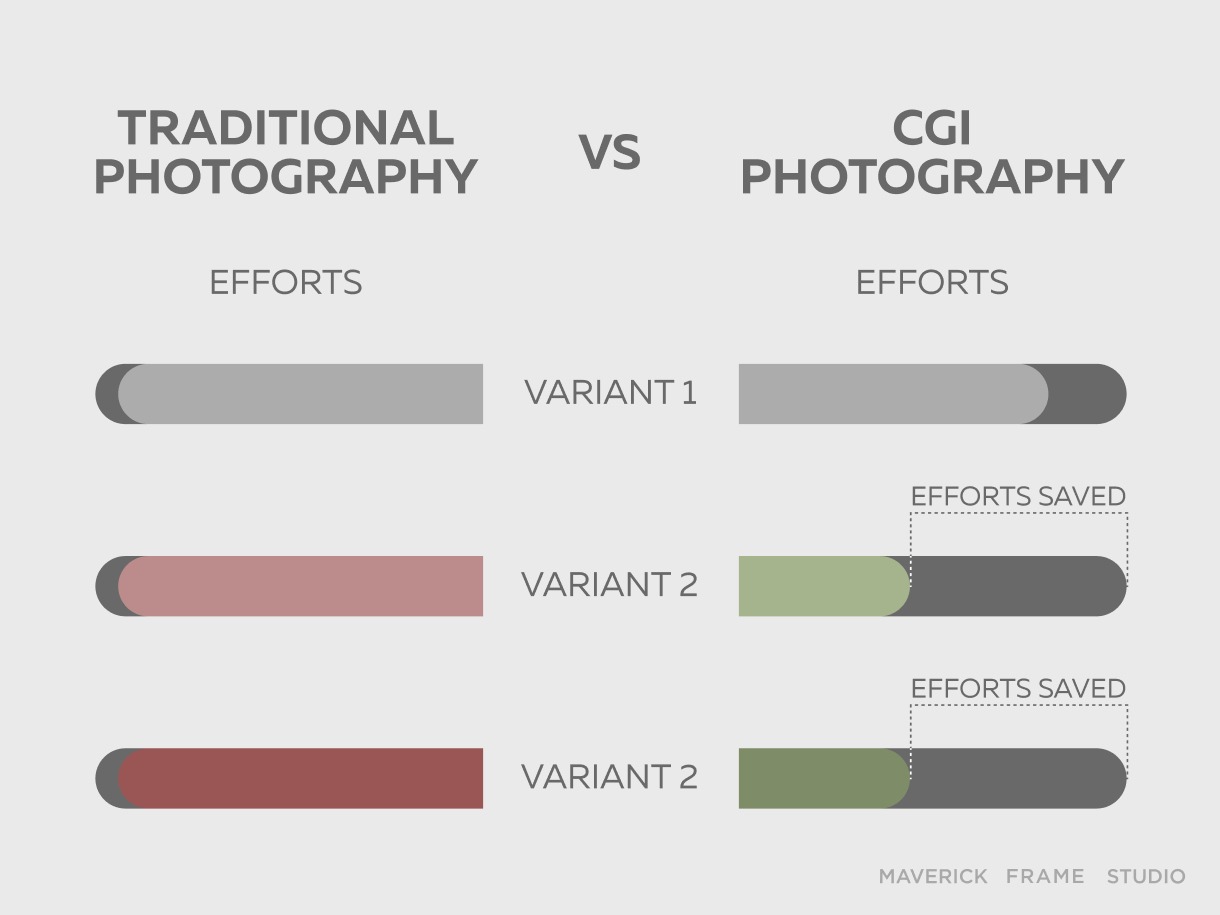
CGI vs Traditional Photography Comparison Chart
One of the key advantages of marketing CGI for real estate is its flexibility. Want to change the wall color, furniture layout, or landscape? Unlike traditional photographs, which usually consume both time and resources, it can all be done quickly and easily. Furthermore, CGI can beautifully capture a real estate listing’s atmosphere. Soft lighting and well-composed scenes can evoke feelings of coziness or opulence, fostering an emotional connection with homebuyers.
As we’ve mentioned in our previous article, traditional marketing materials generally include photographs, printed brochures, posters, and videos. Although these methods have long been used to showcase properties, they have significant limitations. For example, traditional photographs only depict the current state of a property, which makes it challenging to convey a complete vision, especially for properties still under construction. Additionally, if updates are needed, such as a change in decor, those changes typically require another costly photoshoot. Plus, traditional materials often can’t create the deep emotional engagement that CGI provides, so potential buyers feel less tied to the property.
In terms of cost, traditional marketing materials can be expensive due to the costs of photoshoots and printing, as well as ongoing advertising expenses. In contrast, although real estate CGI requires an initial investment, it quickly pays off due to its flexibility and ability to produce various visual iterations without additional expense.
In other words, both CGI and traditional marketing materials are valuable in real estate marketing. However, the advantages of real estate CGI, especially in a digital market, demonstrate a clear shift towards computer-generated imagery. This approach fosters a stronger psychological connection with the property, making the buying experience more engaging and effective.
Emotional Selling and Perception of ValueEmotional Selling and Perception of Value
According to psychologist Dr. Elizabeth M. McLeod buyers often attach emotional narratives to homes, which can increase perceived values by up to 20% when effectively marketed through visual storytelling. So, personal connection can significantly impact how a property is perceived and valued.
Marketing CGI for real estate allows agents and developers to craft powerful visual stories that surely evoke emotions. Rather than merely showcasing a property’s features, CGI enables marketers to create immersive experiences that highlight the lifestyle associated with the home. For instance, depicting a family enjoying a sunny day in the garden or a cozy evening indoors can draw prospective buyers into a narrative where they can envision themselves living in the space. This emotional engagement is essential because it helps homebuyers form a connection with a property, making it feel more valuable.
Additionally, how a property is presented heavily influences the perception of its value. When used effectively, marketing with CGI can create an image of luxury and exclusivity, elevating a property’s desirability. High-quality renders that capture a space’s essence can make buyers perceive the home as worth more than its price tag. This is because, as Daniel Kahneman said, people often consider emotional value alongside financial considerations.
Get More Leads and Repeat Sales with a Top CGI Studio
Book a call to start
And don’t forget that emotional selling taps into the aspirations and dreams of potential buyers. Marketers can create tailored messaging that emphasizes how a certain property fulfills their target audiences’ needs and desires. For example, they might highlight a beautiful kitchen for family gatherings or a luxurious outdoor space for entertaining. This strategy fosters an emotional connection between the buyer and the property, which can lead to a higher price tag. It also reinforces the idea that buying a home is a smart investment in a lifestyle you desire.

3D Visualization and Animation for Real Estate
It’s not a secret that success in real estate marketing hinges on more than just visual appeal. Please don’t forget about effectively communicating the essence of a property, shaping perceptions and future buying decisions. Because technology evolves and 3D visualization has emerged as a powerful tool, allowing real estate agents to present their listings in innovative ways. Both static renders and 3D animations play pivotal roles in this transformation.
Marketers aiming to capture the attention of discerning clients can also gain valuable insights by understanding how these techniques can enliven presentations and enhance buyer engagement. Developers in turn can leverage these advanced visualization tools to showcase properties more vividly and create immersive storytelling experiences that resonate with prospective buyers on emotional and practical levels.
Static Renders vs 3D AnimationStatic Renders vs 3D Animation
Effectively presenting properties is vital and one technique that has gained traction is 3D visualization for real estate, which encompasses static renders and 3D animation. Each method has its own purpose and advantages, so it’s important for real estate agents to understand how to best use these techniques.
Static renders are a staple of 3D rendering for real estate marketing, helping developers present architectural details, interiors, and environments with clarity and precision. These renderings bring properties to life by showcasing architectural details, interior designs, and landscapes in a realistic way. Static renders are often featured in brochures, online listings, and advertisements because they offer a clear visual representation of a property.
Contrary to expectations, there are numerous advantages to static renders. For one, their simplicity allows viewers to focus on specific details without being distracted by movement. This makes them an optimal choice for showcasing unique architectural features or elegant interiors. Additionally, they are quicker to produce than animations and require fewer resources, making them a cost-effective option for developers, particularly for modest projects. Static renders can be used in various ways to market properties, such as on social media, websites, or in print.
On the other hand, 3D animation for real estate takes visualization a step further, creating dynamic representations of properties. This technique includes walkthroughs and flyovers, which allow potential buyers to experience the space as if they were physically navigating through it. Because viewers can envision themselves living in the home, the immersive nature of 3D animation fosters a powerful emotional connection.
So, the choice between static renders and animations for 3D rendering in real estate marketing depends on the specific goals of the campaign and the target audience. Static renders are useful for quickly showcasing unique property features, and 3D animations are great for creating engaging, immersive experiences. Combining both techniques often yields the best results: static images serve as eye-catching visuals, while animations enhance virtual showings and social media engagement. Real estate brokers can make informed decisions on how to best showcase their properties and connect with potential buyers by harnessing the strengths of each method.
3D Animation for Real Estate Marketing3D Animation for Real Estate Marketing
All right, we’ve learned that 3D animation has emerged as a transformative tool in the realm of real estate marketing, elevating property presentation to new heights. We understand that, unlike static images, 3D animation for real estate allows agents and developers to create dynamic stories and engaging experiences that resonate with potential buyers. We realized that by using 3D visualization for real estate, marketers can create compelling visual narratives that make properties more appealing and accessible.
Now, let’s discuss the benefits in more detail! One standout advantage of using 3D animation is its ability to boost buyer engagement. Potential buyers today are increasingly seeking interactive ways to explore properties. Rather than merely viewing flat images or traditional videos, they can immerse themselves in a fully realized animated experience. This feature of 3D rendering for real estate marketing captures viewer imagination by allowing them to navigate spaces as if they were physically present. Animated walkthroughs help buyers visualize a property’s layout, flow, and atmosphere in a way that static images cannot.
Customization and personalization are additional valuable aspects of 3D animation for real estate. Developers can present a range of choices to buyers by visually showing different configurations or styles through animation. As you know, if marketers can appeal to diverse buyer preferences and help clients envision their ideal living spaces, deals will surely be closed.
When targeting international or remote buyers, 3D animation has a clear advantage. Since these clients may not have the opportunity to visit the property in person, animated visualizations are an effective engagement tool. Real estate marketers can showcase not only the property, but also its surroundings, emphasizing key factors such as accessibility, local culture, and amenities. This comprehensive presentation can significantly impact buyer decisions and encourage investments from afar.
And don’t forget about the common marketing tool of social media! Incorporating 3D animation into a real estate marketing strategy amplifies the overall impact of campaigns. Animated content tends to be more shareable on social media, which increases visibility and reach. Engaging animations can lead to higher engagement rates, boosting interest and driving more inquiries from potential buyers. You can also use animations in email campaigns or presentations to create more captivating pitches and help properties stand out in a crowded market!
We hope you now see that 3D rendering for real estate marketing is a powerful tool, enhancing property presentations and engaging potential buyers. Marketers can create immersive experiences that resonate with audiences by combining targeted storytelling, showcasing developmental potential, and highlighting lifestyle integration. Embrace 3D visualization techniques to capture buyer interest and drive successful sales in the real estate landscape.

Business Benefits of CGI for Developers and Agencies
Well, when it comes to the real estate market, utilizing cutting-edge marketing strategies is crucial for developers and agencies. As we know, one of the most impactful tools at their disposal is CGI. Specifically, this technology can streamline sales cycles, enhance perceived value, improve ad conversion rates, and offer versatility across various content formats. Now, let’s explore these benefits in more detail and illustrate each point with insights from a recent project with Sotheby’s Realty.
Faster Sales CyclesFaster Sales Cycles
One of the most significant advantages of using CGI in real estate marketing is the ability to accelerate sales cycles. In a recent case with Sotheby’s Realty, for example, our approach to developing marketing CGI materials resulted in a significant decrease in the time it takes to sell luxury properties. We created images that resonated with potential buyers on an emotional level by shifting the focus from hyper-realistic 3D renderings to visuals that sell and evoke a sense of luxury and atmosphere.
This emotional engagement is fundamental in the luxury market, where buyers are looking for more than just a property, they’re looking for a lifestyle. The CGI we generated for the luxury home highlighted exquisite details and beautiful landscapes, conveying an inviting ambiance. Consequently, the property sold 76% faster than similar homes on average, demonstrating the effectiveness of CGI in accelerating sales and meeting market demands.
Higher Perceived Value
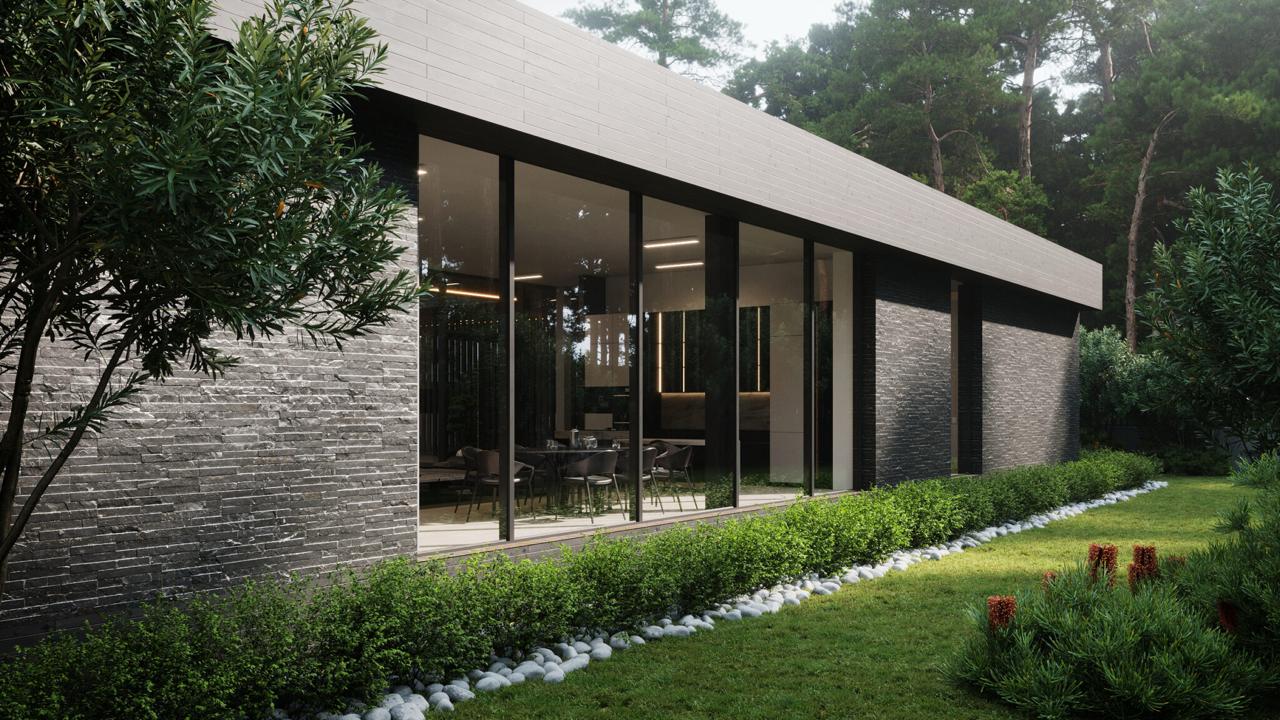
Another benefit of using CGI is that it enhances the perceived value of a property among potential buyers. The visually stunning CGI materials created for Sotheby’s Realty’s luxury properties effectively communicated exclusivity and sophistication. We crafted an environment that felt alive and welcoming by presenting the home in soft, diffused lighting and showcasing beautiful interiors through windows.
This technique of “selling” rather than merely “informing” increases the property’s perceived value. When potential buyers see scenes that beautifully render the lifestyle they could enjoy, they are more likely to feel that the property is worth its asking price – perhaps even more. Moreover, this perceived value can justify higher prices compared to similar offerings in the market, giving sellers a competitive advantage.

Better Conversion Rates in Advertising
Effective advertising relies on capturing the interest of potential buyers, and computer-generated imagery plays a vital role in increasing conversion rates. For example, Sotheby’s Realty significantly improved ad performance with engaging CGI visuals. Instead of using traditional static images, the marketing strategy emphasized atmospheric CGI that evoked emotions and lifestyle aspirations.
By creatively showcasing property features, such as luxurious outdoor spaces and inviting interiors, through captivating visuals, we increased the likelihood that viewers would engage with the ads and ultimately take action, such as scheduling a viewing or making an inquiry. This approach to engaging content not only results in higher conversion rates, but also fosters brand loyalty and encourages referrals.

Versatility of Content
Another significant benefit of CGI content is its versatility for developers and agencies. CGI assets can be repurposed for various formats, ensuring cohesive and far-reaching marketing efforts. For example, in our project with Sotheby’s Realty, the marketing materials developed for the luxury home were used on multiple platforms, such as websites, social media ads, and presentations.
This flexibility allows CGI to be tailored to different contexts and audiences, thereby enhancing marketing effectiveness overall. For example, stunning still images were featured in digital listings, and animated walkthroughs were incorporated into virtual tours to provide potential buyers with an immersive understanding of the property. This multi-channel approach maximizes the impact of CGI, ensuring that marketing efforts reach a wider audience and reinforce the property’s luxurious image.
In general, the business benefits of using CGI for developers and agencies are substantial. From faster sales cycles and enhanced perceived value to improved ad conversion rates and versatile content, CGI is a powerful marketing tool that can significantly impact real estate sales. Sotheby’s Realty’s successful case exemplifies how targeted CGI strategies can transform property presentations and expedite transactions. This proves that investing in high-quality CGI is essential for real estate business compatibility.
How to Choose the Right CGI Partner for Real Estate
Of course, you’re wondering, “How do I choose the right CGI partner for real estate?” If you want to compete with Maverick Frame and see that we are the best once again, I’ll tell you something. Selecting the right CGI partner is extremely important for real estate developers and marketers who want to improve their property presentations through 3D visualization for real estate developers and compelling visual storytelling. There are certainly some key factors to consider:
Industry ExperienceIndustry Experience
When evaluating potential CGI partners, industry experience should be a top priority. A robust background in real estate CGI means a company understands the specific challenges developers face, from market trends to buyer psychology. These experienced partners can provide valuable insights into which visual elements resonate with target audiences and how to effectively showcase properties to attract and engage buyers.
Look for a CGI agency with a strong portfolio demonstrating experience with similar projects, such as luxury homes, commercial developments, or large-scale master-planned communities. A proven track record indicates familiarity with various architectural styles and marketing strategies, leading to more effective, tailored CGI solutions. During the selection process, ask for case studies or testimonials that demonstrate the company’s expertise in delivering results in the real estate sector.
Marketing Thinking, Not Just Visual QualityMarketing Thinking, Not Just Visual Quality
Although visual quality is important, it shouldn’t be the only criterion for choosing a CGI partner. A successful CGI agency must also have a marketing mindset that aligns with your business objectives. This means understanding how CGI fits into your overall marketing strategy and its role in reaching your target audience.
A marketing-savvy CGI partner approaches projects with the end goal in mind: driving engagement, fostering emotional connections, and facilitating sales. They should be able to craft narratives through visuals that illustrate not just the physical attributes of properties, but also the lifestyles and experiences that potential buyers aspire to. This level of strategic thinking is essential for developing content that resonates with viewers and encourages action.
In practice, this means seeking out CGI companies that conduct thorough research and leverage buyer behavior insights. A partner who is willing to collaborate closely with your marketing team to create visuals tailored to specific campaigns can significantly increase the effectiveness and relevance of your marketing efforts.
Scalability and Production PipelinesScalability and Production Pipelines
Another critical factor to consider when choosing a CGI partner is their ability to scale production and manage workflows efficiently. Real estate markets can be highly dynamic, requiring quick turnarounds and the flexibility to accommodate varying project scopes. A capable CGI partner should have well-established production pipelines that allow for seamless collaboration, timely communication, and consistent deliverables.
Scalability is particularly important for developers managing multiple projects simultaneously. Whether you need a few targeted marketing renders or a full suite of multimedia content, your CGI partner should be able to allocate resources according to your needs. This includes carrying out large-scale projects and delivering personalized content that caters to diverse buyer segments.
Additionally, inquire about the technology and tools the CGI partner uses in their production process. An advanced digital pipeline can enhance efficiency and collaboration, reducing bottlenecks and ultimately leading to quicker project completion without compromising quality.
Selecting the right CGI partner for your real estate needs is a significant decision that can impact your marketing success. Focus on industry experience, marketing strategy, and production pipeline scalability to select a firm that complements your goals and enhances your marketing efforts. In an increasingly competitive real estate landscape, a well-chosen CGI partner can be an invaluable asset, empowering you to showcase properties in the most compelling way and foster meaningful engagement with your target audience.
At Maverick Frame, we regularly conduct market analyses and compile reports that rank typical companies. This ensures that you have the insights needed to make informed choices.
Key Takeaways
In Real Estate Marketing, CGI is a powerful asset, not just a collection of beautiful images. Its ability to craft immersive visual narratives boosts buyer engagement, enhances perceived value, hastens sales cycles, and optimizes advertising conversions. When used effectively, CGI can transform the way properties are marketed by creating emotional connections with potential buyers.
As discussed, the effectiveness of CGI depends on three key factors: industry experience, marketing-centric approach, and the ability to efficiently scale production. Selecting the right CGI partner is essential for unlocking this remarkable tool’s full potential.
At Maverick Frame, we excel at transforming real estate marketing with high-quality CGI that aligns with your business objectives. Our team combines extensive industry experience with innovative marketing insights to create compelling visual content that engages, informs, and drives results. We invite you to collaborate with us and explore how our CGI solutions can elevate your marketing efforts and help you achieve your business goals.
SHARE THIS...
Get High-Quality CGI for Your Business Purposes
Book a call to get started
Our other articles

Elevate Your Business with Stunning CGI
Start working on your next project as soon as tomorrow. Book a call with our team and discuss the key details:
- Learn how we achieve photorealistic quality in our visualizations and animations. Explore our award-winning projects, featured multiple times on Behance.
- Get to know our company structure and decide which services you need
- Tell us about your project and let us complete a free test task to demonstrate our approach
- Find out the exact cost of bringing your project to life