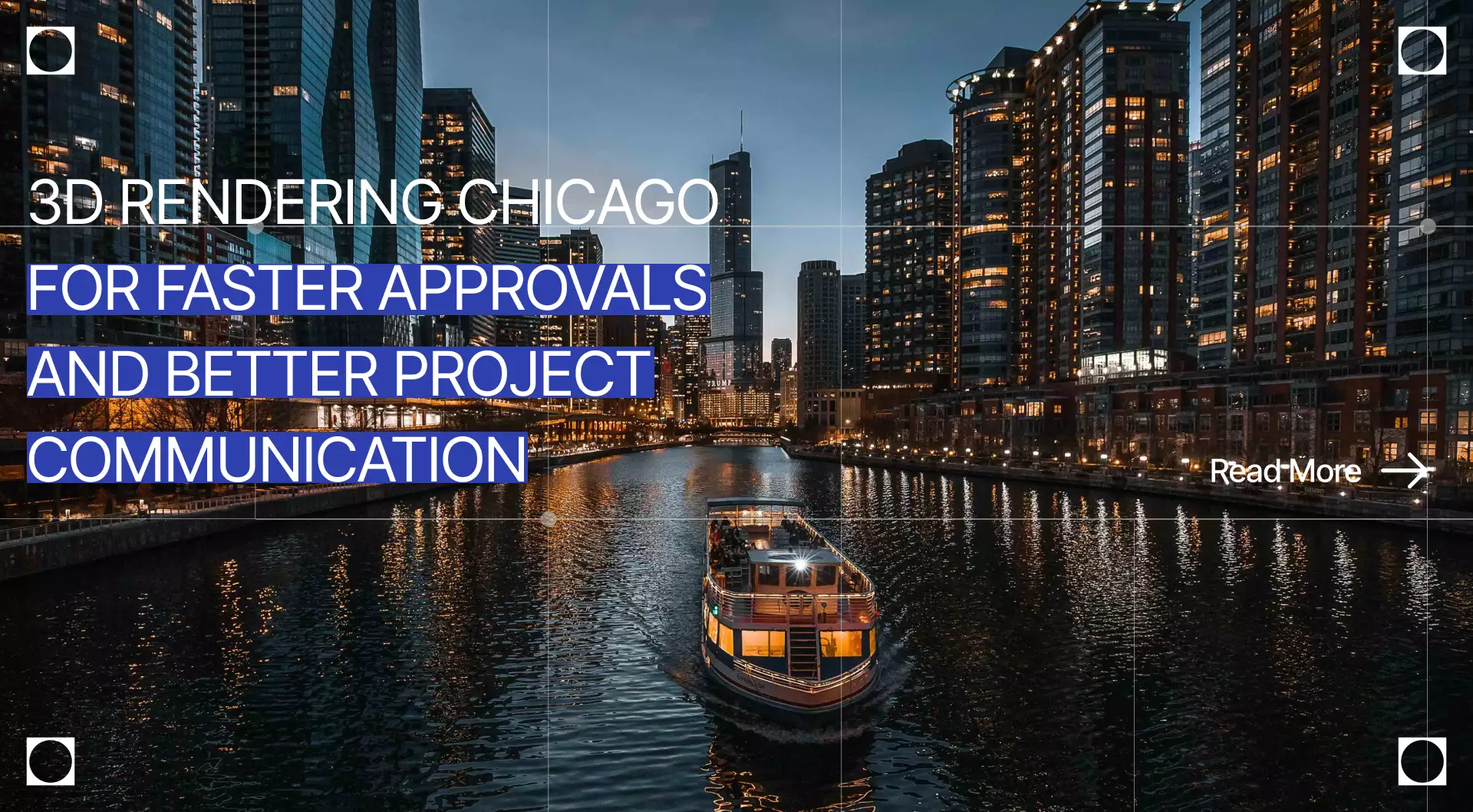
Chicago’s skyline tells the story of ambition constrained by reality. Its development is governed by height restrictions and energy codes overseen by various organizations. In this environment, 3D rendering Chicago services rely on strong 3D visualization to accelerate approvals and transform abstract blueprints into marketable assets. They prove that in Chicago’s competitive real estate landscape, you can sell what you can visualize.
Where 3D Rendering Is Used in Chicago ProjectsWhere 3D Rendering Is Used in Chicago Projects
Chicago 3D rendering is used at every stage of development to mitigate risk and speed up timelines, given the city’s complex regulations and capital intensity. For example, developers use renders to model feasibility under FAA height restrictions, while architects use them to show material compatibility with 19th-century buildings. Sales teams use immersive walkthroughs to secure contracts on units that won’t be available for 24 months.
Real Estate Development and Property MarketingReal Estate Development and Property Marketing
Pre-construction sales dominate the Chicago residential market, with 65–85% of luxury condominium units selling before completion. This model relies on photorealistic 3D renderings to build buyer confidence. Successful campaigns visualize spaces and lifestyles. They show morning light filtering through floor-to-ceiling windows, evening views of the Chicago River, and the texture of oak flooring. These visuals impact conversion rates and pricing. Developers who invest in renderings can often achieve premium pricing and faster absorption.
Commercial Architecture and Public Spaces
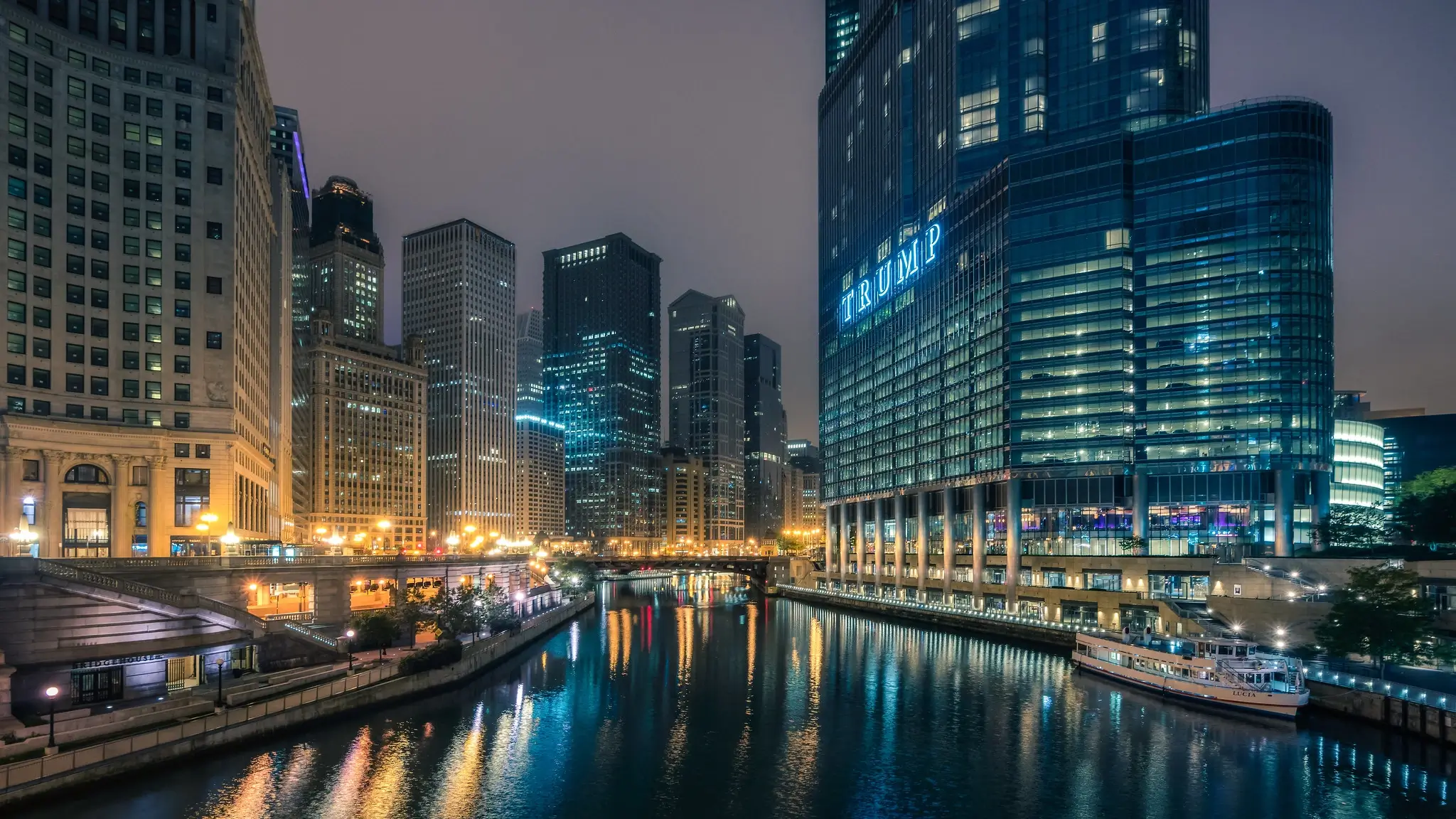
Chicago’s commercial sector requires architectural visualization that conveys brand identity and functionality. Michigan Avenue flagship stores need renderings showing customer flow, sightlines to key merchandise, and integration with historic facades. The Loop office developments require visualizations demonstrating daylight penetration across deep floor plates and amenity integration justifying premium rents. Mixed-use projects balance residential privacy with commercial activity. This is often achieved by strategically positioning cameras and lighting to illustrate compatibility rather than visual conflict.
Residential and Multi-Family DevelopmentsResidential and Multi-Family Developments
Chicago’s residential landscape requires contextual intelligence, as seen in renderings for historic districts. These demonstrate material compatibility with neighboring structures without mimicking period details. High-rise visualizations show how massing responds to FAA corridors while maximizing views. Affordable housing projects use these visuals to build community support.
Urban Planning and Large-Scale ConceptsUrban Planning and Large-Scale Concepts
Urban planning renderings illustrate large-scale developments’ impact on the city. They balance ambition with public benefit, showing pathways, green space integration, transit connections, and shadow impact on parks. City agencies require these visualizations to comply with sustainability mandates and community benefits agreements. 3D visualization studios help communicate the public value of a project.
Why 3D Architectural Rendering Matters in Chicago
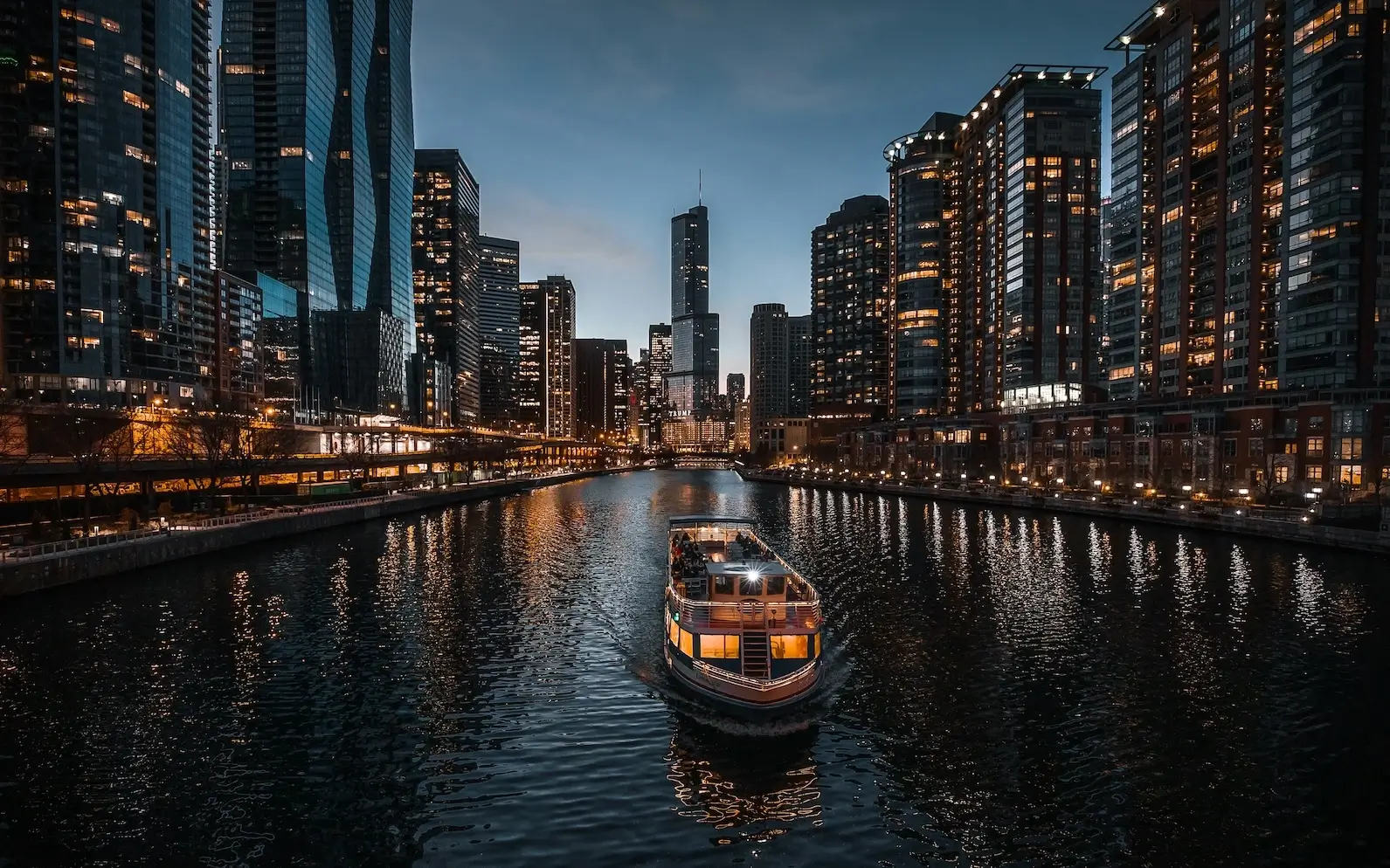
Chicago’s development landscape is subject to constraints that make visualization essential. For example, the city’s Department of Buildings requires a daylight analysis on December 21 to demonstrate compliance with the Chicago Energy Code. The Commission on Chicago Landmarks requires material authenticity in 23 historic districts and rejects imitation textures. The FAA’s height corridors around O’Hare and Midway airports restrict visual massing. Developers must prove compliance before breaking ground. In this environment, 3D architectural rendering Chicago studios use architectural rendering to support approvals and communicate complex proposals more clearly.
Presenting Complex Design Ideas Clearly
Stakeholders in Chicago projects have different needs, such as developers wanting to see return on investment, planners evaluating shadow impact on parcels, and community boards assessing project scale. Architectural visualization translates these needs into a single narrative. Instead of 17 PDFs of technical drawings, stakeholders can experience the project spatially, understanding how a proposed tower’s setbacks create wind-protected plazas or how ground-floor retail can activate a previously blank streetscape.
Strengthening Real Estate MarketingStrengthening Real Estate Marketing
The residential market in Chicago is saturated along key corridors like the 606 Trail and the South Loop. Generic floor plans don’t differentiate projects. Architectural visualization in Chicago showcases a property’s features to build buyer confidence. Developers who use atmospheric renders can achieve an 8–14% price premium over competitors who rely on technical blueprints.
Types of Chicago 3D Rendering ServicesTypes of Chicago 3D Rendering Services
Leading 3D rendering studios in Chicago offer tiered services matching project phase and stakeholder needs.
Exterior Architectural VisualizationExterior Architectural Visualization
Early-phase exterior 3D rendering services demonstrate massing, materiality, and contextual integration. The Chicago-specific expertise includes FAA height restrictions, shadow behavior under winter light, and material performance in freeze-thaw cycles. Top 3D architectural rendering Chicago studios calibrate renders to show street-level facade details because that’s where human experience occurs.
Floor Plan Rendering and Layout Presentation
Companies that offer floor plan rendering services create spatial diagrams that convey flow, furniture scale, and sightlines. This helps buyers make spatial decisions before construction begins, reducing dissatisfaction after completion. Developers typically order 3–5 variations per unit to showcase different furnishing options.
Virtual Tours and Interactive ExperiencesVirtual Tours and Interactive Experiences
Stakeholders can explore unbuilt spaces at their own pace with virtual tours, which is essential for out-of-state investors and international buyers who cannot physically visit Chicago. Modern implementations use WebGL technology for browser-based access, allowing prospects to navigate seamlessly from smartphone to desktop. For Chicago projects requiring public review, interactive tours with embedded data accelerate community board approvals.
3D Animations for Presentations and Marketing3D Animations for Presentations and Marketing
In Chicago development, 3D animations serve two purposes: investor presentations and social media campaigns. For example, a 90-second flythrough of a West Loop tower could showcase the building’s proximity to the 606 trail at dawn, the interior amenity spaces during the golden hour, and the city views at night. Such animations generate 3.2 times more engagement than static renders on platforms like LinkedIn and Instagram.
What a 3D Rendering Company in Chicago Should Actually DeliverWhat a 3D Rendering Company in Chicago Should Actually Deliver
Choosing the wrong 3D rendering company leads to costly delays, rejected submissions, and rework expenses. Chicago studios stand out from generic templates thanks to three key capabilities.
Architectural Accuracy and Strong Visual QualityArchitectural Accuracy and Strong Visual Quality
Review portfolios for contextual intelligence rather than just photorealism. Ask for examples of projects approved by the Commission on Chicago Landmarks to prove regulatory competence. Top studios deliver 3D renderings of Chicago that pass regulatory scrutiny on the first submission.
Efficient Workflow, Revisions, and Communication
Chicago projects demand direct communication between developers and artists. This eliminates feedback distortions caused by agency layers. The most efficient relationships use direct communication between decision makers and lead artists, eliminating translation loss and revision spirals.
Support Across Multiple DeliverablesSupport Across Multiple Deliverables
Leading studios deliver unified packages containing 3D models, floor plans, virtual tours, 3D animations, and architectural visualization assets, all derived from a single master scene. This approach enables rapid iteration, allowing you to change materials or lighting across all views simultaneously.
How 3D Rendering Supports Chicago Developers, Architects, and DesignersHow 3D Rendering Supports Chicago Developers, Architects, and Designers
Architectural rendering in Chicago serves different purposes for different professional roles.
For Developers and Investor PresentationsFor Developers and Investor Presentations
Developers use 3D renderings to secure financing before construction begins. Lenders increasingly require photorealistic visualizations as part of funding packages. Projects that use 3D rendering services typically secure financing 20–30% faster than those relying on technical drawings. In Chicago’s competitive capital markets, these renderings directly impact loan terms and interest rates.
For Architects and Design CommunicationFor Architects and Design Communication
Architectural visualization is used to translate complex designs into understandable forms for clients. In dense urban areas with interactions between projects and historic structures, this method demonstrates contextual sensitivity unconveyable in two dimensions. Renders demonstrating material compatibility with the 19th-century surroundings of submissions to the Commission on Chicago Landmarks can help speed approvals.
For Interior, Exterior, and Multi-Format CampaignsFor Interior, Exterior, and Multi-Format Campaigns
Marketing teams use 3D exterior rendering service assets across channels requiring different formats. Leading studios deliver master files with safe zones and resolution flexibility, eliminating costly reformatting. For Chicago projects targeting international buyers, this multi-format capability ensures consistent brand presentation across markets.
Cost Factors Behind 3D Rendering in Chicago
Pricing for 3D rendering in Chicago is based on project complexity rather than simple per-image formulas. For example, a 40-unit condominium project may require 30–45 assets, including exterior views, variations of the units, interior spaces, and multi-format adaptations. This type of project typically costs between $16,000 and $32,000. Commercial projects with complex facade systems or historic compliance requirements incur an additional 25–40% cost. Timeline compression increases base pricing by 30–50%. Revision cycles are the most significant cost driver. Projects with clear art direction and a single decision-maker complete 40% faster and 25% under budget compared to projects with fragmented stakeholder input.
Examples of Chicago 3D Rendering Use CasesExamples of Chicago 3D Rendering Use Cases
Mixed-Use Tower in West LoopMixed-Use Tower in West Loop
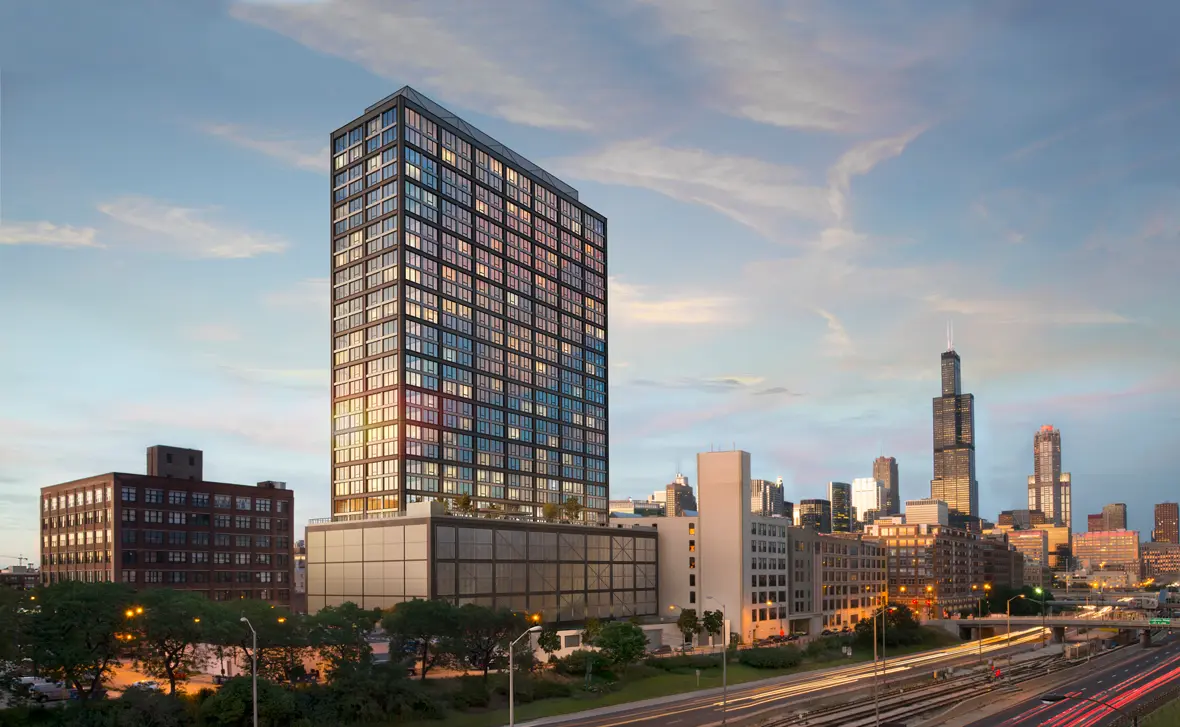
A developer proposed building a 38-story, mixed-use tower at the intersection of Randolph and Peoria Streets. The challenge was to demonstrate the tower’s compatibility with the low-rise brick buildings nearby while justifying its height. This Chicago 3D rendering showed the tower from three angles: street level, the 606 trail, and the O’Hare approach paths. As a result, the Commission on Chicago Landmarks approved the project in just 44 days, enabling earlier financing.
River North Residential Conversion
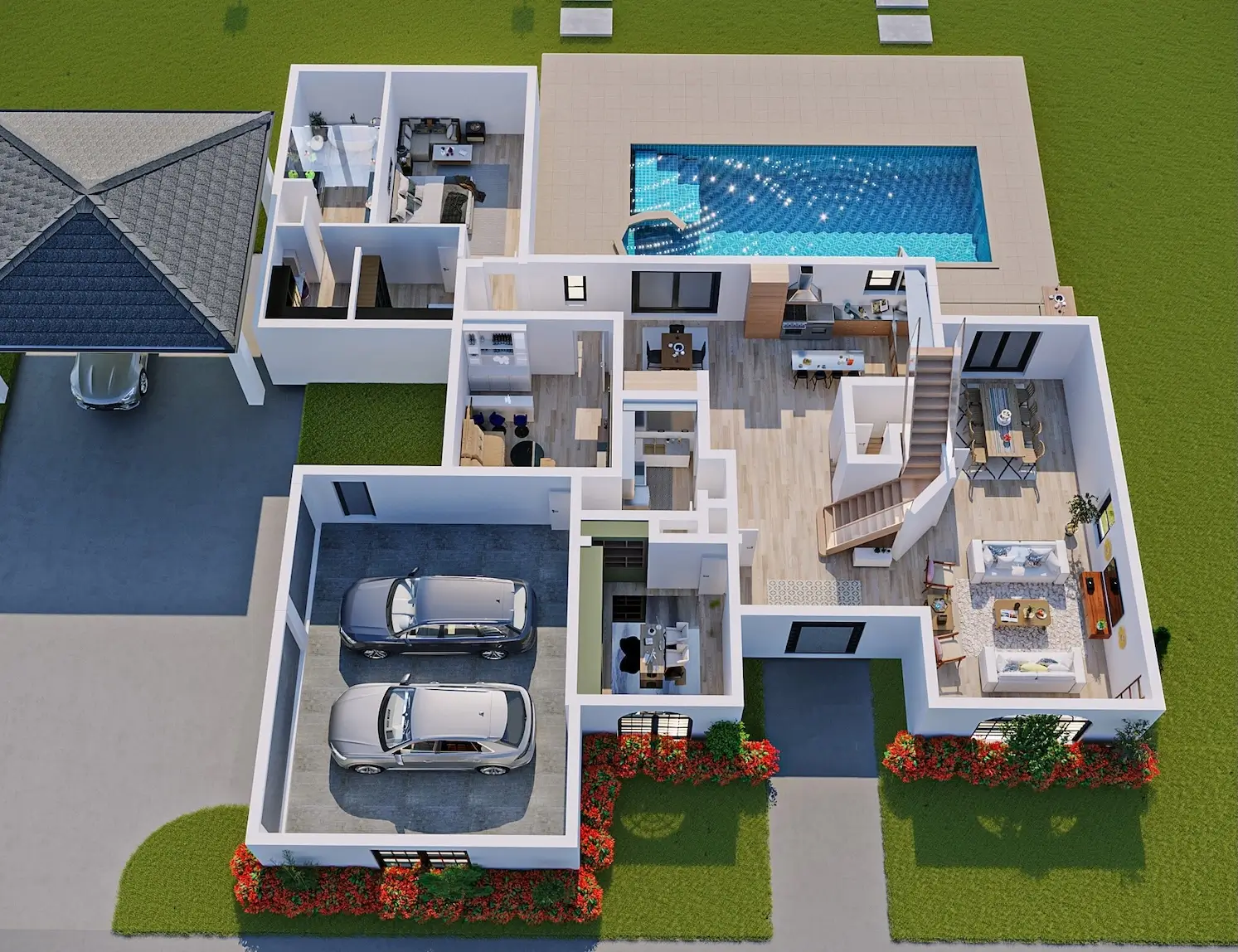
A 1920s industrial building in River North was converted into 48 luxury condominiums. The developer needed to market units before interior demolition began. The Chicago 3D rendering package included photorealistic 3D renderings of three unit types, each showing material authenticity. Floor plan rendering services were delivered, showing spatial flow between rooms. Within 60 days of launching the campaign, 31 units went under contract at 11% above projected pricing.
South Shore Community Center
A nonprofit sought funding for a community center in South Shore, which had received minimal public investment. Traditional architectural drawings failed to convey the project’s social impact to grant committees. An urban planning rendering showed the center in its context, depicting children playing basketball, seniors gathering, and teens using the media lab under the light of Chicago. The renders showed neighborhood identity: brick tones and large windows. These visuals were the centerpiece of a successful $4.2M grant application to the Chicago Community Development Commission.

Turn Ideas Into Visual Stories
Frequently Asked Questions
3D architectural rendering in Chicago has three key uses. It helps meet regulations by showing shadow impacts, compatibility with historic districts, and height compliance. It also allows investors to assess projects before construction begins, and accelerates sales in pre-construction markets. Unlike marketing purposes, rendering is essential in Chicago throughout the development lifecycle.
Leading 3D rendering company partners deliver comprehensive packages spanning floor plan rendering services, virtual tours, and 3D animations. The key difference isn’t capability breadth but ensuring continuity between interior materials and lighting conditions across asset types. Separating these elements creates visual dissonance. A unified approach using master scenes from 3D models ensures material and lighting consistency while enabling rapid iteration.
A rendering contractor executes technical tasks based on detailed specifications, like a draftsman following blueprints. A 3D visualization studio translates business objectives into visual narratives. For Chicago projects requiring regulatory approvals and investor confidence, the distinction matters: contractors deliver images, while studios deliver assets that accelerate approvals, de-risk capital, and drive sales. The right partner understands Chicago’s specific constraints and builds them into the visualization strategy.
Our 3D modeling and rendering services in the USA span all major markets including Chicago, New York, San Francisco, Miami, and Los Angeles. We’ve developed protocols for Department of Buildings compliance visualization and Commission on Chicago Landmarks submissions that have secured first-pass approvals on 94% of projects since 2023.