Medical Center Visualization That Delivered Scale Without Inflated Costs
A high-volume medical center visualization project completed in 2.5 weeks through hourly pricing, fast coordination, and a dedicated production team.
-
Client
Architecture Bureau
-
Services
Medical Center Visualization, Art Direction, Production Support
-
Property Type
Healthcare Facility
-
Location
Doha, Qatar
Client & Market Context
Who They Are and What They Stand For
Our client was an architecture bureau working on a major healthcare project with an unusually large image count. The in-house team could not finish the full package on time, so medical center visualization became a production bottleneck at exactly the stage when speed and consistency mattered most.
The bureau had already tested the outsourcing market and found a common problem: most vendors priced the work per image, which made a nearly 100-view package prohibitively expensive. Our medical center visualization approach was different. We calculated the project by actual workload, assembled a larger team, and built the delivery model around hourly efficiency rather than inflated unit pricing.


Business Challenge
Solving Volume, Timing, and Budget at Once
The main challenge of this medical center visualization project was not only visual quality, but production logistics. The bureau needed a partner able to handle a large healthcare package quickly, consistently, and without the pricing pressure that usually comes with high image counts.
- Deliver nearly 100 visuals within a compressed 2.5-week window
- Keep quality consistent across interiors, exteriors, and public areas
- Avoid oversized per-render vendor pricing
- Extend the client’s capacity without slowing approvals
The real impact of this challenge was operational. Without an efficient medical center visualization pipeline, the bureau risked deadline stress, internal overload, and unnecessary budget escalation on a strategically important project.
Results & Business Impact
-
23
renderings produced across the full healthcare package
-
18days
of deliverables accepted without revisions after final sign-off
-
32$
budget efficiency gained through hourly pricing versus per-image quoting
-
100%
required departments covered across the final image set
Project Objectives
Setting Our Sights on Success
-
Expand production capacity without expanding internal overhead
-
Deliver a large healthcare package within a compressed schedule
-
Maintain visual consistency across dozens of required scenes
-
Build a cost model aligned with actual production effort
Services Provided
Our Toolkit for Transformation
Strategic CGI Approach
Innovative Strategies That Stand Out
Key Visual Decisions
Designing Cohesive Apartment Renderings Fast
Sterile Planning With Human Warmth
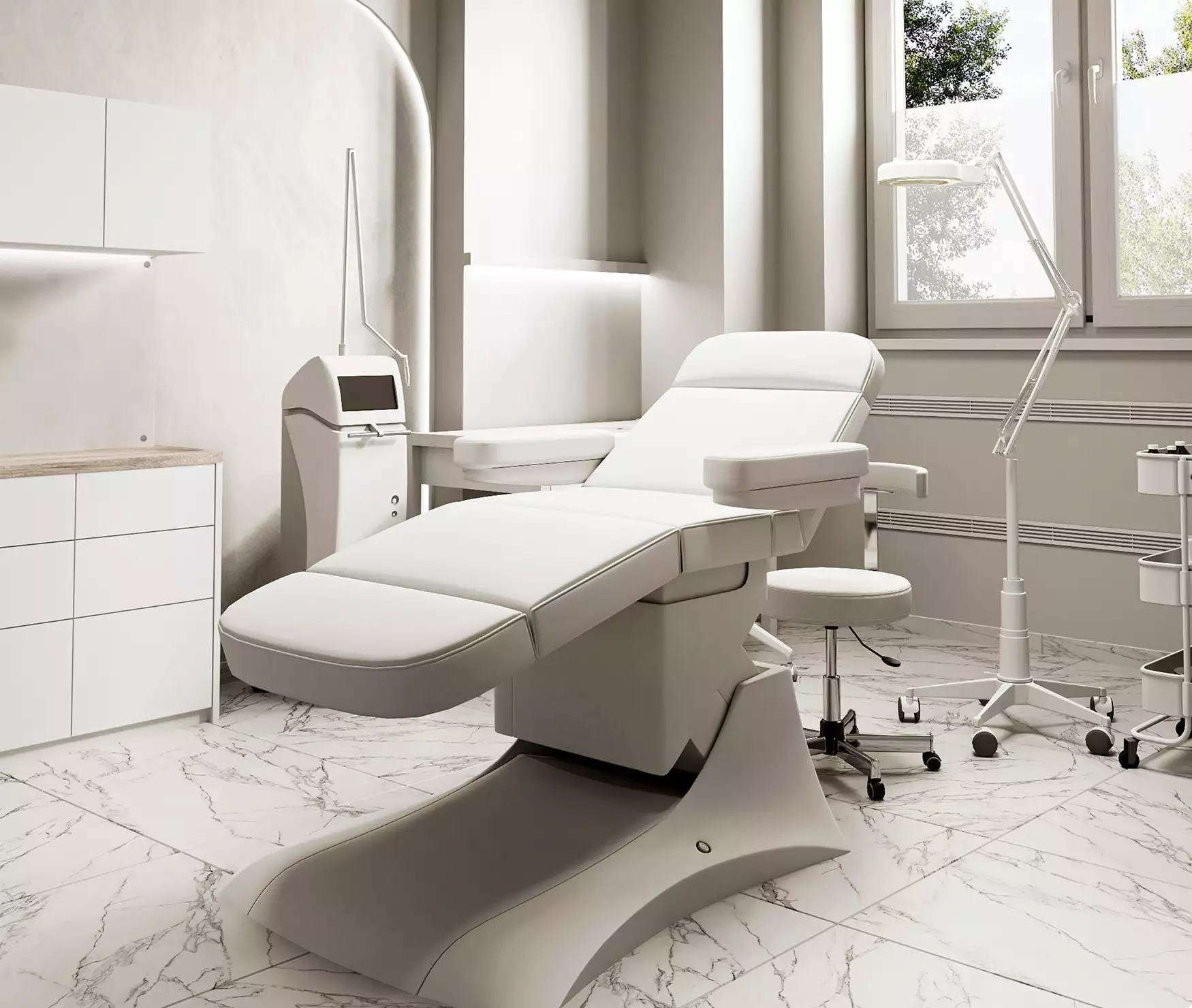
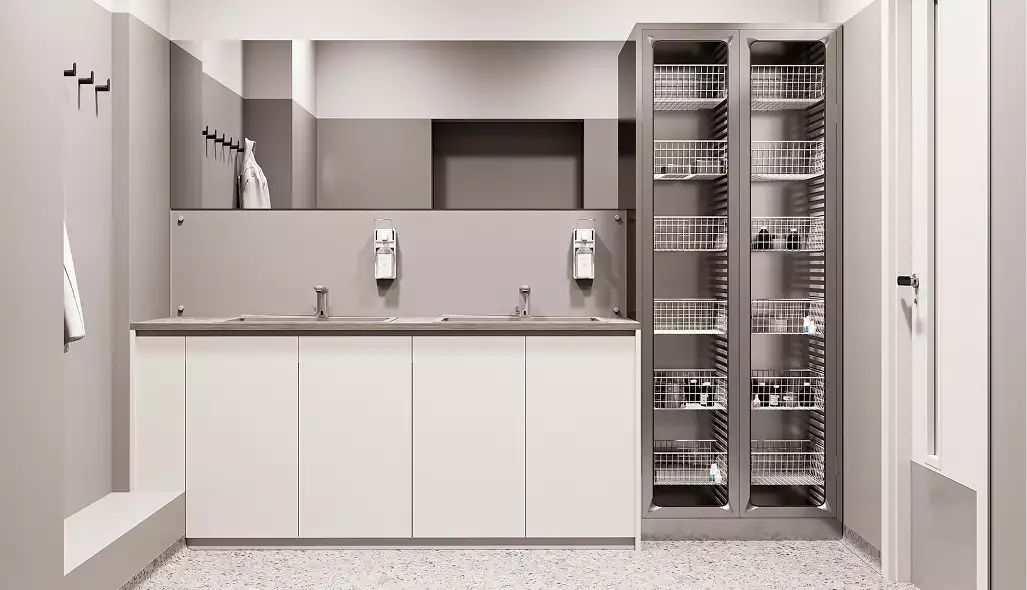
This treatment-support space was visualized to feel efficient, organized, and clinically reliable without becoming visually harsh. Clean cabinetry, integrated equipment, and a restrained palette helped communicate operational readiness, while soft tonal balance kept the environment approachable for both staff and patients.
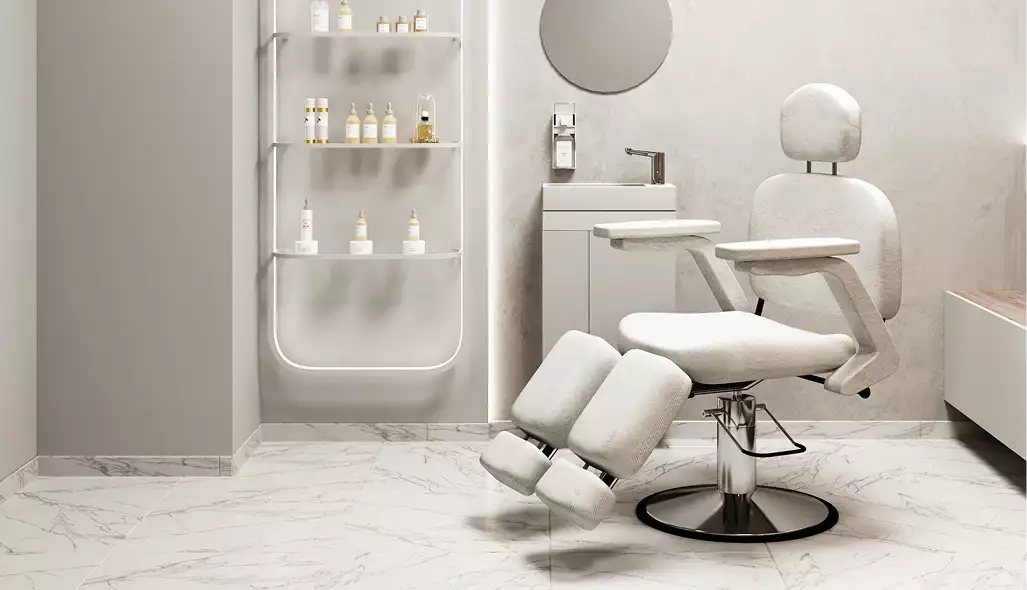
Patient Comfort in Compact Spaces
The consultation room image focused on intimacy, softness, and emotional ease. Rounded furniture, warm neutral tones, and diffused lighting were used to make the space feel less institutional, showing how the medical center could maintain a reassuring atmosphere even in smaller patient-facing rooms.
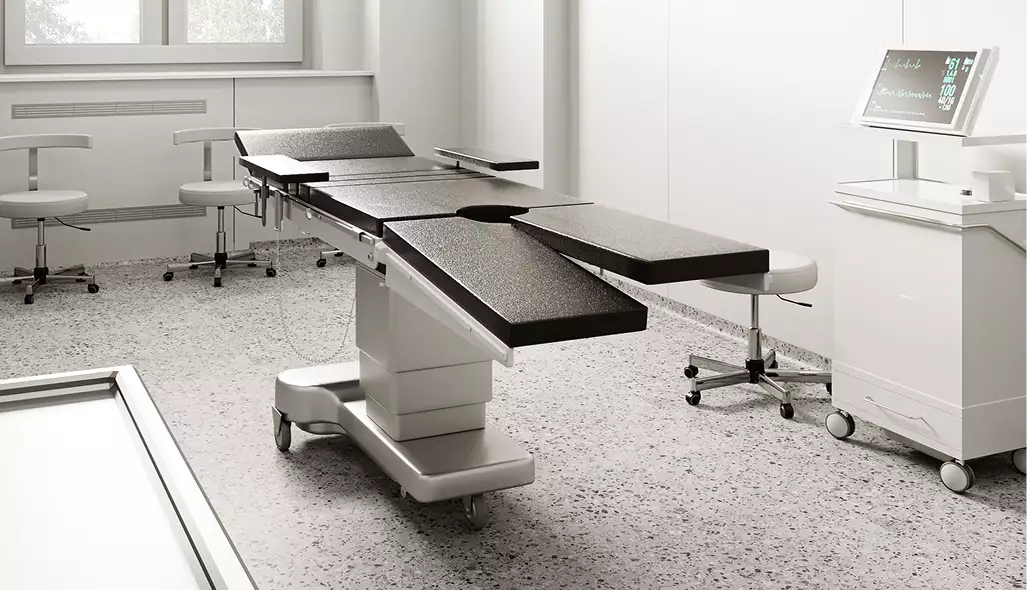
Procedure Room Legibility
This scene was designed around functional clarity. The central treatment chair, surrounding equipment, and controlled composition helped present the room as technically prepared and easy to understand at a glance, which is essential in healthcare visuals where complexity must still read as calm.
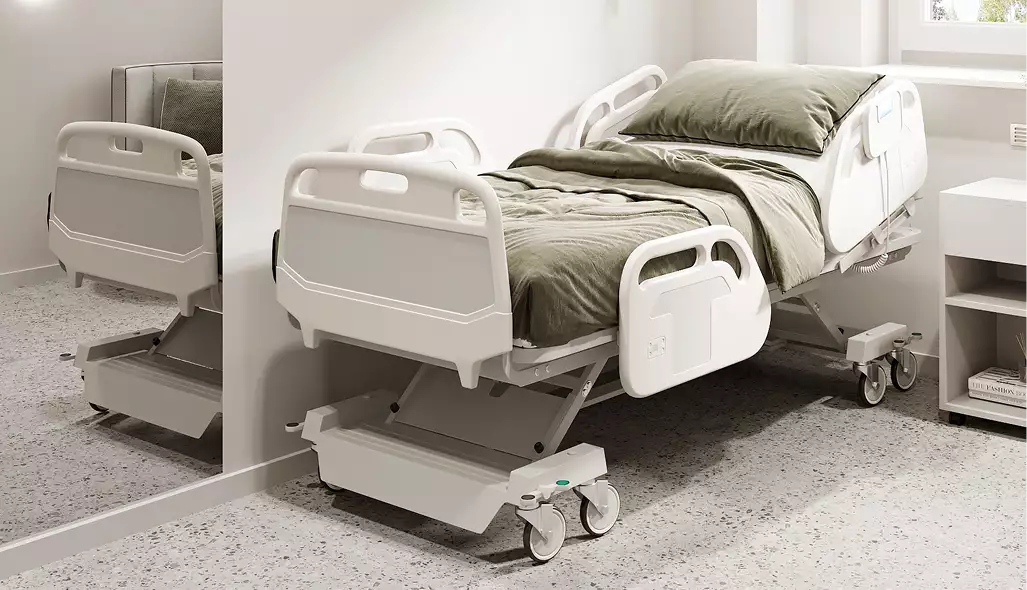
Recovery as a Visual Priority
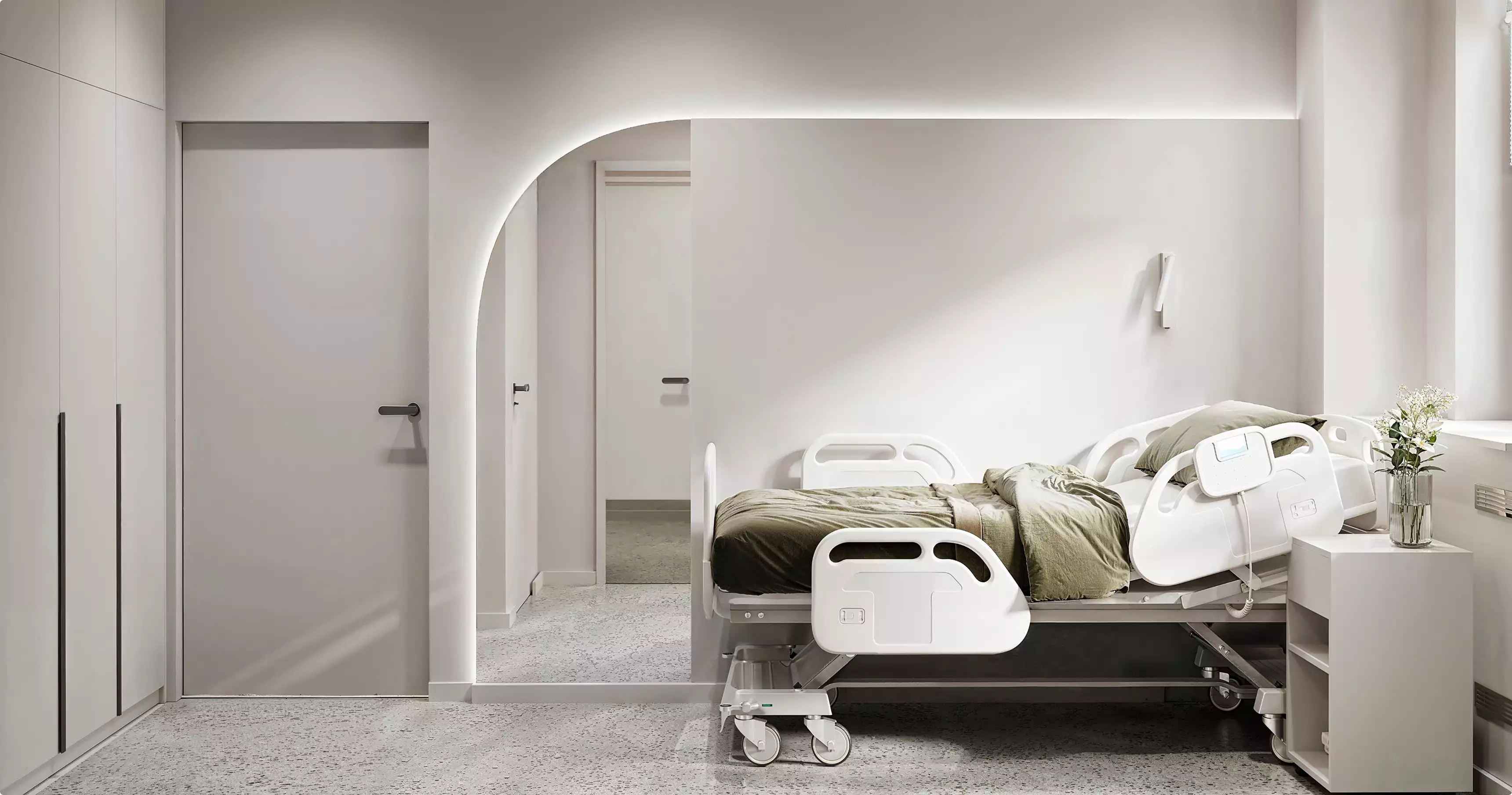
The patient-bed view emphasized comfort, safety, and spatial order. Rather than dramatizing medical equipment, the composition framed recovery as the key experience, using balanced light and minimal visual noise to support a more humane reading of the healthcare environment.
Production Process
Building a Narrative Through Imagery
-
Visual Concept & Art Direction
We began by defining a scalable visual framework that could support a high image count without constant reinvention. This foundation was essential for medical center visualization, because it gave multiple artists one consistent target for mood, materials, composition, and healthcare-specific clarity.
-
CGI Production
We assigned a larger team and structured the workload around hourly efficiency, scene grouping, and shared quality control. This production phase covered everything from medical center exterior rendering to interior patient-facing spaces, allowing the bureau to move forward without the cost shock of conventional per-image outsourcing.
-
Iteration & Refinement
Final refinement focused on balancing speed with consistency. We reviewed the image set as a whole, adjusted lighting and composition where needed, and delivered a unified medical center visualization package within 2.5 weeks, on budget and at full required scale.
Visual Results
Visuals That Resonate With Emotion
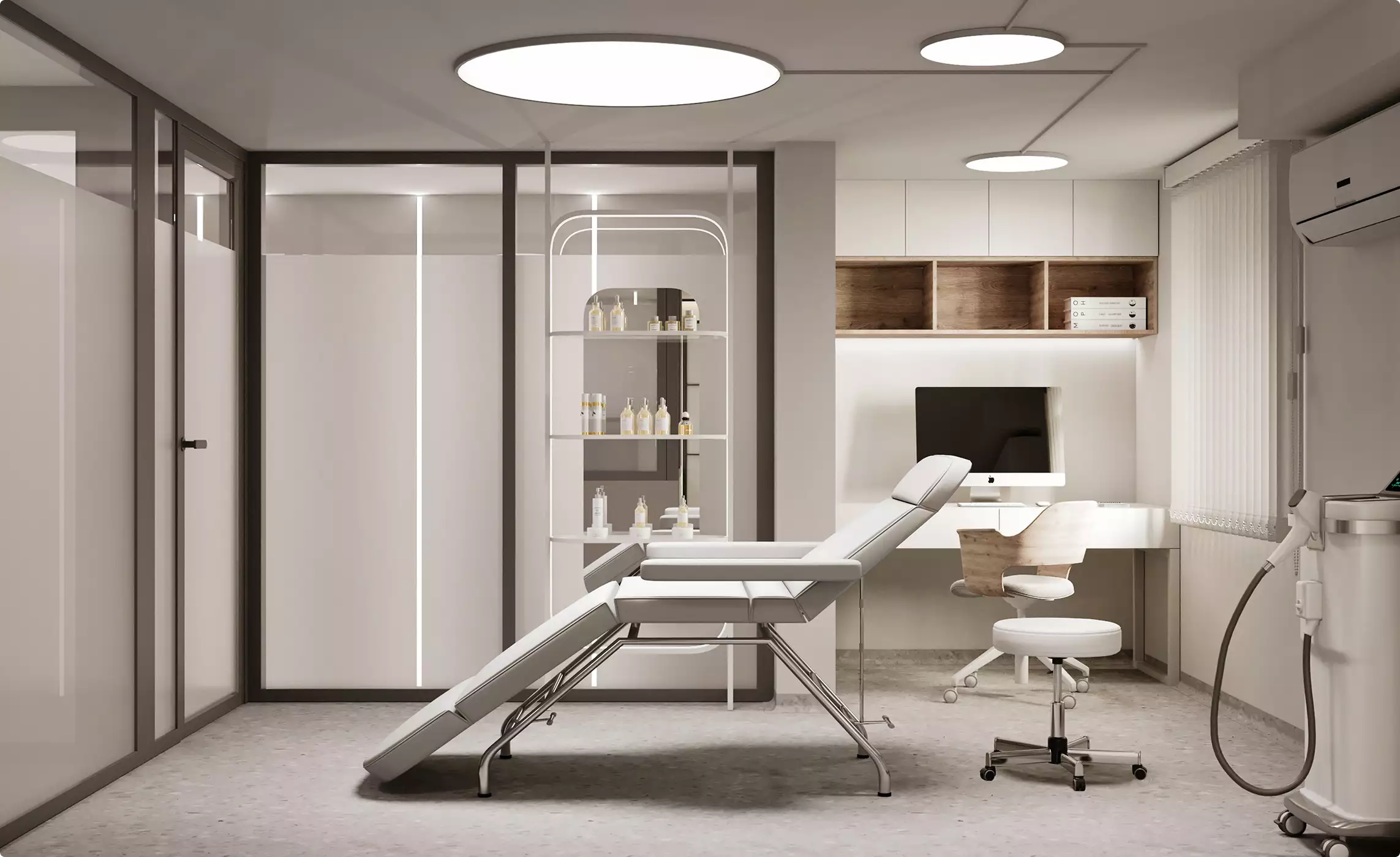
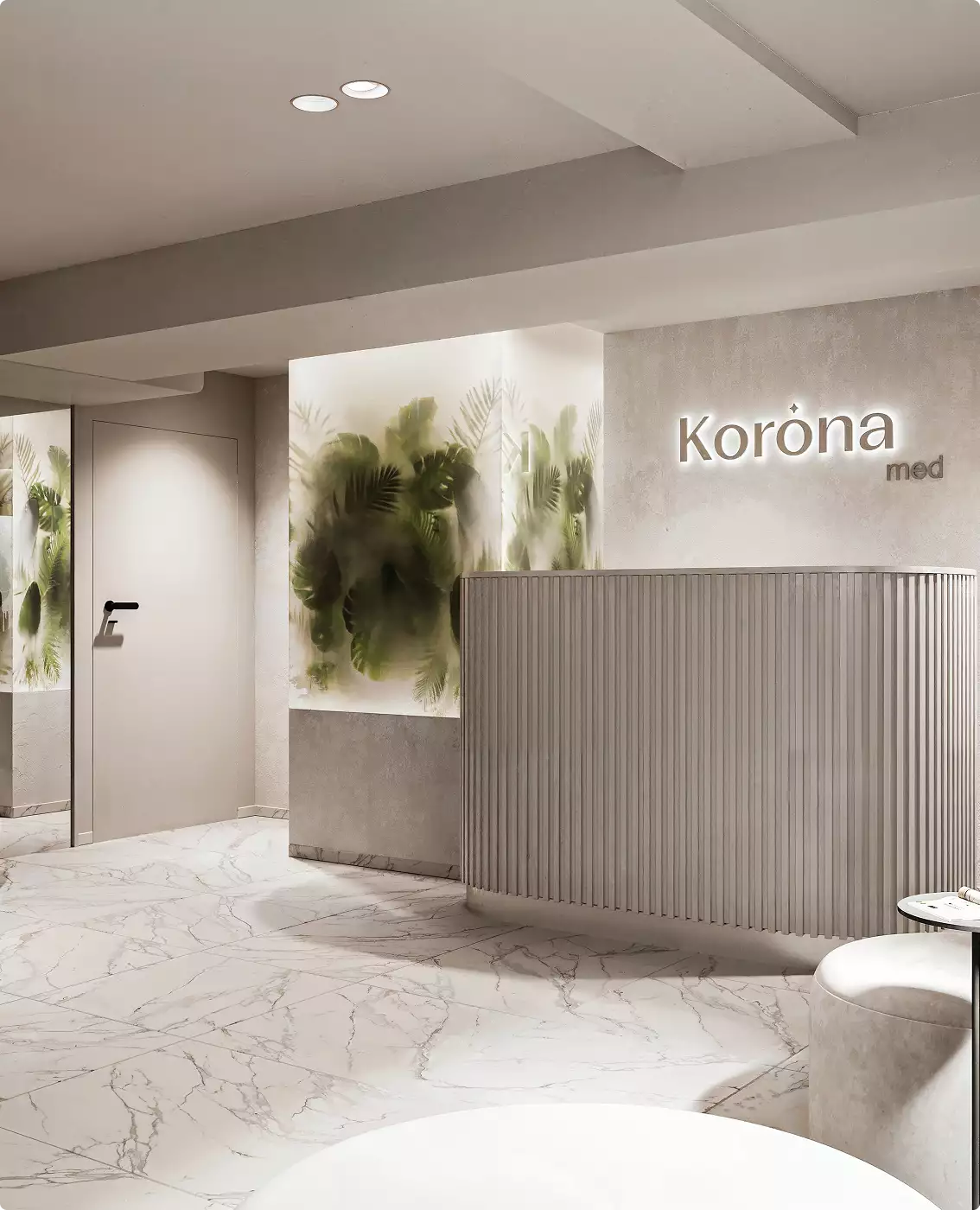
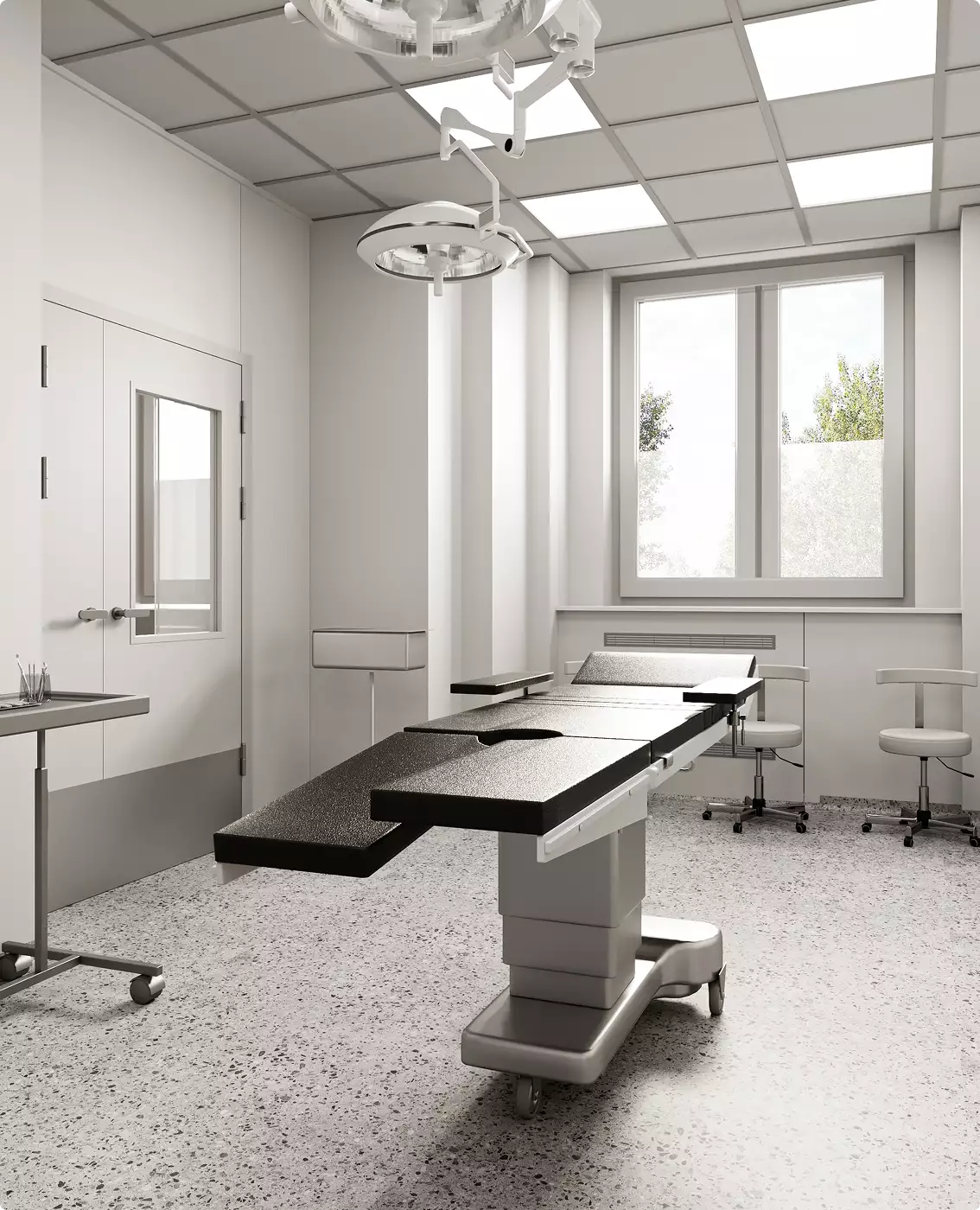
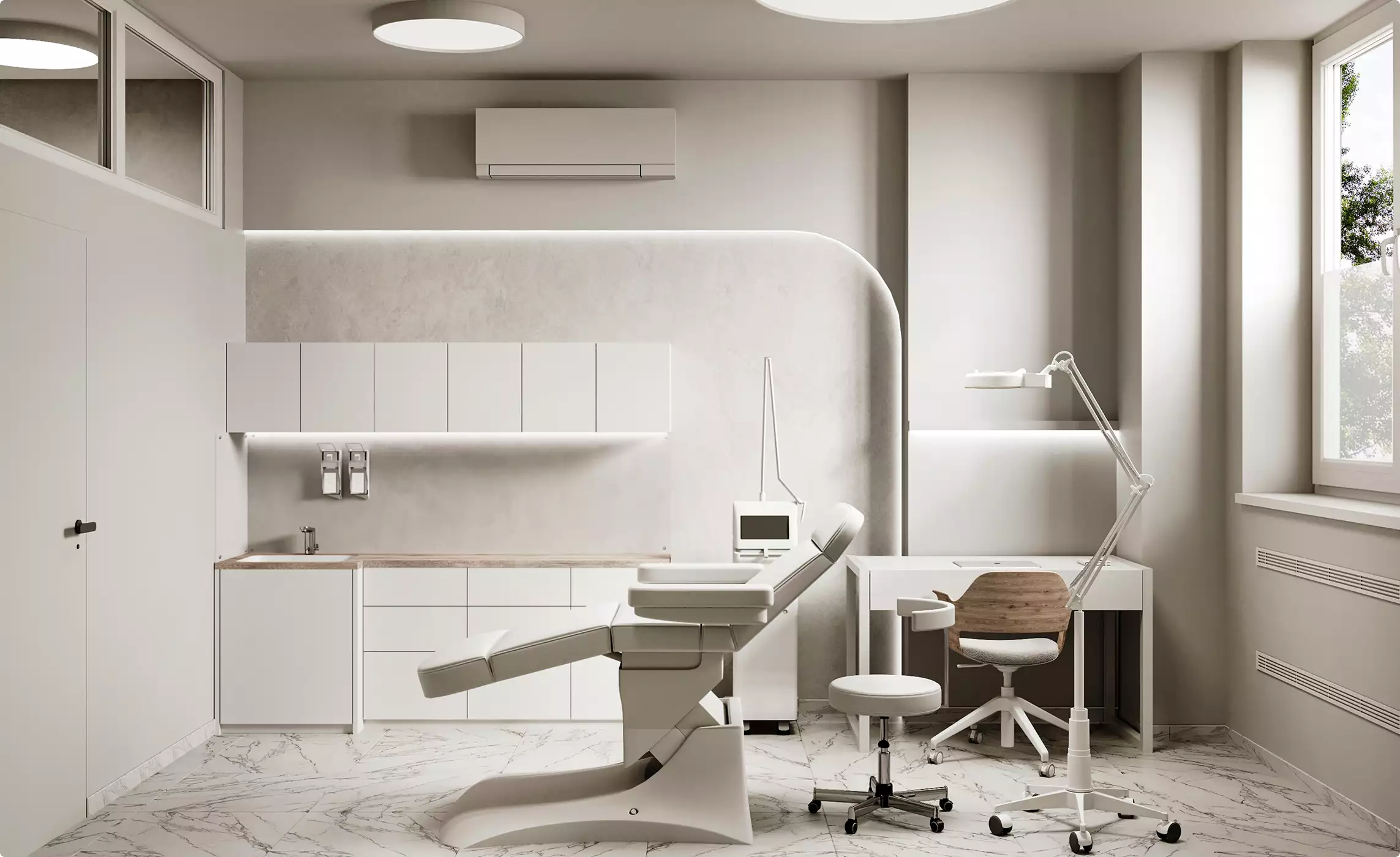
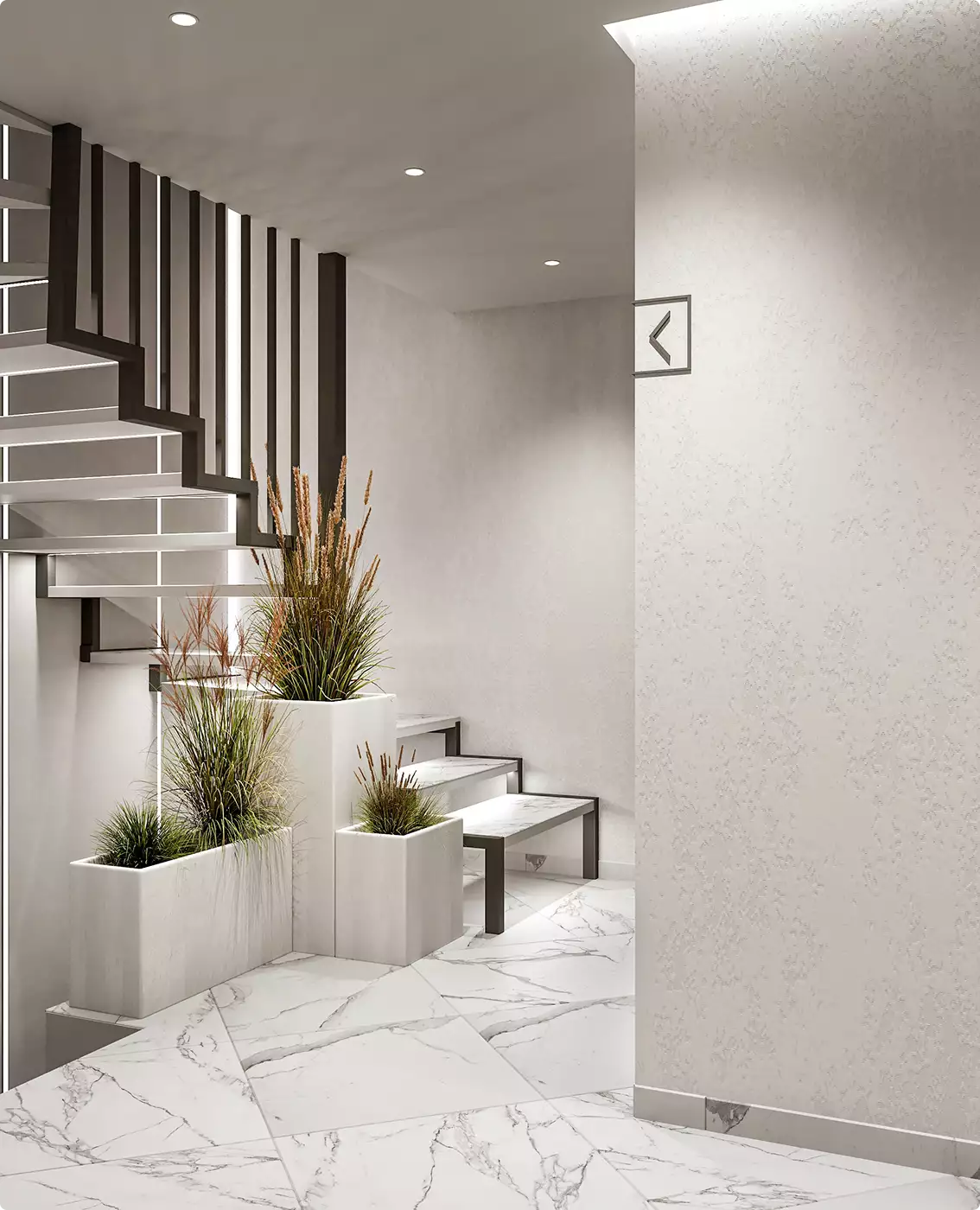
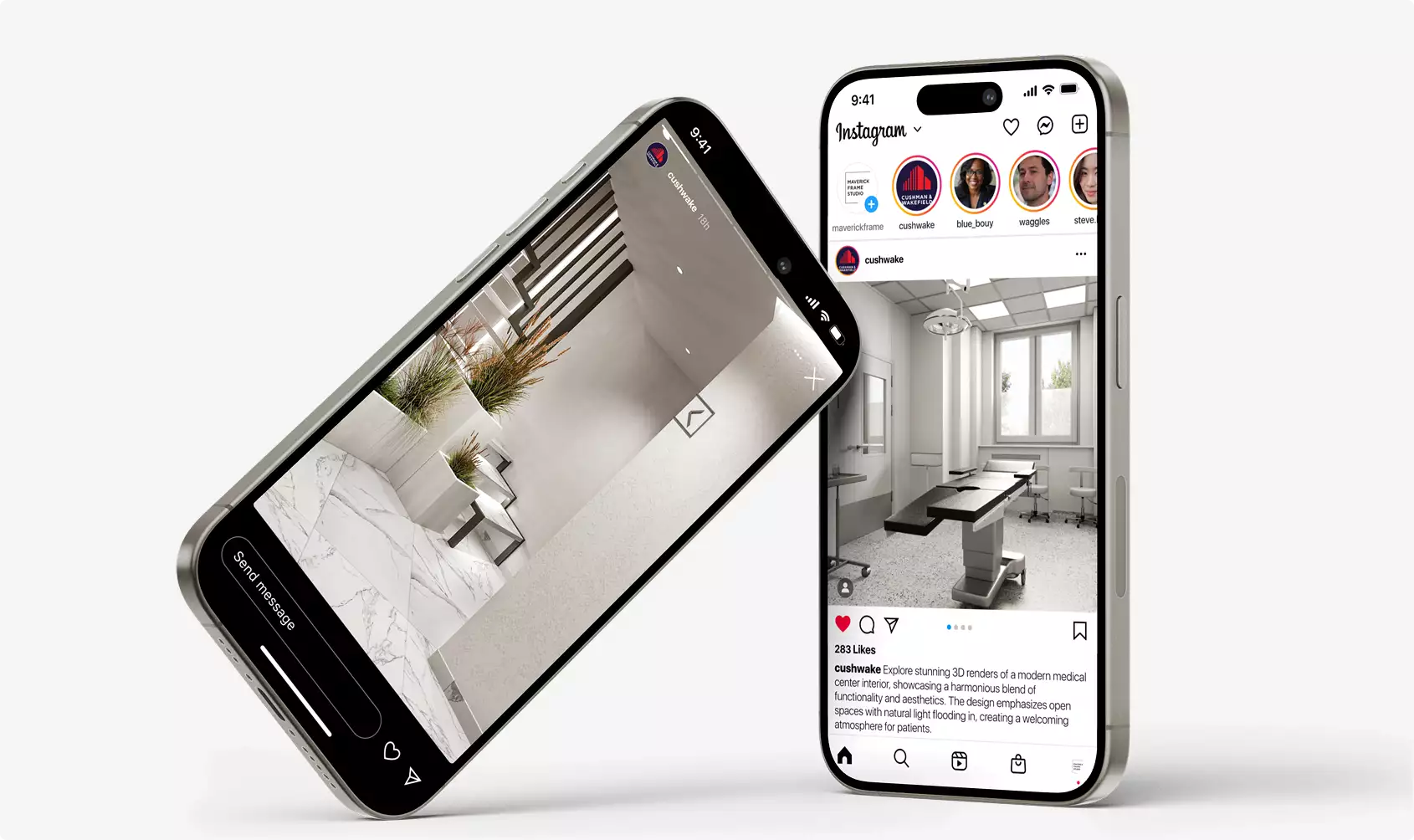
Medical Center Interior Renderings
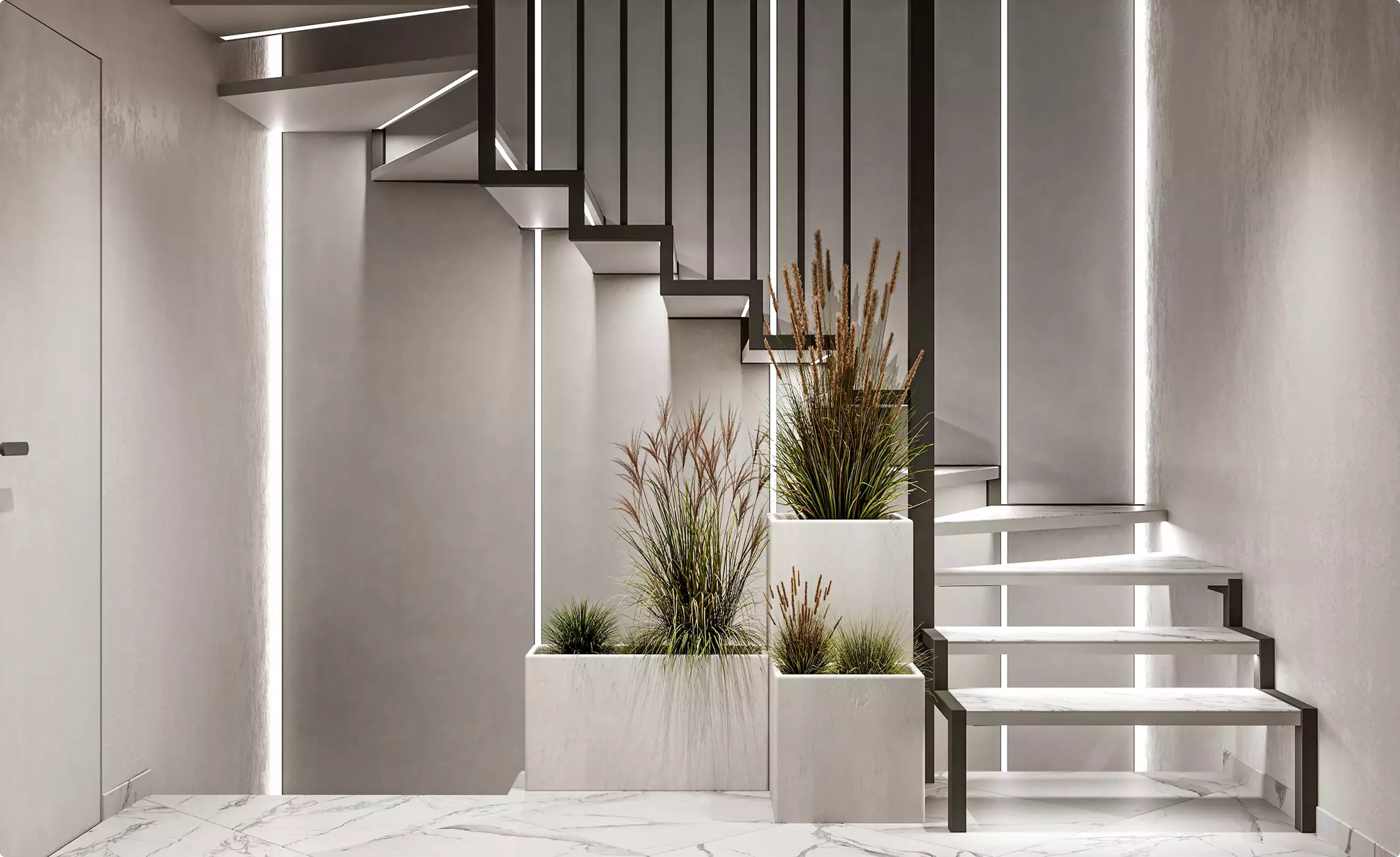
Marketing & Sales Usage
Driving Engagement and Growth
The visuals powered the following:
- Architecture bureau presentations requiring full medical center visualization coverage
- Client review packages across multiple healthcare departments
- Submission and approval materials with consistent visual language
- Portfolio and business development assets for future healthcare work
Key Insight
The project was worked on






Explore Similar Real Estate Cases