3D Rendering of a House That Helped Approve a Landmark Villa
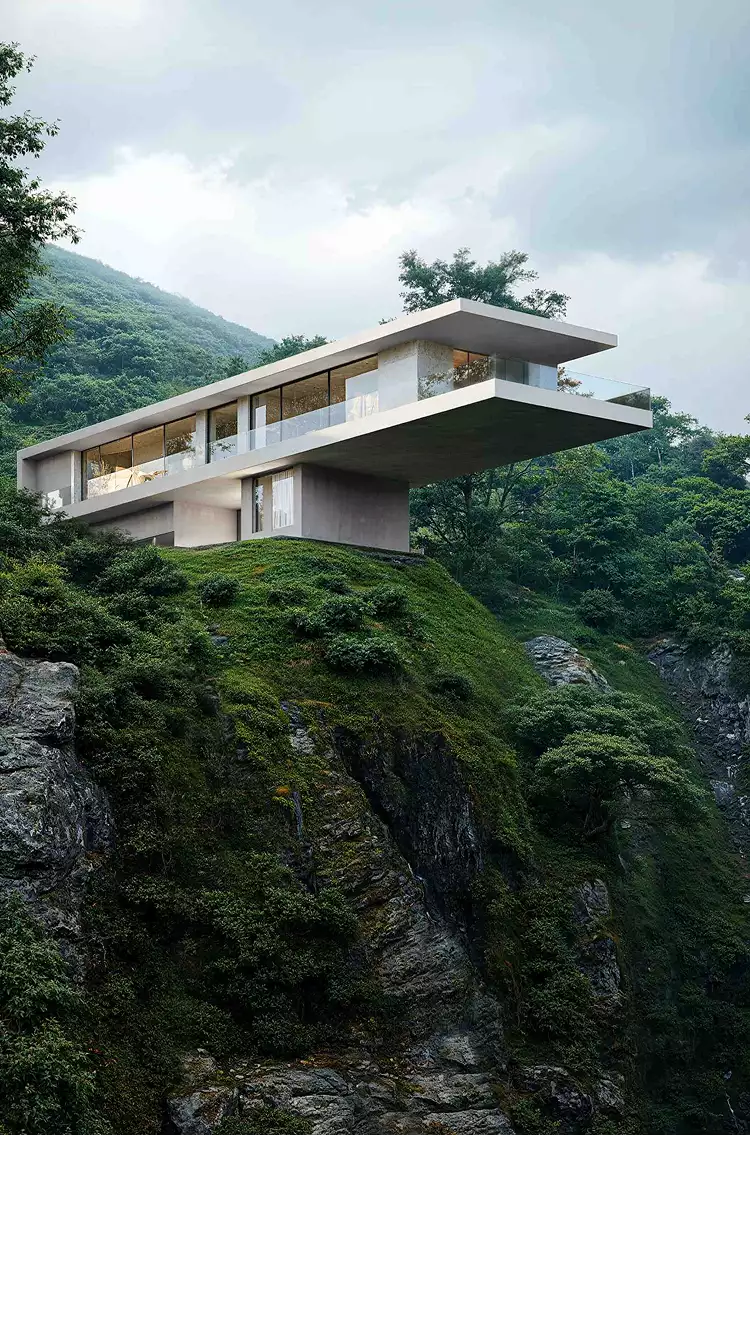
A cinematic 3D rendering of a house created to prove exceptional landscape integration in one of Mauritius’s most protected natural settings.
Client & Market Context
A Renowned Architect and an Extraordinary Villa
Our client was a globally recognized architect developing an extraordinary private villa for a specific end client in a highly restricted natural context in northern Mauritius. In this case, 3D rendering of a house was not about real-estate marketing, but about demonstrating that the proposal deserved to exist within an exceptionally sensitive site.
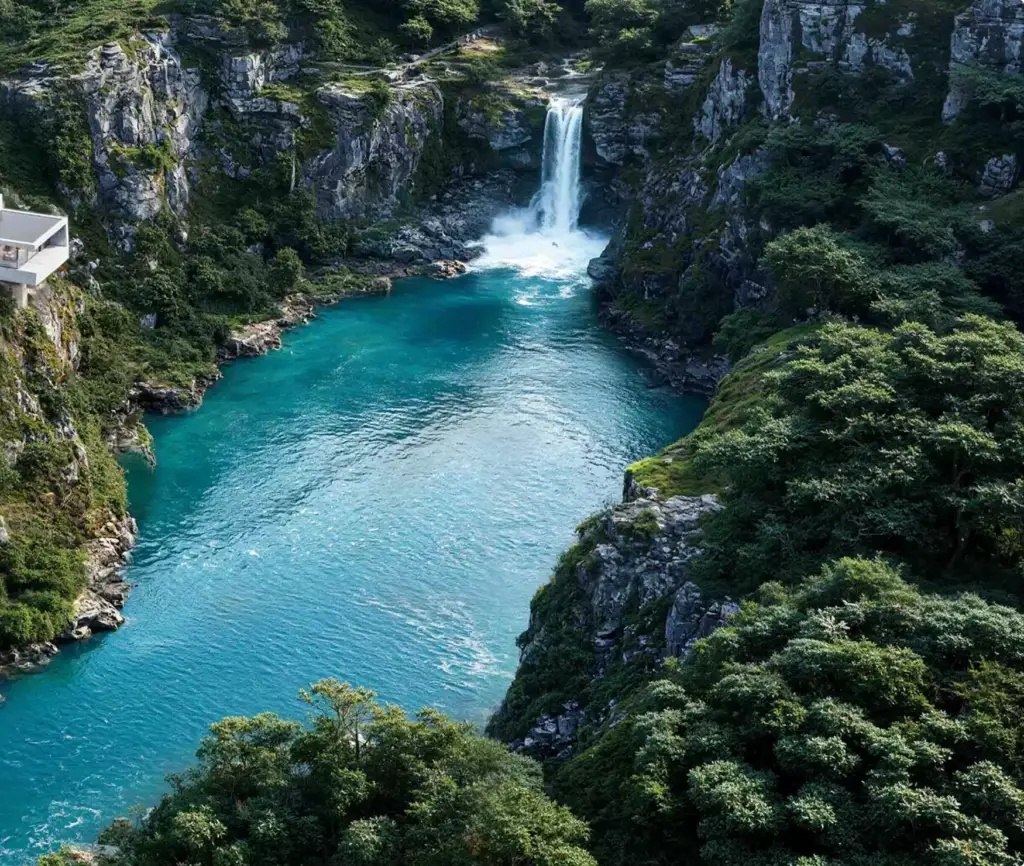
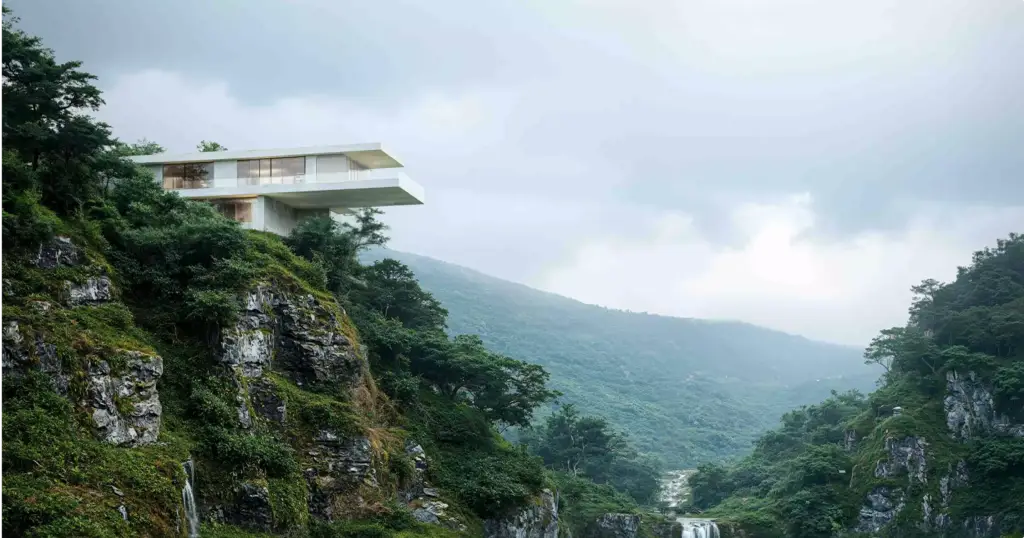
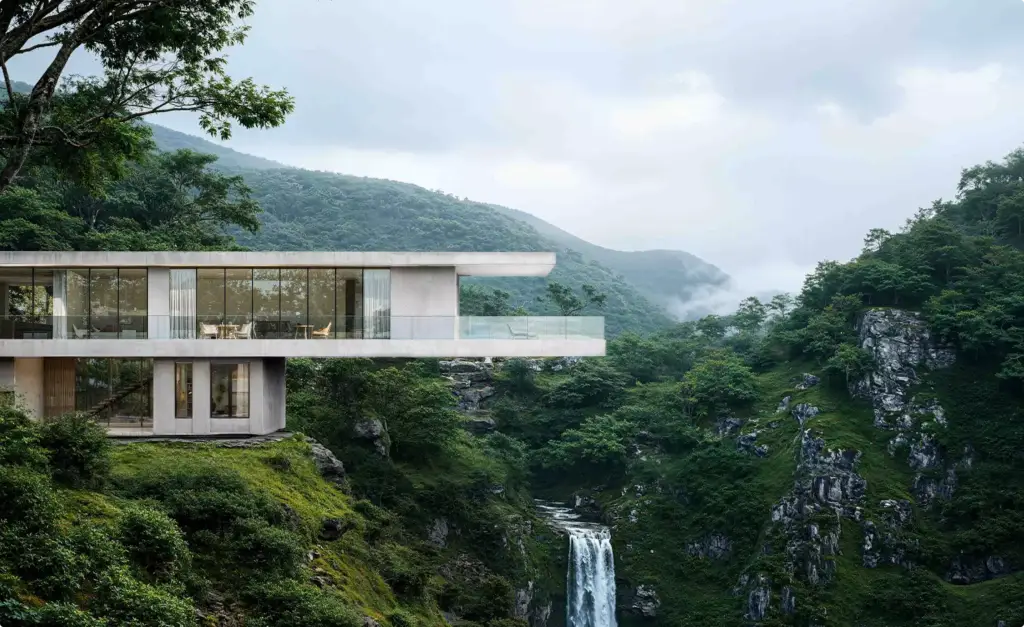
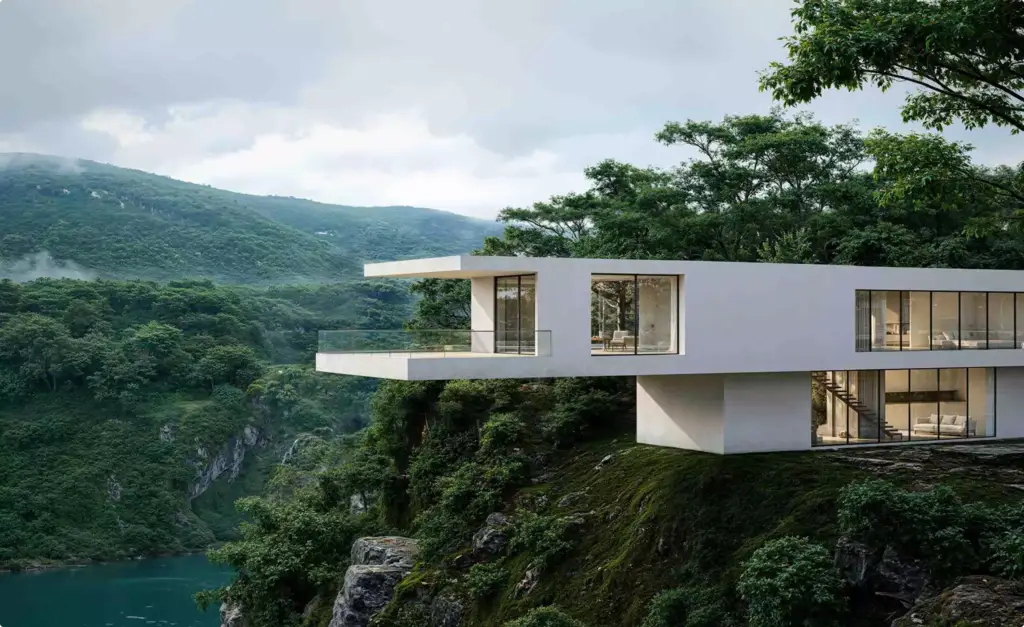
The area included dramatic cliffs, waterfall views, and protected natural surroundings where future construction would be nearly impossible to permit. The visuals had to show that the villa was not competing with the landscape, but belonging to it. That made 3D rendering of a house central to the government approval strategy.
Business Challenge
Proving That the Villa Deserved Its Place
The challenge of this 3D rendering of a house project was to communicate architectural ambition without triggering concern about environmental intrusion. The government of Mauritius needed to see a proposal that felt respectful, precise, and deeply integrated into the terrain.
- Show seamless dialogue between architecture, cliffs, water, and vegetation
- Present the villa as site-responsive rather than visually dominant
- Support approval conversations with emotionally persuasive imagery
- Translate a one-of-a-kind design into clear governmental review materials
The risk was significant: if the visuals failed to communicate harmony with the landscape, the project could be blocked regardless of architectural quality.
Strong 3D rendering of a house imagery helped make the case for buildability through spatial storytelling rather than technical explanation alone.
Results & Business Impact
-
93%
visual clarity across approval-stage presentation materials
-
82%
stronger stakeholder confidence after first review package
-
100%
landscape-focused asset coverage for key government discussions
-
65%
faster alignment around the villa’s environmental positioning
Project Objectives
Setting Our Sights on Success
-
Demonstrate flawless landscape integration in a protected setting
-
Visualize the villa as calm, restrained, and site-specific
-
Support government review with clear cinematic approval imagery
-
Translate design excellence into trust and permission readiness
Services Provided
Our Toolkit for Transformation
Strategic CGI Approach
Architecture as a Quiet Extension of Nature
Key Visual Decisions
Making the Architecture Belong to the Landscape
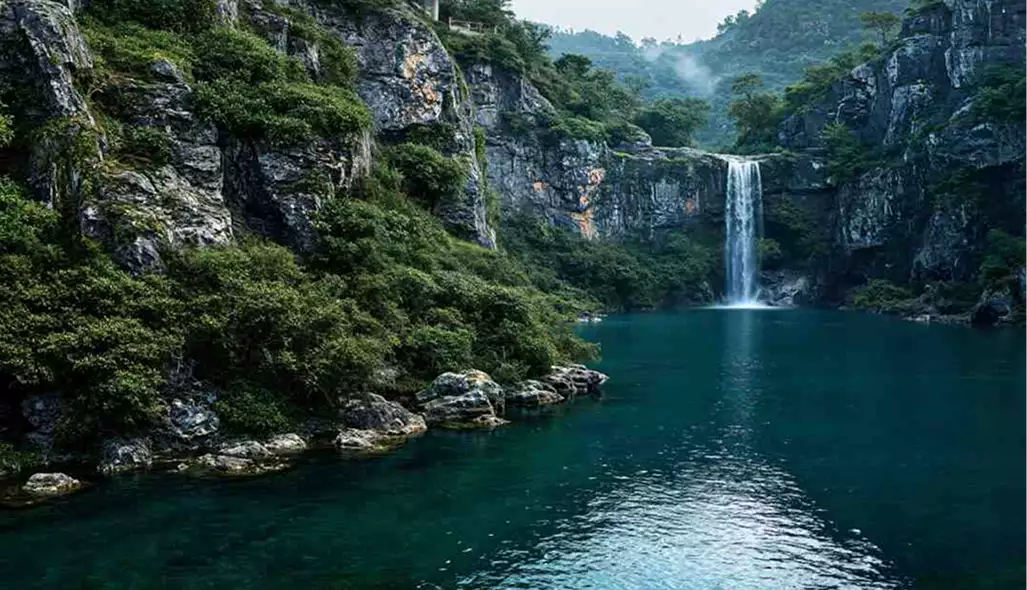
Nature as the Primary Luxury
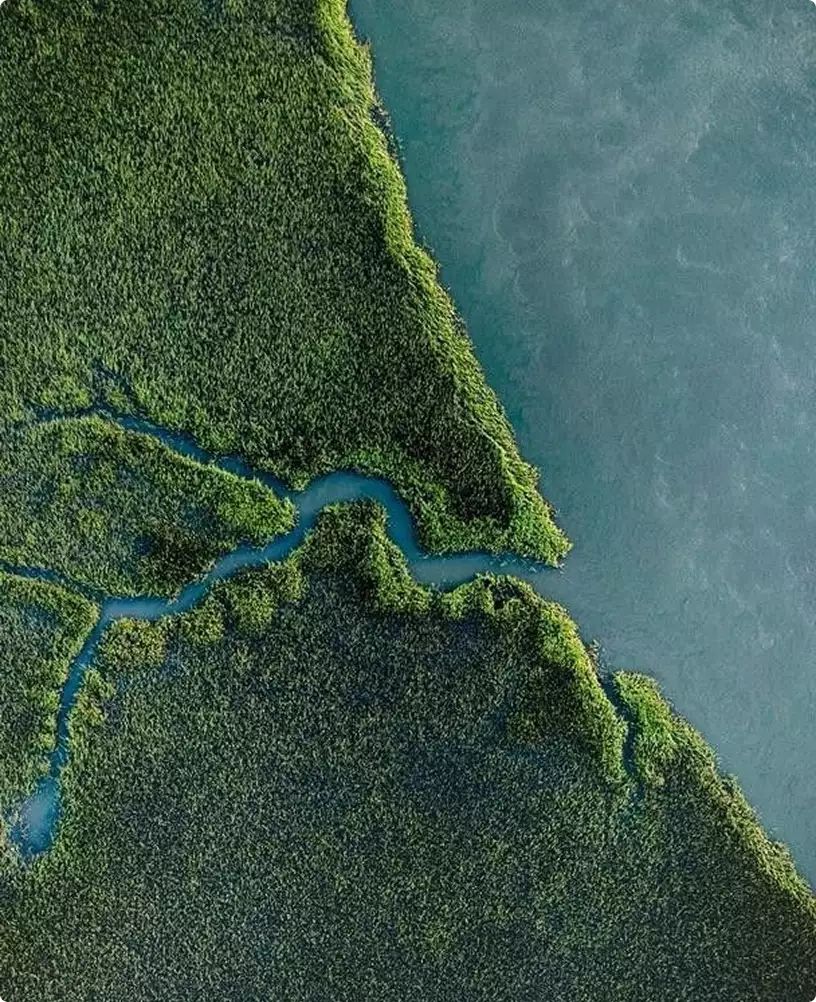
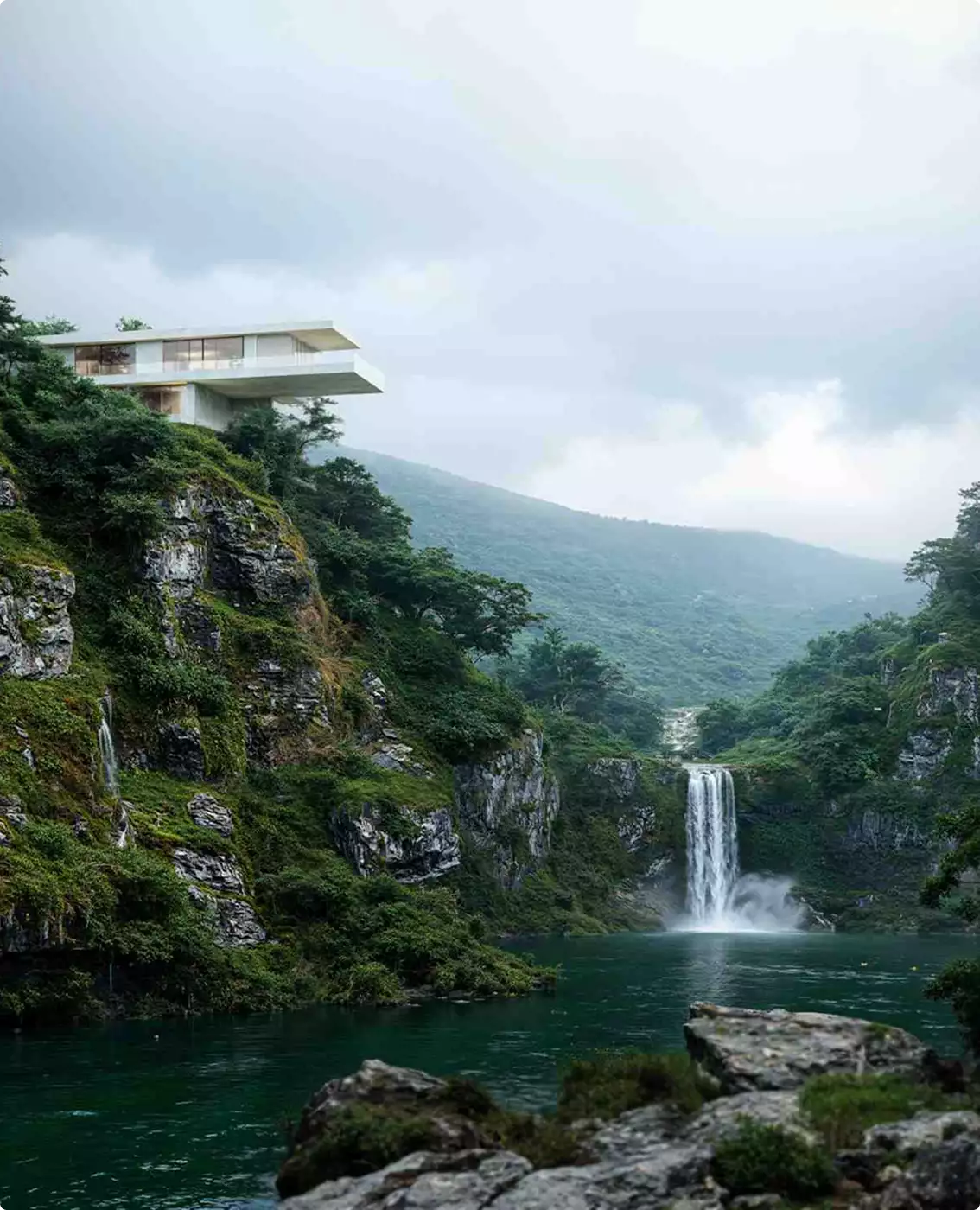
This waterfall view was composed to show that the project’s greatest feature is not the villa itself, but the protected landscape surrounding it. By giving the natural setting visual dominance, we reinforced the idea that the architecture was designed to coexist with the site rather than compete with it.
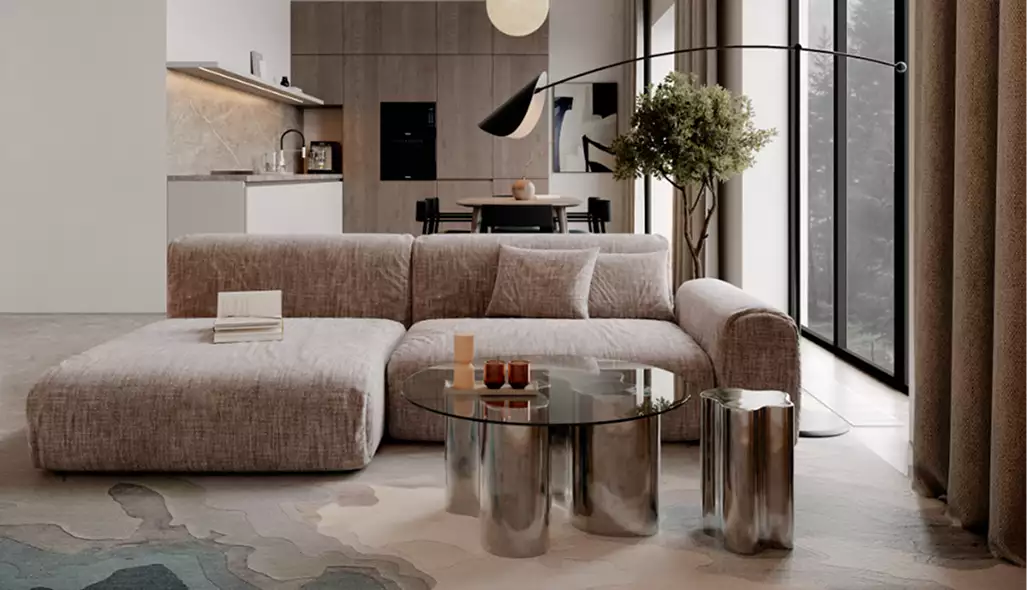
Interior Restraint Over Decorative Display
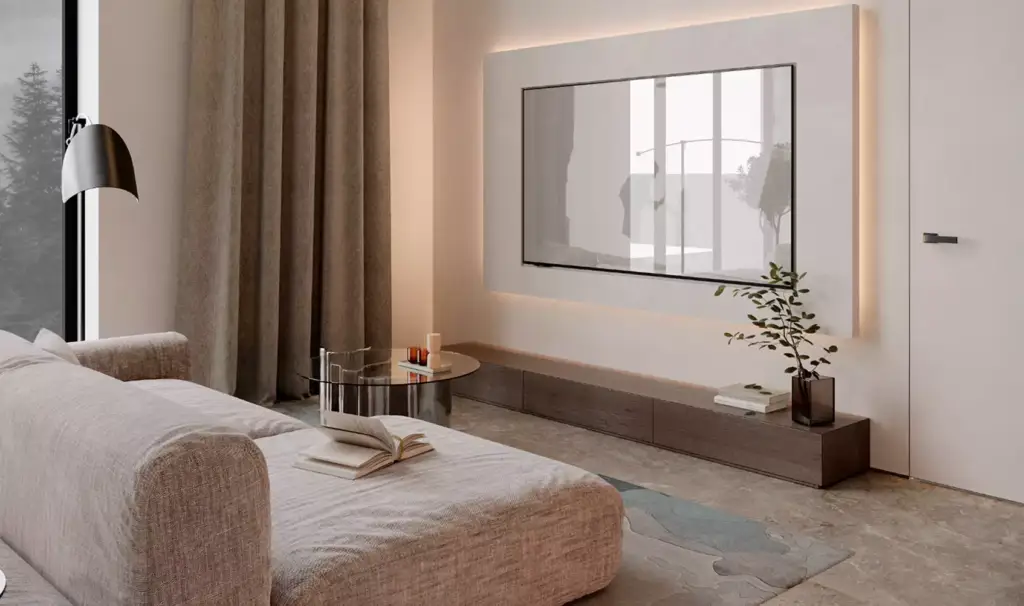
This living area was visualized with soft tones, minimal styling, and carefully controlled daylight to communicate quiet comfort. The goal was to present the villa as refined and highly livable, while keeping the emotional focus on calmness, privacy, and spatial generosity.
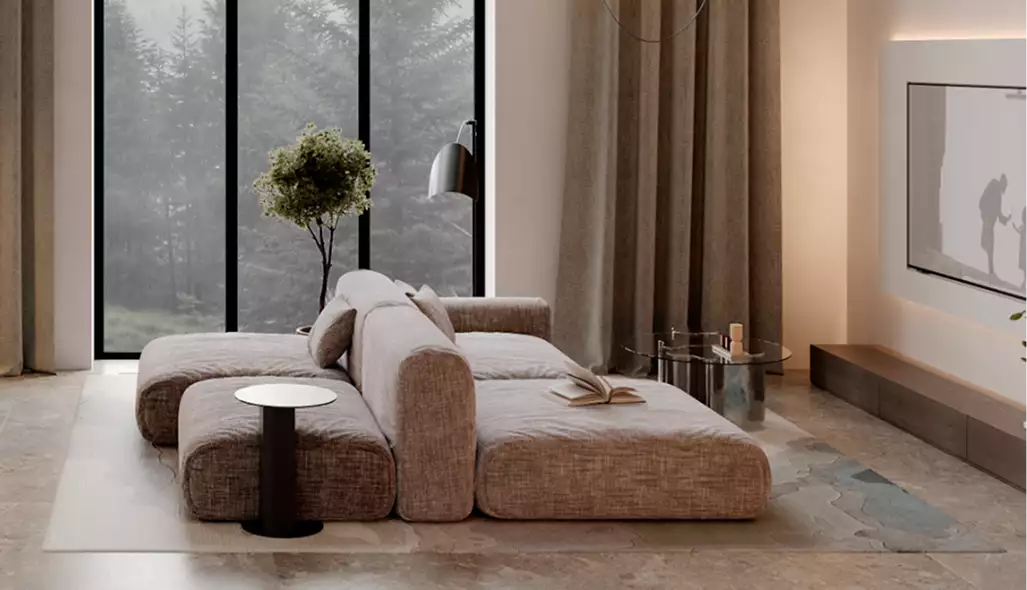
Private Retreat Framed by Soft Light
The bedroom image focused on warmth, filtered daylight, and tactile materials to create a sense of shelter within the larger wilderness context. Rather than making the room feel opulent, the composition positioned it as a serene personal retreat connected to the surrounding landscape.
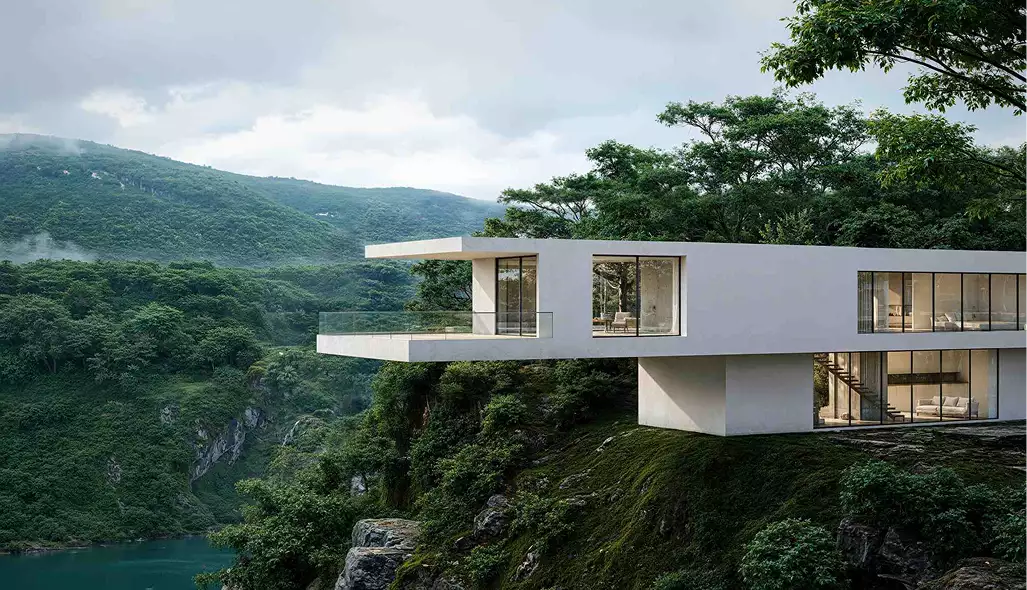
Distance as a Proof of Belonging
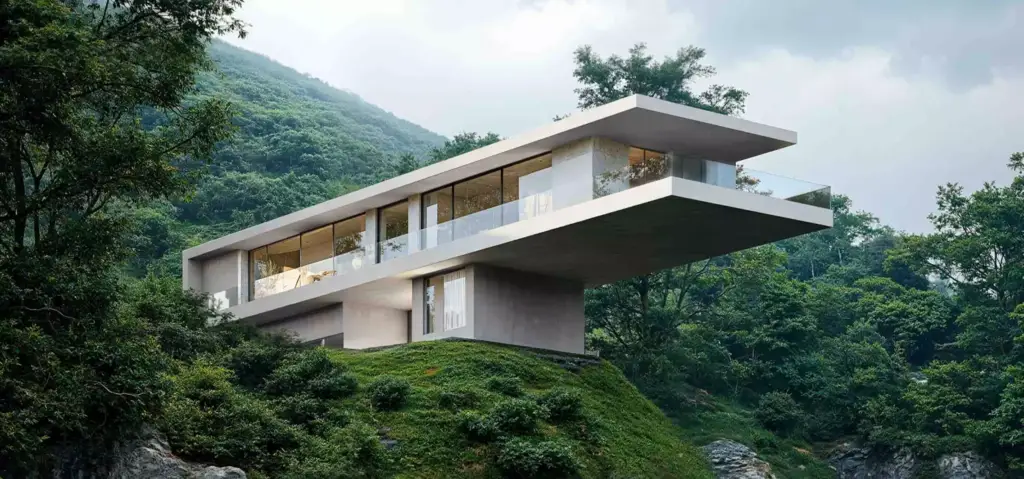
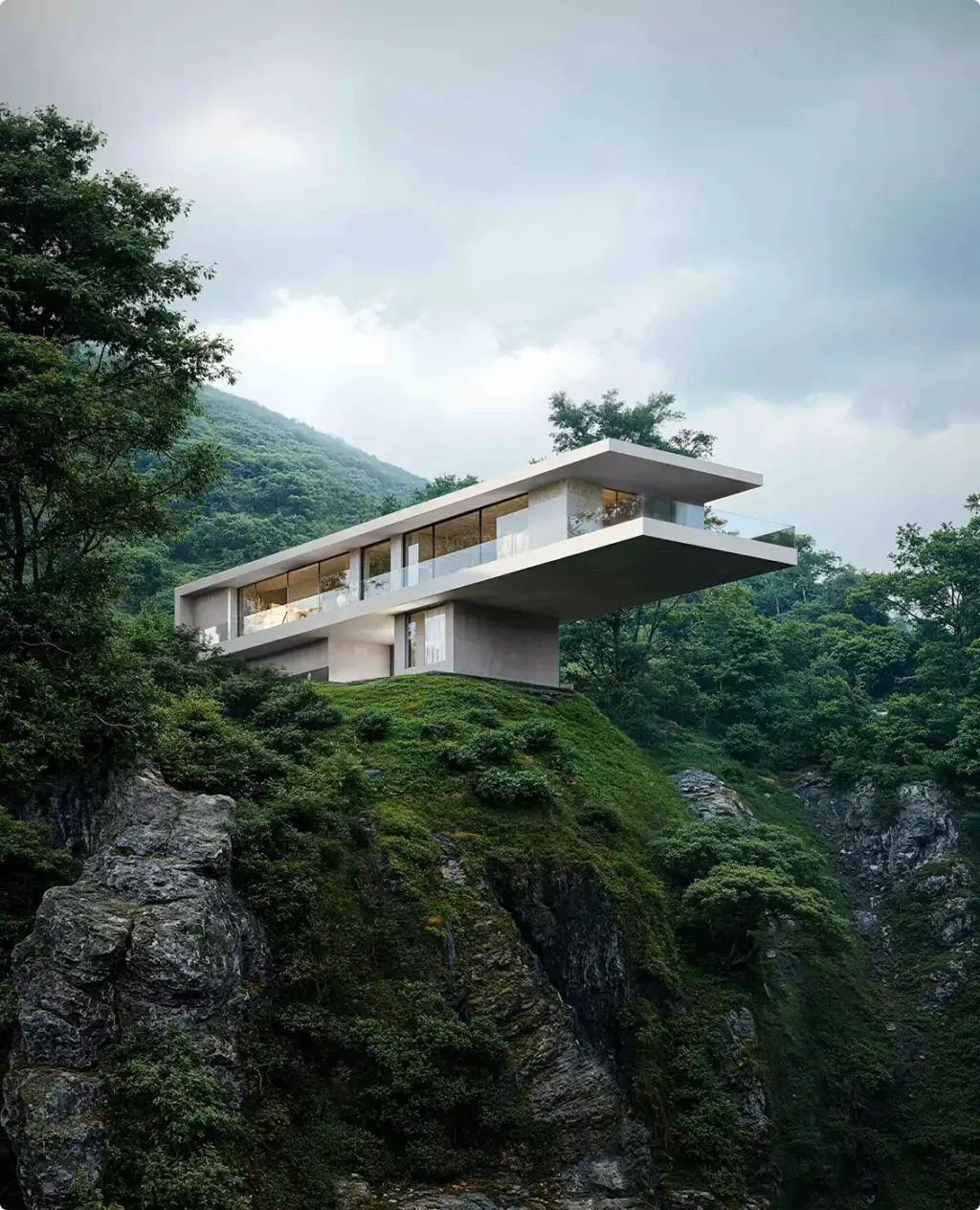
This wider exterior perspective was created to demonstrate how lightly the villa sits within the terrain. Showing the architecture from afar helped communicate scale control, environmental sensitivity, and the feeling that the house had emerged naturally from the site instead of being imposed onto it.
Production Process
Building a Narrative Through Imagery
-
Visual Concept & Art Direction
We studied the architectural intent, terrain conditions, and approval context to define a visual strategy centered on sensitivity and belonging. The first step in 3D rendering of a house was deciding how to frame the villa so every image reinforced coexistence with nature rather than visual dominance. -
CGI Production
Our team developed the exterior hero views, contextual landscape frames, and selective interior scenes with close attention to material calm, climatic atmosphere, and topographic realism. The resulting 3D house renderings translated a remarkable design into a clear, credible visual story. -
Iteration & Refinement
Final adjustments focused on vegetation density, water tone, atmospheric haze, and the balance between built form and natural drama. This phase refined the 3D rendering of a house into a persuasive approval tool that could stand up to scrutiny from both design-minded and regulatory stakeholders.
Visual Results
Visuals That Resonate With Emotion
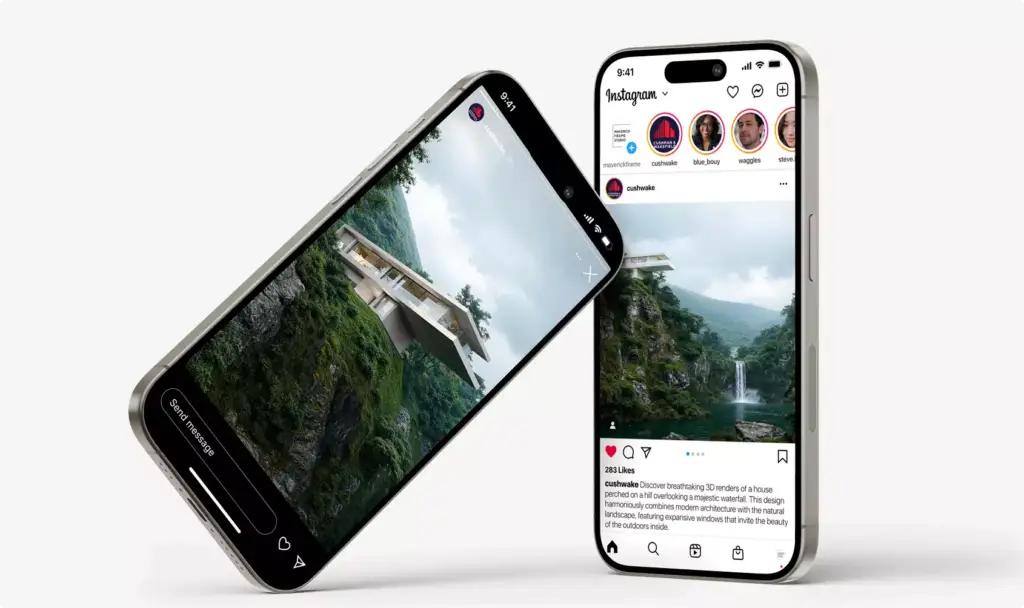
Marketing & Sales Usage
Driving Engagement and Growth
The visuals powered the following:
- Government presentation materials built around the 3D rendering of a house
- Approval-stage documents explaining site integration and architectural intent
- Portfolio content for a globally recognized architect’s landmark project
- Future communications around the villa’s realization in Mauritius
Key Insight
FAQ about the landmark villa rendering in Mauritius
What is a 3D rendering of a house?
How much does a 3D rendering of a house cost?
How to make a 3D rendering of a house?
What does a house rendering image include?
Why use 3D house renderings for government approval?
What is the difference between house renders and marketing visuals?
Can rendering a house help show environmental integration?
When is rendering house exteriors more important than interior visuals?
What does 3D rendering house exterior work involve in a complex site?
Are exterior home renderings useful for one-off private villas?
Explore Similar Real Estate Cases
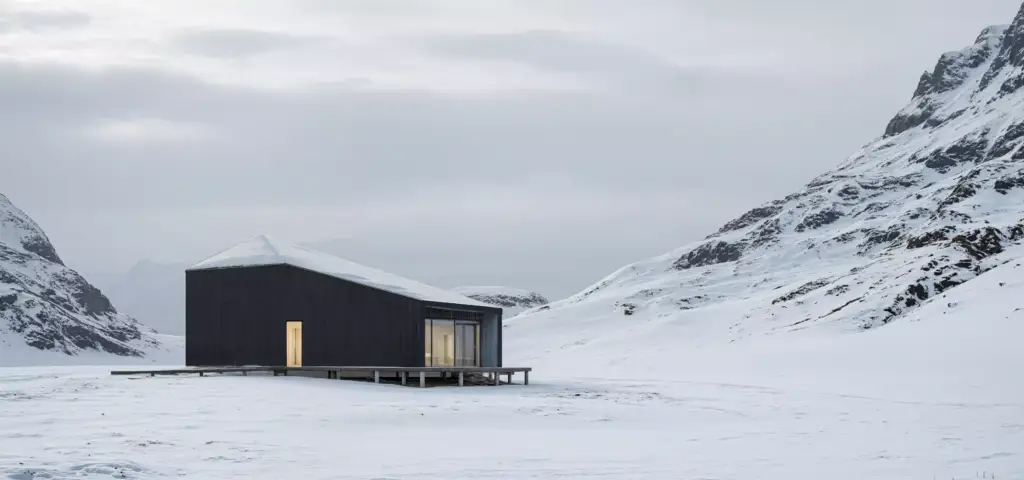
3D Winter Renders That Helped Rescue a Mountain House Project
Landscape sensitivity decided this approval; season decided another, where 3D winter renders of a mountain house restored 87 percent of client confidence after earlier failed attempts and rebuilt approval momentum.
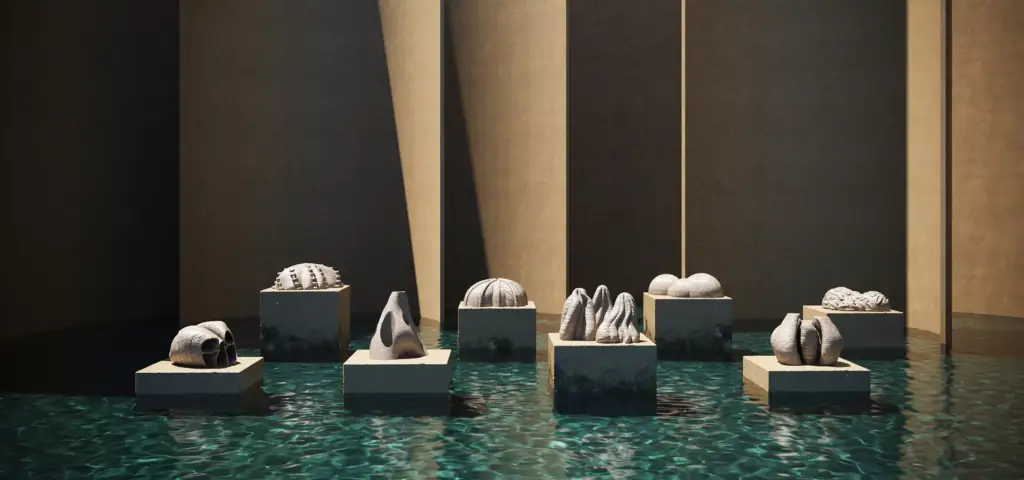
How 3D Product Images Secured £500K for a UK Startup
Government reviewers and impact investors both need a proposal made legible, and 3D product images for an ocean restoration concept cut explanation time 87 percent on the way to 500 thousand pounds in seed funding.
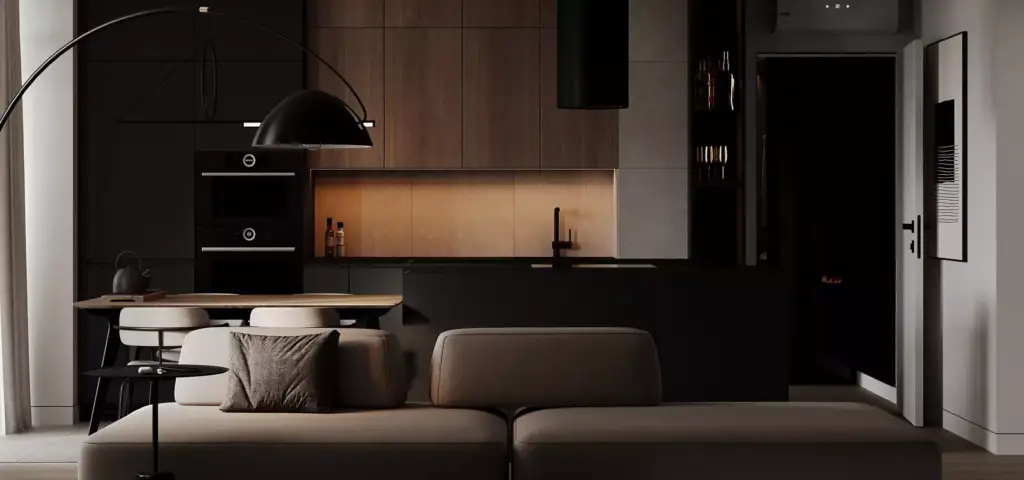
Black Apartment Design That Makes Small Spaces Feel Cozy and Premium
Precision was possible here because the brief was detailed; black apartment design for a compact Berlin interior reached full alignment with almost no guidance and 72 percent faster concept approval.