Outsource 3D rendering means assigning visualization work to an external team instead of producing everything inside your company. In practical terms, it is a way to get still images, animations, or marketing visuals done without building a full in-house CGI department. Companies turn to this model when project timelines tighten, visual scope expands, or internal staff should stay focused on architecture, design, sales, or approvals rather than production.
That is why outsourcing 3D rendering has become a common decision across architecture, development, real estate, and construction. It helps teams add capacity fast, avoid permanent overhead, and keep delivery moving during peak periods. It can also fail badly when the scope is vague, the vendor is wrong for the job, or the review process is chaotic.
This guide explains what outsourced 3D rendering actually includes, when it makes business sense, how it compares with in-house production, what affects cost, and how to choose a provider without creating more problems than you solve.
What Does It Mean to Outsource 3D Rendering?What Does It Mean to Outsource 3D Rendering?
To outsource 3d rendering is to hand off part or all of the visualization pipeline to an outside partner. That may include exterior stills, interior perspectives, aerial views, animation, post-production, asset creation, and final files prepared for web, print, presentations, or pre-sales campaigns.
The important point is that this is not just a freelance purchase. Good outsourced 3D rendering sits inside a defined workflow with a brief, milestones, approvals, revision rules, and file standards. When teams skip the basics, the rendering itself is rarely the problem. The issue is usually weak production management.
What Gets Outsourced Most OftenWhat Gets Outsourced Most Often
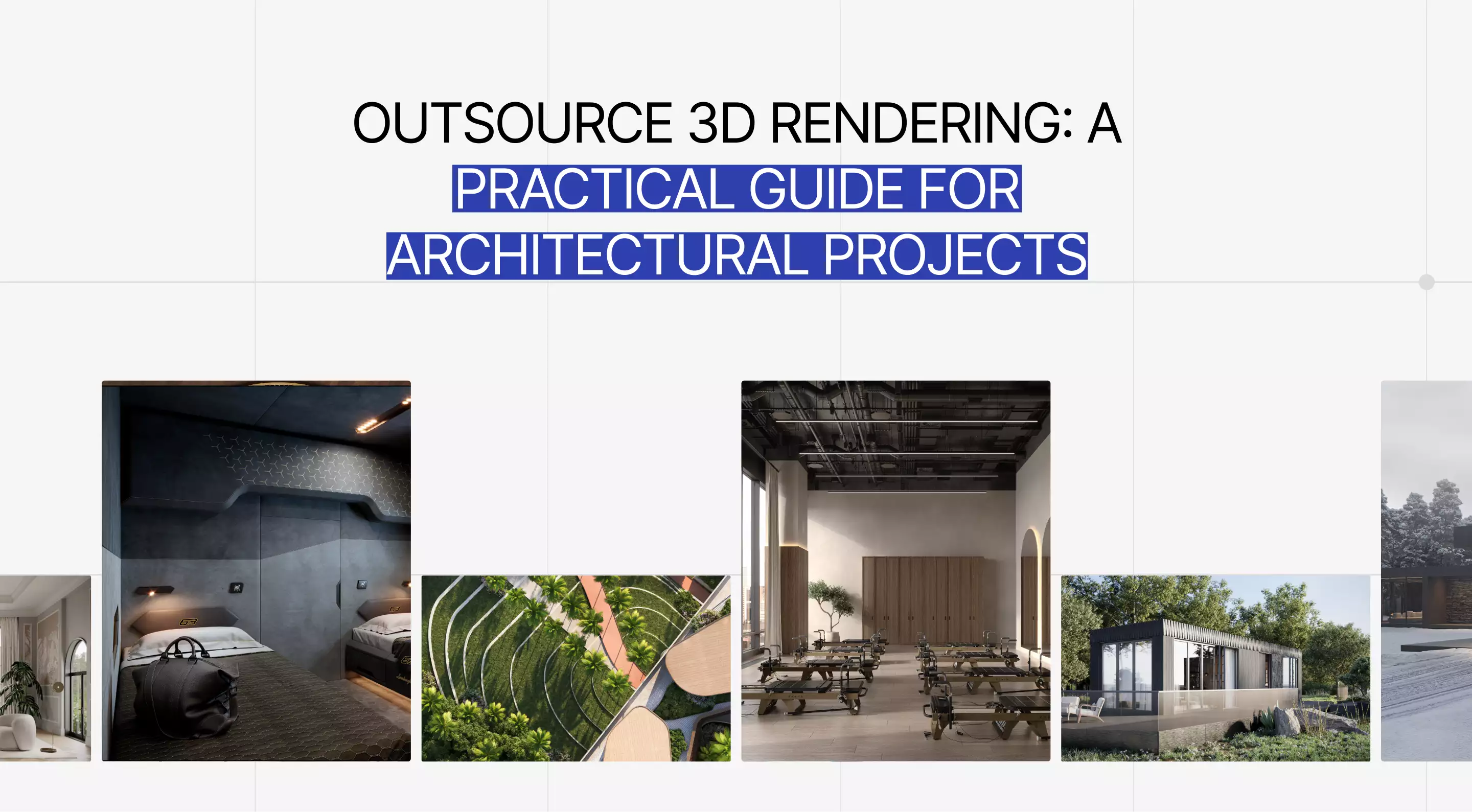
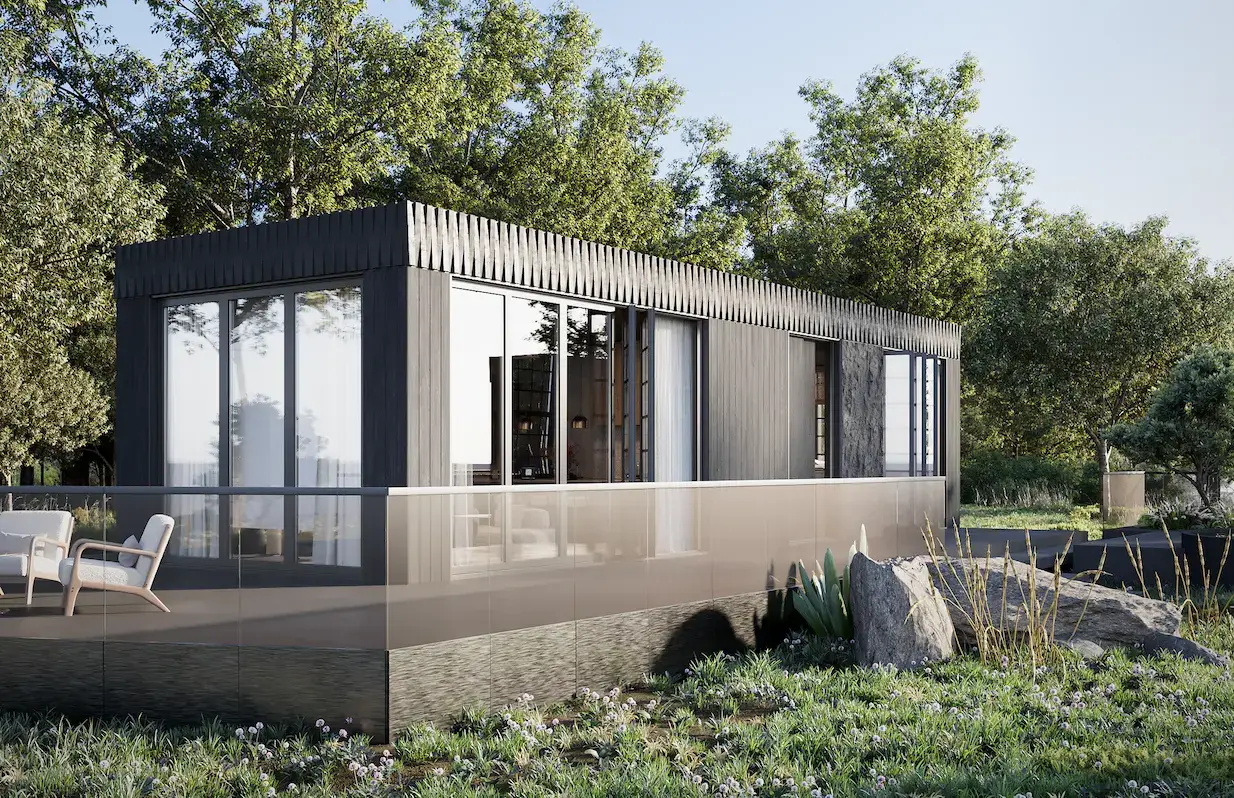
The most common package in outsourcing 3D renders includes exterior visuals, interior scenes, aerial shots, walkthrough animation, product or environment visuals, and marketing-ready images for launch materials. Some teams outsource only final image production. Others also send out modeling, scene setup, material development, and post-production.
That is also why many firms connect visualization with adjacent services such as 3D modeling when the source files are not clean enough for efficient production.
In-House vs Outsourced RenderingIn-House vs Outsourced Rendering
With outsourcing 3D rendering, you usually trade some direct day-to-day control for flexibility, speed, and easier scaling. An internal team can respond quickly and stay close to the design process, but it also brings salaries, licenses, hardware costs, training, supervision, and utilization pressure.
An in-house setup makes sense when rendering demand is constant and large enough to keep specialists busy year-round. External production is often the smarter option when demand spikes, deadlines vary, or the company does not want to carry fixed overhead between projects.
When Does 3D Architectural Rendering Outsourcing Make Sense?When Does 3D Architectural Rendering Outsourcing Make Sense?
3D architectural rendering outsourcing makes sense when the internal team cannot deliver the required volume, speed, or quality without harming other work. That is common during launches, approval phases, investor presentations, or multi-view campaigns where the image count grows faster than internal capacity.
A lot of firms also outsource architectural 3D rendering when they have strong designers but no dedicated CGI specialists. Expecting architects to solve design problems and produce polished campaign imagery at the same time is a poor use of expensive internal talent.
Signs Your Team Should Not Handle Rendering In-HouseSigns Your Team Should Not Handle Rendering In-House
You should outsource 3D architectural rendering when deadlines are compressed, the scope includes many views, or the team lacks the hardware and software to deliver at a professional level. Another warning sign is when architects and interior designers are spending too much time on lighting, materials, and post-production instead of doing their actual jobs.

If the internal process relies on overtime, improvised tools, and last-minute fixes, then the problem is not just temporary pressure. Rather, the issue is that production capacity is misaligned with project demands.
When Outsourcing Is a Strategic Decision, Not Just a Backup PlanWhen Outsourcing Is a Strategic Decision, Not Just a Backup Plan
The best teams treat 3D architectural rendering outsource as part of a broader operating model. That keeps payroll leaner, avoids idle capacity in slow periods, and makes it easier to scale output when a major campaign arrives.
This approach also works well for companies that already rely on external support in related areas such as animation services or launch collateral rather than trying to build every capability internally.
Main Benefits of Outsourcing 3D RenderingMain Benefits of Outsourcing 3D Rendering
The core reason companies outsource 3D rendering is not that it sounds efficient in theory. It is that a specialist team can usually deliver faster, more predictably, and with fewer internal distractions than a design office trying to run a rendering department on the side.
Strong 3D rendering outsourcing services give access to dedicated artists, better production capacity, easier scaling, and lower overhead tied to salaries, software, and hardware. The gain is especially clear when output requirements change month to month.
Lower Overhead and Better Use of Internal TimeLower Overhead and Better Use of Internal Time
The business case for 3D rendering outsourcing starts with time allocation. Architects, developers, and marketing leads should spend their hours on design decisions, stakeholder communication, sales support, and approvals. They should not be stuck solving render settings late at night because the image list keeps growing.
The true cost of in-house production is broader than payroll. It includes software subscriptions, workstations, maintenance, management time, and the cost of diverting senior staff away from higher-value work.
Access to Specialized Skills and Production CapacityAccess to Specialized Skills and Production Capacity
A capable 3D rendering outsourcing service provider brings artists, asset libraries, technical routines, and review structures that many internal teams cannot justify building. That matters when the project needs polished interior rendering services, refined exterior mood, animation support, or a broader content package across several channels.

Some projects also expand beyond architecture into branded visuals or physical product content, which is why broader studios may support needs such as 3D product visualization.
Faster Delivery for Large or Urgent ProjectsFaster Delivery for Large or Urgent Projects
A reliable 3D rendering outsource model allows multiple artists to work in parallel, which reduces bottlenecks and helps large campaigns stay on schedule. That matters when a project requires several views, multiple formats, or tightly staged approvals before launch.
But speed is only useful when the review process is under control. A fast vendor with weak processes can generate more rework than a slower team with clear milestones.
What Are the Risks and Drawbacks?What Are the Risks and Drawbacks?
The main risk in outsourcing 3D rendering is loss of clarity. When the brief is weak, the scope is unstable, or the vendor is a poor fit, teams get inconsistent drafts, bloated revision rounds, and deadline friction.
There is also less informal control than with an internal team. Communication gaps, timezone mismatch, unclear ownership terms, and vague approval chains can slow even a technically good provider.
Where Outsourcing Can Go WrongWhere Outsourcing Can Go Wrong
Most failed outsourced 3D rendering projects break down for ordinary reasons. The brief is incomplete, the revision policy is unclear, the quote conceals limitations, or the vendor promised an unrealistic deadline.
Low pricing is often where teams get trapped. Cheap work can become expensive once delays, poor drafts, and repeated corrections start eating internal time.
How to Reduce Risk Before the Project StartsHow to Reduce Risk Before the Project Starts
The safest approach to 3D rendering outsourcing services is to settle the rules before production begins. Review the portfolio for relevant work, ask how the process runs, define what counts as a revision, confirm file formats, and decide who has final approval.
This is also the right stage to sign an NDA and clarify ownership. When needed, teams should also confirm whether the provider can handle broader tasks such as exterior rendering services or whether the job is limited to final image production only.
How to Choose the Right 3D Rendering Outsourcing PartnerHow to Choose the Right 3D Rendering Outsourcing Partner
Choosing a 3D rendering outsourcing service provider is less about finding the most attractive website and more about finding a partner who can deliver relevant work consistently. Portfolio fit, communication quality, realistic turnaround, review structure, and technical compatibility matter more than polished sales language.
The right 3D architectural rendering outsource partner should understand your project type, your audience, and the level of realism or polish your deliverables actually require.
What to Check in a PortfolioWhat to Check in a Portfolio
A portfolio for 3D rendering outsourcing should show consistency, not just one hero image. Look for project types similar to yours, believable materials, controlled lighting, strong composition, and evidence that the studio can sustain quality across multiple views.
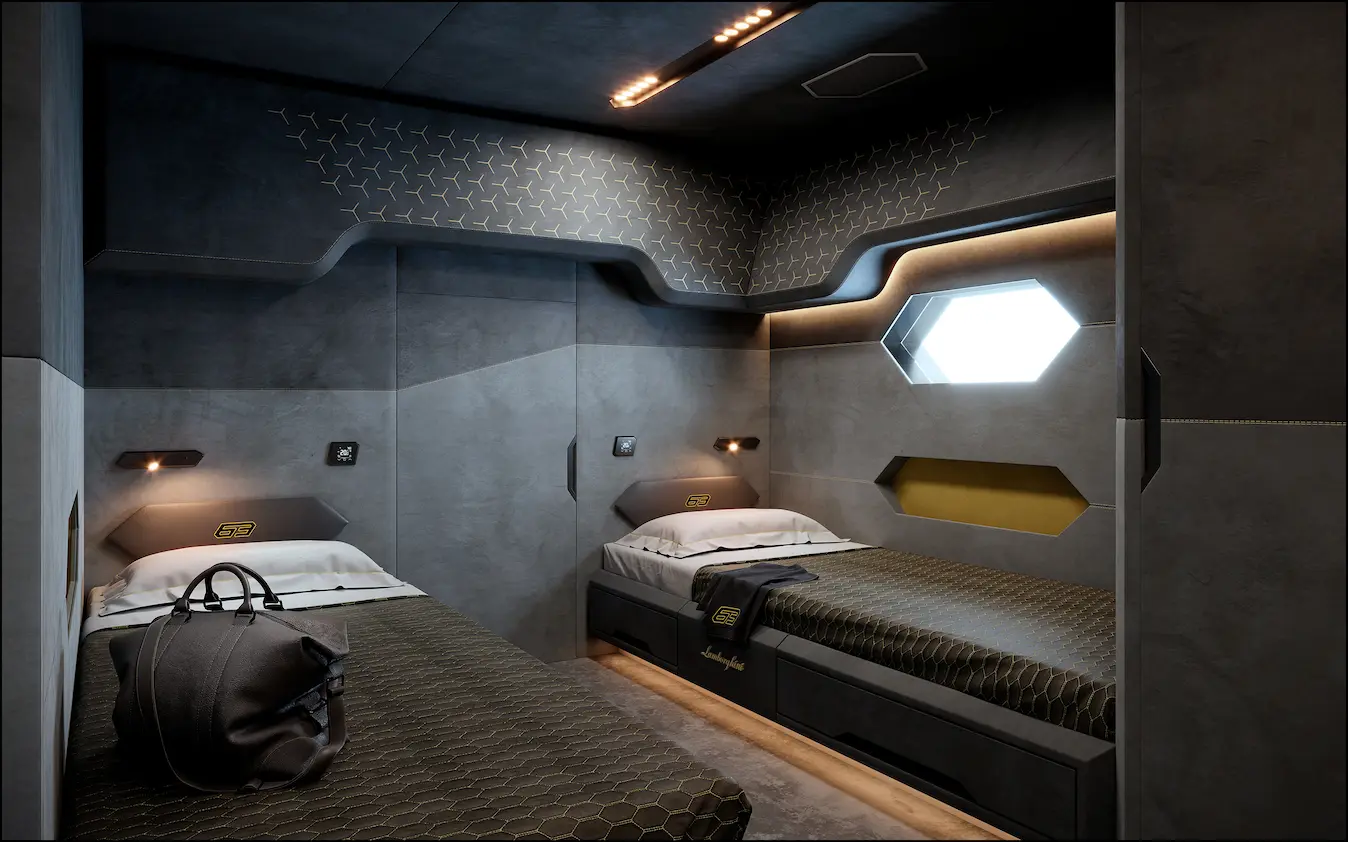
It also helps to see whether the studio can support adjacent sectors, especially if future work may include areas such as yacht visualization or non-standard commercial assets.
Questions to Ask Before SigningQuestions to Ask Before Signing
Before hiring outsourcing architectural 3D rendering services, ask about communication management, the number of feedback rounds included, the files delivered, the structure of deadlines, and whether source files are part of the agreement.
You should also inquire about how the team handles revisions and quality control. If no one can clearly explain the process, the project will likely become disorganized once production begins.
Freelancer vs Studio vs Larger Production TeamFreelancer vs Studio vs Larger Production Team
When you outsource architectural 3D rendering, vendor size matters. A freelancer can work for small scopes with one decision-maker and limited revisions. A studio is usually better for recurring work and steadier quality. A larger production team is the safer choice when the campaign includes many views, multiple service lines, or strict launch timing.
What Affects the Cost of Outsourced 3D Rendering?What Affects the Cost of Outsourced 3D Rendering?
When companies outsource 3D rendering, price is shaped by scope, not by image count alone. Complexity, number of views, model readiness, level of detail, revisions, urgency, animation, and delivery format all affect the quote.
Complexity, Scope, and Number of ViewsComplexity, Scope, and Number of Views
In 3D architectural rendering outsourcing, one polished hero image is very different from a full campaign across exterior, interior, aerial, and lifestyle views. Context modeling, landscaping, custom furniture, detailed materials, and branded elements increase time quickly.
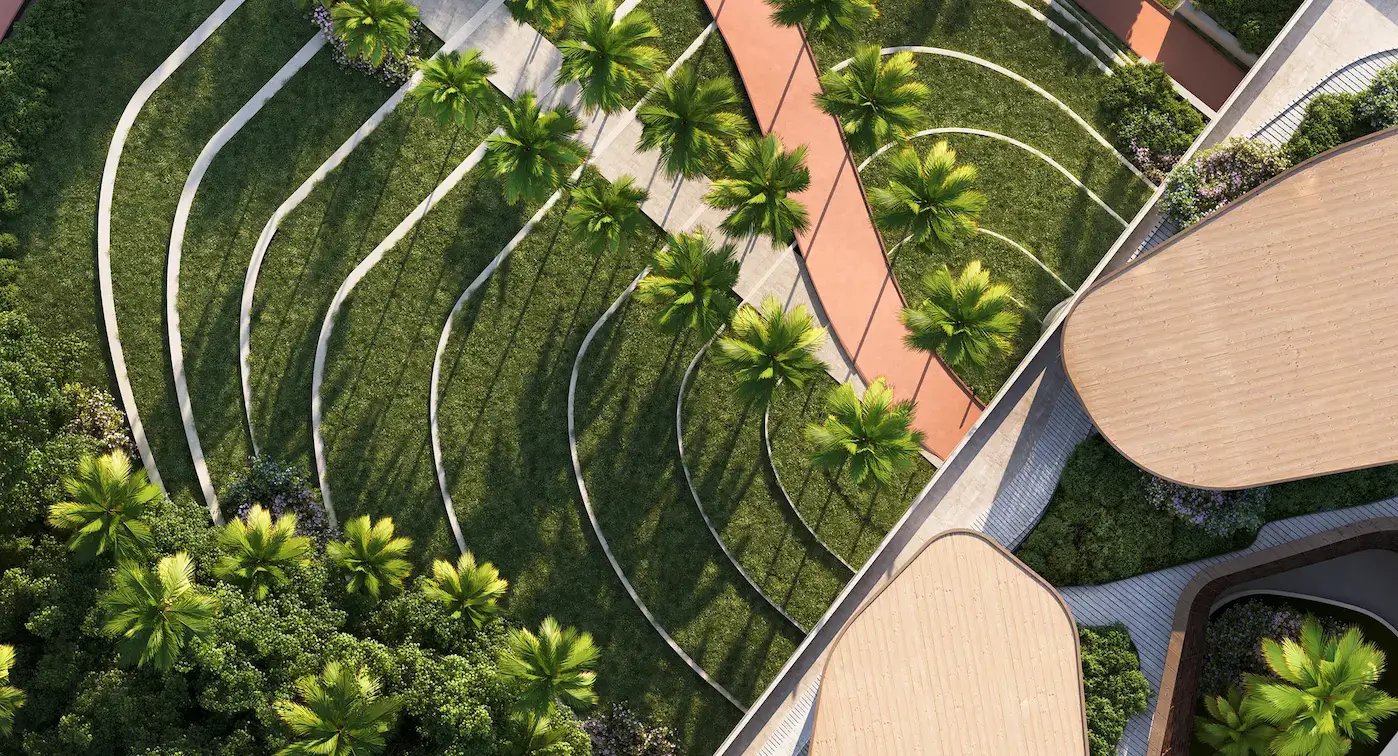
The purpose of the image matters too. A planning submission does not need the same treatment as a marketing visual for paid media, brochures, or investor decks.
Urgency, Revisions, and Output RequirementsUrgency, Revisions, and Output Requirements
With outsourcing 3D rendering, rush delivery usually costs more because it compresses production and review time. So do broad revision rights, oversized print files, animation requests, and multiple export formats.
A clean brief lowers cost because it reduces avoidable changes. Projects get expensive when teams are still debating camera angles after the detailed draft has already been built.
Why Cheap Quotes Can Become ExpensiveWhy Cheap Quotes Can Become Expensive
A weak 3D rendering outsource quote often leaves out the real cost drivers. Hidden revision limits, slow communication, poor quality control, and missed deadlines create rework that does not appear in the first proposal.
That is why the cheapest provider is often the wrong choice. A stable process usually saves more money than a low number on paper.
Step-by-Step Process for Outsourcing 3D RenderingStep-by-Step Process for Outsourcing 3D Rendering
A strong outsource 3D rendering workflow should feel simple, controlled, and repeatable. The goal is to move from scope to final delivery without confusion or duplicated work.
Step 1–3: Define Scope, Find a Provider, Get a QuoteStep 1–3: Define Scope, Find a Provider, Get a Quote
Good 3D rendering outsourcing services usually begin with three decisions. First, define what should be outsourced and what stays internal. Second, shortlist vendors whose portfolios match your project type. Third, request a quote based on views, timing, references, deliverables, and source file condition.
This is also the right moment to assess whether the project may later require related outputs such as VR development in Unreal Engine rather than treating every format as a separate last-minute addition.
Step 4–6: Brief, NDA, and Quality Control RulesStep 4–6: Brief, NDA, and Quality Control Rules
The success of outsourcing architectural 3D rendering services depends heavily on the brief. Provide drawings, model files, material direction, camera intent, mood references, deadlines, and approval roles.
Then define how the project will be managed. Sign the NDA, set milestone checkpoints, confirm revision rules, and decide who consolidates feedback. Too many reviewers with conflicting comments can destroy both timing and quality.
Step 7–9: Draft Reviews, Feedback, and Final DeliveryStep 7–9: Draft Reviews, Feedback, and Final Delivery
A proper outsourced 3D rendering process should move through staged approvals such as draft composition, lighting and material review, refined details, and final export. Each stage should answer a clear question.
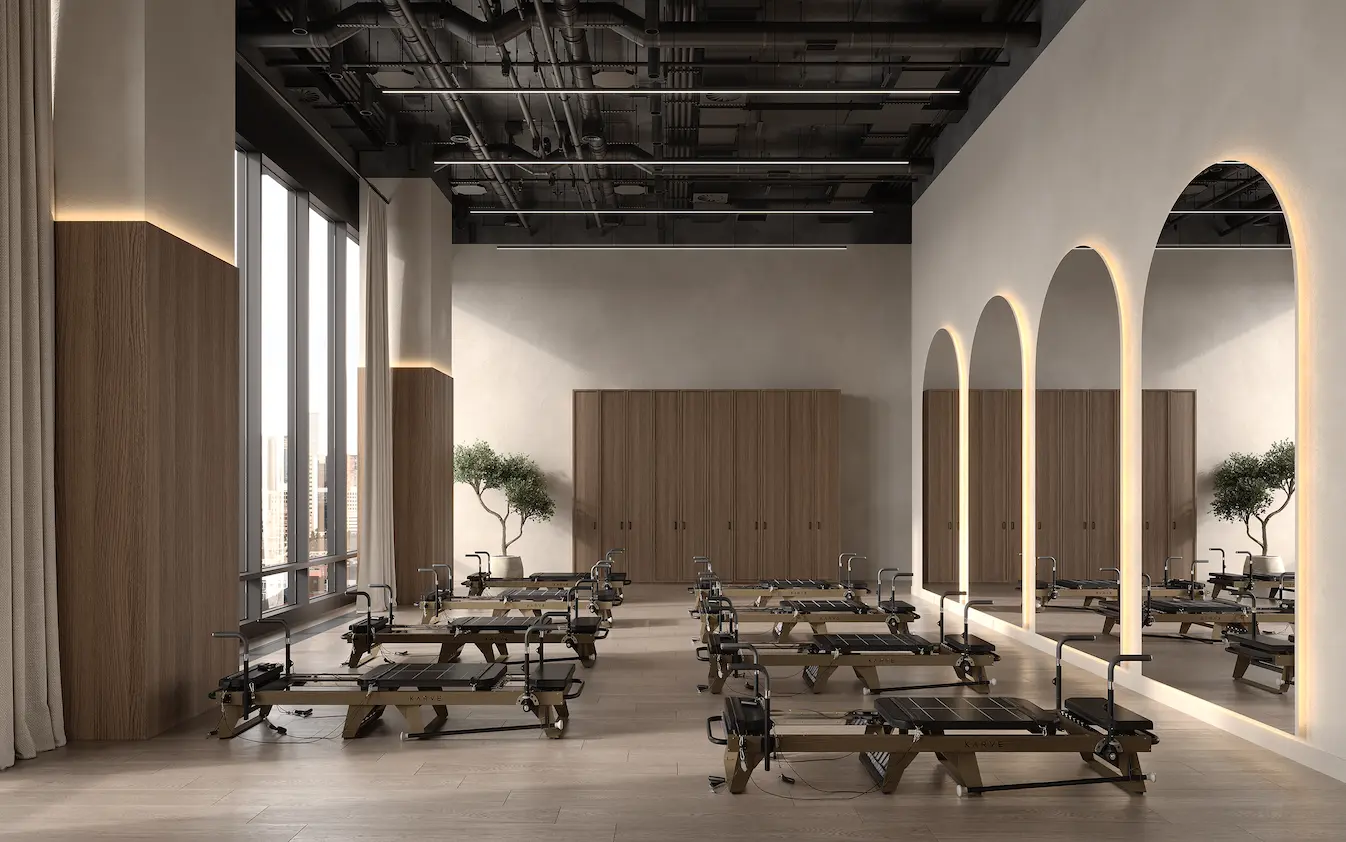
Final delivery should include the agreed file formats, naming structure, and ownership terms. Feedback works best when it is specific, visual, and prioritized rather than vague and emotional.
Use Cases: Where Outsourced Rendering Delivers the Most ValueUse Cases: Where Outsourced Rendering Delivers the Most Value
The main reason teams outsource 3D architectural rendering is that critical decisions often depend on visuals before construction is complete. That applies across architecture, real estate, development, interiors, and sales-driven residential work.
A 3D construction rendering outsource model becomes especially useful when technical information must be explained clearly to clients, investors, buyers, or stakeholders who will not read plans with confidence.
Architecture and Real Estate MarketingArchitecture and Real Estate Marketing
In 3D architectural rendering outsourcing, visuals support approvals, presentations, pre-sales, investor materials, and listing campaigns. Good images do more than show form. They help non-technical audiences understand value, atmosphere, scale, and intent.
That is also why some teams combine rendering with presentation design when visuals need to work inside a broader sales or investor package.
Construction, Development, and Technical PresentationConstruction, Development, and Technical Presentation
A 3D construction rendering outsource approach is useful for development and construction teams that need to explain sequencing, site relationships, amenities, and massing to mixed stakeholder groups. It can simplify complex information without oversimplifying the project itself.
Residential Projects and Builder MarketingResidential Projects and Builder Marketing
For residential campaigns, a 3D home builder’s rendering outsource setup helps create website visuals, brochure content, and early marketing assets before photography exists. That is especially useful for single-family homes, townhouse schemes, and phased developments.
Past project evidence often matters here, which is why decision-makers frequently review success stories before choosing a long-term vendor.
How to Manage the Collaboration Without Losing ControlHow to Manage the Collaboration Without Losing Control
The hardest part of outsourcing 3D rendering is not starting the relationship. It is keeping the collaboration disciplined once production begins. Good results depend on review cadence, one responsible point of contact, version control, and consistent brand direction.
What Good Feedback Looks LikeWhat Good Feedback Looks Like
Good feedback in outsourcing 3D renders is concrete. Mark the camera issue, identify the wrong material, point to the lighting problem, and show which reference should guide the fix.
Vague comments waste time. They force the vendor to guess, which extends revision cycles.
How Often to Review Ongoing WorkHow Often to Review Ongoing Work
A smart 3D rendering outsourcing rhythm is milestone-based. Review early framing first, then lighting and material direction, then fine detail and final polish. That catches mistakes before they become expensive without turning the process into constant interference.

Turn Ideas Into Visual Stories
Frequently Asked Questions
Instead of handling all production in-house, outsourced 3D rendering involves using an external team to produce visual assets such as still images, interiors, exteriors, aerials, or animations. This approach works best with a structured workflow involving a clear brief, staged reviews, and defined deliverables, rather than with informal creative requests.
You should consider outsourcing 3D rendering if your internal capacity is limited, your deadlines are tight, your image volume is growing, or your team lacks dedicated CGI specialists. Outsourcing is also the right move when architects and designers spend too much time on production tasks that distract them from design, approvals, and client work.
When choosing a 3D rendering outsourcing service provider, check the portfolio’s relevance, delivery consistency, communication quality, revision structure, and technical fit. Ask about account management, feedback handling, quote inclusions, source file availability, and how the team maintains consistent quality across a full batch of images.
At the business level, 3D architectural rendering outsourcing is often cheaper when demand is uneven or project-based. An internal team incurs additional costs for salary, licenses, hardware, management time, and utilization. While outsourcing is not always cheaper per image, it is often cheaper overall because capacity is purchased as needed instead of being maintained permanently.
The cost of outsourcing 3D rendering depends on the complexity of the scene, the number of views, the need for custom modeling, the depth of revisions, the urgency of the project, the size of the output, and whether animation or interactive deliverables are included. Clean source files and clear approvals typically lower the cost, while an unstable scope and late-stage changes usually increase it.