CGI for Product Launches: Selling a Luxury Furniture Collection Before Production
Discover High-Quality CGI Services Tailored to Your Business
- Why Product Launches Fail Without the Right Visual Strategy
- The Challenge: Launching a Luxury Furniture Collection Before Manufacturing
- Why CGI Became the Core Product Marketing Tool
- Lifestyle CGI: Selling the Product Through Context
- Selling Before Production: How CGI Enabled Pre-Sales
- Computer Generated Images vs Product Photography
- Meeting the Sales Plan Before Production
- What This Case Shows for Product and Furniture Brands
When it comes to furniture sales, launching a new collection is risky business. As businesses try to attract picky customers, it becomes clear that they need interesting marketing strategies. This is especially true for high-end products like luxury furniture. In this article, we’ll look at how CGI, or computer-generated imagery, can totally change how companies launch their products. It’s a really cool way to show off your stuff without needing photos, and it lets you sell luxury furniture before it’s even made.
Why Product Launches Fail Without the Right Visual StrategyWhy Product Launches Fail Without the Right Visual Strategy
Launching a physical product can often feel like navigating a minefield, with mounting statistics showing the harsh realities of the market. Harvard Business School says that almost 95% of new products fail. Some of the most common reasons for this are poor market fit, inadequate marketing strategies, and flawed messaging. One of the main problems is that there aren’t any good visual strategies in place. When customers can’t picture themselves using a product, they tend to lose interest. This is especially true in a marketplace where images are everything. A great visual can make or break a product’s success.
Design is important, but it’s not the only thing you need to do to have a successful product launch. For example, a well-designed piece of furniture might not work if consumers can’t see how it fits into their lives. McKinsey’s research highlights that companies that focus on customer experience outperform their competitors by 80%. If the visual presentation doesn’t effectively communicate the product’s purpose and lifestyle benefits, even the most aesthetically pleasing designs can become irrelevant. So, it’s really important to create a story that links the product to the customer’s everyday life if you want to have a successful launch.
This is especially true for luxury furniture brands trying to sell products that haven’t even been made yet. When there aren’t physical items available for photography, marketers have a tough time engaging their audience. Here, CGI offers a game-changing solution. This technology can help connect the dots between the idea and what customers are looking for, delivering stunning images that make it easy for them to picture products in different situations.
Taking advantage of CGI for product launches is key to lowering risks and getting consumers interested. If brands focus on making their products look good and tell stories in their marketing, they’re more likely to succeed. For luxury furniture makers facing the unique challenge of selling before production, CGI not only fills the visual gap, but it’s also a strong way to check demand. This makes product launch without photography possible and effective.
The Challenge: Launching a Luxury Furniture Collection Before Manufacturing
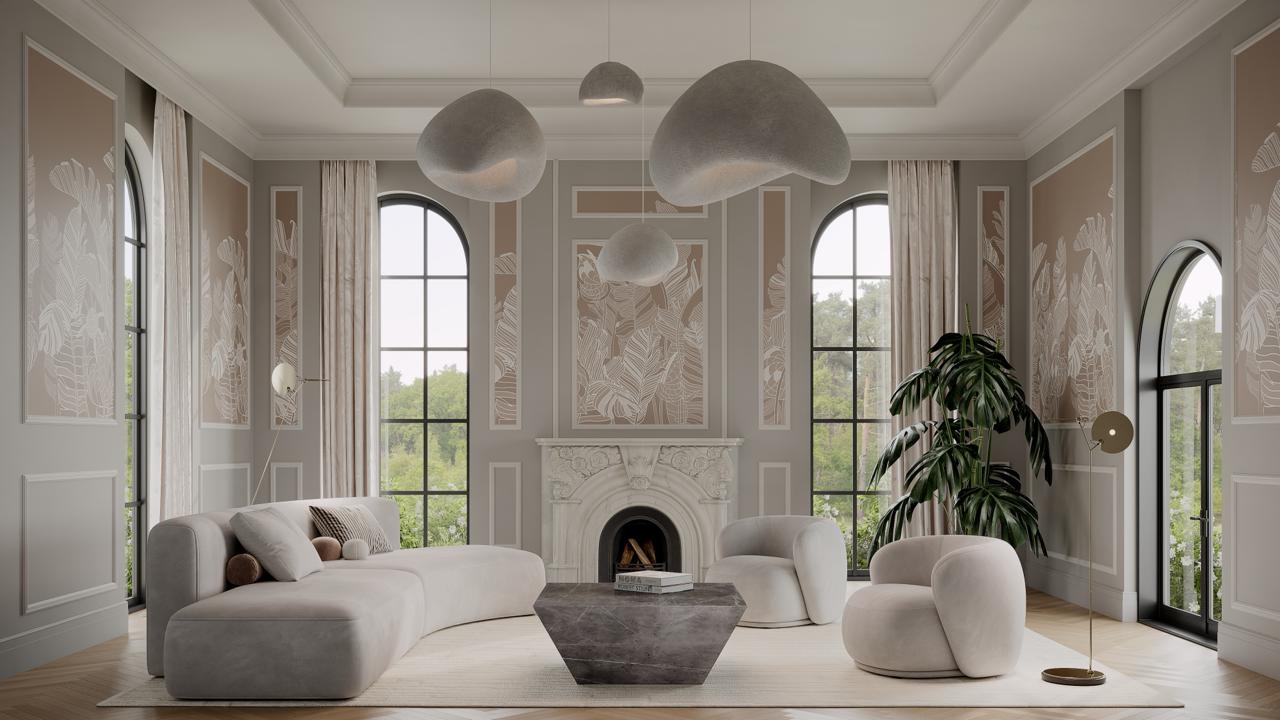
When you’re launching high-end products, especially in the luxury furniture market, there are a lot of complexities. One of the biggest challenges brands face is that they don’t have finished products available for immediate showcasing. Traditional markets sometimes allow for prototypes, but luxury brands have to get every detail right to meet their customers’ high expectations. Since they don’t have any physical products to show off, businesses have to get creative. They use things like product visualization before production to attract potential buyers.
Also, it’s hard to take photos of products when they’re still in the conceptual stage, which is a big problem. In the luxury market, where looks are everything, high-quality images are key to getting people interested. That’s where advanced product visualization techniques come in. With CGI, brands can create stunning visuals of their products in aspirational contexts that resonate with their target audience even before production starts.
Another important thing to think about is the risk of overproduction and having too much inventory when you’re launching new products. If brands can’t sell their products before they’re made, they might have too much inventory and face challenges. Studies show that it can take months, even years, to get an accurate demand gauge. That’s why it’s crucial for businesses to figure out if there’s a market for their product before they invest resources in production. By using effective product visualization strategies, companies can start selling before production, which lets them see if people are interested and make any changes to what they’re offering based on real-time feedback.
On top of that, the expectations of a premium audience make things even more challenging. High-end consumers want quality and a great presentation when they buy something. They want to see how these items will improve their lifestyle, which makes it even harder for brands that don’t have a strong visual strategy. By setting up products in cool, inspiring spaces using CGI, businesses can impress customers and create an interesting story around their products.
With no finished products, photography that’s impractical, inventory risks, and high consumer expectations, it’s clear that a new approach to product launches in the luxury market is needed. Product visualization before production lets brands show off unreleased collections with a high-quality, cinematic look. It also helps them avoid risks when launching new products, see how many people will be interested in buying them, and create excitement for the products even before they’re made.
Why CGI Became the Core Product Marketing Tool
CGI has really grown in the market. It’s gone from being an afterthought to a key part of effective marketing strategies. More and more, brands are using CGI as their go-to tool to show off their products, making it easier for them to connect with their target audiences even before the products are made. This is especially important in industries like luxury furniture, where customers expect high-quality, eye-catching visuals that show off not just the product’s design, but also how it fits into the customer’s lifestyle.
There’s a key difference between design CGI and lifestyle product CGI. Design CGI focuses on the technical aspects and look of a product, while lifestyle CGI shows how the product improves daily life. Stone Interiors did a great job of using this approach in a product CGI case study. They didn’t just show their furniture, they put each piece into a setting that people could relate to, showing how these designs could improve their daily lives. By turning renderings into narratives, they made people more emotionally invested and increased the desire to buy, showing the real-world impact of strategic CGI for product marketing.
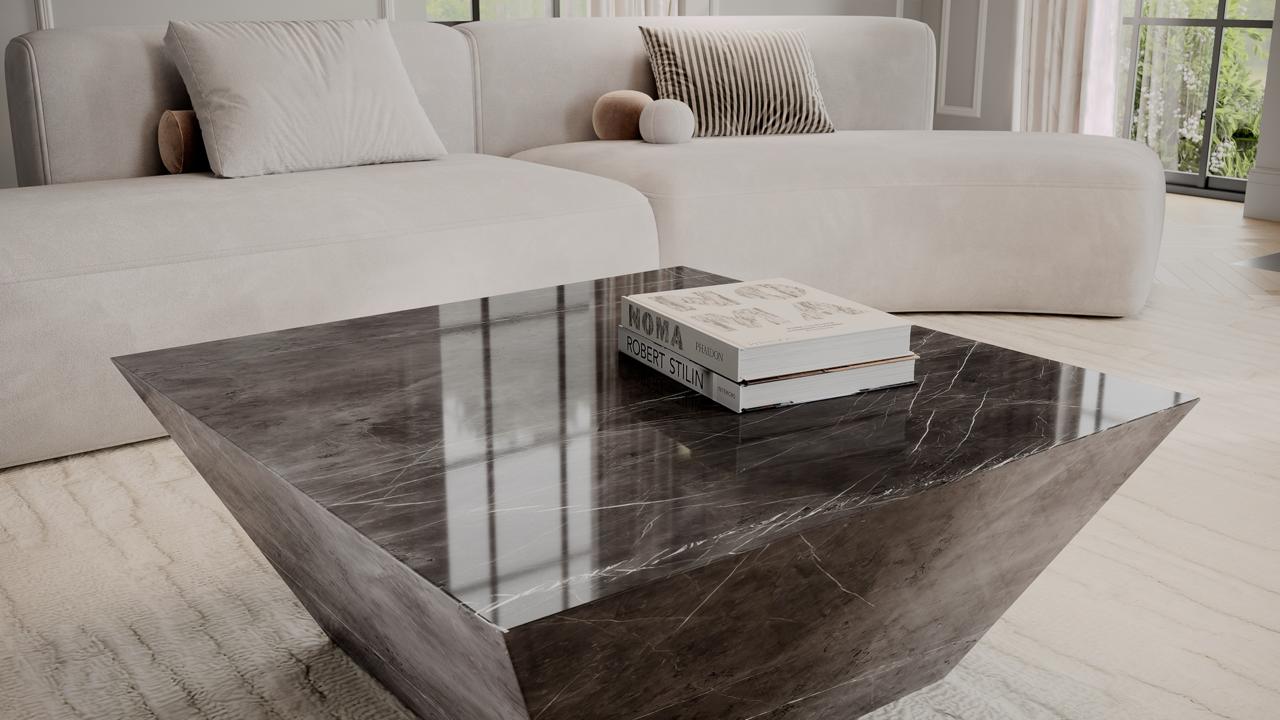
One big plus for premium furniture brands is that CGI can make photorealistic product renderings that really stand out and get people’s attention. When furniture is presented in beautiful, inspiring spaces, it goes beyond being just functional. It becomes a part of a lifestyle that people want to have. This visual strategy makes the products seem more valuable and appealing to potential buyers. In a market where looks and experience are so important, showing how the product fits into the customer’s lifestyle makes it more than just a list of features. It becomes a part of what they want in their life.
CGI also helps you market your business more easily. Traditional photography can eat up a lot of resources and take forever, with long setups, lots of revisions, and a bunch of logistical challenges. On the other hand, CGI lets you make quick changes, which is great for brands because they can update their visuals based on what customers say or if the market changes. This flexibility is key in busy times, when consumer preferences can change quickly. Brands that can adapt like this can stay competitive and make sure their marketing is on time and on point.
Here’s the deal: CGI has become a game-changer in modern marketing, especially for luxury brands. By using lifestyle-focused CGI, as shown in successful implementations like the Stone Interiors product CGI case study, companies can effectively convey emotional connections and operational efficiency, paving the way for successful product launches that resonate on multiple levels. Whether it’s creating interesting stories or quickly adjusting to what customers want, CGI for product marketing isn’t just a backup. It’s a game-changer that totally changes how products are shown, how they’re seen, and how they’re chosen in a pretty visual world.
Lifestyle CGI: Selling the Product Through Context
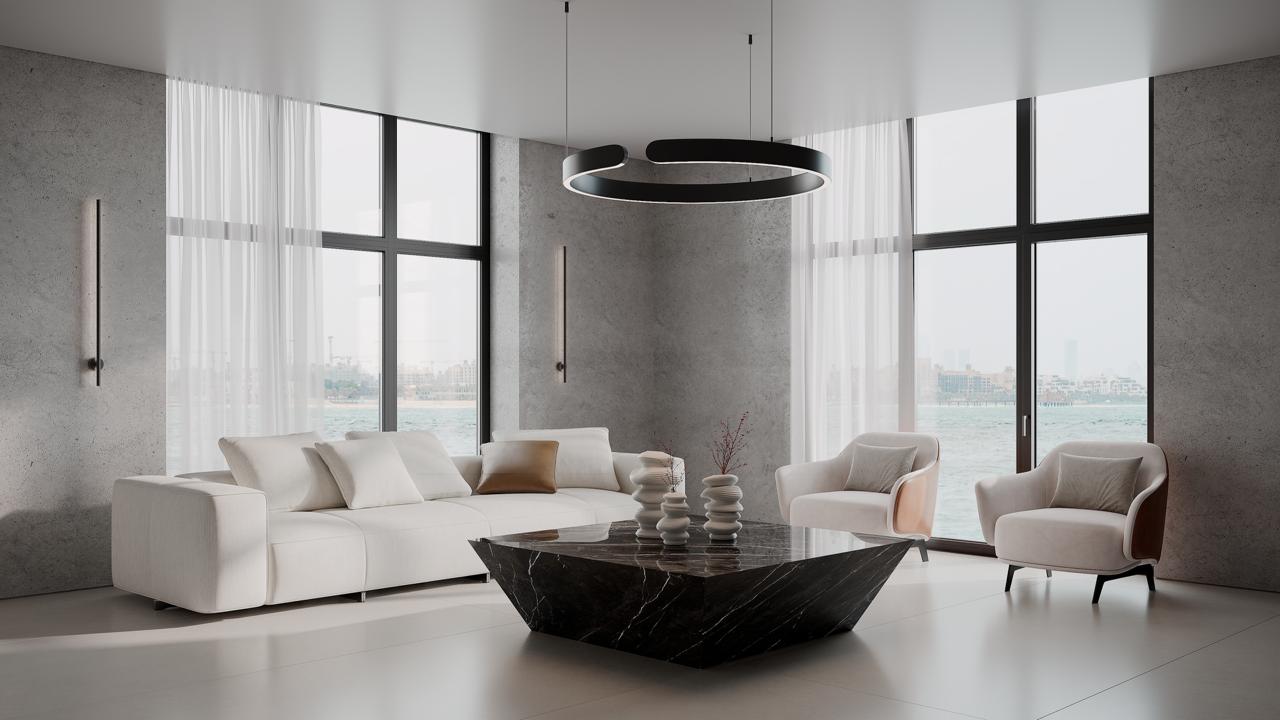
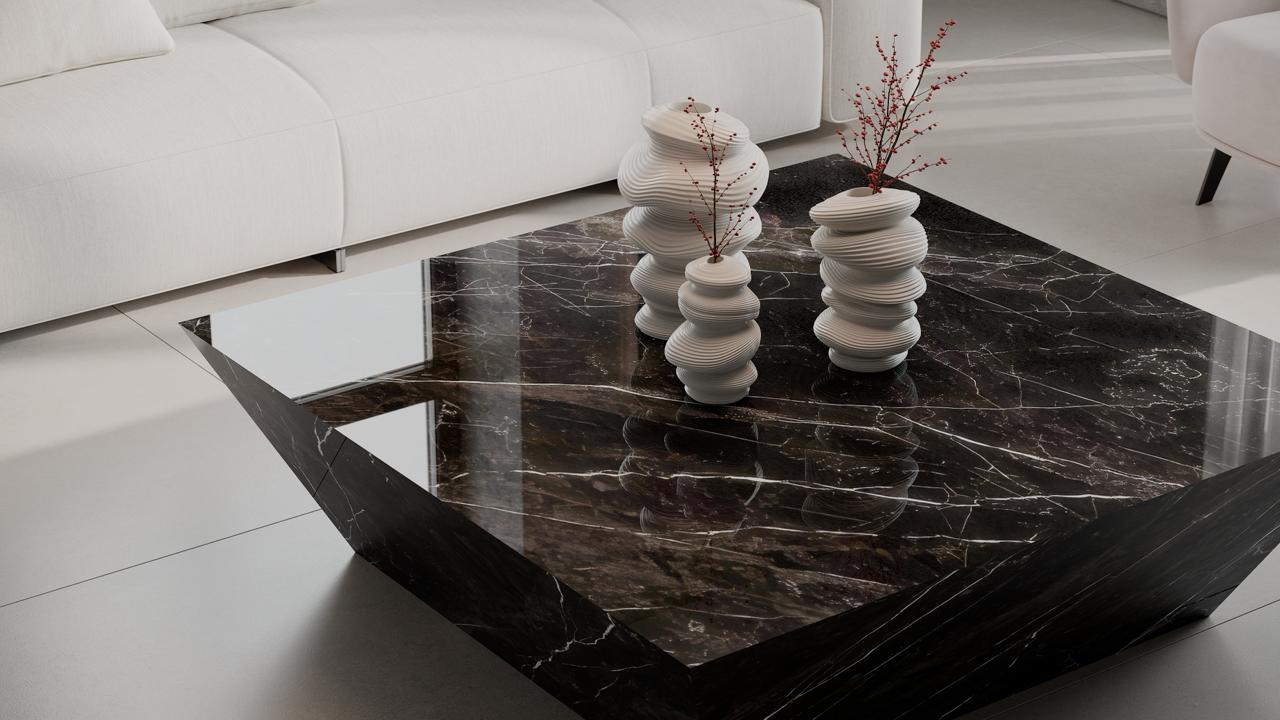
CGI is a total game-changer when it comes to marketing luxury furniture. It’s got this amazing ability to tell stories about the products, and that makes a huge difference. By setting up luxury items in spaces that highlight their design, brands can show off the products and how they can improve the lives of potential customers. For companies like Stone Interiors, the interiors crafted for their marketing efforts weren’t just backdrops. They were actually key parts of an aspirational lifestyle story that really connected with their target audience. This strategy makes products more than just objects — they become lifestyle assets that people really want.
Lifestyle storytelling is key to how consumers see brands. A good story can take a photorealistic product rendering and make it more than just functional. It can make it aspirational, and that can influence people’s decisions to buy. When a product feels personal and grounded in a familiar lifestyle context, it stops being perceived as an abstract design object and starts feeling like something worth owning. With lifestyle product CGI, brands create visual stories that help customers picture how the product can fit seamlessly into their lives, making it more appealing.
To convey this lifestyle story effectively, it’s key to keep the product in the spotlight. You can use techniques like strategic lighting, perspective, and composition to draw attention to the furniture while showing how it fits into the lifestyle context. This approach makes sure that potential buyers can appreciate both the product’s design and its intended use, enhancing the overall look.
Lifestyle product CGI is a strong sales trigger because it creates context. When consumers can picture themselves using a photorealistic product rendering in everyday situations, it makes them want to buy it more. This sense of connection encourages customers to take action, making them more likely to actually buy something.
But it’s also got to keep the product the main focus, even when it’s in a realistic interior environments. Effective lifestyle product CGI should blend the furniture into its surroundings, finding the right balance between visual appeal and photorealistic product rendering. By carefully putting together visual stories that highlight the product and the context around it, brands can grab the attention of potential buyers without overwhelming them.
Selling Before Production: How CGI Enabled Pre-Sales
Since the market is always changing, using high-quality visuals through CGI has become a key strategy for brands that want to increase their marketing and sales. CGI is a pretty versatile tool that can be used on all kinds of platforms, like social media, e-commerce websites, and digital brochures. This multi-pronged approach not only increases the brand’s reach, but also makes the audience more active. If you make content that’s all over the place and doesn’t make your company look good, you’re not going to be able to get potential buyers to pay attention to your brand.
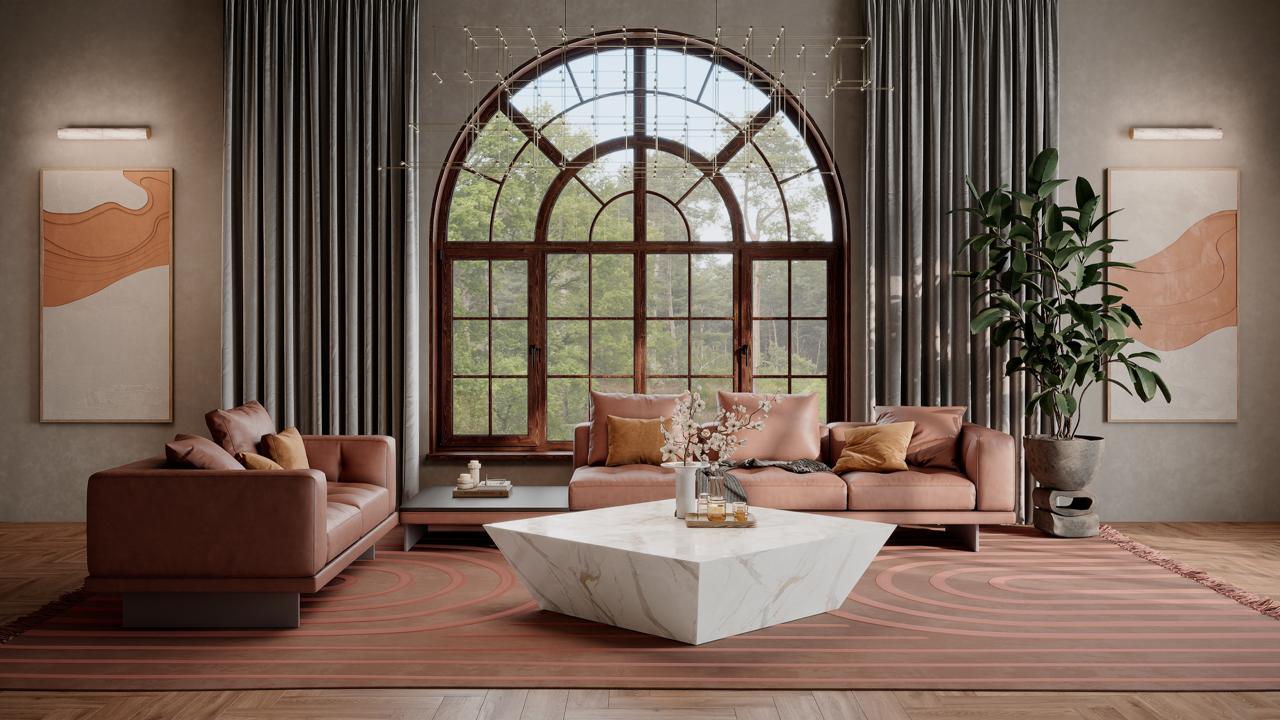
One of the best things about using CGI is that it can help with pre-sales before manufacturing even begins. By visualizing products before production, brands can present a clear, compelling vision to buyers long before physical samples exist. When consumers see engaging and visually rich content, it makes them trust the brand more and be ready to make a purchase. Stone Interiors showed that even if the products weren’t available, customers were still ready to buy when they could see the final product. This shows how powerful effective visuals are in getting people interested and encouraging them to make early purchases.
Also, using CGI lets brands validate demand before production, which reduces the risk of making too much inventory. If you get a feel for what customers are interested in with pre-sales initiatives that use visually engaging content, you can make smart decisions about how much to produce and what designs to use. This helps them respond better to what the market wants and match their products with what consumers actually want, which leads to more successful product launches.
It’s pretty obvious that using CGI in smart ways can give marketing a boost and directly lead to more sales by facilitating pre-sales before manufacturing. If brands can build trust and clarity through visuals that stand out, they can connect with their customers, show that there’s demand, and tweak their production strategies. With the market always changing, it’s more important than ever to have top-notch visuals in the product launch process. This makes it a must-have for modern brands.
Computer Generated Images vs Product Photography
When you’re marketing luxury furniture brands, it’s pretty clear that the usual product photos just don’t cut it. Traditional photography isn’t perfect. For one, it needs physical samples, which can lead to delays and complications in the production timeline. It also presents some logistical challenges that can get in the way of marketing efforts. This is where CGI really shines as a viable product photography alternative. With CGI, you can see what your products will look like without the hassle of having to use real samples. This means faster turnaround times and more flexibility in your marketing campaigns.
One of the best things about CGI is that it’s affordable. A case study of Stone Interiors showed that CGI production can be up to 4.3 times cheaper than traditional photography. This cost comparison looks at things like how long it takes to make something, the cost of the materials and shipping, and it shows how much money CGI can save you. For luxury brands looking to save on marketing, that money can be used for other important things, like developing new products or getting customers involved.
On top of saving money, CGI is super fast and can handle a lot of traffic when it comes to visual assets. Making quick changes to a design or presentation becomes second nature. If you need to tweak something, you can make those changes in a flash without having to go through a whole photoshoot. This is especially important for brands in hot markets where trends are always changing. With CGI, companies can keep up with the latest trends and customer feedback by adapting their visuals.
And since CGI can be easily scaled up or down, it’s a great fit for brands looking to roll out multiple product launches. Furniture collections often have a wide range of styles and configurations, and CGI lets you quickly create customized visual content for each variation. This adaptability makes sure that marketing materials stay relevant and engaging, and it gets rid of the bottleneck that often comes with traditional photography methods.
Meeting the Sales Plan Before Production
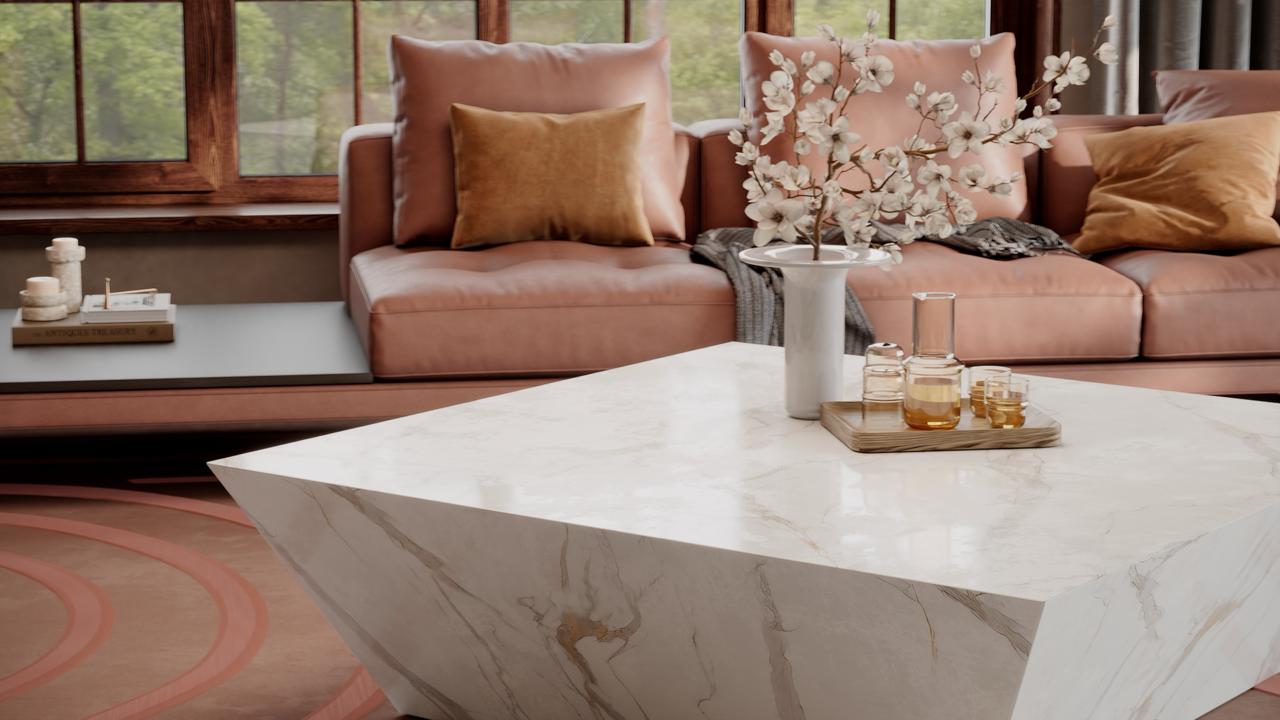
Securing pre-sales can help brands reduce production risk. When companies can show there’s a good demand for their products before they start making them, it can help reduce the risks of having too much inventory and losing money on things they can’t sell. This proactive approach to selling before production lets businesses make informed decisions about how much to produce, which ultimately aligns manufacturing with actual market demand rather than speculative estimates.
Also, the strategy behind using CGI goes way beyond just looking at sales numbers. Creating a strong visual identity early on in the marketing process can really help boost the brand’s presence in the market. A strong visual story can grab people’s attention and make them loyal to your brand. When customers can always connect with a brand’s identity, which is shown in strong and interesting visuals, they’re more likely to stay loyal and excited about new products.
What we’re saying is that using CGI in sales strategies can help luxury brands reduce production risk and make their marketing more effective. By checking demand first, companies can protect themselves financially and set themselves up for future growth. Since luxury marketing is always changing, using CGIs can help you make your brand stand out and keep customers hooked.
What This Case Shows for Product and Furniture Brands
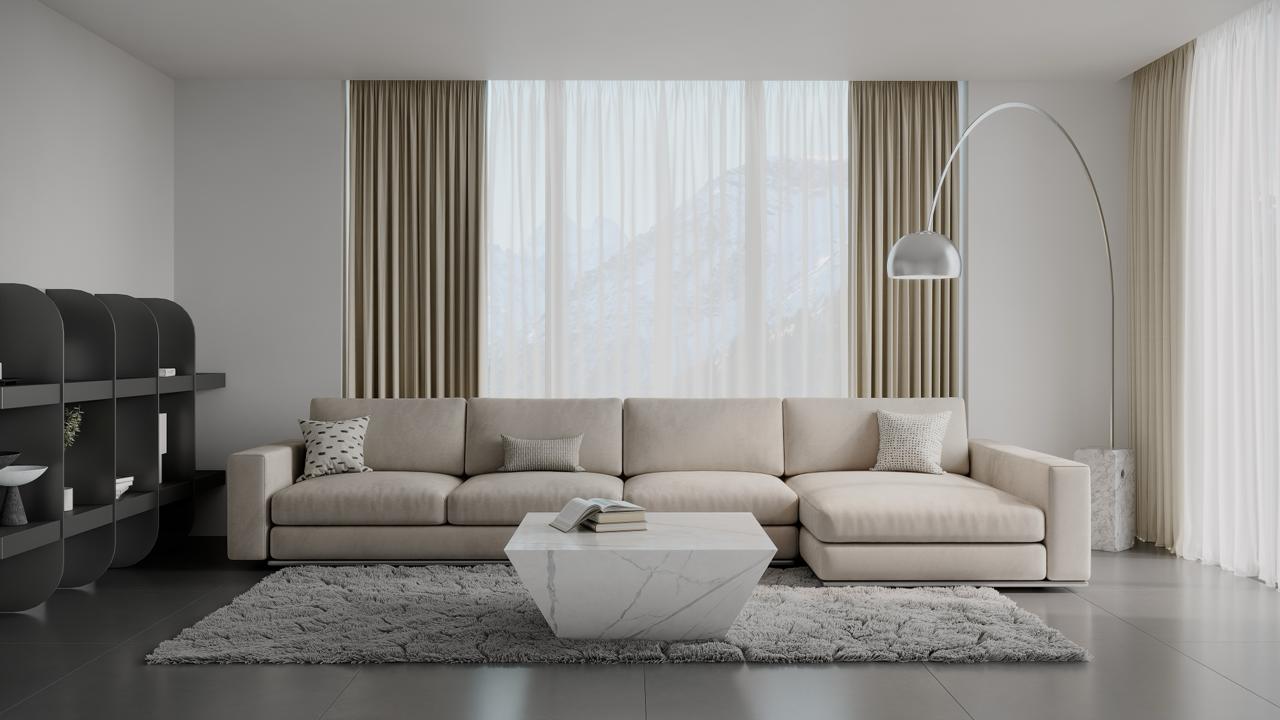
CGI product launch visuals have become a key strategy for brands looking to roll out new products, especially in the luxury market. Using CGI for product launches lets companies create stunning visuals that really grab customers’ attention. When you combine these visuals with an engaging narrative and lifestyle context, you give potential customers a clear picture of how a product fits into their lives, making it more relatable and appealing.
High-end brands, especially those that focus on design and lifestyle, can really benefit from using CGI product launch visuals in their marketing strategies. Luxury furniture companies like Stone Interiors have shown how powerful CGI can be in changing how consumers see your brand and boosting sales. These brands show off their products in places that make their target audience dream about what they could have. This personalized approach gets customers interested and makes them more loyal to the brand because they connect with the lifestyle shown.
As brands get ready for future product launches, there are a few things to keep in mind when it comes to successful CGI implementations. First, it’s crucial to prioritize high-quality visual content in marketing strategies. Visuals are often the first way consumers interact with brands. Next, you should use CGI for product launches, not just to show off products, but as a main way to tell stories. When you use visual stories to show off your products, you can turn features into experiences, making the products more emotionally appealing. It’s also important to check if there’s a market for your product before you start production. CGI helps with pre-sales and lets companies see how interested customers are, making sure that production matches what customers want.
The main point is that luxury brands should use CGI product launch visuals the right way. It’s a great marketing tool! If you put together high-quality images with interesting stories and find a market for it, you can come up with a marketing approach that appeals to potential buyers and helps your company grow and innovate in the future.
Though this article focuses on furniture, the power of CGI goes way beyond that. Actually, a lot of our real estate clients use the same visual storytelling principles to sell off-plan properties, and they get amazing results. If you’re curious about how these strategies apply to property marketing, check out our detailed guide on CGI for real estate marketing.
SHARE THIS...
Get High-Quality CGI for Your Business Purposes
Book a call to get started
Our other articles

Elevate Your Business with Stunning CGI
Start working on your next project as soon as tomorrow. Book a call with our team and discuss the key details:
- Learn how we achieve photorealistic quality in our visualizations and animations. Explore our award-winning projects, featured multiple times on Behance.
- Get to know our company structure and decide which services you need
- Tell us about your project and let us complete a free test task to demonstrate our approach
- Find out the exact cost of bringing your project to life