10 Best Architecture Blogs to Follow in 2026

Discover High-Quality CGI Services Tailored to Your Business
- What Do Architecture Blogs Cover in 2026?
- Project Documentation and Visual Analysis
- Visualization and Rendering Insights
- AI, BIM and Digital Tools
- Marketing and Client Communication
- Why Architects, Developers, and Marketing Teams Should Follow Architecture Blogs
- 10 Best Architecture Blogs to Read in 2026
- 1. ArchDaily
- 2. Dezeen
- 3. Maverick Frame Studio
- 4. Archinect
- 5. Designboom
- 6. Archisoup
- 7. The Architect’s Newspaper
- 8. Architectural Digest
- 9. BLDGBLOG
- 10. The Orangery Blog
- How We Compiled This Ranking
- Architecture Blogging Trends in 2026
- AI-Assisted Content Creation
- VR and AR Integration
- Micro-Niche Specialization
- Community-Driven Platforms
- Newsletter-First Publishing
- Cross-Industry Convergence
- Key Takeaways
- Frequently Asked Questions
- What are the best architecture blogs?
- Which architecture blogs are most popular?
- Are architecture blogs useful for students?
- What is the difference between architecture blogs and architecture magazines?
- Which blogs focus on architectural visualization?
- How do architecture blogs influence design trends?
- How often should professionals follow architecture blogs?
Architecture blogs are not just places to look at nice buildings anymore. In 2026 they work as reference tools for the architecture profession. People use them to follow global architectural trends, review real projects, and stay aware of what is changing inside the built environment.
Work moves faster now. Clients expect clearer ideas earlier in the process. AI in architecture is already part of concept studies and presentation workflows. Architectural visualization is not something added at the end. It shapes how projects are tested, explained, and approved.
Approval has also become a larger part of the job. Now, many teams must explain their design decisions to clients, consultants, and local reviewers at an earlier stage in the process. This is where good architecture blogs can be helpful. They show what information is expected, which formats are effective, and how others solve similar problems. Developers use them to verify project narratives. Marketing teams also rely on these blogs to see what gets attention and what gets ignored. In a fast-paced environment, there’s no time to learn everything from scratch.
The best architecture blogs reflect that shift. They publish process, technical insight, and honest breakdowns of decisions. Many architecture blogs focus on tools, coordination, or communication rather than style alone. They show how projects respond to regulation, climate, budget, and time.
This list brings together the best architecture blogs that are useful in real practice. The goal is simple. Highlight platforms that help professionals think clearly and work better. Don’t just scroll through images.
What Do Architecture Blogs Cover in 2026?
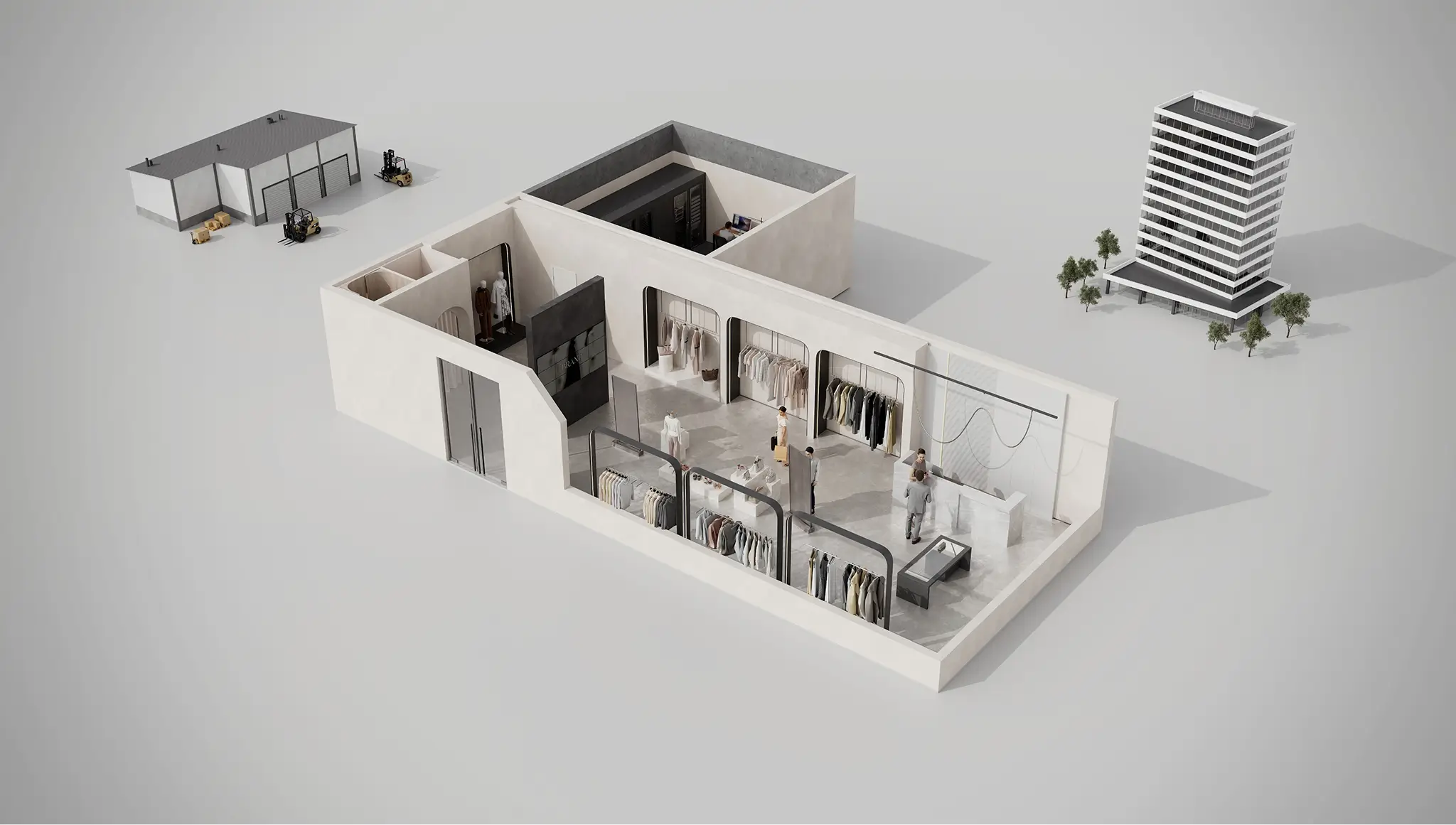
In 2026, architecture blogs are structured knowledge hubs. They cover architectural projects in depth, track global architectural trends, and connect design thinking with real constraints. The most effective platforms integrate documentation, technology, and communication. Rather than focusing on inspiration, they concentrate on practical application across the built environment.
Project Documentation and Visual AnalysisProject Documentation and Visual Analysis
High quality architecture blogs publish detailed architectural projects with technical context. These are not image galleries. They include drawings, diagrams, and structured case studies that explain decisions behind massing, circulation, and material choice.
Many posts examine construction methods and building systems to show how ideas translate into buildable solutions. Sustainable architecture and urban design are often framed through real constraints such as climate, density, or regulation. Some platforms also highlight innovative materials and adaptive responses to extreme environments.
Climate responsive design is a recurring topic. For example, discussions around desert architecture principles explain how orientation, shading, and thermal mass shape design logic in arid regions. This type of analysis connects architectural visualization with environmental strategy rather than treating imagery as decoration.
Overall, this category helps readers understand how architectural projects function beyond aesthetics.

Visualization and Rendering Insights
Architectural rendering is now treated as part of the design process. Blogs explore how architectural visualization supports communication between teams, clients, and planning authorities. The focus is often on how images are constructed and why certain visual decisions matter.
Detailed articles cover lighting, camera placement, material realism, and post production techniques. Many platforms explain 3D visualisation pipelines and how visualization tools integrate with modeling environments. Landscape rendering and immersive walkthroughs are also common topics, especially for large scale masterplans.
Not every architectural rendering is intended to look finished. Concept images can be more abstract. They allow teams to explore options quickly and identify problems early on. Photorealistic outputs are different. They are used when details matter and decisions are nearly final. This distinction affects time, budget, and expectations.
Animation adds another layer. A still image shows only one view. Motion explains sequence and scale. It can also reduce the back-and-forth in reviews because people no longer have to guess how spaces connect.
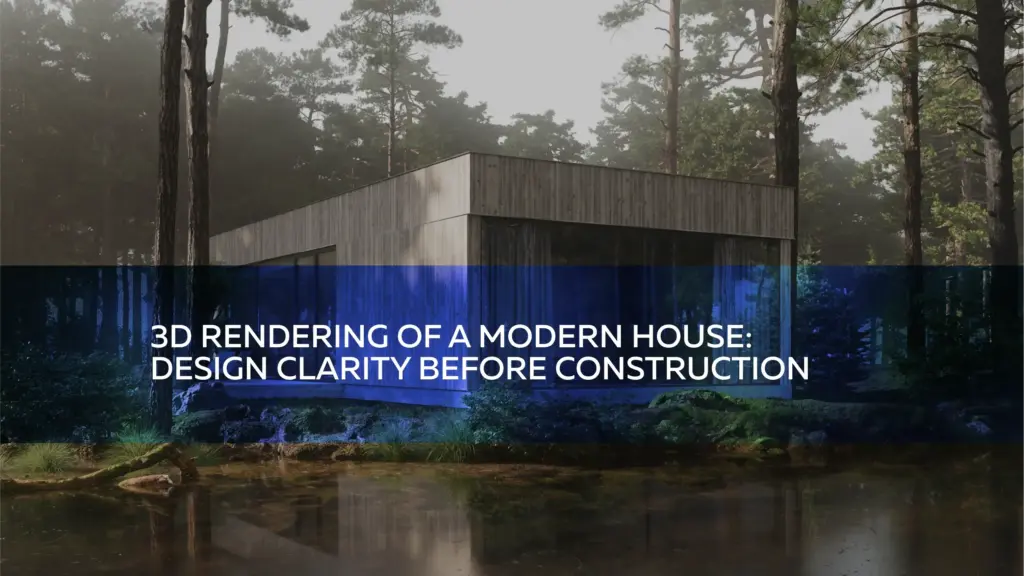
A practical example is this guide on 3D rendering of a modern house, which shows how exterior scenes are built for clarity and realism across angles.
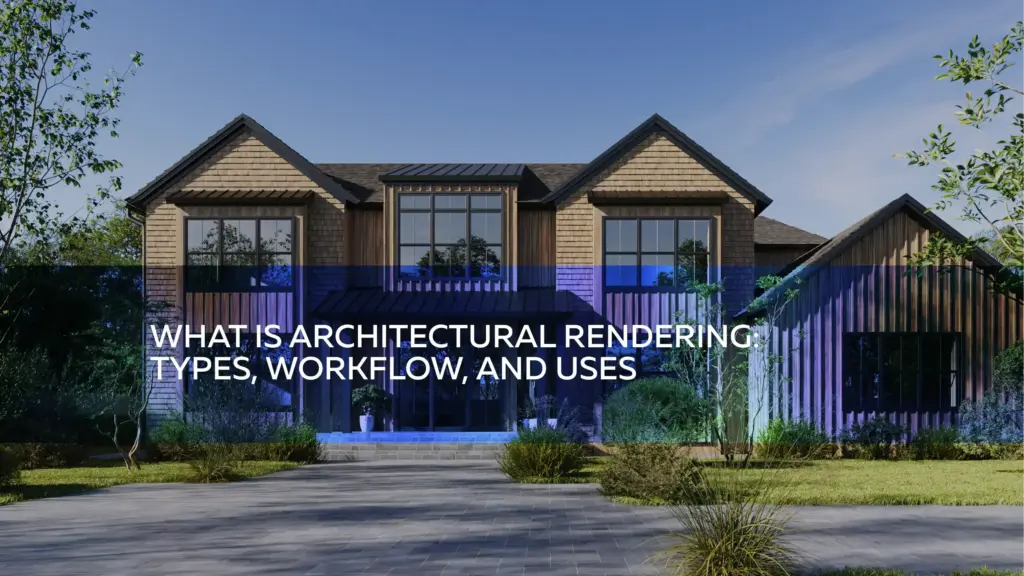
If you need a structured explanation of process and output, this guide on architectural rendering workflow offers a clear overview of stages, tools, and use cases.
Architectural visualization appears in this context as a strategic layer. It is used to test perception, refine atmosphere, and support stakeholder alignment.
AI, BIM and Digital ToolsAI, BIM and Digital Tools
AI in architecture is no longer just a speculative concept. Blogs regularly publish practical articles on generative AI for preliminary massing studies and layout exploration. AI is also discussed in architecture, particularly in relation to productivity and design iteration.
Another key theme is digital infrastructure. Posts examine BIM tools and CAD software, as well as how these tools support coordination and documentation. Workflow breakdowns that show how data moves from modeling to presentation often reference Revit, SketchUp, Rhino, and Vectorworks.
VR in architecture and AR in architecture are now part of mainstream discussion. These tools allow teams to conduct immersive walkthroughs before construction begins. Real time environments have become standard in many studios. For example, configuring Unreal Engine for architectural visualization demonstrates how interactive engines support faster testing and clearer communication.
This category emphasizes integration. Design, data, and presentation all operate within one continuous system.
Marketing and Client CommunicationMarketing and Client Communication
Architecture blogs also discuss how projects are positioned and communicated. Real estate CGI plays a central role in the initial sales phase and aligning investors. Articles often analyze approval strategies and the structure of investment presentations for complex developments.
Architectural visualization in this context is not only technical. It becomes part of narrative framing. Strong project showcases show how design innovation is communicated clearly to non technical audiences.
There is a difference between visuals created for approval and those created for sales. Approval images require clarity. They focus on massing, context, access, and impact. Marketing images, on the other hand, can be more emotional, but they still need to be accurate. When teams combine these two objectives, projects slow down.
Real estate CGI is often used when photography is not an option due to scheduling constraints or when the project has not yet been built. In these cases, architectural visualization serves as both a planning and sales tool. It also changes how investment presentations are built. A clean sequence of images can convey the entire story without the need for lengthy text.
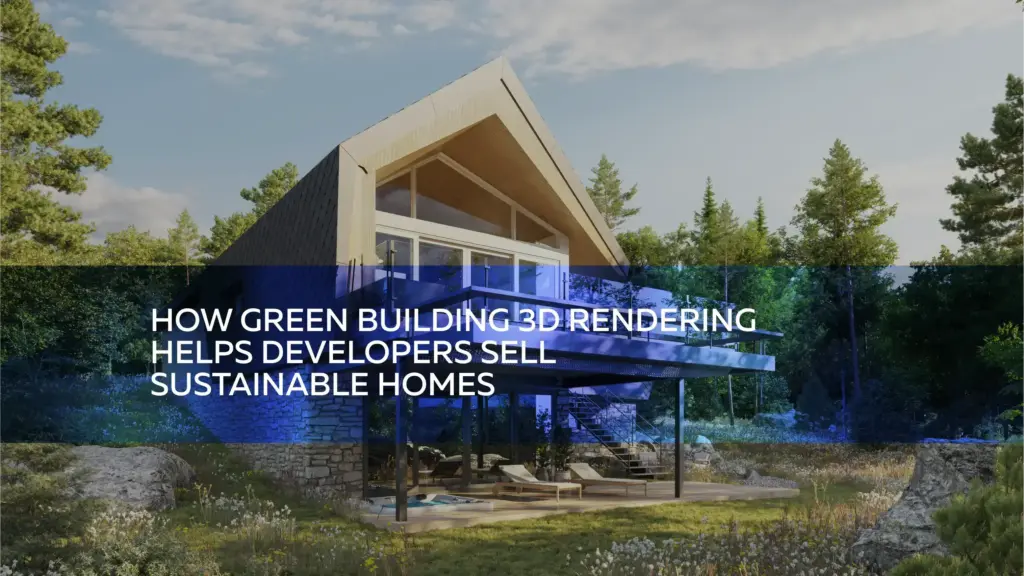
If you want a grounded example, this luxury villa 3D rendering success story shows how a project can be presented before construction without guessing. And sustainability messaging is now visual too. This article on green building 3D rendering for developers explains how environmental intent is communicated through images, not claims.
Luxury sectors provide strong examples. Yacht visualization and rendering for marketing illustrates how CGI supports investor confidence and sales storytelling in high end projects.
This category reflects a broader shift. Architecture blogs now connect design, visualization, and business outcomes within the same discussion.
Why Architects, Developers, and Marketing Teams Should Follow Architecture BlogsWhy Architects, Developers, and Marketing Teams Should Follow Architecture Blogs
Architecture blogs help professionals stay informed without relying only on formal reports. They provide regular industry updates, expose shifts in the architecture community, and support professional development through real examples. For architects, developers, and marketing teams, architecture blogs offer practical insight into how projects are designed, presented, and positioned in today’s market.
10 Best Architecture Blogs to Read in 202610 Best Architecture Blogs to Read in 2026
Below is a curated list of the most relevant architecture blogs for real-world practice. These are not just image feeds. They are websites and platforms that publish research, documentation, and analysis. If you are looking for the best architecture blogs to read this year, these ten stand out for their clarity and consistency.
1. ArchDaily1. ArchDaily
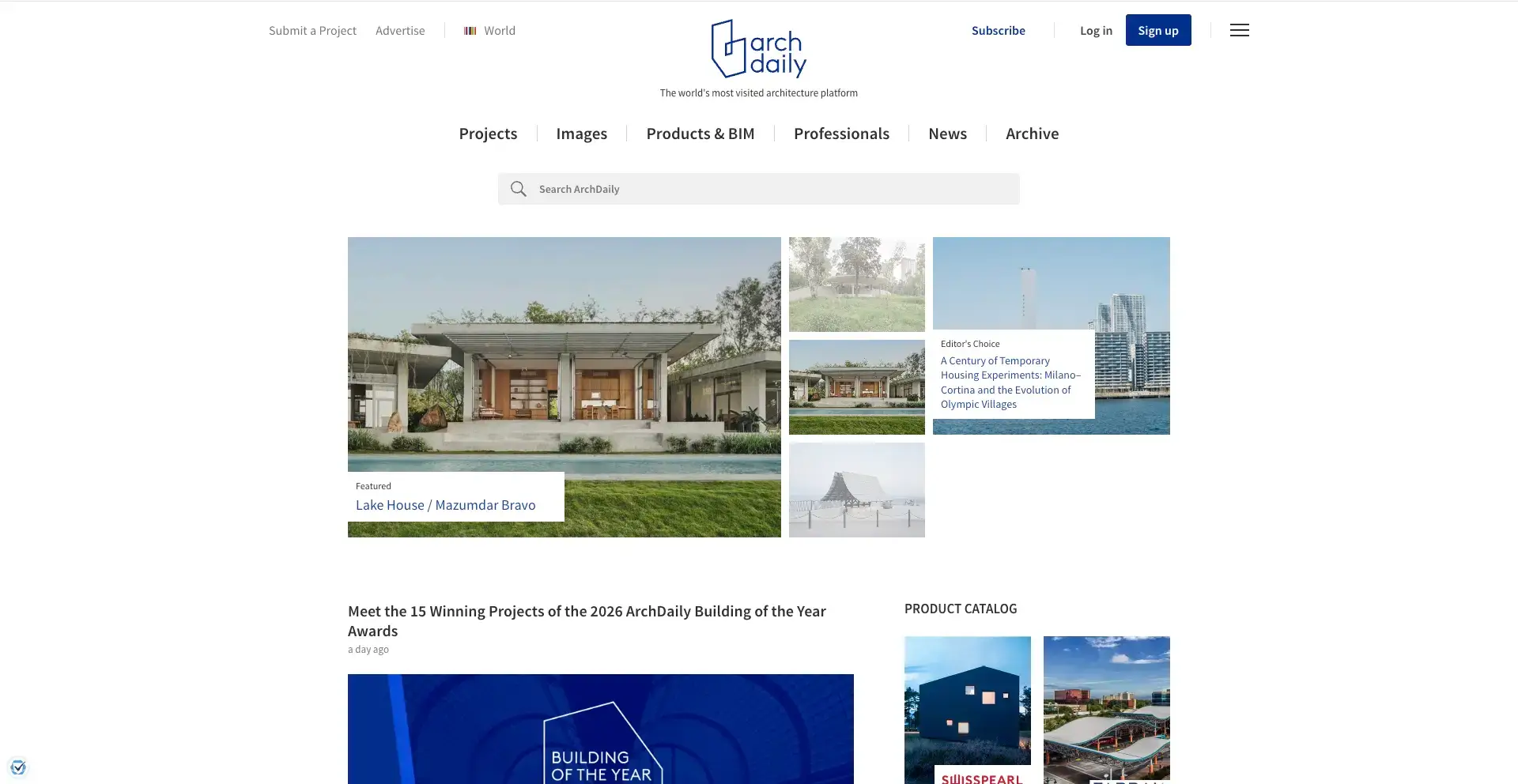
ArchDaily remains one of the best architecture blogs for daily reference. It publishes detailed architectural projects with drawings, photos, and technical notes. The platform covers architecture news from around the world and reports on architectural competitions and major building awards such as Building of the Year.
Core Focus
Large scale documentation of built work, urban planning debates, and construction methods across regions.
Best For
Practicing architects, researchers, and students who need reliable project data and a steady stream of architecture news.
ArchDaily continues to rank among the top architecture blogs because of its depth and global reach.
It also works well as a quick index when you need to compare typologies. The archive makes it easy to reference layouts, facades, and program choices across regions. That is useful during early research and when you need precedent support for clients.
2. Dezeen
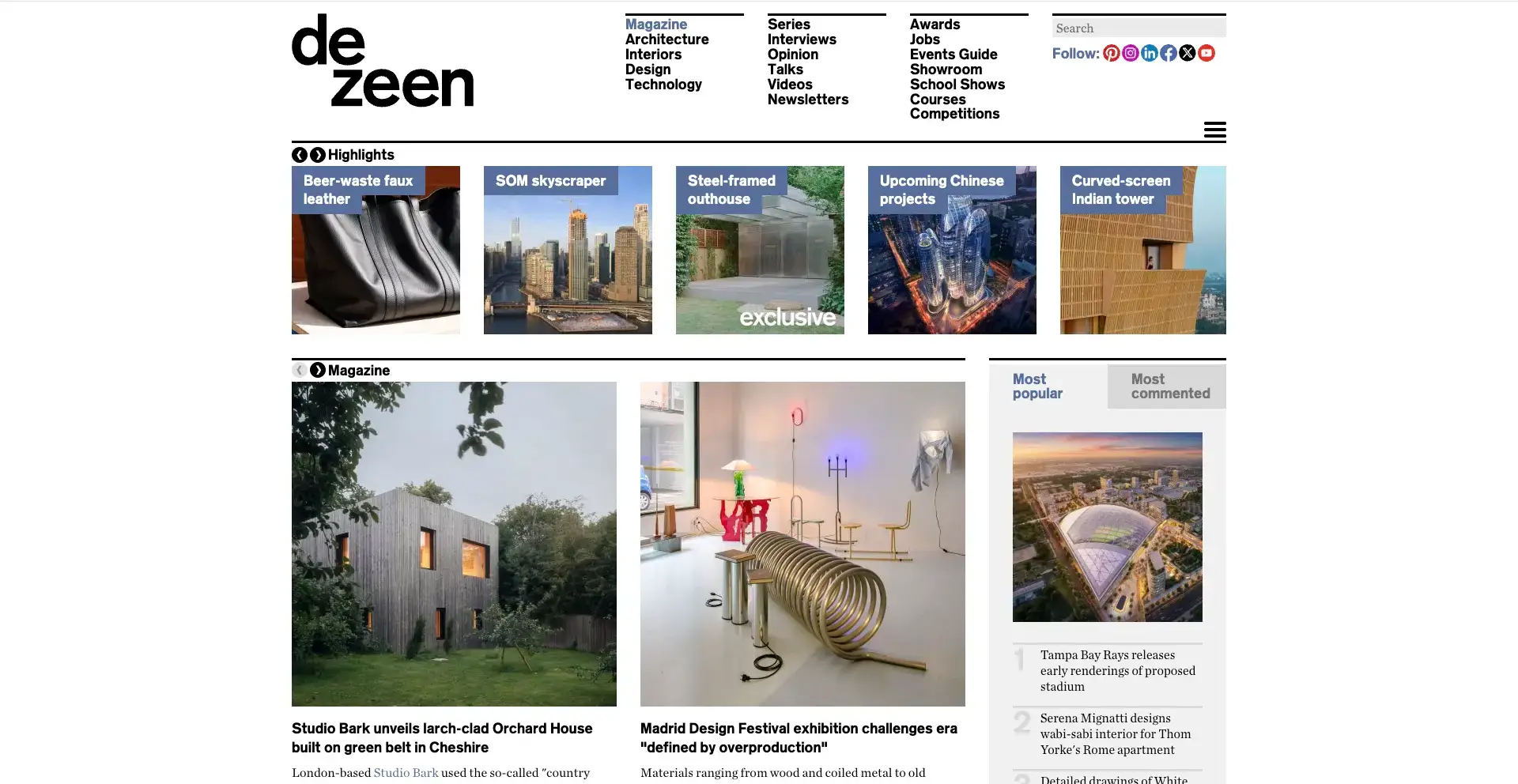
Dezeen is one of the most popular architecture blogs and a benchmark for contemporary design coverage. It tracks global architectural trends and connects architecture to broader design culture. Articles often explore innovative materials and sustainable architecture through interviews and editorial pieces.
Core Focus
Coverage of contemporary design, product launches, and global architectural trends.
Best For
Architects and designers who want to follow design culture beyond technical documentation.
Among leading architecture blogs, Dezeen stands out for its editorial tone and consistency.
The value is not just speed. It is the mix of architecture with product and tech coverage. That blend makes it easier to understand how materials, fabrication, and culture move together. It can help teams spot shifts before they hit client requests.
3. Maverick Frame Studio
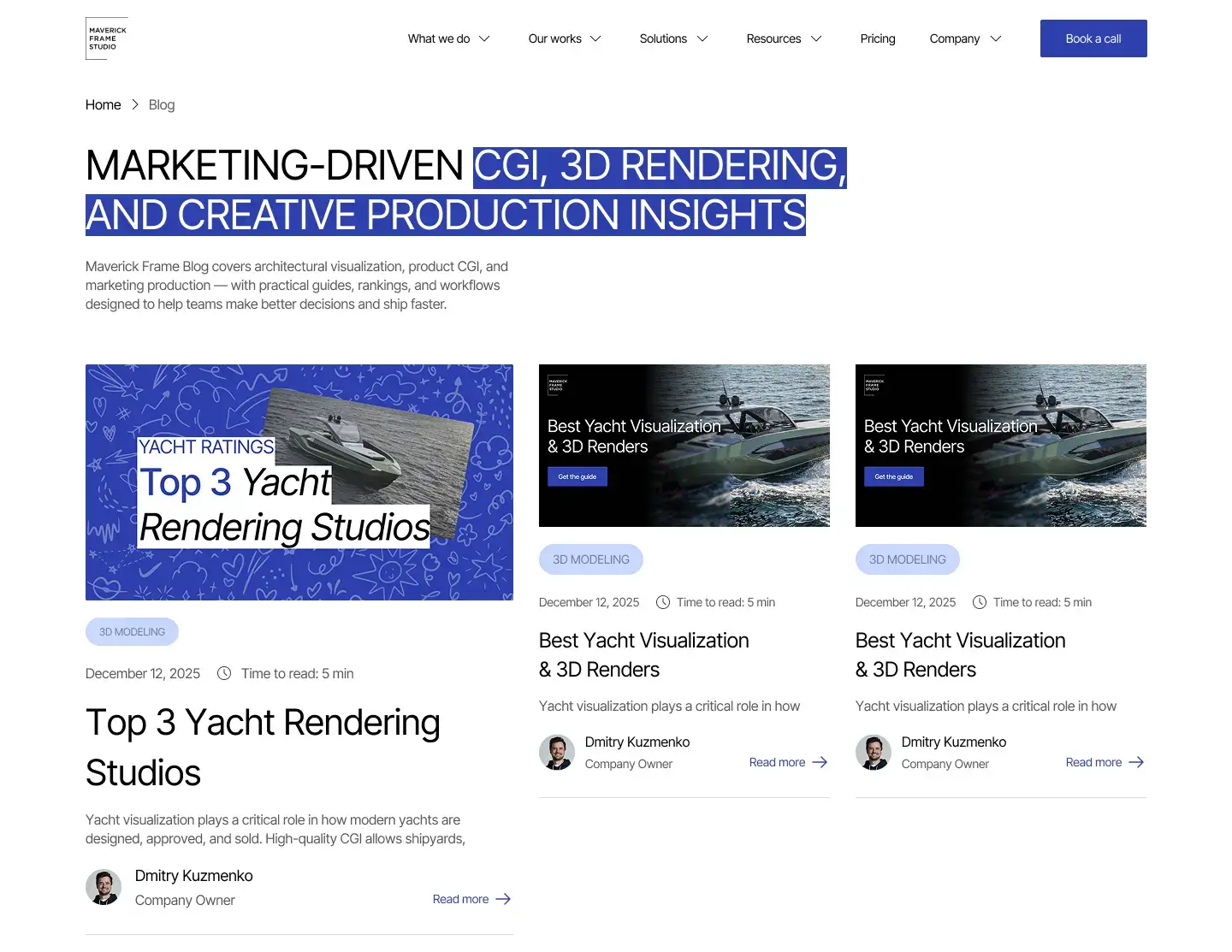
Maverick Frame Studio focuses on architectural visualization and how it supports real projects. The blog covers 3D visualisation, real estate CGI, and the practical use of visualization tools in client communication. It also explores immersive walkthroughs and marketing-driven storytelling within development projects.
Core Focus
Architectural visualization workflows, presentation strategy, and communication for built projects.
Best For
Studios, developers, and marketing teams working with CGI and digital presentation.
The site is currently being redesigned, and the blog is expanding in structure and depth. It is worth following as the platform evolves and adds more detailed insights into visualization practice.
If you want to go deeper, the blog links naturally into the studio’s service stack. You can start with 3D architectural rendering services, move into 3D interior visualizations, then use architectural animation when the project needs a stronger narrative. That structure makes the content easier to apply.
4. Archinect
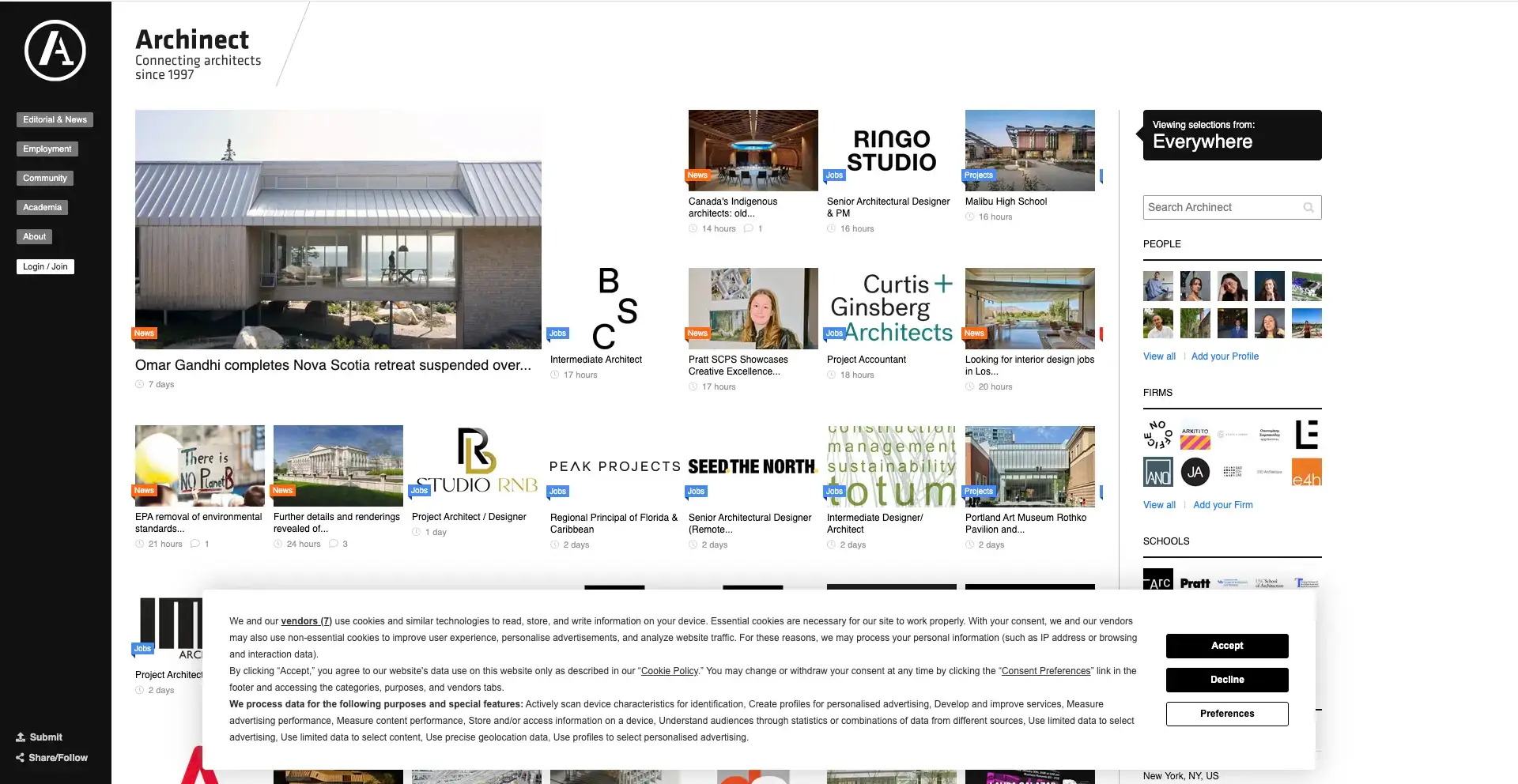
Archinect is one of the top architecture blogs for insight into the architecture profession. It publishes industry updates, salary discussions, and opinion pieces that reflect everyday practice. It also provides career advice for architects and resources useful for architecture students.
Core Focus
News, job listings, and discussions tied to professional development.
Best For
Emerging professionals and firms that want transparency about the realities of the industry.
Archinect remains one of the best architecture blogs for understanding how the profession operates beyond finished buildings.
5. Designboom
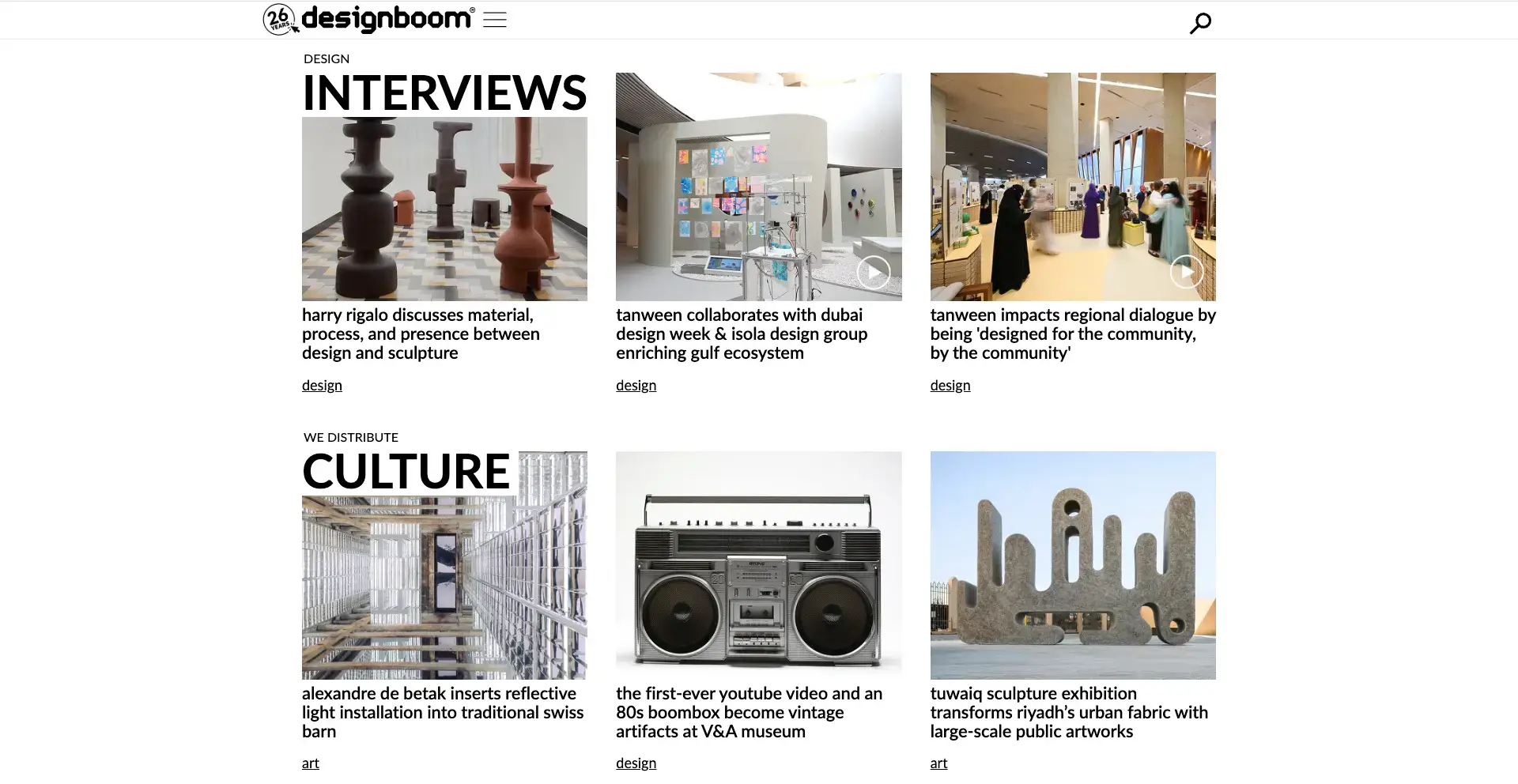
Designboom has been online since 1999 and is still one of the most active architecture websites. It highlights design innovation through project showcases that span architecture, art, and technology. As one of the cross-disciplinary platforms in this space, it connects architecture to product design and cultural movements.
Core Focus
Global project showcases across architecture, art, and technology.
Best For
Designers who want fast updates and exposure to experimental work.
It continues to rank among the best architecture blogs for volume and international coverage.
6. Archisoup
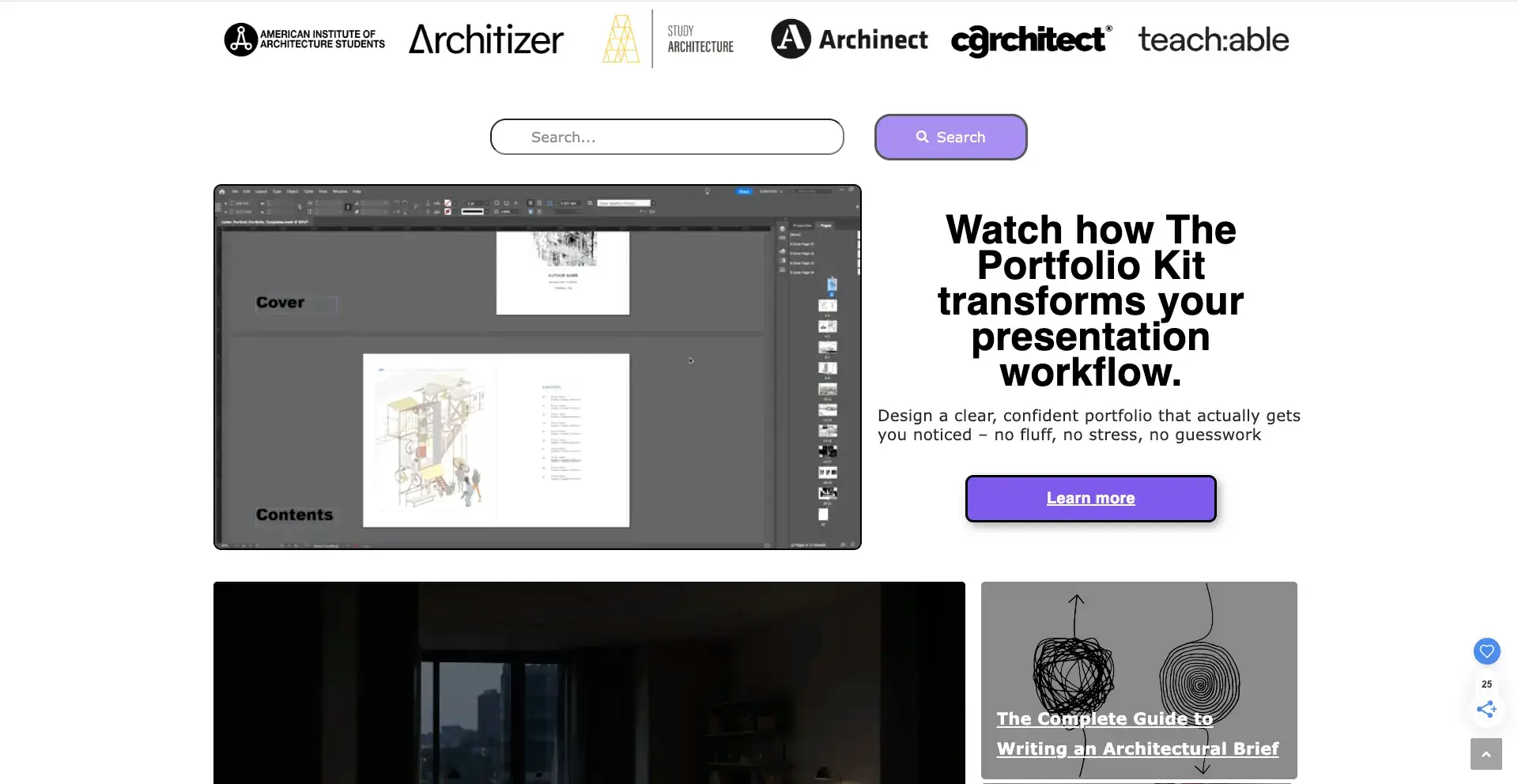
Archisoup focuses on architectural education and practical skills. It provides guides for portfolio building, interviews, and tutorials that explain CAD software and workflows in tools like SketchUp and Revit.
Core Focus
Student guidance, studio preparation, and software basics.
Best For
Graduates and junior architects who need structured support early in their careers.
For those searching for top architecture blogs focused on learning, Archisoup offers clear and direct advice.
7. The Architect’s Newspaper
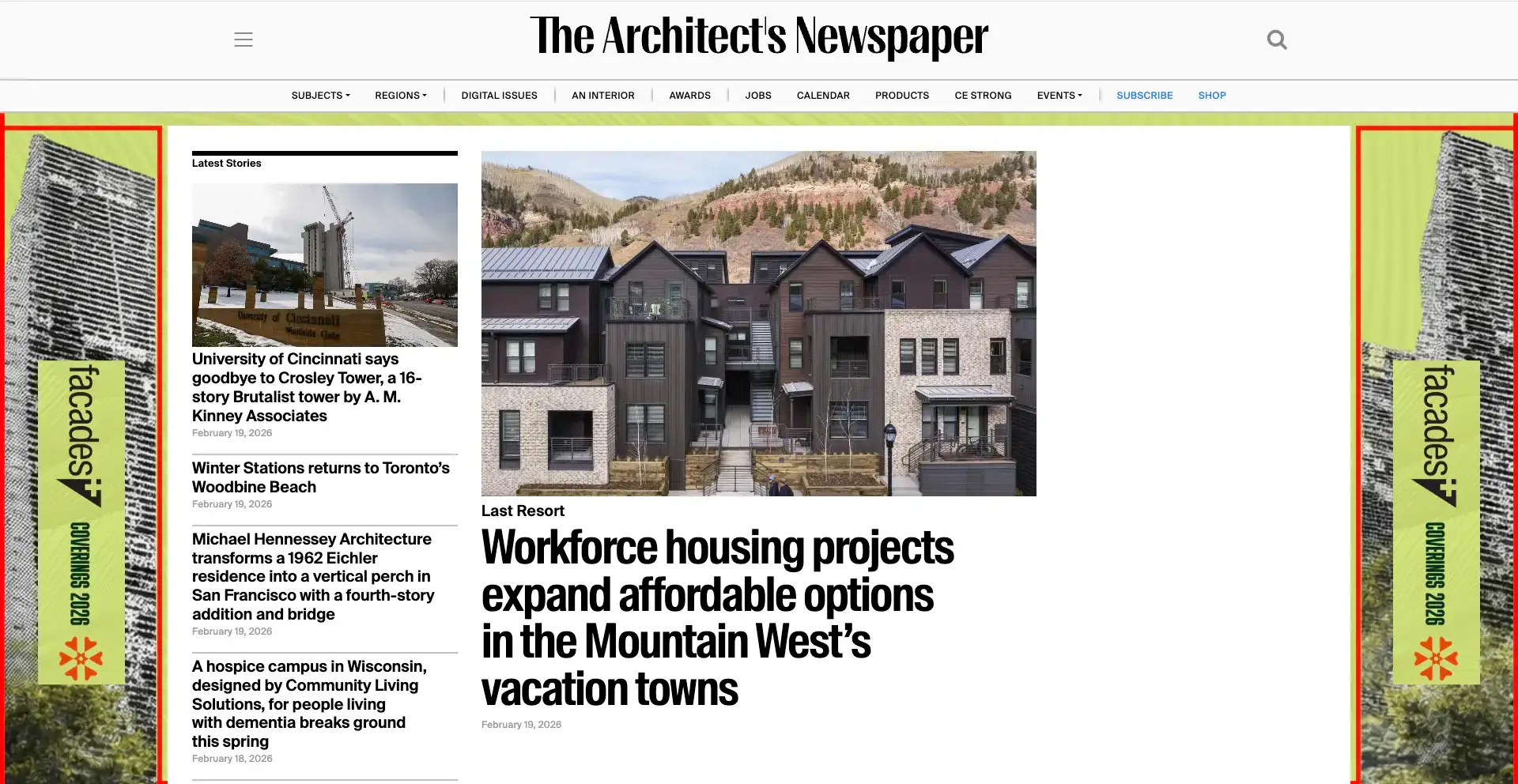
The Architect’s Newspaper concentrates on urban design, regulation, and policy across North America. It frequently covers sustainable architecture, green architecture, and adaptive reuse. Articles also explore how building systems respond to code and civic expectations.
Core Focus
Policy analysis, urban design debates, and large public projects.
Best For
Architects and planners involved in infrastructure and public work.
It remains one of the leading architecture blogs for civic and regulatory context.
8. Architectural Digest
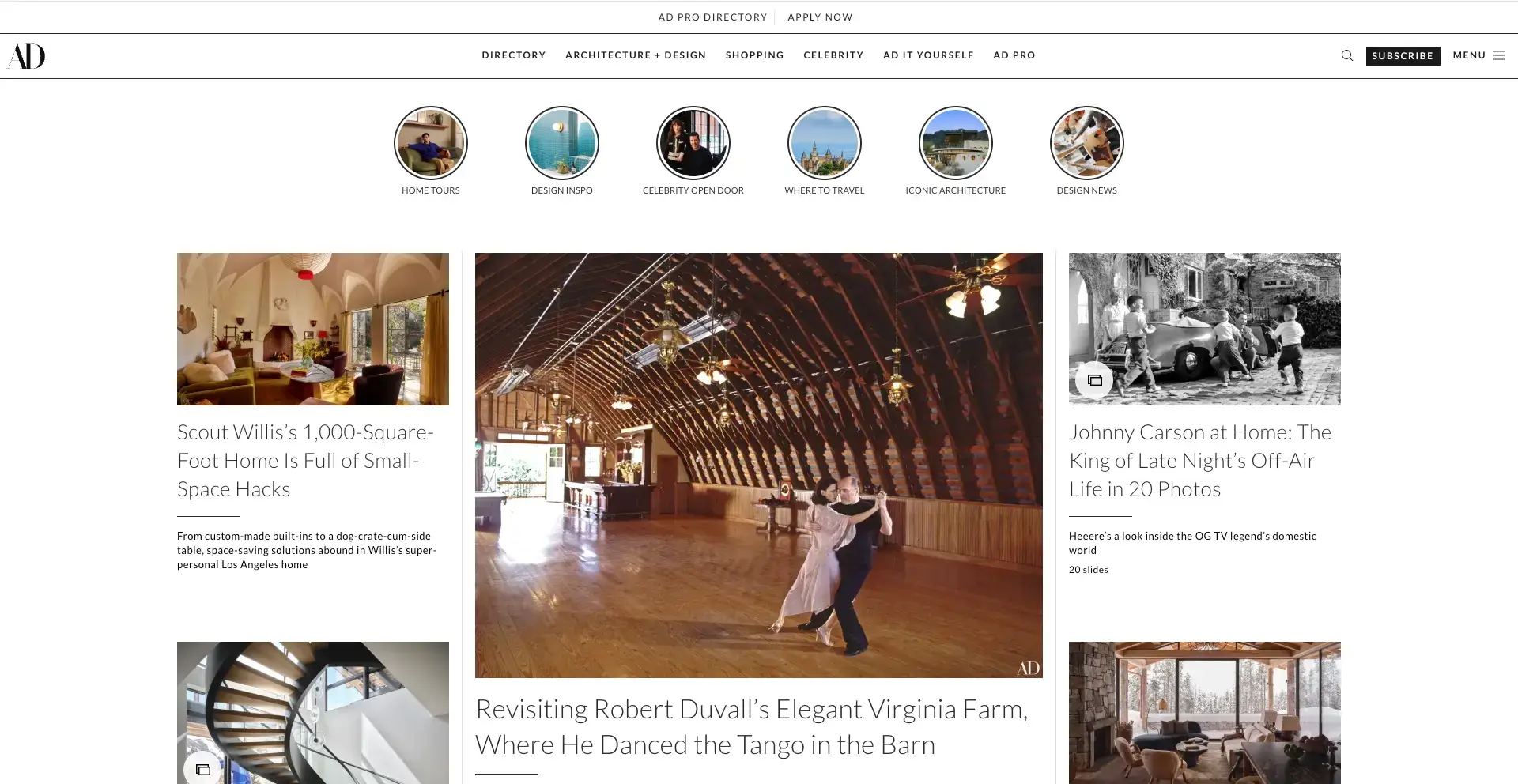
Architectural Digest approaches architecture through interior architecture and lifestyle narratives. While often visual, it still documents how projects shape the built environment. As one of the most established architecture platforms, it connects contemporary design with client expectations.
Core Focus
Residential architecture, interiors, and design culture in high end markets.
Best For
Studios working in luxury residential or hospitality sectors.
Architectural Digest remains one of the best architecture blogs for understanding how design is presented to broader audiences.
9. BLDGBLOG
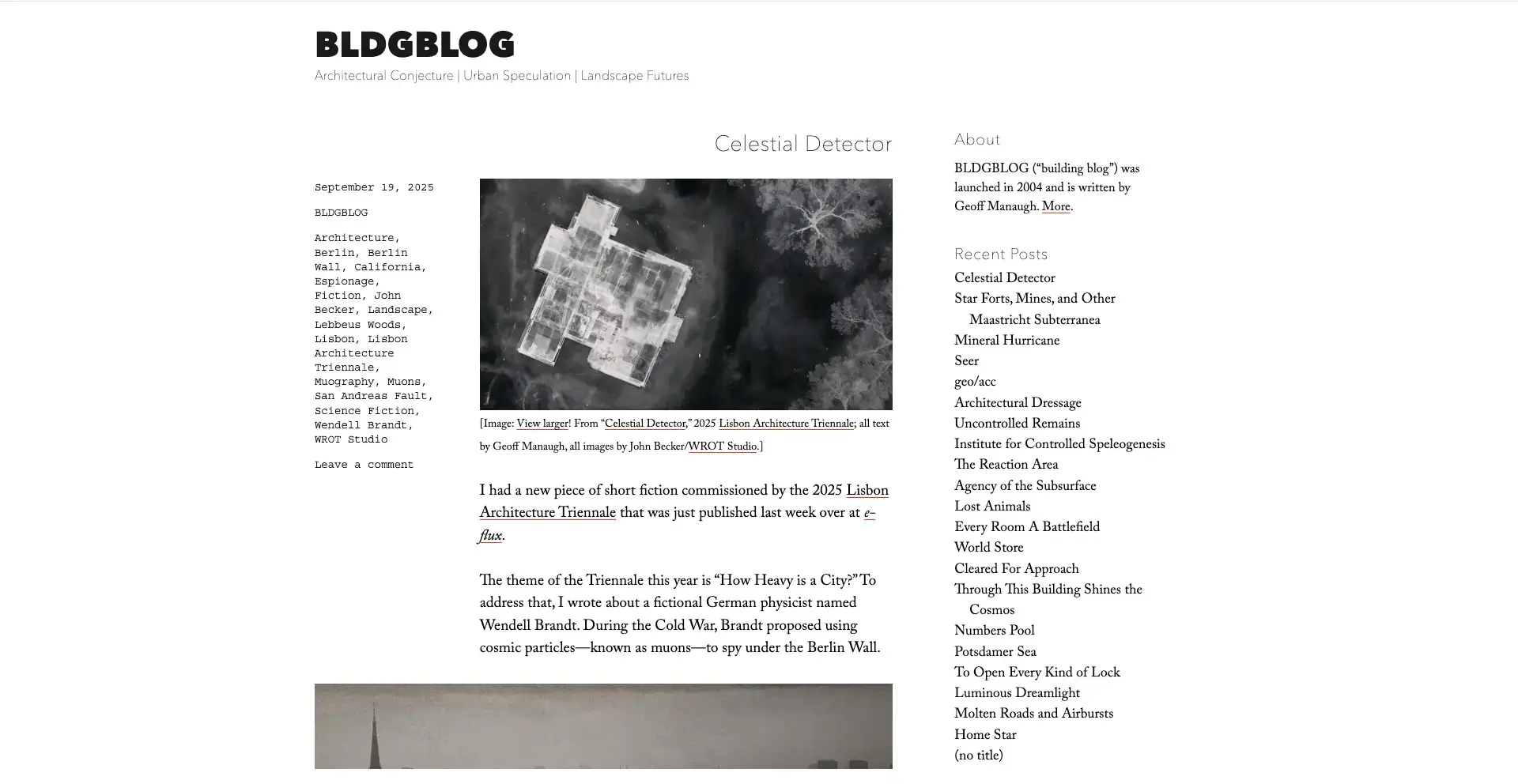
BLDGBLOG focuses on architectural theory and long form essays. It examines the built environment through themes such as infrastructure, underground systems, and speculative urban design.
Core Focus
Critical essays that connect architecture to culture and technology.
Best For
Architects and writers interested in theory and unconventional perspectives.
While less frequent in updates, it remains one of the best architecture blogs for deep analysis.
10. The Orangery Blog
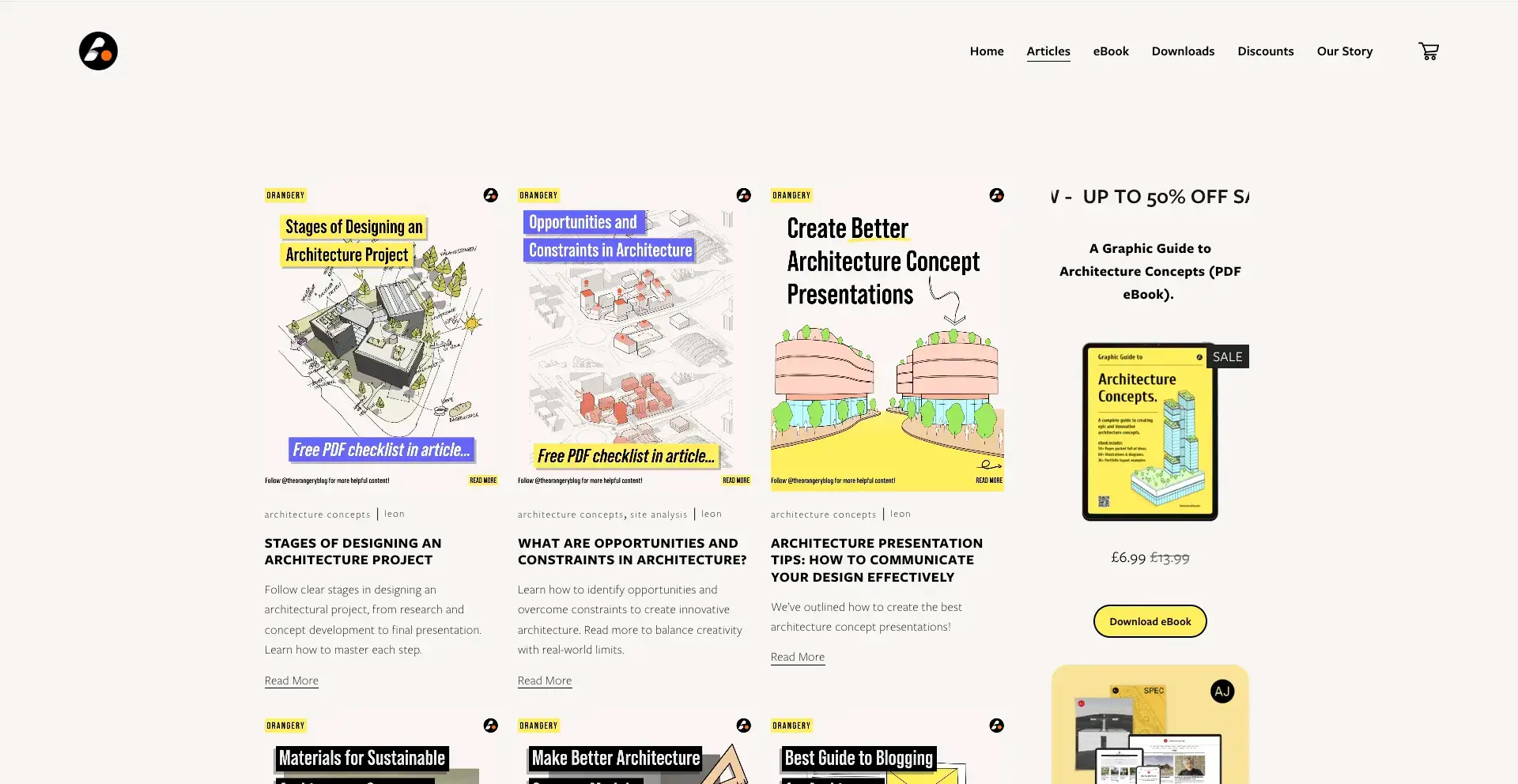
The Orangery Blog provides practical guidance for small studios and students. It includes case studies, explanations of landscape rendering, and discussions about visualization tools. The tone is grounded and oriented toward the architecture community.
Core Focus
Practical advice, early stage concept development, and communication basics.
Best For
Students and small practices building their presence.
It may be less known than some popular architecture blogs, but it offers targeted and useful insight.
How We Compiled This Ranking
We didn’t just rank these sites by traffic. We reviewed the top architecture blogs and asked ourselves one simple question: Do they help people work better?
First, we checked how frequently they publish useful industry updates. We looked for content that explains what is changing and why it matters—not just headlines for the sake of volume. Frequency matters, but clarity matters more.
Second, we examined the depth of their content. The strongest architecture websites document real projects, tools, and decisions. They demonstrate the process, not just the results. This makes them useful for reference during live work.
We also considered professional development. Some blogs support the growth of early careers. Others offer insight into management, technology, or communication. Platforms that help users improve their skills ranked higher.
Another factor was range. We included cross-disciplinary platforms that connect architecture to design, policy, technology, and business. This reflects how the field actually operates.
Finally, we assessed structure. Clear navigation and searchable archives are important. A blog should save time, not waste it.
Architecture Blogging Trends in 2026Architecture Blogging Trends in 2026
Architecture blogs continue to evolve. While the format remains familiar, the focus has shifted. The content is more technical, targeted, and relevant to daily practice. The shifts that define 2026 are listed below.
AI-Assisted Content CreationAI-Assisted Content Creation
Now, more blogs use generative AI to support research and drafting. While this technology does not replace authors, it does speed up the review of structure and data. AI in architecture is also a topic in its own right. Articles examine how algorithms influence the development of concepts and documentation. As a result, technology shapes the content and workflow.
VR and AR IntegrationVR and AR Integration
Visual content is no longer limited to static images. VR and AR are becoming part of editorial coverage in architecture. Blogs publish examples of immersive walkthroughs showing how projects can be experienced before construction. This reflects the changing presentation methods inside studios.
Micro-Niche SpecializationMicro-Niche Specialization
Although large, general platforms still exist, smaller blogs tend to focus on more specific topics. Some concentrate on architectural visualization. Others delve into interior architecture or landscape rendering. This specialization allows readers to find precise answers rather than broad inspiration.
Community-Driven PlatformsCommunity-Driven Platforms
Discussion is more important than one-way publishing. Many platforms encourage comments, forums, and shared opinions within the architecture community. This fosters transparency within the architecture profession, enabling practitioners to share genuine experiences rather than polished narratives.
Newsletter-First PublishingNewsletter-First Publishing
Some blogs now prioritize email distribution. These blogs deliver weekly summaries and curated digests of industry updates straight to subscribers’ inboxes. This model creates a consistent readership that is independent of search traffic.
Cross-Industry ConvergenceCross-Industry Convergence
Architecture does not operate in isolation. Blogs are increasingly connecting urban design, sustainable architecture, and adaptive reuse to policy, finance, and technology. This reflects the reality that projects are shaped by multiple forces simultaneously.
Key Takeaways
– The best architecture blogs have evolved beyond mere sources of inspiration. They have become strategic tools that support real decisions within studios and development teams.
– These blogs help professionals track design innovations and learn how projects are documented, presented, and approved.
– Visualization is central to this shift. It connects design intent with communication and business outcomes.
– AI is reshaping publishing. It changes how content is produced and how projects are explored.
– Specialization wins. Focused platforms often provide clearer value than broad coverage.
– Community matters, too. Open discussion strengthens the field and keeps the profession grounded in real practice.
Frequently Asked QuestionsFrequently Asked Questions
What are the best architecture blogs?What are the best architecture blogs?
The best architecture blogs offer clear project documentation, regular updates, and practical insights. Well-known platforms like ArchDaily, Dezeen, and Archinect are reliable sources of information. More specialized sites delve deeper into specific topics, such as visualization, education, and policy.
Which architecture blogs are most popular?Which architecture blogs are most popular?
Due to their global reach and frequent updates, two of the most popular architecture blogs are ArchDaily and Dezeen. While these blogs’ popularity reflects their consistency and broad coverage, smaller architecture blogs can offer more targeted value.
Are architecture blogs useful for students?Are architecture blogs useful for students?
Many architecture blogs support learning by publishing case studies, workflow breakdowns, and career advice for architects. These resources help students understand how real projects are developed and how the architecture profession operates outside of academia.
What is the difference between architecture blogs and architecture magazines?What is the difference between architecture blogs and architecture magazines?
Architecture blogs are published more quickly and respond faster to industry changes. Magazines, on the other hand, typically have longer editorial cycles and focus on curated print content. Blogs provide more immediate industry updates and searchable archives.
Which blogs focus on architectural visualization?Which blogs focus on architectural visualization?
Some blogs specialize in architectural visualization, explaining rendering workflows, tools, and presentation strategies. They often explore architectural rendering, immersive environments, and communication methods used in real projects.
How do architecture blogs influence design trends?How do architecture blogs influence design trends?
Architecture blogs increase visibility. When projects are widely shared, they shape perceptions and discussions across studios. Over time, repeated exposure to certain ideas or materials can affect broader design trends.
How often should professionals follow architecture blogs?How often should professionals follow architecture blogs?
It depends on your role. For example, architects can check architecture blogs a few times a week and save information that helps them with their work. On the other hand, developers often need weekly scans to track what competitors highlight and what formats buyers respond to. Marketing teams can treat it like a library. They reference it when creating presentations, web pages, and project narratives. A short routine is enough if you stay consistent and focus on practical professional development.
SHARE THIS...
Get High-Quality CGI for Your Business Purposes
Book a call to get started
Our other articles



Elevate Your Business with Stunning CGI
Start working on your next project as soon as tomorrow. Book a call with our team and discuss the key details:
- Learn how we achieve photorealistic quality in our visualizations and animations. Explore our award-winning projects, featured multiple times on Behance.
- Get to know our company structure and decide which services you need
- Tell us about your project and let us complete a free test task to demonstrate our approach
- Find out the exact cost of bringing your project to life