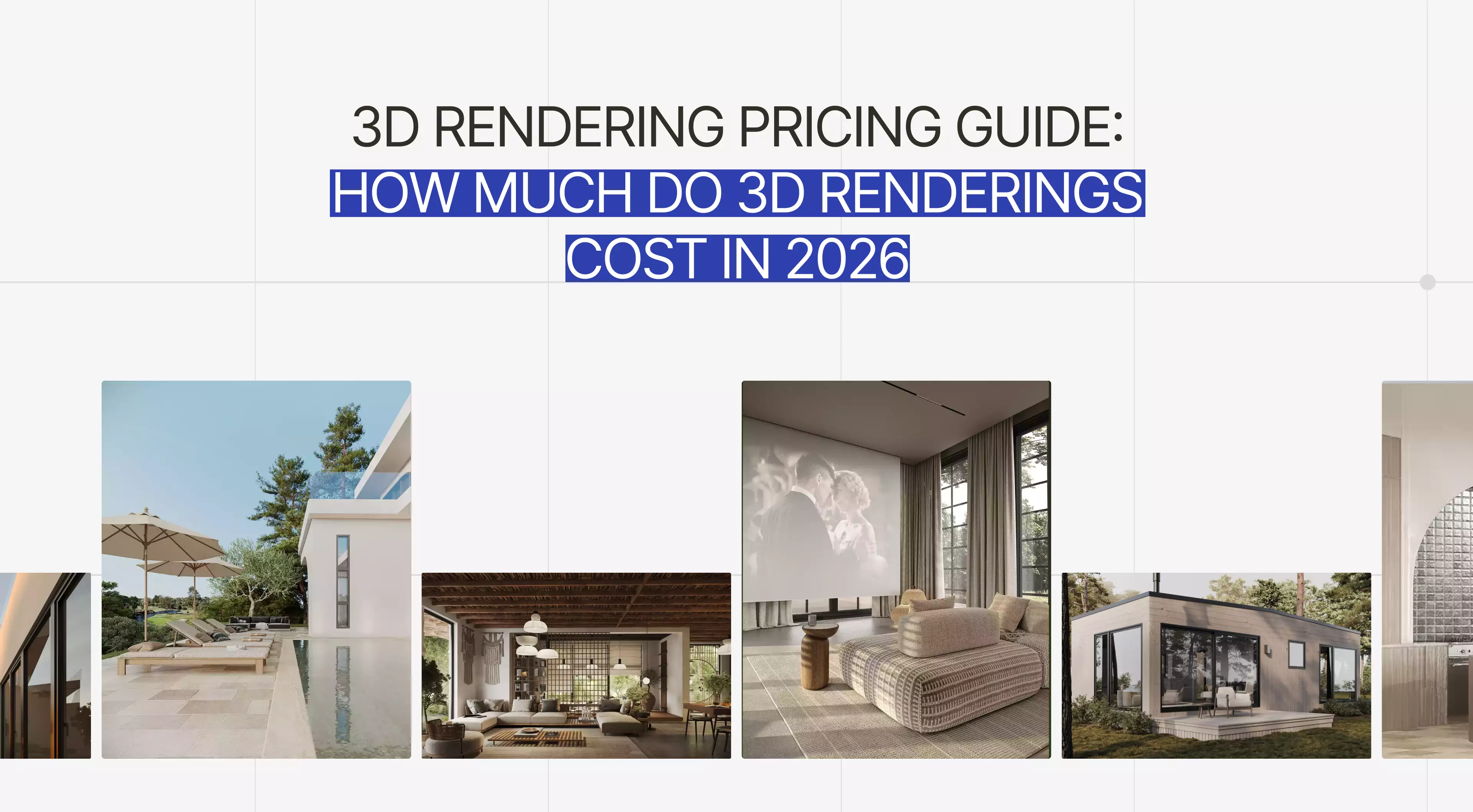
Rendering pricing depends on the project’s complexity and intended use. In 2026, a single photorealistic image can cost anywhere from $400 to $5,000. The 3D rendering cost spectrum reflects fundamental differences in technical requirements and business outcomes. A budget interior render is used to validate concepts. Premium architectural visualizations, on the other hand, can secure $50 million in pre-sales. Although both are renderings, their production demands and commercial impact diverge dramatically.
This guide clarifies how much renderings cost for various project types. You’ll find price ranges and learn about the eight factors that influence cost. We compare pricing models and contrast budget studios with premium partners. You’ll learn how to receive accurate quotes and prevent budget inflation.

3D Rendering Prices in 2026
Once projects are well-defined, the 3D rendering pricing landscape stabilizes into predictable ranges. Below is a practical reference table reflecting current market rates from mid-tier to premium studios serving North American and European clients. These rates are based on standard deliverables, including one round of revisions, 4K resolution outputs, and typical turnaround times.
| Rendering Type | Typical Price Range | Best Use Case | Typical Turnaround |
| Residential interior rendering | $600–$1,800 per image | Pre-sales marketing, design validation | 7–10 business days |
| Exterior rendering | $800–$3,500 per image | Planning submissions, investor decks | 10–14 business days |
| House rendering cost | $1,200–$4,000 per project | Single-family home marketing | 12–18 business days |
| Commercial architectural rendering | $1,500–$5,000+ per image | Mixed-use developments, office towers | 14–21 business days |
| Product rendering | $150–$900 per item | E-commerce, packaging visualization | 5–10 business days |
| 3D floor plans | $250–$1,200 per plan | Real estate brochures, sales galleries | 5–8 business days |
| 3D animation rendering | $2,200–$18,000 per minute | Marketing films, virtual tours | 3–6 weeks |
The price of rendering fluctuates based on three factors: project scale, realism requirements, and revision expectations. Project scale is defined as the difference between a single room and a development of 50 units. Realism requirements are measured by the difference between a concept sketch and a photorealistic rendering. Revision expectations are defined as the difference between a single revision and multiple revisions. A $600 interior rendering includes one camera angle and standard materials. In contrast, a $2,200 rendering includes custom furniture modeling, complex lighting scenarios, and multi-angle deliverables from a single master scene.
How Much Does 3D Rendering Cost by Project Type?How Much Does 3D Rendering Cost by Project Type?
For any project, the 3D rendering cost depends on the business objective behind the visualization. For example, a developer needing pre-construction sales visuals has different requirements than an architect seeking planning approval. These differences can lead to significant price variations, even for similar square footage.
Interior Rendering CostsInterior Rendering Costs
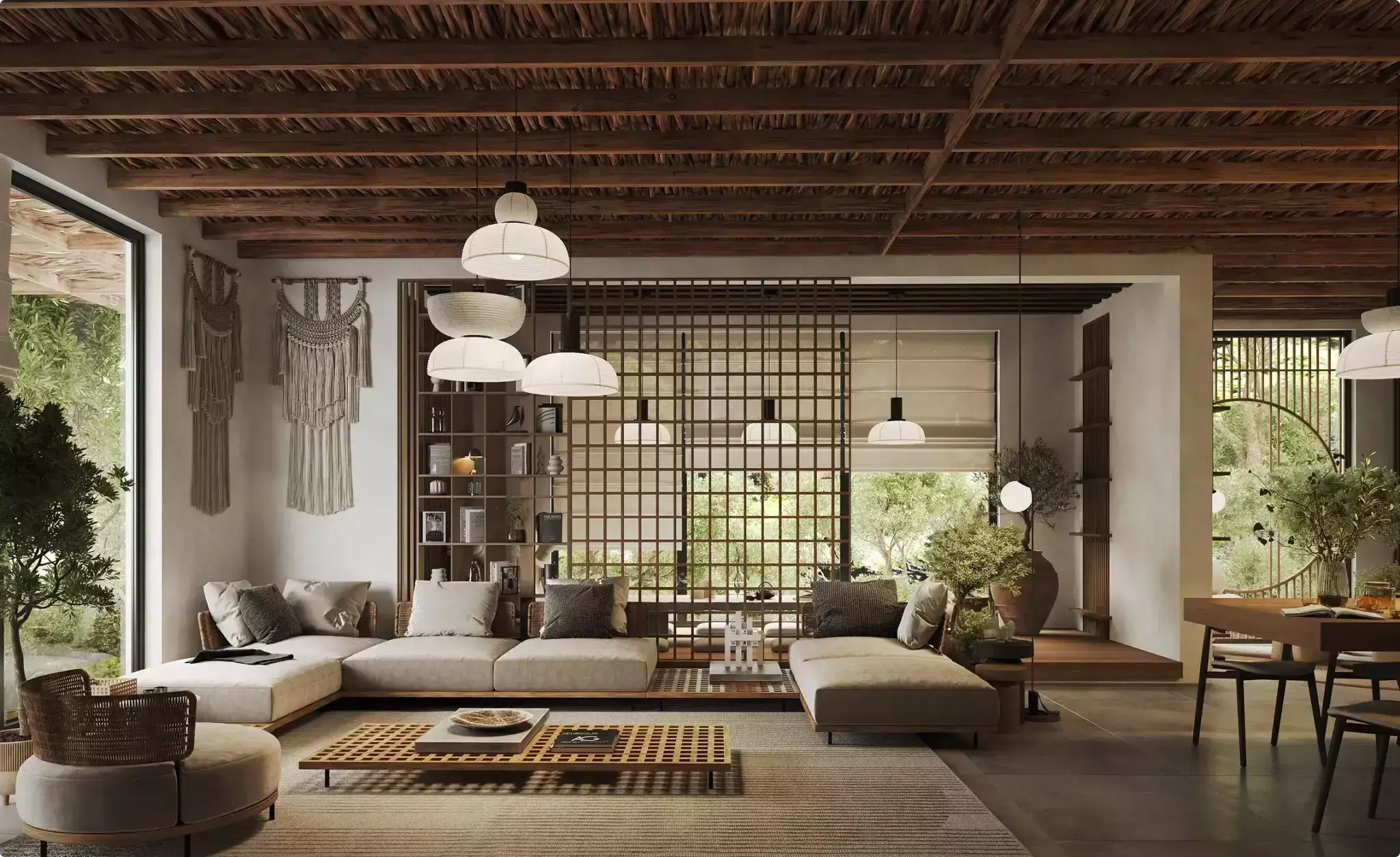
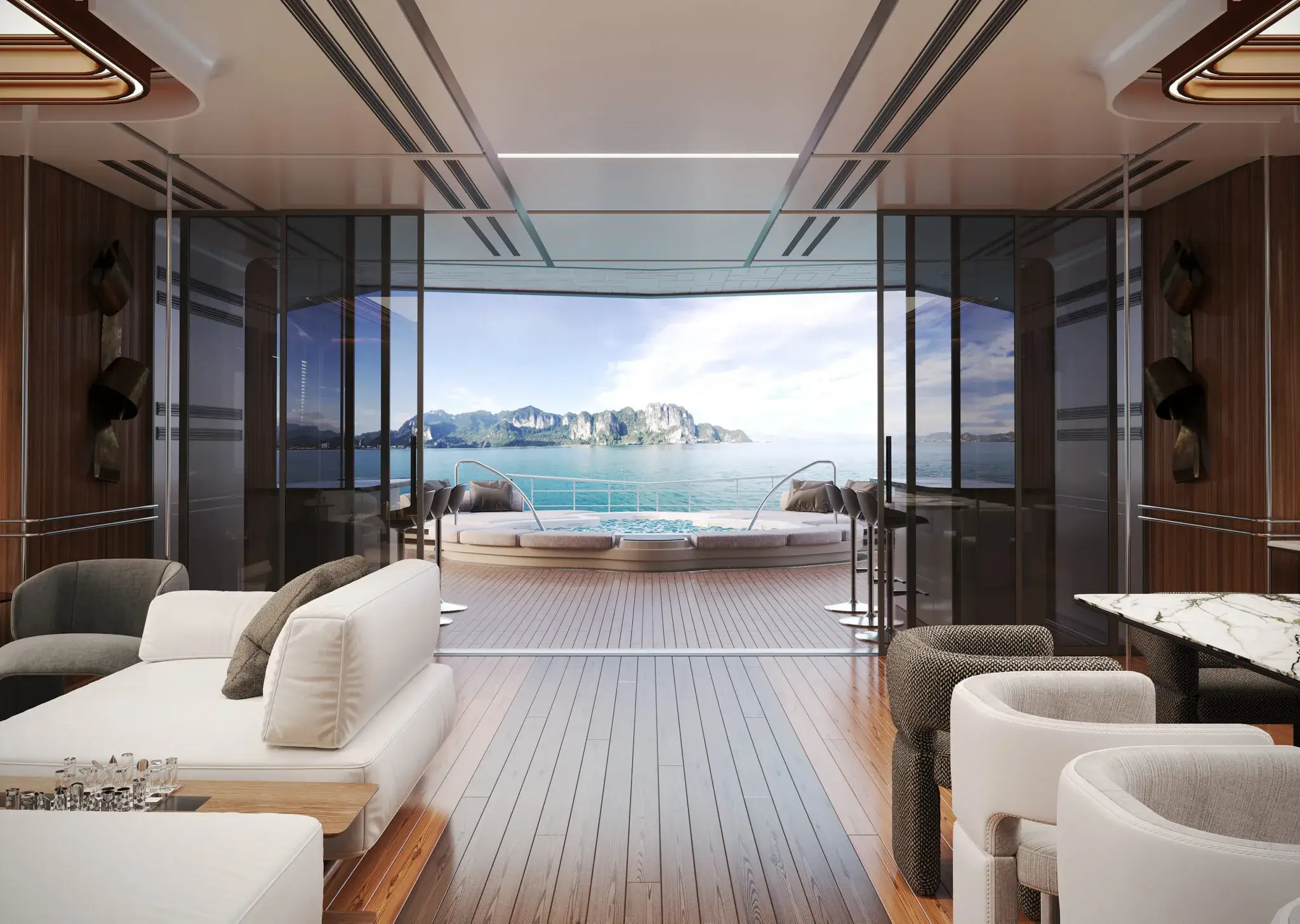
The pricing of interior rendering services centers on material complexity and lighting scenarios. Basic residential interiors with standard finishes, such as wood floors, painted walls, and off-the-shelf furniture, typically cost between $600 and $1,200 per view. Projects requiring 3D interior rendering services with custom elements, such as bespoke cabinetry, intricate lighting fixtures, or multi-scene time-of-day variations, cost $1,500–$2,500 per image. This price difference stems from the labor intensity involved: custom modeling adds 3–5 hours per unique element, and complex global illumination calculations extend rendering times by 40–60%.
Exterior and House Rendering Cost
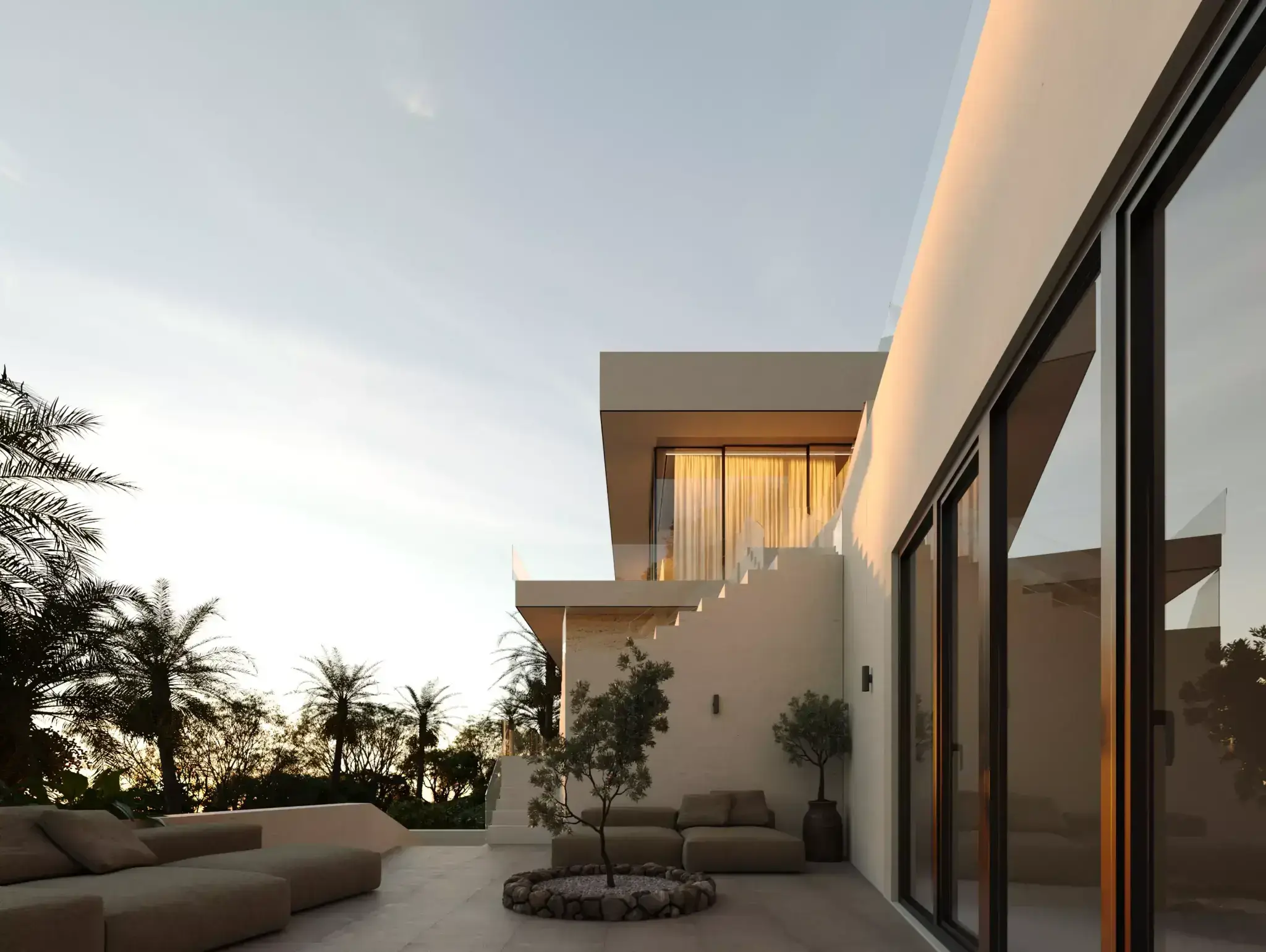
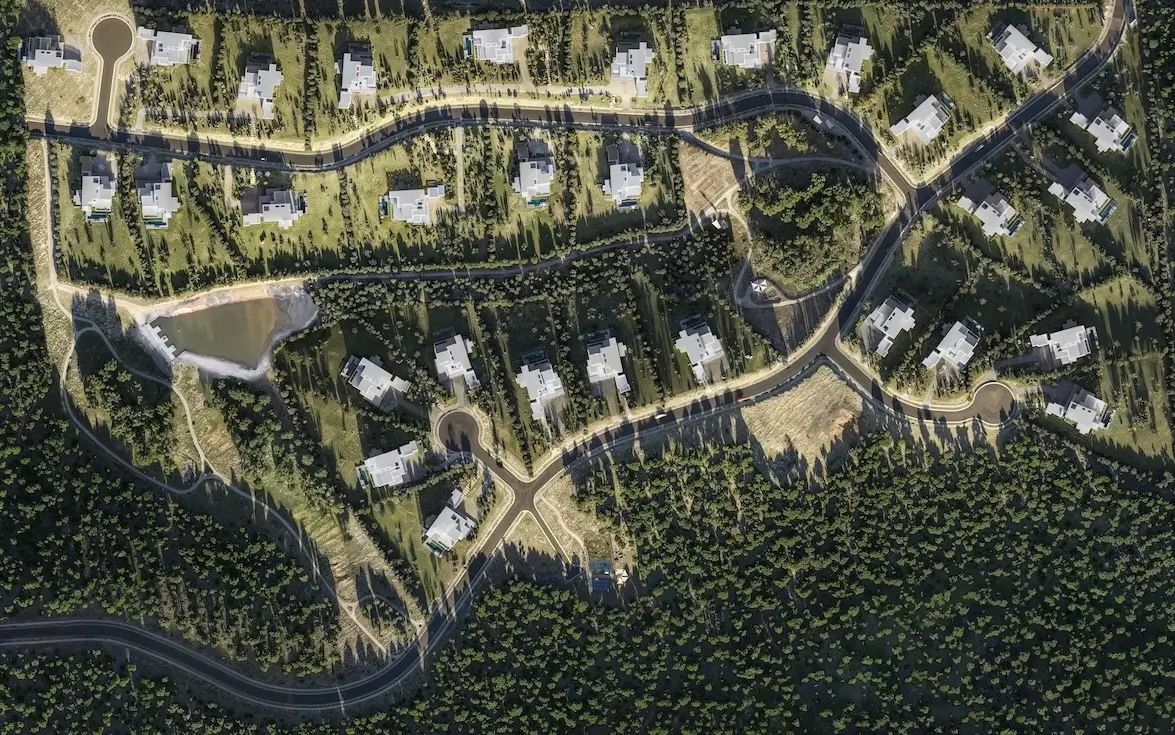
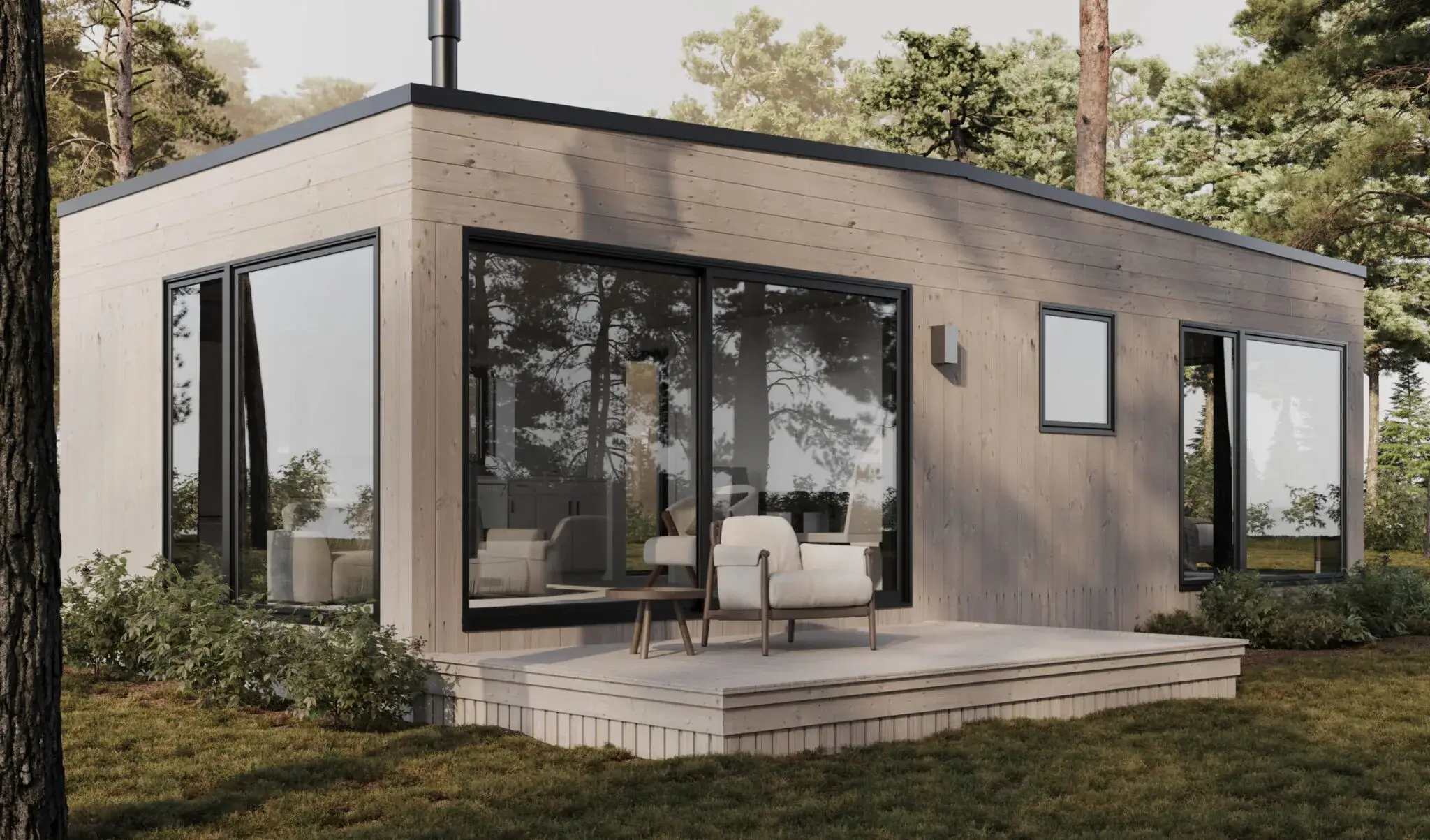
Several factors affect house rendering costs, including context complexity. For example, a single-family home with minimal landscaping costs between $1,200 and $2,500 for three exterior views. The same house in a master-planned community costs $2,800–$4,500 because it requires an accurate representation of neighboring structures, streetscapes, and site grading. Aerial shots that require 3D neighborhood modeling cost 35–50% more than street-level perspectives with simplified backgrounds.
Architectural and Commercial Rendering Costs
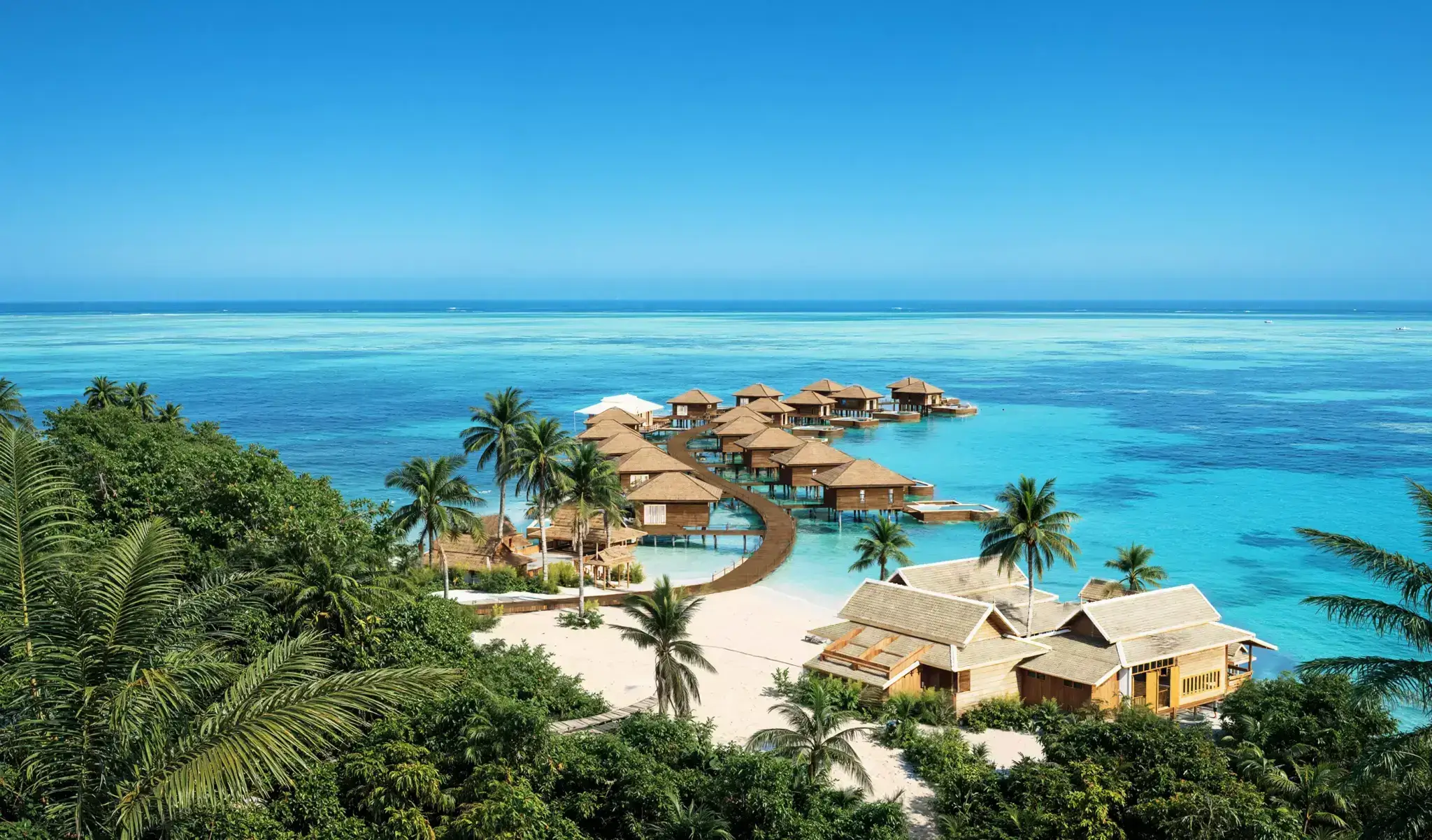
For commercial projects, architectural rendering costs reflect stakeholder complexity. For example, a boutique retail space might cost $1,800–$3,200 per view. On the other hand, a mixed-use tower that requires coordination across architecture, engineering, and branding teams typically demands $3,500–$6,000 per image. The architectural rendering price premium covers three aspects: regulatory compliance visualization, management of multi-stakeholder revisions, and integration with BIM workflows. Commercial building renderings for investor presentations often include animated sequences showing pedestrian flow or daylight progression, adding $4,000–$12,000 to project budgets.
Product Rendering Costs
There is a direct correlation between 3D product rendering cost and surface complexity. For simple, matte-finish products such as plastic containers or basic textiles, the cost ranges from $150 to $400 per item with three standard angles. Reflective or translucent items, such as glassware, jewelry, and automotive parts, require specialized material setup and lighting calibration, pushing costs to $500–$900 per item. Product 3D rendering services that include animated turntables, exploded views, or multi-variant color libraries cost $1,200–$3,500 per product family.

Animation and Motion-Based Rendering Costs
Time-based pricing logic is introduced with 3D animation rendering. Studios typically charge between $2,200 and $5,000 per minute for simple flythroughs, which are static camera paths through pre-built scenes. Marketing-grade animations featuring dynamic camera movement, environmental storytelling, and post-production editing cost between $8,000 and $18,000 per minute. The cost structure of 3D animation rendering services reflects computational intensity. A 60-second animation at 30 fps requires 1,800 individually rendered frames. Each takes 8–25 minutes, depending on the scene’s complexity.

Floor Plans and Real Estate Support Visuals
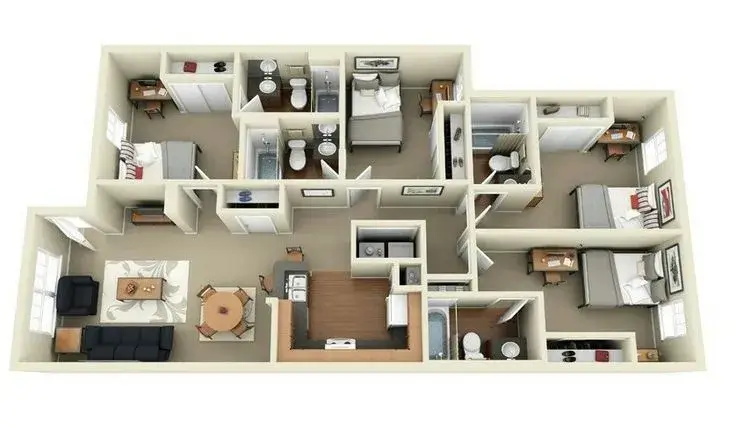
The most predictable pricing is offered by 3D floor plan rendering services. They charge $250–$600 for standard residential layouts and $700–$1,200 for complex commercial spaces with detailed furniture placement. These visuals cost less than hero renders because they use existing 3D models with basic lighting setups. Real estate renderings for sales galleries often bundle floor plans with 3–5 interior and exterior views at 15–25% below standard pricing. This makes package deals the most cost-effective approach for developers.
What Affects Rendering Pricing?
Eight concrete variables determine the rendering pricing model. Understanding these factors allows you to structure projects in a way that controls costs without sacrificing quality.
Project Complexity and ScaleProject Complexity and Scale
A 1,200-square-foot apartment requires modeling perhaps 15–20 unique elements. In contrast, a 500,000-square-foot mixed-use tower demands thousands of custom components, facade variations, and contextual integration. The complexity of a project increases labor hours non-linearly. Doubling the scope of a project typically increases costs by 160–180% due to coordination overhead.
Level of Detail and RealismLevel of Detail and Realism
The 3D rendering price gap between a decent rendering and a photorealistic one hinges on three technical layers: material accuracy, lighting fidelity, and post-production refinement. Each layer adds 25–40% to production time, yet significantly impacts viewer trust, especially for pre-construction sales, where credibility is paramount.
Revisions, Timeline, and Delivery SpeedRevisions, Timeline, and Delivery Speed
Standard projects include one or two rounds of revisions at no extra charge. Third and subsequent rounds typically cost an additional $75–$200 each. Rush delivery incurs an additional 30–50% fee to cover overtime labor and external render farm costs. The most expensive scenario involves last-minute design changes after model completion, as these changes can trigger cost increases of 80–120%, since artists must rebuild the geometry.
Input Quality and Project MaterialsInput Quality and Project Materials
Well-organized CAD files with material callouts can reduce modeling time by 35–50% compared to hand-drawn sketches, which require interpretation. Providing physical material samples for scanning instead of verbal descriptions eliminates texture accuracy-related revision cycles. Clients who deliver comprehensive briefs that include mood boards, reference images, and precise camera angle specifications consistently achieve effective costs that are 20–30% lower due to reduced rework.
How Studios Charge for Rendering Services
The 3D rendering services cost structure varies depending on the engagement model, each offering distinct advantages for specific project types.
Per Image PricingPer Image Pricing
The rendering price per image model dominates the field of architectural visualization. Studios quote fixed rates based on scene complexity tiers. While this approach offers budget predictability, accurate scope definition is required upfront. Hidden costs can arise when a single additional angle necessitates full modeling adjustments. Be sure to confirm what’s included, such as resolution, revision rounds, and source file delivery.
Per Project PricingPer Project Pricing
Architectural rendering services for multi-image campaigns typically offer package pricing. For example, a developer requiring 8 exterior views, 12 interior perspectives, and 3 floor plans might pay a project fee of $28,000–$42,000. This is less expensive than paying per image, which costs over $45,000. Package models reward clear scope and penalize mid-project additions. Always negotiate revision allowances explicitly.
Hourly or Flexible PricingHourly or Flexible Pricing
For projects with evolving requirements hourly rates are preferable. Examples include design development phases where the final product is unclear. The risk is open-ended budgets without strict time tracking. Mitigate this issue by requesting weekly hour reports and capping total engagement at predetermined thresholds. Hourly billing works best when paired with milestone payments tied to specific deliverables.
Studio vs Freelancer vs Specialized ProviderStudio vs Freelancer vs Specialized Provider
The cost and risk profile are affected by whether you choose a 3D rendering company, an independent freelancer, or a niche specialist. Freelancers on platforms like Upwork may charge $300–$600 per interior, but they often lack the bandwidth to make revisions for complex projects. Mid-tier studios strike a balance between quality and responsiveness at a cost of $800–$2,000 per image. Premium architectural rendering firms charge $2,500–$6,000 per image. They deliver institutional-grade reliability for high-stakes presentations but may be excessive for internal design validation.
3D Rendering Services Cost by Provider Type
The 3D rendering services market is divided into three tiers, which are defined by process maturity rather than just image quality. A CGI rendering company operating at an enterprise scale can deliver predictable outcomes through standardized workflows. This is key when visual assets directly impact million-dollar decisions.
Budget ProvidersBudget Providers
Studios that charge $400–$800 per rendering usually have minimal process structure. Artists work directly with clients, so there is no project management oversight. This can lead to communication gaps when technical requirements emerge. While these providers are suitable for simple projects with fixed designs and flexible timelines, they carry a 40–60% higher risk of revision spirals for complex work.
Mid-Range StudiosMid-Range Studios
For most commercial projects, the $800–$2,000 per image segment offers the best value. Studios in this price range usually have dedicated project managers, standardized revision protocols, and quality assurance checkpoints. Real estate rendering providers in this price range consistently deliver on time because they have systematized their production process. This reduces the risk of surprise revisions that can increase costs elsewhere.
Premium Rendering CompaniesPremium Rendering Companies
Firms that charge $2,000–$5,000+ per image typically invest heavily in infrastructure for architectural visualization and 3D rendering services. This includes in-house material libraries, proprietary lighting setups, and senior art direction. Their premium reflects risk mitigation for high-stakes scenarios. Examples include investor presentations where visual credibility affects funding and planning submissions that require precise regulatory visualization to obtain approval.
When Paying More for Rendering Is Worth It
The rendering cost justification becomes important when the visuals impact revenue, approvals, or risk exposure.
When Basic Rendering Is EnoughWhen Basic Rendering Is Enough
Residential rendering for internal design validation rarely requires premium treatment. When the goal is spatial testing, concept sketches at $300–$500 per view suffice. Similarly, early-stage massing studies benefit more from speed than polish. Rapid iterations at lower fidelity accelerate design exploration without breaking the bank.
When Premium Visuals Deliver Better ROIWhen Premium Visuals Deliver Better ROI
Photorealism is essential for residential renderings used in pre-construction sales because buyer confidence depends on visual credibility. For example, a $2,200 rendering that accelerates unit absorption by 15% can generate over $85,000 in additional cash flow on a $3 million condo, which easily justifies the cost. Similarly, regulatory submissions requiring shadow studies or material documentation benefit from studio expertise, preventing costly resubmissions.
How to Reduce Rendering Cost Without Hurting Quality
Smart cost control focuses on process efficiency. Rather than asking how much do architectural renderings cost, the question should be how to structure projects for maximum value.
Finalize Scope Before Production StartsFinalize Scope Before Production Starts
Design changes after modeling begins trigger the most expensive rework. Freeze floor plans, material selections, and key design decisions before engaging a studio. The 2–3 days invested in pre-production alignment prevent 15–25 hours of revision labor later.
Provide Complete References EarlyProvide Complete References Early
Ambiguity leads to revisions. Provide material samples, furniture specifications, and reference images of the desired lighting mood. Clear input reduces interpretation errors, which are the leading cause of revision cycles.
Batch Multiple Images from One ModelBatch Multiple Images from One Model
Leverage economies of scale by ordering all required views simultaneously. Six perspectives from one master scene cost 40–50% less than six separate modeling engagements. Even if you only need two views immediately, commission the full set upfront and store the unused angles for future marketing phases.
Match Quality to PurposeMatch Quality to Purpose
Internal team reviews don’t require home rendering services to match marketing-grade photorealism. Using the appropriate level of detail for each use case prevents over-investment in unnecessary polish.
How to Choose the Right Rendering Partner
Search queries such as “3D rendering services near me” reflect the misconception that physical proximity matters for digital deliverables when, in reality, it rarely does.
What to Ask Before Requesting a QuoteWhat to Ask Before Requesting a Quote
An architectural rendering company will ask for specific inputs before quoting: CAD files or sketches, material specifications, reference images, and intended use case. Be wary of studios that give instant quotes without this information. Ask about revision policies, typical turnaround times, and source files.
What Good Architectural Rendering Services Should IncludeWhat Good Architectural Rendering Services Should Include
Quality architectural 3D rendering services offer more than just attractive images. You can also expect clear communication protocols, structured revision processes, and technical accuracy. When it comes to 3D rendering services for interior design projects, confirm the depth of the studio’s furniture library.

Turn Ideas Into Visual Stories
Frequently Asked Questions
The cost of renderings depends primarily on the type of project and the level of realism required.
- Standard residential interiors range from $600 to $1,800 per image.
- Commercial exteriors range from $1,500 to $4,500.
- Product shots range from $150 to $900 per item.
- Animation costs scale by the minute.
- Basic flythroughs cost $2,200–$5,000, and marketing-grade productions cost $8,000–$18,000.
These cost ranges reflect those of mid-tier to premium studios serving the North American market in 2026.
The house rendering cost for a single-family residence is usually between $1,800 and $4,500 for a complete package, which includes three to five exterior views, basic landscaping, and standard daylight conditions. Costs increase with contextual complexity, such as accurate neighborhood modeling, time-of-day variations, or aerial perspectives, which require full site modeling.
There are three main factors that influence 3D rendering prices: project complexity, realism requirements, and revision expectations. Custom modeling demands, such as unique furniture, complex materials, or intricate lighting scenarios, add $75–$200 per element. Rush delivery in less than five business days typically incurs a premium of 30–50%.
The 3D rendering services cost typically includes: 3D modeling from provided CAD/blueprints, material application based on specifications, lighting setup with one primary scenario, one round of revisions covering materials and lighting adjustments, and final deliverables in 4K resolution.
Exclusions often encompass custom furniture modeling beyond library assets, multiple lighting scenarios without prior agreement, delivery of source files, and expedited turnaround without rush fees.
The cost of architectural renderings varies by building type and stakeholder requirements.
- For residential interiors, expect to pay between $600 and $1,800 per view.
- Commercial exteriors cost $1,500–$4,500 per view.
- Mixed-use developments requiring regulatory visualization cost $2,500–$6,000 per view.
- High-rise towers with complex façade systems and urban context modeling cost $4,000–$8,000 per view.
This premium pricing reflects the technical accuracy required for approvals and investor confidence.
The pricing difference between interior and exterior work stems from labor distribution. 3D interior rendering company projects often cost more per square foot due to the complexity of materials and finishes, as well as the challenge of simulating natural light through windows. Exterior projects scale with environmental modeling requirements. Simple street views cost less than aerial perspectives that demand full neighborhood reconstruction.
For simple matte-finish items with standard angles, the 3D product rendering cost ranges from $150–$400.
- For products requiring specialized material setup, the cost ranges from $500–$900.
- Marketing packages that include multiple color variants, lifestyle contexts, or animated turntables usually cost between $1,200 and $3,500 per product family.
Factors that increase complexity include surface properties, transparency requirements, and background integration depth.
Because 3D animation rendering costs scale non-linearly with duration and complexity, prices vary.
- Basic flythroughs cost $2,200–$5,000 per minute.
- Marketing-grade animations with dynamic camera work and post-production cost $8,000–$18,000 per minute.
Studios mitigate costs through strategic optimization, such as simplifying the geometry of distant objects, using render passes for efficient post-production, and leveraging real-time engines to provide clients with previews before the final rendering.