Are you tired of articles that begin by stating the obvious: that in this era of rapid technological development, 3D product modeling services have become an integral part of marketing and design strategies? That’s why we won’t start our article that way. If you want to understand why you should read the entire text instead of going straight to the ratings, then you won’t learn how to choose the best partner for creating 3D models, which characteristics distinguish 3D modeling companies, or what you need to consider to achieve the best results. In this article, we will examine the key factors that influence the success of joint projects. Then, we will introduce you to the ratings of the top 3D modeling companies in the spotlight in 2025. We explain everything in simple words without getting too technical. Whether you’re starting your own business or scaling up, this article will help you make informed choices and achieve success with 3D design.
Why 3D Product Modeling Matters in 2025Why 3D Product Modeling Matters in 2025
In 2025, 3D product modeling services have become the most important tools for businesses seeking to present their products effectively and attract customers. As you know, market conditions change quickly, and visual impressions are becoming increasingly important to consumers. This is why creating detailed, realistic 3D models of products gives companies a significant advantage.
It’s not just about showing a product. On the contrary, 3D modeling services provide interactivity, allow you to evaluate functionality, and help consumers make informed decisions. Essentially, customers get a positive user experience without using your product — no more display models and samples!
Now, let’s explore how 3D product modeling services transform the buyer’s experience, increase conversions, and become an essential element of successful marketing strategies. Understanding these aspects is critical to making informed decisions about using 3D visualization in your business.

The Growing Demand for 3D Visualization
In the past, 3D modeling was considered a luxury rather than a tool. However, over the last five years, it has become an integral part of many industries, including e-commerce, marketing, and design. If you are unsure whether your business could benefit from 3D modeling services, we have prepared some examples for you.
E-commerceE-commerce
At first glance, e-commerce seems unrelated to 3D modeling, since photos and videos suffice. However, 3D design services allow consumers to view products from different angles, rotate them, zoom in, and use interactive features. For instance, furniture stores use 3D models so customers can see how a sofa would look in their home.
How do you currently handle product returns? Although this incurs extra costs for packaging and shipping, 3D product rendering allows customers to evaluate products more accurately before buying. This helps them make more confident decisions and significantly reduces the likelihood of disappointment and returns.
MarketingMarketing
It’s not easy, but fortunately, 3D product modeling plays a key role in creating engaging content. This is especially true in advertising campaigns, where slogans and static images are being replaced by animations and interactive scenes that capture the audience’s interest and attention.
Additionally, 3D modeling helps tell stories about products. For instance, rather than merely displaying a watch in a photo, you can create an animation that showcases its functionality and style. This adds emotion and context, increasing the likelihood of a purchase.
DesignDesign
In this segment, 3D product design companies become an important tool for visualizing ideas and concepts. Rather than producing costly physical models, designers can quickly create, test, and modify 3D models on screen, greatly simplifying the development process.
In architectural design, for example, 3D models help visualize buildings and interiors before construction begins. With the help of software, designers can show customers what a building or room will look like and allow them to select materials and lighting.
As you can see, 3D modeling companies are applicable in various industries and provide many benefits to businesses and consumers in each one. It is changing the way products are presented and perceived, making marketing more effective and the design process faster and more intuitive. As visual content becomes increasingly important in 2025, companies that use 3D product rendering will have a clear advantage in the market.

Enhancing Customer Experience
As commerce shifts to the online space, the quality of product presentation plays a crucial role in how shoppers perceive and interact with products. Traditional visualization methods have quickly given way to 3D models, which significantly increase customer engagement. But have you ever wondered how and why this happens?
First, we must consider how customers perceive products. Static images often fail to convey details and textures, and shoppers cannot rotate, zoom in, or examine products from all angles. Imagine you are buying shoes. Rather than seeing only a photo from the front, a 3D model allows you to view the shoes from the side and from the back. You can even zoom in to see the texture of the material. Research shows that 67% of consumers say being able to see a product in 3D significantly influences their purchase decision.
Additionally, interacting with 3D product models transforms the shopping process into an engaging user experience. Customers can rotate models and change colors or settings, making the process more interactive. The IKEA online furniture store allows customers to use 3D applications to “place” furniture in a virtual room and change the size and color of items. Their data shows that interactive elements can increase the time users spend on the site by up to 50%.
Even more useful, 3D models allow customers to compare products more effectively. For instance, when buying kitchen appliances, customers can compare different models by rotating them and examining the details. If a buyer is considering several kettles, for example, they can see how each one looks from different angles and analyze its functionality and appearance, which makes the selection process easier. Studies show that users who interact with 3D content are 80% more likely to make a purchase than those who only interact with static images.
You now realize that 3D product rendering has become an important tool for interacting with customers in the world of online shopping. These models allow buyers to better perceive products, reduce the number of returns, add interactivity, and facilitate decision-making. The era of static images is coming to an end. Thanks to 3D models, shopping is now more exciting, informative, and successful. For businesses, this means increased sales and the creation of loyal customer relationships, the key to long-term success.

Impact on Sales and Conversions
Statistics and case studies demonstrate that integrating 3D visualization significantly boosts online sales conversion rates, confirming the effectiveness of this approach for businesses. According to Shopify, adding 3D product rendering increases conversion rates by an average of 94%, while interactive 3D marketing campaigns have shown an average increase of 40%. Some brands that use 3D and AR technologies have reported conversion rate increases of up to 200%. In terms of user engagement, 82% of product page visitors prefer 3D viewing, and 34% interact with 3D images for more than 30 seconds. These results highlight the significant user involvement in the selection process and are supported by Amazon research, which noted a 66% increase in user engagement when using a 3D configurator compared to 2D solutions.
Furthermore, implementing 3D modeling services has been shown to reduce product returns. Shopify, for example, recorded a 40% reduction in returns after implementing 3D technology. Another company observed a similar 40% reduction based on its 200 implementations. There are also specific examples of the impressive success of 3D technology: retailer DFS achieved a 22-fold return on investment using 3D and AR, and shoppers using these tools were 19.8% more likely to make a purchase. Other brands, such as IKEA and Rebecca Minkoff, have noted significant sales and user engagement increases when using 3D models.
This focus on 3D visualization also pays off in the context of augmented reality (AR). 77% of consumers prefer products available in AR. Users of 3D and AR tools spend 20.7% more time in apps and view an average of 1.28 more products. This data clearly shows that integrating 3D product modeling services into online shopping increases customer engagement and trust, as well as conversion rates.
What Makes a 3D Product Modeling Company “Top-Tier”What Makes a 3D Product Modeling Company “Top-Tier”
Selecting the right 3D product modeling company is essential for the successful implementation of your project. In a world where visual impact is paramount, it’s important to understand the factors that distinguish the best 3D modeling companies. Now, let’s explore the key criteria that define a top-tier company. We’ll discuss technical expertise, the ability to create realistic textures and lighting, and how well companies grasp your marketing objectives. Understanding these aspects will help you grasp the data we used to compile our ranking.

Accuracy & Technical Expertise
Computer-aided design (CAD) is powerful software used for creating, modifying, and optimizing designs. It plays a key role in 3D modeling and design. CAD skills are essential for ensuring accuracy, efficiency, and flexibility in design.
One of the main advantages of CAD is its ability to create highly precise models, which is especially important in fields such as architecture and engineering. Even minor errors can have serious consequences. For instance, if an architect fails to consider the precise dimensions of windows, it could result in improper installation.
Furthermore, CAD programs automate many processes, significantly speeding up task completion. Using templates and other tools helps to quickly create basic shapes and structures that can then be adapted and refined based on project requirements. This saves time and improves overall work efficiency.
CAD’s flexibility also plays a significant role in the design process by allowing for easy model modifications based on client requests. For instance, if a client wants to change a product’s color or shape, the designer can easily adjust it without starting from scratch.
CAD significantly improves visualization of ideas and projects. Creating 2D and 3D images helps clients better understand the finished product. When designing interiors, such as kitchens or bathrooms, clients can see how various elements will fit together. This enables them to make more informed decisions.
CAD facilitates effective team collaboration. Specialists in different fields can view and edit the same model simultaneously, which improves communication and the exchange of ideas. This is especially important in projects involving architects, engineers, and designers.
Finally, CAD skills are essential for complying with the standards and regulations required in many industries. This is critical for project approval and successful implementation, particularly in construction, where safety and sustainability are of the utmost importance.
Therefore, CAD skills are essential for anyone working in 3D modeling services. CAD skills ensure accuracy, speed up the design process, help visualize ideas, and improve team collaboration.
Ability to Visualize Textures, Materials, Micro-Details
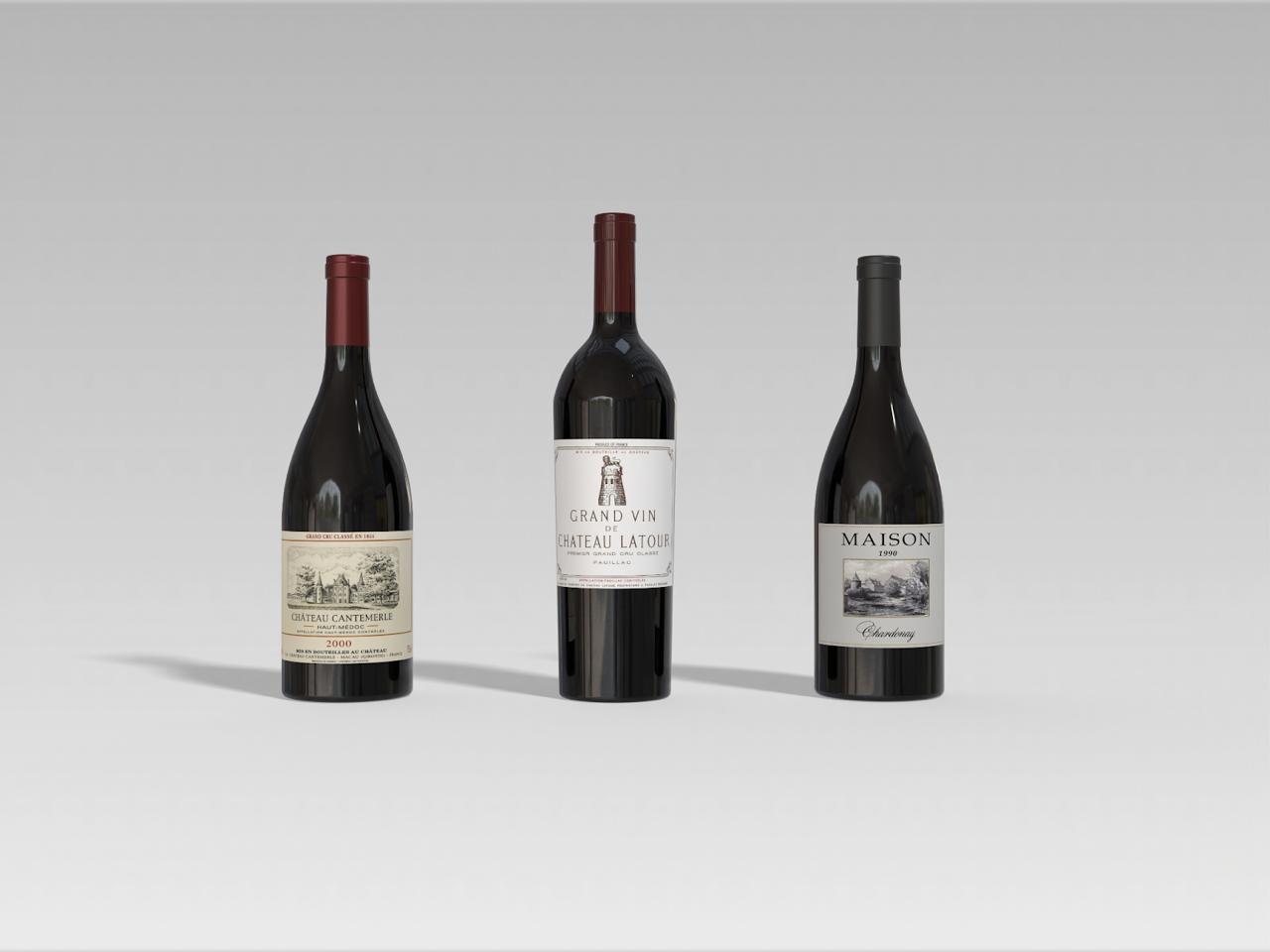
Attention to detail is not just an aspect of 3D design. It is the foundation of the design process. Attention to detail can significantly impact how products are perceived and evaluated. Developing 3D models with attention to the smallest details, such as textures, lighting, and micro-details, creates a sense of realism. For instance, creating a model of a wooden chair with high-quality textures that capture the wood’s grain, coupled with thoughtful lighting, transforms the model into a photorealistic image. It’s not just about the graphics. It’s about providing an interactive experience that makes buyers feel like they’re dealing with a real product, not just an image.
As you can imagine, one measure of compelling design is user satisfaction. When the final product meets or exceeds expectations, it evokes positive emotions and fosters loyalty. In the automotive industry, for instance, the sound of securely closing doors and the careful crafting of interior elements create the impression of a high-quality product. These nuances make users feel valued and appreciated.
Brand trust is also built through attention to detail. Companies such as Apple and Mercedes-Benz are known for their meticulous approach to quality, instilling confidence in the high level of craftsmanship of their products. This trust leads to a willingness to invest more in these products and helps build a loyal customer base in the long run. In a world saturated with similar offerings, attention to unique design elements is crucial. In the fashion industry, for instance, distinctive features like unique stitching and prints distinguish collections and attract customer attention.
Ultimately, attention to detail directly impacts sales. Studies show that products with high-quality images and an emphasis on detail are 30% more likely to be purchased. This suggests that consumers trust products that appear well-made and professionally crafted more. In a competitive market, these aspects are crucial to a company’s success, enabling brands to build their reputation and develop long-term relationships with customers. Brands that pay attention to detail not only increase their chances of success, but also strengthen the trust and loyalty of their consumers.
Understanding Marketing Tasks
Proper 3D product rendering is essential for achieving marketing goals and business strategies. As we explain in more detail in our article on 3D rendering in marketing, aligning visuals with campaign objectives significantly increases effectiveness. It must be integrated and aligned with company objectives because this significantly increases the effectiveness of advertising campaigns. Models that consider the target audience’s expectations and interaction patterns are more impactful and relevant. For instance, targeting a younger audience with bright colors, dynamic animations, and modern styles can help you better connect with this group and ultimately increase conversion rates.
Additionally, each model should emphasize your brand’s uniqueness and values. Aligning 3D product modeling services with your marketing strategy helps you communicate the right messages effectively. For instance, if your brand focuses on being eco-friendly, creating a model that highlights natural materials and the production process best demonstrates your commitment to these principles. This makes your messaging more sincere and consistent, helping to build customer loyalty.
Effective 3D modeling services facilitate customer decision-making by showing how a product meets customer needs. When selling kitchen appliances, for instance, 3D models can show how various accessories work, helping customers decide more quickly. Furthermore, aligning your models with the needs of your target audience increases conversions and creates a positive customer experience, which is especially important during the post-purchase phase.
It’s also important to use analytics to adjust your modeling approach. Constantly monitoring user behavior and reactions to models allows you to adapt the models and marketing strategies. If analysis shows that a particular 3D model evokes positive emotions, you can use this style or approach in other projects for additional benefits.
We strive to convey the idea that aligning 3D modeling services with specific marketing objectives is essential for successfully implementing business strategies. After all, an effective connection between 3D design services and marketing helps attract and retain customers and fosters long-term relationships. Understanding these relationships enables companies to address today’s market challenges more successfully and achieve their business goals.
We also examined key aspects related to 3D product modeling and design in our previous article.
Top 3D Product Modeling Companies in 2025Top 3D Product Modeling Companies in 2025
As you now know, choosing a 3D product modeling company should be based on a combination of technical expertise, attention to detail, and the ability to integrate marketing objectives into the design process. A deep understanding of these factors helps companies attract and build long-term relationships with customers, which is critical in today’s market. We are now ready to present our list of the top 3D modeling companies in 2025.
Maverick Frame StudioMaverick Frame Studio

We are a 3D design studio and your ideal, full-service creative partner. Our team of experts creates photorealistic 3D models, 3D modeling services, 3D product rendering, AR/VR integrations, and interactive visualizations. These are ideal for e-commerce and manufacturing businesses of all sizes.
With over 10 years of industry experience, we deliver high-quality projects quickly, which significantly accelerates the process of creating product visualizations and marketing materials. We understand your business goals and create customized solutions that cover the entire cycle, from modeling to final rendering and animation. Our 360-degree views and virtual tours provide interactive experiences that capture the attention of your target audience and increase conversions.
Our team is committed to impeccable quality and innovation, making us the ideal choice for companies looking to stand out in the market. We offer flexible pricing and transparent terms, allowing you to easily scale your services without unnecessary bureaucracy. Maverick Frame is the perfect solution for ambitious brands looking to succeed in the world of digital technology, design, and marketing.
If you are unsure whether your business could benefit from 3D product visualization services or want to explore further, check our portfolio for inspiration.
SupersideSuperside

A 3D product design company that is also a full-fledged creative partner. As an AI-powered creative services provider, they help in-house teams develop creative projects quickly and affordably. They operate globally and offer flexible pricing, allowing for easy scaling without the need for constant contract negotiations. They are ideal for rapidly growing businesses seeking to elevate their product design and promotions across all channels.
Orbe3DOrbe3D
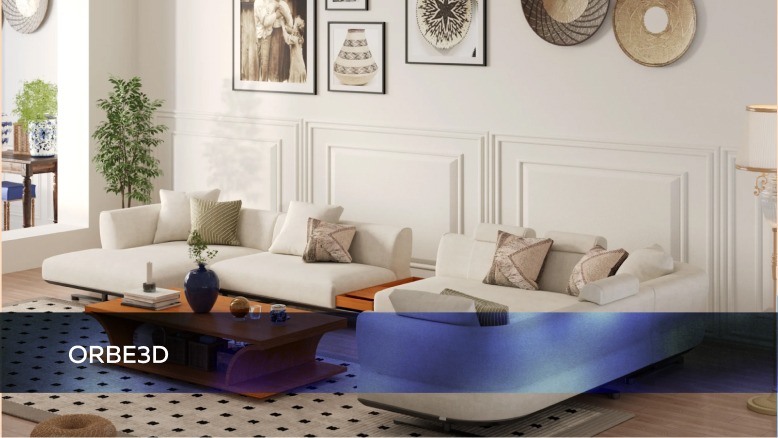
This company offers a wide range of 3D modeling services and develops photorealistic 3D models that are particularly suitable for e-commerce and consumer goods companies. The studio utilizes high- and low-poly capabilities, as well as image creation for advertising needs. They offer AR/VR-ready assets and interactive configurators. These visualizations are ideal for extensive product catalogs and digital storefronts because they replace traditional photography. These services are perfect for e-commerce and manufacturing brands seeking fast, affordable, and scalable 3D visuals.
Juego StudiosJuego Studios
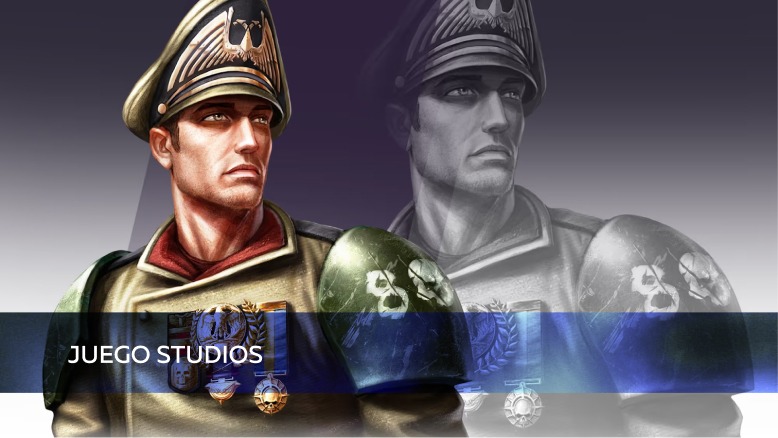
They offer a variety of 3D modeling services, including creating models for games, products, and environments, as well as game development and design. The studio specializes in AR/VR applications for creating immersive experiences and focuses on interactive storytelling and gamified brand experiences, including virtual product tours and e-learning modules. Although the company’s primary focus is game design, its expertise also extends to product visualization, branding simulations, and creating engaging educational environments.
Ufo3DUfo3D
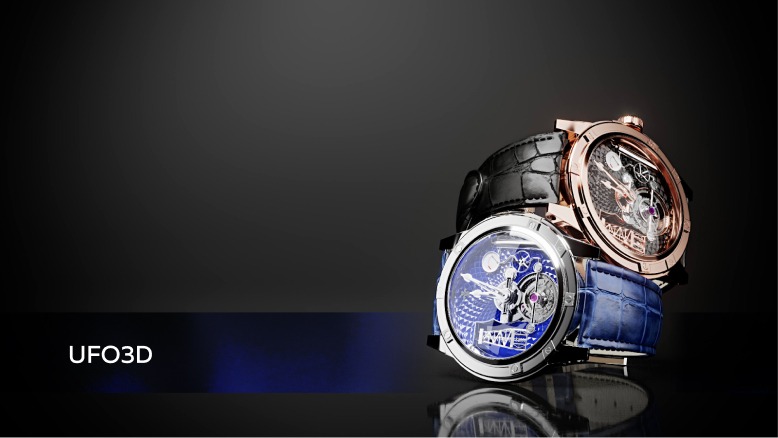
This 3D studio is renowned for its models, renderings, and immersive visualizations. The studio offers photorealistic 3D modeling and 3D product rendering, 360-degree product tours for interactive experiences, and AR/VR integrations for creating immersive apps. The studio also provides animated tours and technical illustrations designed specifically for online retailers and technology brands. Since the company works on a project-by-project basis, it is ideal for online retailers and luxury brands seeking to enhance the appeal of their products with interactive 3D visuals.
3D-ACE Studio3D-ACE Studio
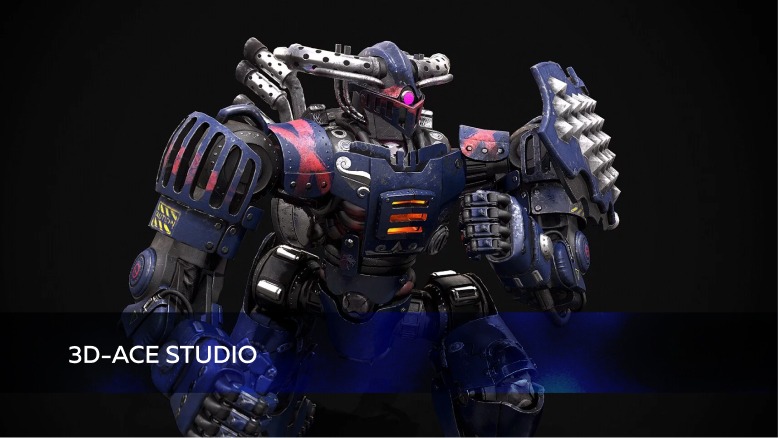
With over 30 years of experience, this full-featured 3D content production studio offers a wide range of services. We offer a wide range of services, including custom 3D modeling of characters, environments, and products; texturing; and animation, including cinematic sequences and motion graphics. We also provide digital twin modeling for simulations and training. Technical art services, such as rigging and skinning, are also provided. Our studio is well-suited for large-scale product campaigns or immersive content projects requiring 3D assets.
NBY ITNBY IT
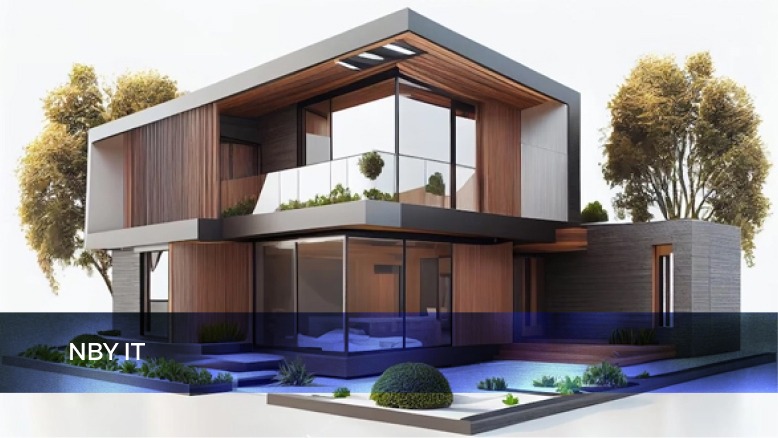
This company has over 15 years of experience specializing in 3D product modeling services, interiors, and architecture. They offer photorealistic 3D product rendering, 3D animation, and tours for various industries, as well as AR/VR/MR modeling and graphic design services. The company focuses on creating 3D assets for the automotive, electronics, furniture, and architecture industries to support online retail, marketing, and prototyping. The company works on a project-by-project basis with a minimum project size of $1,000 and is suitable for businesses across various industries seeking to develop 3D modeling and visualization for marketing, prototyping, retail, and industrial initiatives.
3D Product Modeling vs. 3D Product Rendering: What’s the Difference?3D Product Modeling vs. 3D Product Rendering: What’s the Difference?
Now that you know everything about the top three 3D product modeling companies of 2025, it’s time to learn more! It’s now time to understand their services and, more specifically, how 3D product modeling differs from 3D product rendering.
3D product modeling is the process of creating a three-dimensional digital model of a product — a virtual object that can be modified, detailed, and customized. Imagine you’re a handbag designer creating a virtual model with different shapes, sizes, textures, and colors. As a result, you have an accurate representation of the finished product and can adjust the details before production.
3D product rendering is the process of creating a high-quality image or animation from a 3D model. This helps show how the model will look in real life by adding realistic lighting, shadows, and textures. After creating a 3D model of a handbag, for example, rendering allows you to create a realistic image for an online store or advertising materials. In this image, light would reflect off the surface of the bag, and shadows would emphasize its shape. Both processes are important for effectively presenting products and attracting customers, but they are used in different scenarios. 3D modeling is useful when you need to see what a product will look like before it’s made. Examples include presenting a new product, developing game characters, and creating architectural designs. Rendering, on the other hand, is essential for visualizing finished spaces, such as in interior design, or for creating attractive marketing materials that drive purchases. Thus, modeling enables you to create and refine products during the design phase, and rendering helps you visualize and present them to customers in the best possible light.

Why Agencies Prefer Working With End-to-End Studios Instead of Freelancers
We know the top 3D product modeling companies of 2025. But why should we use a full-service end-to-end studio when we can save money and hire a freelancer? This decision significantly impacts the quality, speed, and coordination of projects. To avoid gaps, let’s discuss the benefits of unified process management.
One of the key advantages of working with a full-service studio is simplified processes. When one team is responsible for all stages of a project, there’s no need to communicate with multiple contractors. This reduces organizational time and simplifies communication. Furthermore, consistency in style and quality across all stages ensures a harmonious and professional presentation of models and renders. This speeds up project completion because the team understands the sequence of tasks and can avoid delays.
Better communication within the team also increases efficiency. Ideas and solutions are exchanged more quickly, allowing for the prompt resolution of issues as they arise. A studio that handles the entire project has a better understanding of your goals and values, facilitating the creation of holistic solutions that align with your brand. Changes are also easier to implement with a single team, as they can adapt and make adjustments more quickly than several different contractors.
Working with a single studio saves time and resources. You can avoid the additional costs and delays associated with managing multiple contractors, allowing you to focus on your business objectives. Integrated studios usually have extensive experience and a team of professionals, which guarantees high-quality services at every stage. Another significant advantage is the simplified approval process, as all changes and final versions are processed in one place.
We also want to emphasize stability as a key factor. Established firms have solid reputations and experience, making them reliable partners. Their permanent team of employees ensures reliable collaboration, and access to greater resources and technology allows for higher-quality work. Furthermore, the financial stability of established firms ensures the fulfillment of obligations. They have formal contracts and insurance, which ensures protection for both parties. Personal connections with clients enable established companies to provide personalized solutions tailored to business needs.
As you can see, working with established firms offers many advantages in terms of stability and reliability. Sustainability, team continuity, access to resources, and financial security foster confidence that the project will be completed efficiently and on time. In a competitive market, stability is a decisive factor when choosing a business partner.
Final ThoughtsFinal Thoughts
In this article, we did more than list the top 3D modeling companies of 2025. We also examined key aspects related to 3D product modeling and design. You learned why 3D visualization is becoming an essential marketing tool and how it improves online shopping and customer engagement. You also learned about the benefits businesses gain from choosing a reliable partner for their projects. We emphasized that paying attention to detail, aligning modeling with marketing goals, and collaborating with comprehensive studios fosters a stable and productive environment for successfully completing projects.
Now that you’re familiar with the importance of 3D modeling and design, it’s time to take the next step. Don’t miss the opportunity to bring your ideas to life and take your business to new heights. Contact us for all the services you need, from modeling to rendering, or explore available 3D solutions with your team. Get started today!