Los Angeles is one of the few markets where presentation can shape a project’s trajectory long before construction starts. In architecture, development, and real estate, visuals are often doing far more than illustrating a concept.
They help teams secure buy-in, frame value, reduce uncertainty, and move decisions forward across multiple audiences. That is why 3D rendering Los Angeles work carries a different weight here than it does in slower or less image-driven markets.
The city’s mix of luxury housing, mixed-use development, hospitality, and design-led commercial projects creates strong demand for visuals that feel both persuasive and credible. Clients looking for 3D rendering services in Los Angeles are rarely asking for images just to fill a brochure. They usually need assets that can support approvals, investor conversations, pre-sales campaigns, and launch materials. Strong Los Angeles rendering needs to communicate architecture clearly while also reflecting atmosphere, lifestyle expectations, and local market standards.
This article explains where rendering is used across Los Angeles projects, which formats matter at different stages, what affects quality, cost, and timing, and how to evaluate the right studio or partner without relying on vague promises.
Why 3D Rendering Matters in Los AngelesWhy 3D Rendering Matters in Los Angeles
In Los Angeles, visual communication plays a central role in how projects are understood. Drawings and models remain essential, but they do not always translate well for investors, brokers, buyers, or stakeholders who need to react quickly.
3D rendering Los Angeles projects often succeed because the visuals bridge the gap between technical intent and market perception. That dynamic becomes even clearer when compared with markets like 3D rendering in New York, where presentation also carries strategic weight but responds to a different urban and commercial context.
That matters across architecture, development, and real estate. Teams use architectural 3D rendering to align internal decisions, present concepts to outside stakeholders, support pre-sales, and strengthen marketing launches. In a city where expectation levels are high, the image has to do more than look polished. It has to explain the project in a way that feels believable and commercially useful.
A Market Where Presentation Shapes Decisions
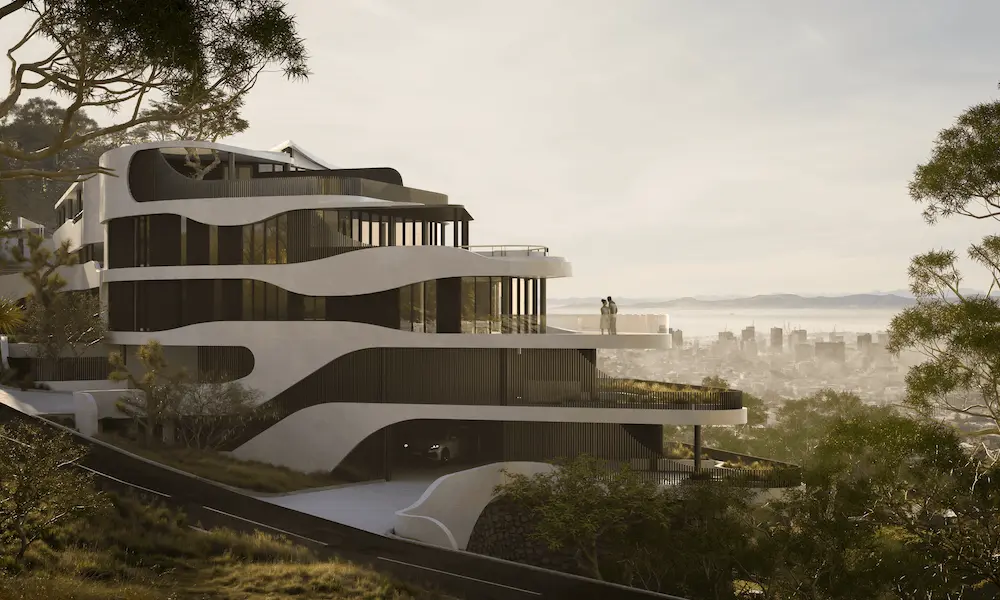
In competitive urban markets, timing matters. Architectural rendering Los Angeles teams use visuals to accelerate decision-making because a rendering can make scale, mood, and design intent immediately understandable in ways plans alone often cannot. That speed has business value. It helps reduce ambiguity in meetings, improves investor communication, and gives sales and marketing teams something concrete to work with before a space exists physically. Similar pressures shape 3D rendering projects in Chicago as well, although the architectural language, buyer expectations, and development context are not exactly the same.
That speed has business value. It helps reduce ambiguity in meetings, improves investor communication, and gives sales and marketing teams something concrete to work with before a space exists physically.
Why Generic Visuals Often Fail in LAWhy Generic Visuals Often Fail in LA
Generic CGI often breaks down in Los Angeles because the market is visually sensitive. Buyers, developers, and design teams notice when lighting feels artificial, materials feel vague, or the scene has no real connection to the project’s audience.
Strong architectural visualization 3D work in this market depends on mood, sunlight logic, credible surfaces, and a sense of lifestyle relevance. A rendering becomes more persuasive when it feels grounded in the way people expect space to be experienced in Southern California rather than in an abstract digital setting.
Where 3D Rendering Is Used Across Los Angeles ProjectsWhere 3D Rendering Is Used Across Los Angeles Projects
Rendering is used across a wide range of project types, from private homes to large commercial developments. In each case, the goal is slightly different. Teams use visuals for different purposes. Some rely on them during approvals, while others use them in sales and presentation materials that help outside audiences grasp the project’s value quickly.
That is why real estate rendering and commercial architectural rendering should be understood as practical tools, not just visual outputs. The strongest use of rendering depends on project type, audience, and timing.
Residential and House Rendering for Private Homes and DevelopmentsResidential and House Rendering for Private Homes and Developments
Residential work covers a wide spectrum in Los Angeles, from custom homes and speculative builds to larger luxury residences and boutique developments. Residential rendering services help show more than form. They reveal material direction, landscaping, indoor-outdoor relationships, and the overall mood the project is meant to create.
That is also why house rendering services are valuable even for smaller-scale projects. When a residence is design-led or entering a competitive price bracket, visuals can help owners, buyers, and consultants understand the design with much more confidence than line drawings alone.

Commercial and Mixed-Use Visualization
Commercial projects tend to need a different kind of explanation. Offices, retail environments, hospitality spaces, and mixed-use properties must communicate public experience, tenant appeal, and the relationship between architecture and circulation. In that setting, commercial architectural 3D rendering helps make scale and usability easier to grasp.
It also helps teams explain a project to people who are evaluating business potential rather than design detail alone. A clear image can show frontage, arrival, shared space, and brand tone in a way that supports leasing, investment, or stakeholder review.
Real Estate Marketing and Pre-Sales CampaignsReal Estate Marketing and Pre-Sales Campaigns
Off-plan marketing depends heavily on imagery because the product is still future-facing. Real estate rendering gives brokers, developers, and marketers a way to present something tangible before completion, especially when they need launch materials to carry both emotional and commercial weight.
In Los Angeles, renderings often feed directly into brochures, landing pages, digital listings, investor decks, and campaign assets. They are not filler visuals. They function as sales tools that help shape first impressions and set expectations.
Types of 3D Rendering Services Los Angeles Teams UseTypes of 3D Rendering Services Los Angeles Teams Use
Many clients speak about rendering as if it were one deliverable, but in practice it is a family of formats. Teams looking for 3D rendering services Los Angeles often need a mix of outputs depending on who the visuals are for and which phase the project is in. The right choice is about fit, not volume.
That is where architectural 3D visualization services become more strategic. Exterior views, interior scenes, plans, and motion assets solve different communication problems and should be selected with a clear purpose.
Exterior Renderings for Context, Massing, and Curb AppealExterior Renderings for Context, Massing, and Curb Appeal
Exterior views are usually the first step when a project needs to show siting, massing, streetscape presence, or curb appeal. Exterior 3D rendering services are especially useful when a team needs to explain how a building fits into its setting and how the design will be perceived from key viewpoints.
They are also common in investor decks, approval materials, and marketing packages. A strong exterior image can communicate architecture and context at the same time, which is often critical in Los Angeles developments where surroundings influence value and perception.
Interior Visuals for Atmosphere and Material PerceptionInterior Visuals for Atmosphere and Material Perception
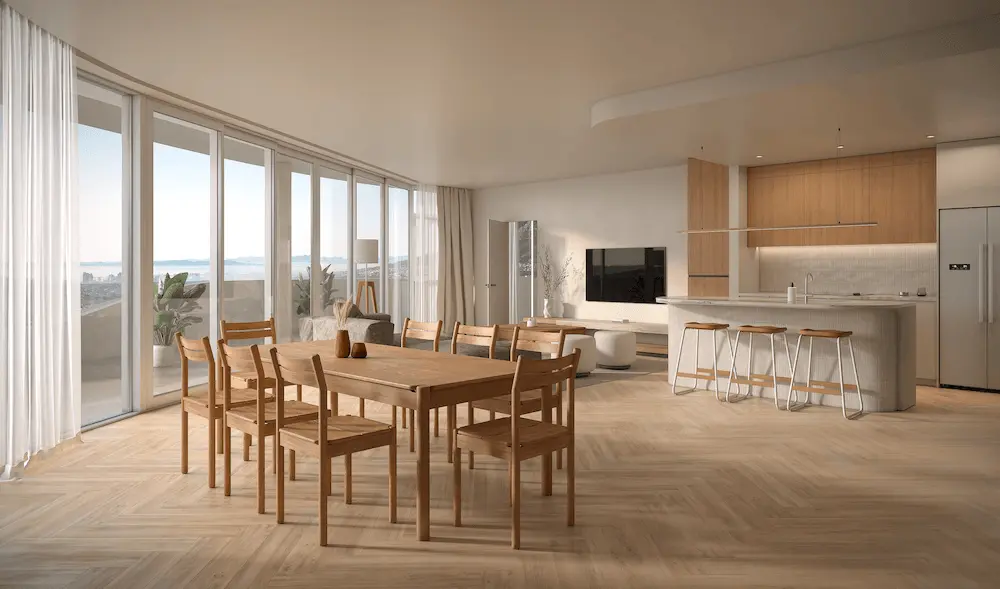
Interior scenes do a different job. They help viewers understand atmosphere, design intent, and material logic at a more human scale. Interior design rendering services are especially important for hospitality, workplace, and residential projects where emotional response influences decision-making.
For many design-led projects, 3D interior rendering in Los Angeles helps align decisions before procurement or build-out begins. It gives teams a more immediate way to evaluate finishes, furniture direction, lighting character, and the overall experience of the space than schedules or boards alone can provide.

Floor Plans, Animation, and Expanded Presentation Tools
Some projects need more than still images. A floor plan rendering service can make layout logic easier to read for buyers and non-technical stakeholders, especially when a standard plan feels too abstract.
Animation becomes useful when circulation, sequencing, or project scale needs to be explained over time. These formats are most effective when they support a specific stage of the process rather than being added automatically as extras.
What Makes Architectural Rendering Effective in Los AngelesWhat Makes Architectural Rendering Effective in Los Angeles
A convincing image is not defined by photorealism alone. In this market, architectural rendering Los Angeles work is most effective when it combines atmosphere with accuracy and commercial relevance. It should help the viewer understand both the design and the opportunity.
That is why strong architectural 3D modeling balances context sensitivity, light behavior, material credibility, and audience expectations. A beautiful image that does not reflect the actual project or target market may still fail in practical terms.
Context, Lifestyle, and Local ExpectationsContext, Lifestyle, and Local Expectations
Many LA projects need stronger storytelling than projects in less image-conscious regions. Los Angeles rendering often works best when it captures sunlight, landscape relationships, outdoor living cues, and the way the building sits within its broader environment. That local specificity matters just as much in other design-sensitive markets such as 3D rendering in San Francisco, where context, lifestyle expectations, and architectural setting also shape how visuals are judged.
This doesn’t mean adding common lifestyle details just for decoration. It means making the scene feel specific enough that a buyer, investor, or stakeholder can imagine the project as part of a real local setting rather than a generic digital composition.
Why Technical Accuracy Still Matters
The atmosphere matters, but so does discipline. Architectural visualization 3D work becomes weak when proportions feel off, layouts conflict with the actual design, or material transitions ignore construction logic.
That kind of mismatch erodes trust quickly. In serious architecture and design workflows, visual quality has to support architectural credibility rather than distract from it.
What Affects the Cost and Timeline of 3D Rendering in Los AngelesWhat Affects the Cost and Timeline of 3D Rendering in Los Angeles
Price and timing vary widely because rendering scope can vary widely. A single image for an early concept review is very different from a full marketing package with multiple exteriors, interiors, plans, and motion assets. That is why 3D rendering services Los Angeles should always be assessed by scope before price is discussed in isolation.
For a deeper breakdown, point to a dedicated article on 3D rendering cost factors. Even at a high level, it is useful to know what changes the budget and affects delivery speed in real terms.
Scope, Complexity, and Input QualityScope, Complexity, and Input Quality
The biggest pricing variables are usually the number of views, the level of detail, modeling complexity, landscaping requirements, and the amount of furniture or styling needed. A simple exterior from clear source files is one type of task. A fully furnished, context-rich marketing image is another.
Input quality also matters. Clean CAD, SketchUp, or Revit files, along with solid references, reduce interpretation time and lower production friction. Weak or incomplete inputs usually increase both timeline risk and revision pressure.

Revisions, Deadlines, and Deliverable Mix
Revision rounds directly affect cost because they extend production and often require updates across multiple assets. Urgent deadlines can also change pricing when a team needs priority scheduling or compressed turnaround.
Bundled deliverables create another layer of scope. Image sets, animation, and plan graphics can work well together, but only when the brief is clear early. Strong upfront alignment usually reduces both budget creep and schedule instability.
How to Evaluate Rendering Companies in LA Without GuessworkHow to Evaluate Rendering Companies in LA Without Guesswork
Choosing a visualization partner should be less about broad claims and more about fit. There are many rendering companies LA teams can consider, but the best option depends on project type, audience, workflow, and the level of architectural understanding required.
A capable CGI rendering company should show more than surface-level polish. It should demonstrate consistent process, realistic turnaround expectations, clear communication, and an understanding of how visuals support commercial goals.
What to Look for in a 3D Render StudioWhat to Look for in a 3D Render Studio
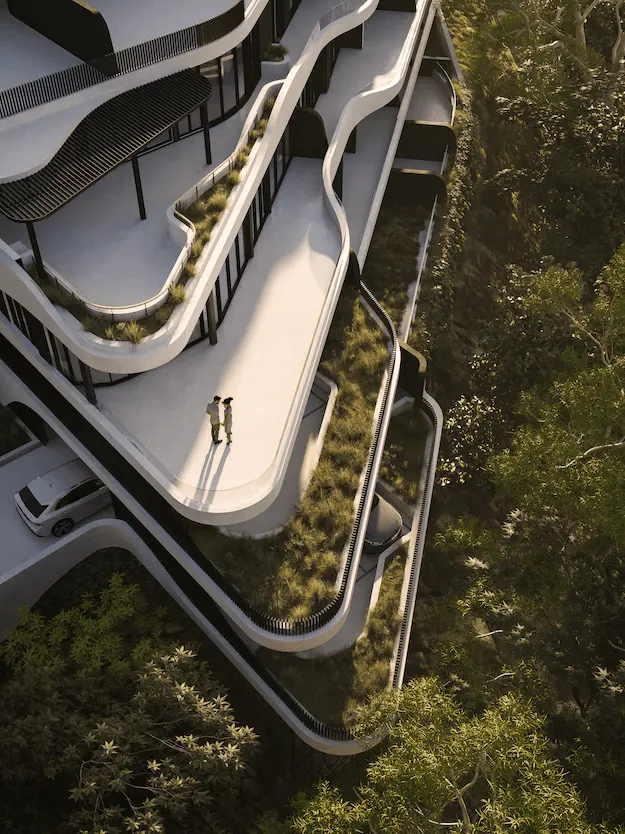
A good 3D render studio should be judged on relevant portfolio examples, not only on isolated hero images. Teams should look at consistency across multiple projects, how well the studio handles context, and whether the work reflects actual use cases similar to their own.
It is also worth assessing communication quality early. A studio that asks smart questions about audience, stage, and deliverables is usually more reliable than one that only focuses on producing attractive images fast.
Why Portfolio Fit Matters More Than Generic Quality
Not all project categories should be measured by the same visual standard. Hospitality imagery may need a different atmosphere than multifamily pre-sales visuals or entitlement materials. That is why architectural 3D visualization services should be evaluated by use-case fit, not just by generic beauty.
A portfolio can be visually strong and still be wrong for the job. The more closely the imagery aligns with the commercial and architectural demands of the actual project, the more useful the partnership is likely to be.
Common Mistakes in Architectural Visualization for LA ProjectsCommon Mistakes in Architectural Visualization for LA Projects
Many weak visuals fail for reasons that are subtle but important. Sometimes the image is polished yet generic. Sometimes it looks expensive but does not clarify the architecture, the experience, or the project’s market position.
That is a common issue in architectural rendering Los Angeles work when style takes priority over communication.
Los Angeles projects usually need visuals that persuade specific audiences. When mood, context, and design logic fall out of balance, the image may still look refined while doing very little actual work.
When a Render Looks Expensive but Says NothingWhen a Render Looks Expensive but Says Nothing
A high-end finish does not guarantee clarity. Some renderings rely too heavily on atmosphere, dramatic color grading, or decorative staging without explaining why the project matters or how the space actually functions.
That creates a problem in presentations and sales settings. Viewers may remember the image, but they leave without a stronger understanding of the development, product, or offer.
When Visual Style Overrides Project Logic
Another frequent mistake is pushing style beyond what the architecture can support. That can mean unrealistic lighting, exaggerated dimensions, vague material decisions, or a mood that does not match the project stage or target buyer.
The result is a visual that feels disconnected from reality. In LA, where expectations are high, that kind of mismatch can weaken credibility rather than elevate it.

Turn Ideas Into Visual Stories
Frequently Asked Questions
3D rendering Los Angeles projects use visualization to support far more than design presentation. It helps teams align stakeholders, explain proposals to investors, market developments before completion, and create sales assets for listings or launches. In a competitive market, renderings reduce uncertainty by making a future project easier to understand, compare, and evaluate across architecture, development, and real estate workflows.
3D rendering is a broad term for producing visual images from a digital model. Architectural rendering Los Angeles usually refers more specifically to visuals created for buildings, interiors, developments, and real estate presentations. The difference is partly about context. Architectural rendering needs to reflect design intent, material logic, scale, and audience expectations in ways that general 3D imagery often does not.
Real estate rendering is especially valuable for off-plan residential developments, multifamily projects, mixed-use properties, hospitality launches, and high-end custom homes entering the market before completion. It helps sales and marketing teams present a future product in a persuasive way. Projects with premium positioning, competitive listings, or investor-facing materials usually benefit the most because visuals directly influence perceived value and buyer confidence.
Exterior 3D rendering services are most useful when teams need to show siting, massing, curb appeal, and how a building fits into its environment. Interior design rendering services are more important when the decision depends on atmosphere, material perception, lighting, and user experience. Many projects need both, but the right priority depends on whether the key question is about architectural presence or spatial experience.
Yes, especially when the design is custom, the budget is significant, or the property will be marketed before completion. Residential rendering services help owners, architects, and buyers understand architecture, finishes, landscaping, and overall mood with much more clarity. They are particularly useful for luxury homes, speculative builds, and design-led residences where presentation quality can shape decisions early and support stronger market positioning.
A floor plan rendering service remains useful because many stakeholders still need to understand layout quickly, even when hero images are strong. Rendered plans make circulation, room relationships, and functional logic easier to read for non-technical audiences. They work especially well in brochures, sales packages, and investor materials where viewers need both emotional appeal and practical clarity in the same presentation.
Start by reviewing portfolio relevance before overall polish. Among rendering companies LA offers, the best partner is usually the one with experience closest to your project type, audience, and deliverable needs. Check consistency, architectural fluency, communication quality, revision process, and turnaround realism. A strong studio should understand not just how to make attractive images, but how those visuals need to function in business terms.
From 3D rendering services Los Angeles, expect a process that begins with scope definition, source-file review, and discussion of audience and use case. Deliverables may include exterior views, interior scenes, plans, or animation depending on project goals. You should also expect clear revision structure, realistic timelines, and questions about architecture, context, and presentation intent rather than a simple promise of photorealistic images.