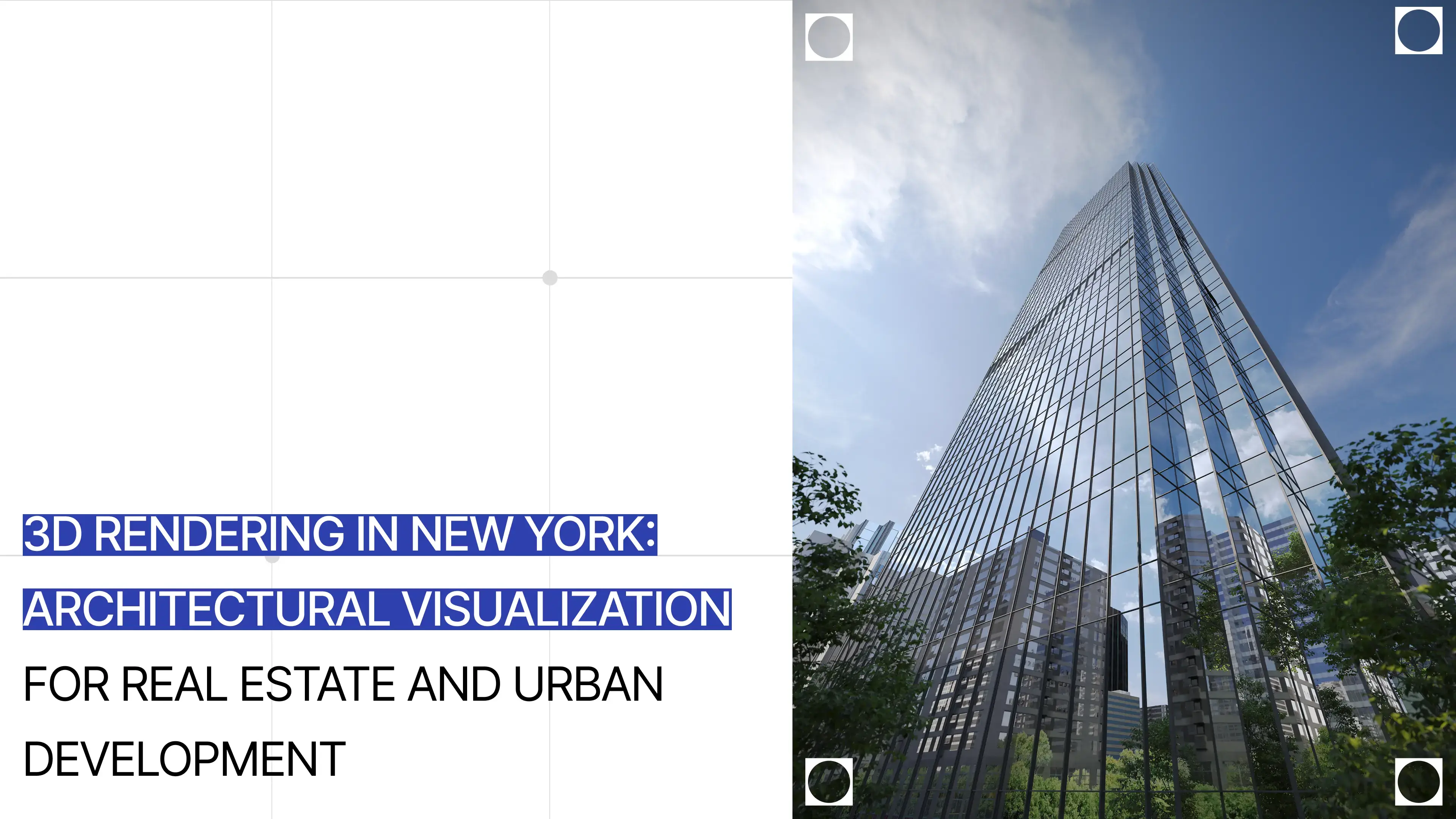
In New York City, there’s a simple rule: if you can’t visualize a project, you can’t sell it.
With land trading for $1,200 per square foot in prime Manhattan districts and zoning approvals sometimes stalling projects for years, 3D rendering has evolved from a presentation tool into a strategic asset.
Developers use photorealistic visualizations to secure investor commitments before breaking ground. Architects rely on them to navigate complex regulatory reviews. Marketers generate pre-sales with 3D renderings in saturated neighborhoods.
With an average population density of 27,000 people per square mile in Manhattan, every new structure must justify its economic, visual, and social footprint.
This environment demands more than generic renders. It requires New York 3D architectural renderings that understand shadow corridors, historic district constraints, and the emotional triggers that motivate ultra-high-net-worth buyers.
For property developers operating in this high-stakes arena, partnering with an experienced architectural visualization company means the difference between a project that moves forward and one that stalls in committee rooms.
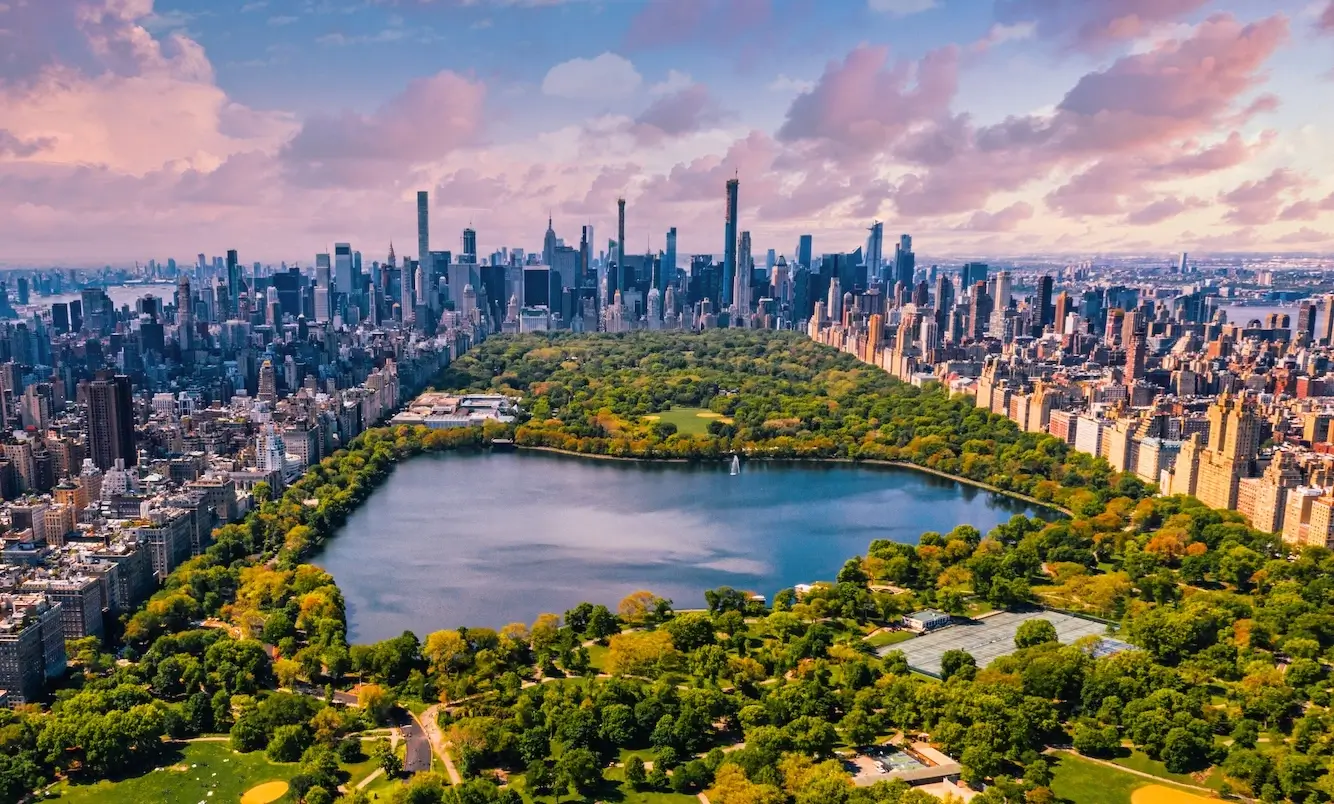
Where 3D Rendering Is Used in New York Development
The application of 3D rendering in NYC spans the entire development lifecycle, from the initial pitch to the final sale. Unlike in other markets, where visualization primarily serves as marketing decoration, New York’s regulatory complexity and capital intensity make 3D rendering indispensable at every stage. For example, developers commission renders before securing land to model feasibility under zoning constraints. Architects submit visualizations to the Landmarks Preservation Commission to demonstrate contextual sensitivity. Sales teams use immersive walkthroughs to close contracts on units that won’t be available for 36 months. This multi-phase utility transforms rendering from a cost center into a risk-mitigation tool that accelerates timelines and reduces capital deployment costs in the city’s most competitive real estate sectors.
Real Estate Development and MarketingReal Estate Development and Marketing
Pre-construction sales dominate the residential real estate market in New York. 70-90% of luxury condominium units are sold before completion. This model relies on real estate renderings to inspire confidence in buyers regarding unbuilt assets. Successful campaigns visualize lifestyles. They depict morning light filtering through floor-to-ceiling windows in a Tribeca loft, evening views of the Hudson River from a West Chelsea balcony, and the texture of oak flooring. These visuals serve as the primary sales tool when physical showrooms don’t yet exist, directly impacting conversion rates and pricing power. Developers who invest in atmospheric, emotionally resonant renderings can achieve premium pricing and faster absorption than those who rely on technical blueprints or generic visualizations.
Commercial Architecture and Retail SpacesCommercial Architecture and Retail Spaces
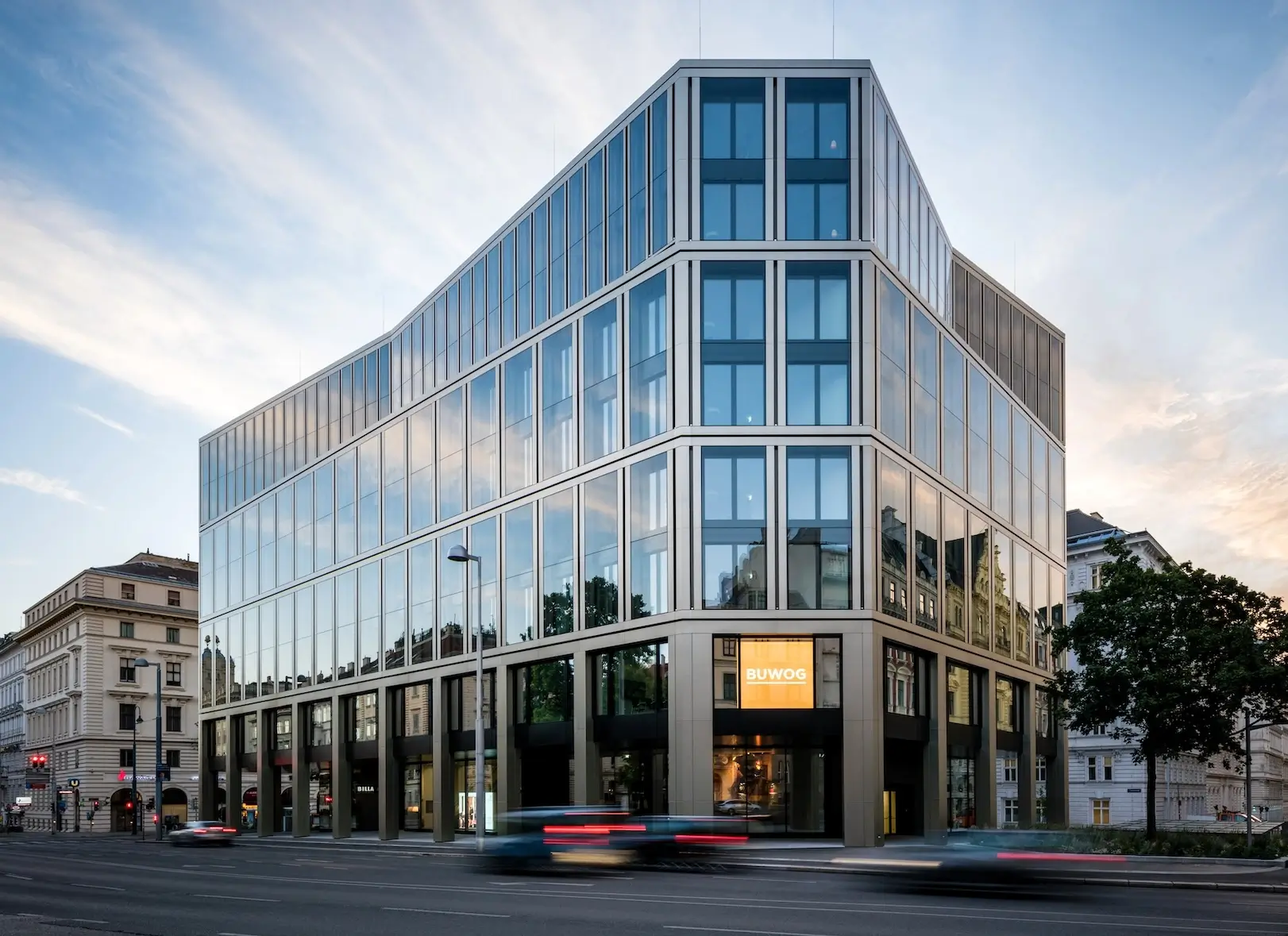
Commercial architectural rendering services in New York can communicate brand identity and functional intelligence. Flagship retail spaces on Fifth Avenue require renderings that demonstrate customer flow, sightlines to key merchandise, and integration with historic facades. Office developments in Hudson Yards require visualizations that show daylight penetration across deep floor plates and demonstrate how amenities justify premium rents. Mixed-use projects present the added challenge of balancing residential privacy with commercial activity. This obstacle can be overcome by using strategic camera placement and lighting to illustrate the symbiotic relationships between the different uses, rather than visual conflict.
Residential Architecture and Urban Housing
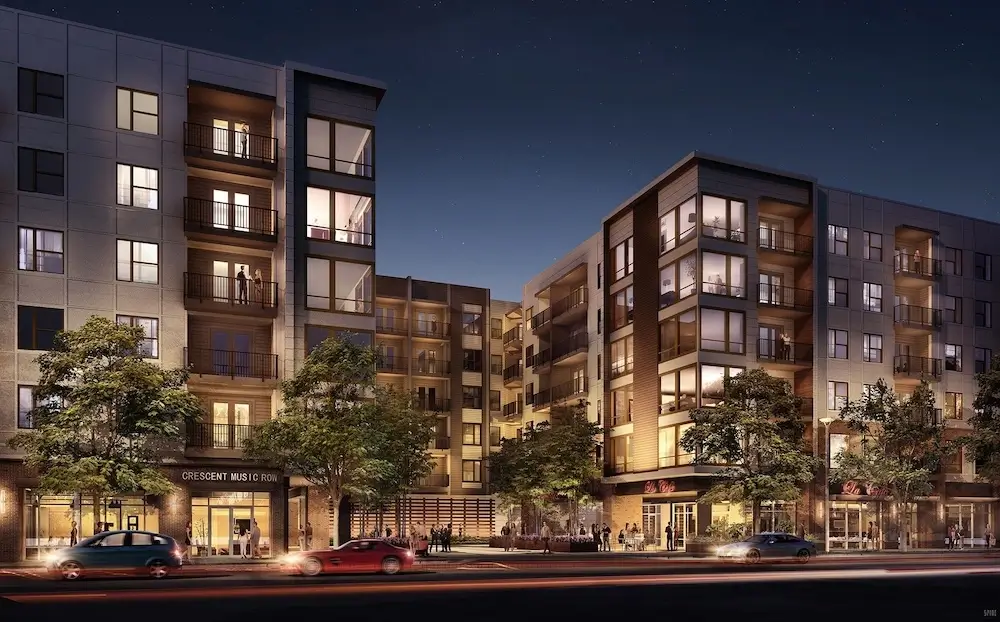
From the boutique walk-ups of Greenwich Village to the supertall towers of Billionaires’ Row, architecture rendering services adapt to New York’s diverse residential landscape. The key differentiator isn’t technical fidelity, but contextual intelligence. Renders for historic districts show how materials can be compatible with neighboring structures without replicating period details. High-rise visualizations show how massing can comply with setback requirements while maximizing views. Affordable housing projects use renderings to garner community support by depicting integration with the neighborhood rather than institutional isolation. Studios that understand New York demonstrate this contextual awareness, setting themselves apart from those that apply generic templates.
Urban Planning and Master Plans
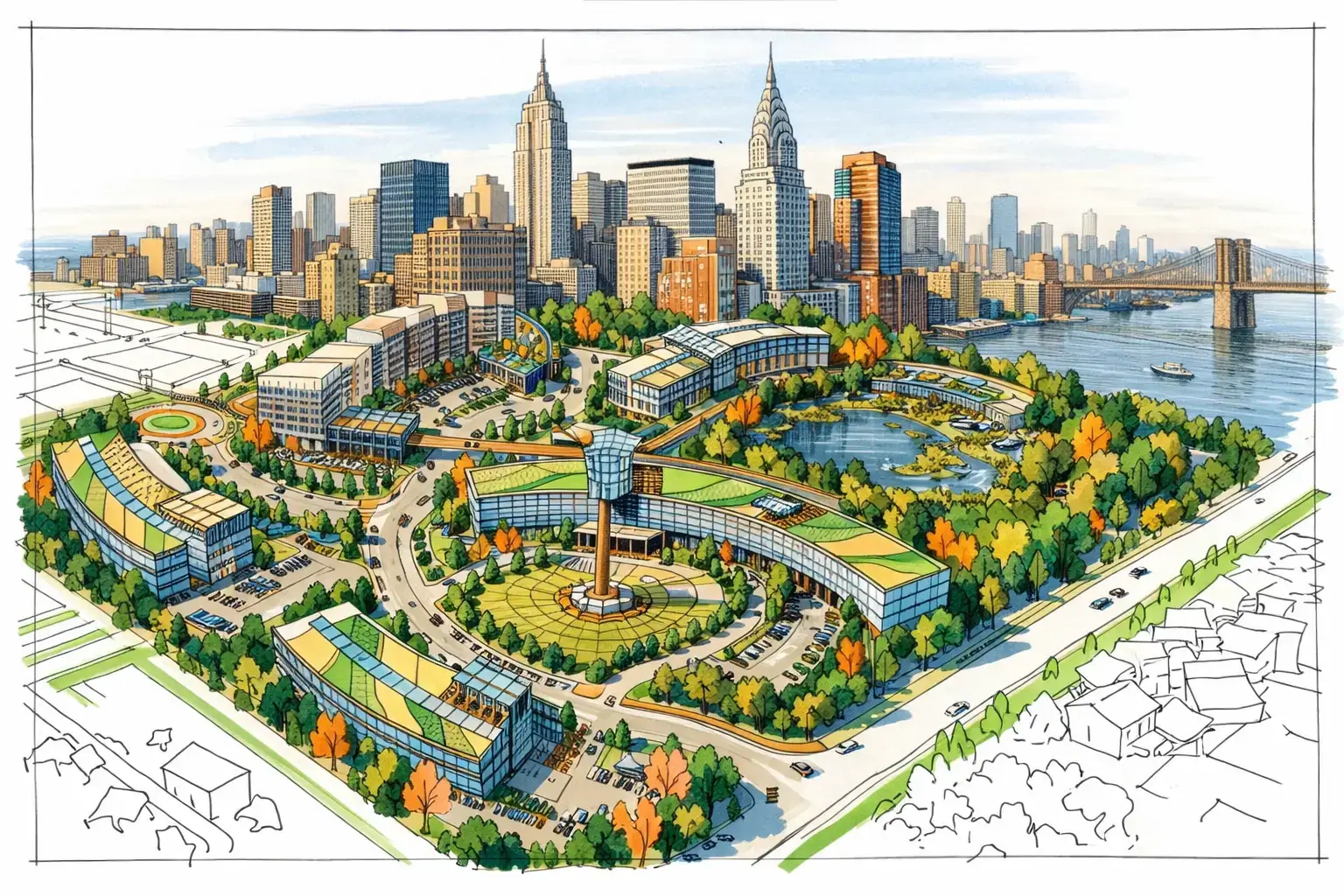
Large-scale developments, such as Hudson Yards and the Brooklyn Navy Yard transformation, require exterior 3D rendering services to communicate their urban impact. These visualizations must balance architectural ambition with public benefit, showing pedestrian pathways, green space integration, transit connections, and shadow impact on surrounding parks. City agencies increasingly require renders that demonstrate compliance with sustainability mandates and community benefits agreements. Studios that excel at this level don’t just showcase buildings. They visualize ecosystems in which architecture serves the public.
3 NYC-Specific Visualization Challenges Most Studios Get Wrong
Many rendering studios use workflows that are effective elsewhere but not in New York. The city’s regulatory environment, historic fabric, and density present three NYC-specific challenges to visualizing projects, distinguishing experienced architectural rendering firms from newcomers.
Shadow Analysis for NYC Zoning ApprovalShadow Analysis for NYC Zoning Approval
New York’s zoning resolution includes strict shadow restrictions designed to protect public plazas and parks. These requirements often catch studios that are unfamiliar with local regulations off guard. The Towers on the Park controversy, for example, demonstrated how shadow impact can derail billion-dollar projects during the public review process. An effective New York 3D architectural rendering service integrates solar path analysis directly into visualizations. These images show not just beautiful towers, but also their shadow footprints at different times of day and across seasons. Developers who submit renders with accurate shadow studies to the City Planning Commission typically see their approval timelines reduced by 30–40% compared with those who require supplemental submissions. It’s not just an aesthetic choice, but a regulatory necessity that transforms visualization from a marketing tool into a compliance asset.
Historic District Compliance Without Fake AgingHistoric District Compliance Without Fake Aging
New York has 144 historic districts where new construction must blend in with existing buildings, though without copying period details. This nuance is often overlooked by design firms. The Landmarks Preservation Commission rejects proposals that apply artificial distressing or faux patina to new materials, prioritizing authenticity over imitation. Successful visualizations in these contexts demonstrate material honesty. Examples include new limestone with precise tooling that complements 19th-century buildings without copying them, and contemporary metalwork that references historic proportions but doesn’t replicate them. Studios that understand this distinction create renders that secure first-pass approvals. In contrast, 3D rendering firms that apply generic historic filters trigger costly revision cycles that delay projects by months.
Public Hearing Visuals That Show Neighbor ImpactPublic Hearing Visuals That Show Neighbor Impact
New York’s public review process requires developers to demonstrate the impact of their projects on neighboring properties. This is a requirement that most studios fail to adequately address. During community board hearings, generic hero shots that show only the proposed building from flattering angles are rejected. Effective visualizations include sightlines from neighboring windows, shadow studies of adjacent parks, and scale comparisons showing how the project relates to surrounding structures. These unflattering perspectives build trust with community boards and accelerate approvals by demonstrating transparency. Developers who invest in this comprehensive visualization approach typically navigate the public review process 25% faster than those who submit only promotional imagery.
Why Architectural Visualization Is Essential in New YorkWhy Architectural Visualization Is Essential in New York
The business case for 3D rendering in New York goes beyond aesthetics to include risk mitigation and capital efficiency. In a market where construction delays cost major projects between $50,000 and $200,000 per day, visualization pays for itself by accelerating approvals and sales velocity.
Communicating Complex Architectural ConceptsCommunicating Complex Architectural Concepts
New York projects often involve complex geometries in response to irregularly shaped plots of land, air rights transfers, and transit easements. Two-dimensional plans cannot convey how these constraints are resolved spatially. Photorealistic visualizations translate technical complexity into intuitive understanding for non-architect stakeholders. These stakeholders include investors assessing feasibility, city planners evaluating compliance, and buyers imagining life within the space. Photorealistic visualizations reduce miscommunication, which can lead to costly mid-construction changes.
Securing Investment and Project FundingSecuring Investment and Project Funding
Institutional investors and family offices allocate capital based on confidence in execution rather than conceptual promise. New York 3D architectural renderings provide the visual proof necessary to secure debt financing and equity commitments. Lenders increasingly require photorealistic visualizations as part of funding packages to evaluate marketability and mitigate risk. Projects with comprehensive visualization packages typically secure financing 20–30% faster than counterparts relying on technical drawings alone.
Reducing Development RisksReducing Development Risks
Visualization identifies design conflicts before construction begins, such as clashes between materials, awkward spatial relationships, and lighting failures. These issues would otherwise require expensive on-site corrections. For a $150 million condominium tower, identifying a major flaw during visualization rather than after construction can save $2–5 million in change orders. This risk-reduction function transforms high-quality rendering from an expense into insurance against far costlier errors.
Competing in a High-Value Real Estate MarketCompeting in a High-Value Real Estate Market
New York buyers have unprecedented access to information, enabling them to compare properties across neighborhoods and price ranges. In this environment, generic renderings are ineffective. Projects that invest in atmospheric visualizations showing how views unfold from key vantage points can command a 5–12% pricing premium over comparable properties with standard visuals. For a $3 million unit, this translates to an additional $150,000–$360,000 in revenue per sale.
Types of 3D Rendering Services Offered in New YorkTypes of 3D Rendering Services Offered in New York
The complexity of New York’s development demands the specialized capabilities of a studio that goes beyond basic visualization. Leading studios offer tiered services that match project phase and stakeholder needs.
Exterior Architectural VisualizationExterior Architectural Visualization
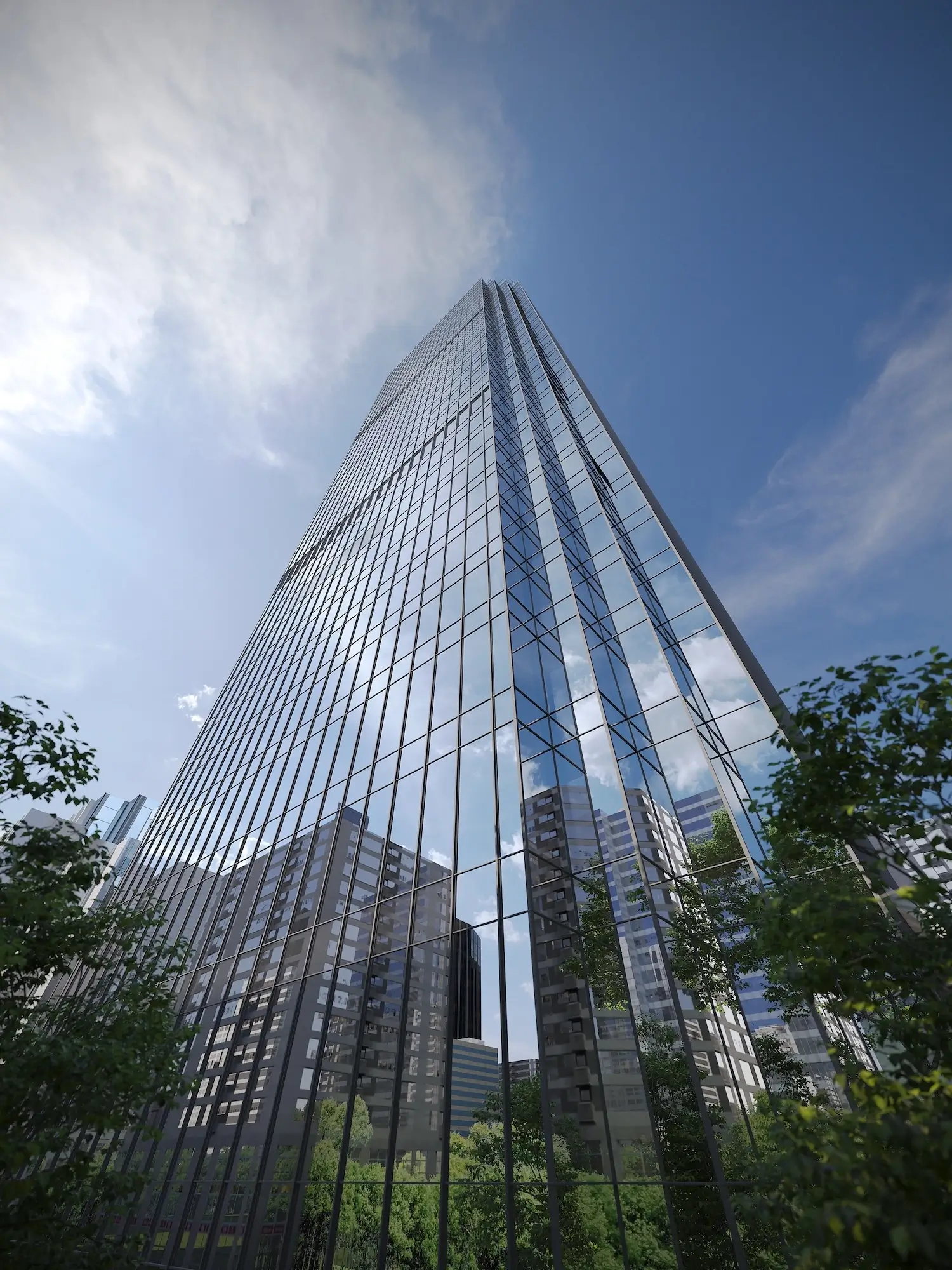
The early phase of development is dominated by exterior 3D rendering services, which demonstrate massing, materiality, and contextual integration. New York-specific expertise includes accurately representing neighborhood scale, shadow behavior under the city’s canyon-like street geometry, and material performance under its variable lighting conditions. The best studios calibrate renders to show how facades appear at street level because that’s where the human experience occurs.
Interior Architectural Rendering
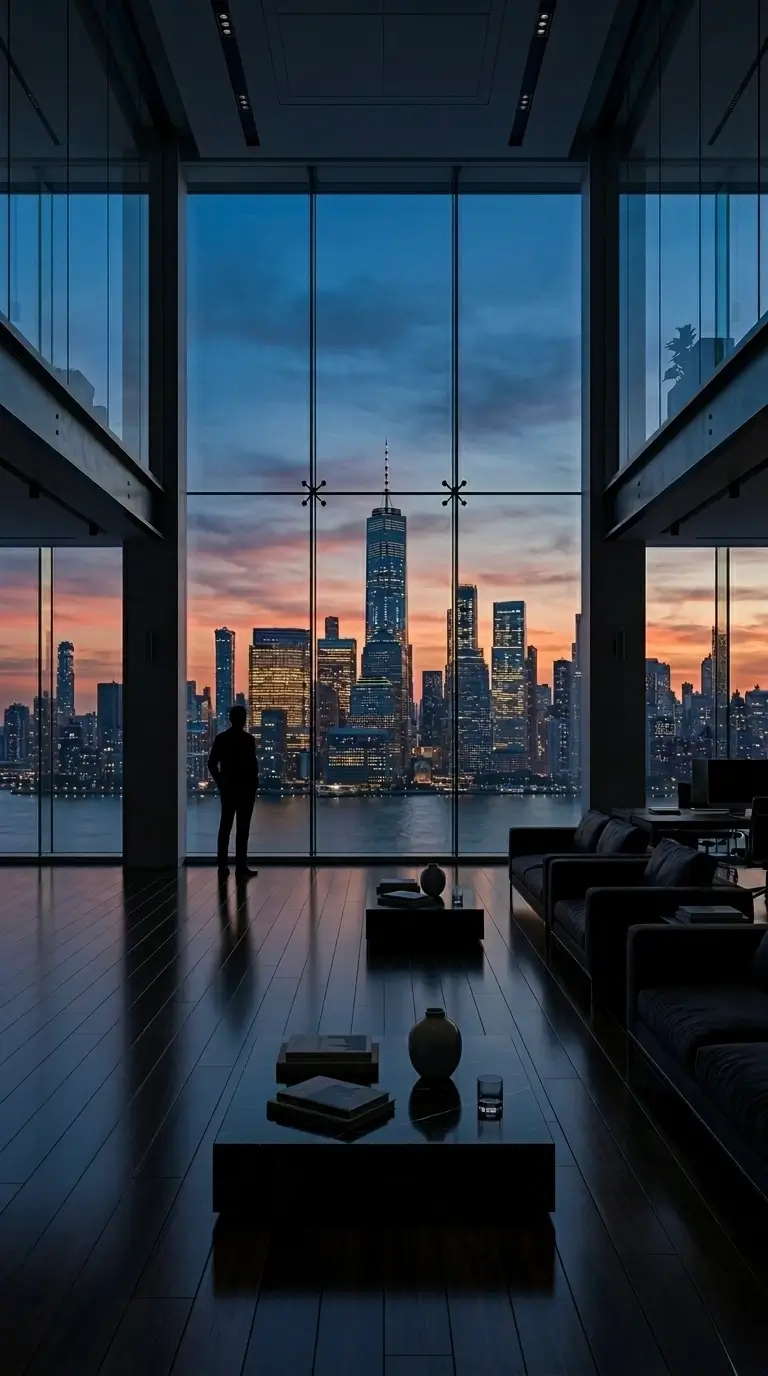
Architecture rendering services for interiors focus on material authenticity and atmospheric storytelling. New York buyers are exceptionally thorough when scrutinizing finishes. They can instantly recognize generic material libraries. Top studios build custom material libraries using physical samples provided by developers. These 3D rendering firms scan stone slabs, photograph wood grains under controlled lighting, and match fabric weaves to ensure the renders feel authentic rather than idealized.
3D Floor Plan Rendering for Real Estate
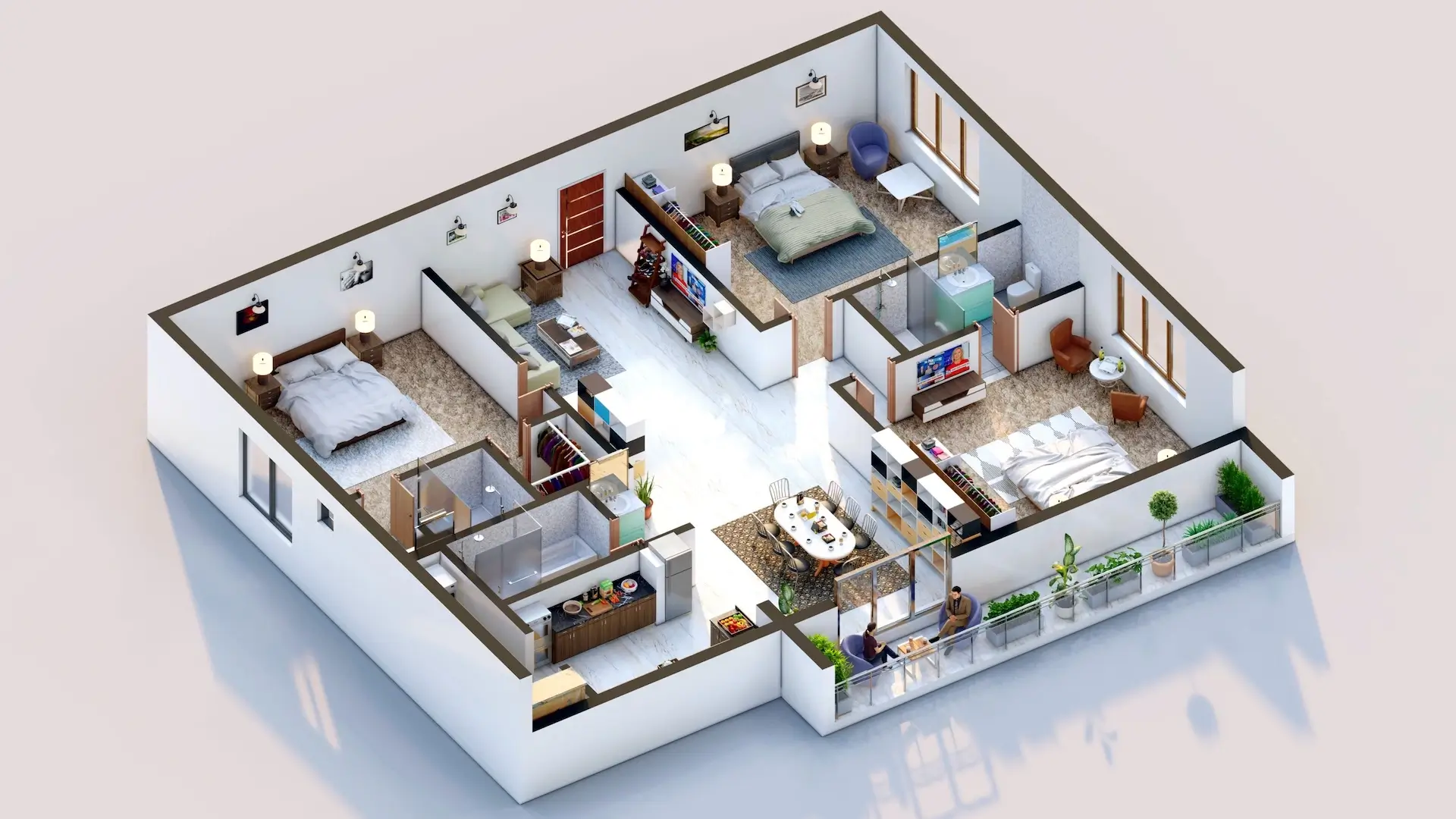
A 3D floor plan rendering in NYC transforms an abstract layout into a spatially intuitive diagram. These visualizations demonstrate the flow between rooms, the scale of furniture, and sightlines, all of which are difficult to convey in flat plans. For pre-construction sales, they empower buyers to make informed spatial decisions before construction begins, reducing dissatisfaction and change requests after completion.
Photorealistic Marketing Visualizations
Real estate renderings intended for marketing purposes require multi-format optimization. These assets must look great as Instagram squares, website hero images, print brochure spreads, and 40-foot billboard graphics. Leading studios deliver master files with safe zones and resolution flexibility. This eliminates the need for costly reformatting when campaigns shift channels mid-cycle.
Cost of 3D Rendering Services in New YorkCost of 3D Rendering Services in New York
Pricing for 3D rendering in New York depends on project complexity rather than simple per-image formulas. For example, a 50-unit condominium project may require 35–50 assets, including exterior views, variations of the units, amenity spaces, and multi-format adaptations. Comprehensive packages for such projects usually cost between $18,000 and $35,000. Commercial projects with complex facade systems or historic compliance requirements incur additional costs of 25–40%. Delivering in seven days versus 21 days increases base pricing by 30–50%. The most significant cost driver is not technical execution but rather revision cycles. Projects with clear art direction and a single decision-maker are completed 40% faster and 25% under budget compared to projects with fragmented stakeholder input.
How to Avoid Costly Mistakes When Hiring a 3D Rendering Studio in NYCHow to Avoid Costly Mistakes When Hiring a 3D Rendering Studio in NYC
Choosing the wrong rendering company in NYC can lead to various problems, such as delayed approvals, rejected submissions, buyer hesitation, and rework expenses that exceed initial savings by far. Three mistakes can undermine project success.
Portfolio Quality and Architectural AccuracyPortfolio Quality and Architectural Accuracy
When evaluating a 3D render company in New York, portfolio quality should be the first criterion. In addition to photorealism, review portfolios for contextual intelligence. Consider whether buildings are depicted within neighborhoods or appear to float in empty spaces. Assess the authenticity or idealization of materials and whether shadows behave according to physics or artistic convenience. These details reveal whether a studio understands New York’s visual language or relies on generic templates. Ask for examples of projects approved by NYC agencies to demonstrate regulatory competence beyond aesthetic skill.
Technical Expertise and Rendering WorkflowTechnical Expertise and Rendering Workflow
Leading 3D rendering firms use unified pipelines, where all assets derive from a single master scene. This approach enables rapid iteration, allowing you to change materials or lighting across all views simultaneously. In contrast, studios rebuild scenes per asset. Ask about revision workflows. Studios that charge per revision have misaligned incentives compared to those that include defined revision cycles in base pricing. Technical competence is evident in reliable delivery. Top studios meet deadlines 95% of the time, compared to an industry average of 70–75%.
Communication and Revisions ProcessCommunication and Revisions Process
New York projects require direct communication between developers and artists, free from the distortion of feedback caused by agency layers. The most efficient 3D rendering companies establish direct lines of communication between decision-makers and lead artists via Slack channels or similar platforms. This eliminates miscommunication that causes revision spirals. Clarify the scope of revisions upfront. Two rounds of adjustments should address substantive changes, not pixel-level nitpicking that extends timelines indefinitely.
Pricing Transparency and Delivery TimePricing Transparency and Delivery Time
Reputable rendering company partners offer fixed-scope quotes with clear deliverables rather than providing open-ended hourly estimates. Be wary of studios that offer prices 30–40% below market rate, as they often cut corners on material accuracy or outsource to offshore teams unfamiliar with the NYC context. Delivery timelines should be based on realistic production capacity. Promises of ten photorealistic renders in three days signal compromised quality or missed deadlines. The right 3D rendering agency balances speed with accuracy because in New York, a perfect render delivered late is better than a flawed one delivered on time.
Examples of 3D Rendering Projects in New YorkExamples of 3D Rendering Projects in New York
A Tribeca condominium conversion used atmospheric real estate renderings to showcase the Hudson River views that would be framed by the restored cast-iron facades. The images emphasized the building’s authentic materials, such as weathered brick, patinated metal, and oak flooring with visible grain. These renderings helped build buyer confidence in the quality of the preservation. 83% of the units were reserved within 60 days of the launch, at prices 12% higher than projected. Despite softening in the market, no discounts were required.
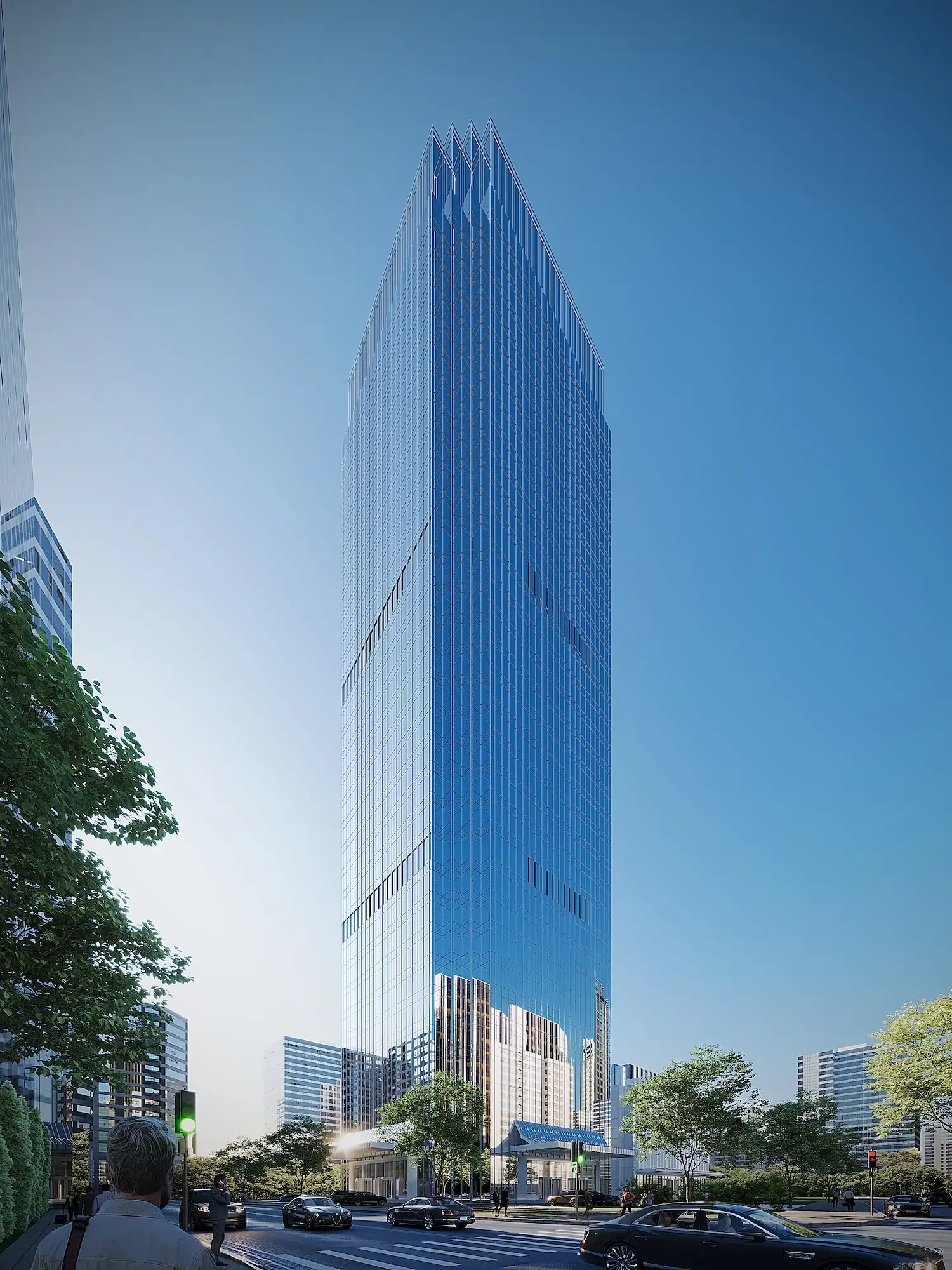
The exterior 3D rendering services of a mixed-use tower in Hudson Yards were required to demonstrate compliance with shadow restrictions protecting the High Line. Using solar path analysis, the studio integrated shadow footprints across seasons directly into the visualization. This regulatory-grade visualization sped up City Planning Commission approval by 34 days compared to the usual timeline. It enabled earlier financing drawdowns and saved an estimated $1.2 million in carrying costs.

Turn Ideas Into Visual Stories
Frequently Asked Questions
Beyond aesthetic presentation, 3D Rendering NYC serves three critical functions. First, it facilitates regulatory compliance by visualizing shadow impacts, historic district compatibility, and neighbor effects, which are required for agency approvals. Second, it mitigates risk for investors by enabling them to evaluate projects before construction begins. Third, it accelerates sales velocity in pre-construction markets where buyers purchase based on visual confidence rather than physical assets. Unlike in markets where rendering primarily serves marketing purposes, New York’s complexity makes rendering indispensable throughout the entire development lifecycle, from zoning feasibility to final closing.
The timeline depends on the project’s scope and the complexity of the revisions rather than the asset count alone. A standard residential package, which includes 15–20 assets, typically requires 10–14 business days from art direction approval to final product delivery. Commercial projects with complex facade systems or regulatory requirements add 30–50% to the base timeline. The most significant factor affecting the timeline is not production speed but feedback cycles. Projects with single-point decision-makers and clear direction are completed 40% faster than those with fragmented stakeholder input. Reputable studios provide fixed delivery dates with a built-in buffer rather than optimistic estimates that inevitably slip.
Successful visualization requires more than just CAD files. Essential inputs include architectural drawings, material specifications, and photographs of the site context showing the neighborhood’s character. When possible, physical samples of materials should be provided. Clear art direction is also necessary to define the emotional tone, not just the technical requirements. For New York projects specifically, provide zoning diagrams showing height restrictions and setback requirements, as well as any feedback received from agencies on prior submissions. The more contextual intelligence provided upfront, the fewer revision cycles will be required later. Top studios conduct kickoff workshops to align on the visual strategy before 3D modeling begins. This investment saves significant time and money later on.
Rendering companies in NYC deliver comprehensive visualization packages that include exteriors, interiors, amenity spaces, and contextual integration. The key differentiator is not the breadth of capabilities, but rather, contextual continuity. This ensures interior materials relate logically to the exterior and lighting conditions remain consistent across asset types. Studios that treat interiors and exteriors as separate production streams often create visual dissonance, making spaces feel disconnected. The most effective approach is to use a unified master scene, where all assets derive from a single model. This guarantees consistent materials and lighting while enabling rapid iteration across the entire package.
Pricing for 3D rendering in New York is based on project complexity rather than per-image formulas. Mid-scale residential projects with 50–100 units usually cost $22,000–$45,000 for comprehensive packages including 40–60 assets such as exteriors, variations of units, amenity spaces, and multi-format adaptations. Commercial projects with complex facade systems or historic compliance requirements incur 25–40% surcharges. Timeline compression adds 30–50% to the base price. The most significant cost variable is not production fees but revision cycles. Projects with clear art direction tend to finish 25% under budget, while those requiring extensive rework often exceed it. Reputable studios provide fixed-scope quotes with defined deliverables rather than open-ended estimates that inevitably increase in cost.