3D rendering for property development has become a cross-functional tool. For modern projects, 3D visualization for real estate developers serves as a single visual foundation that supports design validation, stakeholder alignment, and go-to-market strategy. All of these elements are incorporated into a single visual workflow. From early concept reviews to investor pitches and planning submissions, 3D rendering ensures that everyone, from architects to city planners, operates from the same visual reference. The advantage of this is that it reduces ambiguity and accelerates project timelines.
The Role of 3D Rendering in Current Property Development ProcessThe Role of 3D Rendering in Current Property Development Process
3D rendering has gone from being just a presentation tool to a strategic asset that informs decisions at every stage of a property development project. From early design validation to planning submissions and pre-construction sales, 3D rendering is like a one-stop-shop for the truth, getting all the architects, investors, marketing teams, and regulatory bodies on the same page.
In the design phase, developers use 3D visualization to test spatial layouts, material choices, and how well the design fits into the city long before construction starts. This helps avoid costly revisions and makes sure the concept meets both functional and aesthetic goals. Early-stage property development visualization lets teams check out massing, orientation, and circulation without committing to structural engineering.
When you’re planning and getting approvals, photorealistic renders help show that you’re following the rules about height restrictions, sightlines, and heritage guidelines. This is really important in markets like London or Dubai, where even a small mistake can make or break your submission.
In marketing and sales, the same visuals are used to launch off-plan campaigns, generate buyer interest, and secure deposits months ahead of construction. Whether you’re a luxury buyer in Singapore or an institutional investor in Frankfurt, you can experience the outcome through high-quality renderings.
3D rendering is different from traditional drawings or physical models because it adapts smoothly across these stages without needing extra work. One model goes from internal review to public pitch to permit packages, saving time, reducing risk, and strengthening stakeholder confidence every step of the way.
Limitations of Traditional Property Development Visualization
High Costs and Late Design ChangesHigh Costs and Late Design Changes
Old-school ways of showing off a property, like physical models and detailed drawings, can cost a pretty penny. If changes are needed late in the design process, reworking these models can cost a lot and delay things even more. As the stakes go up, these unexpected expenses can mess with project budgets and timelines.
Lack of Realism in Drawings and Physical ModelsLack of Realism in Drawings and Physical Models
Blueprints and physical models are useful, but they often don’t show the final product accurately. Drawings can be abstract and may not show the scale, color, or materials accurately. Physical models are nice, but they’re static and don’t show how light, space, and materials interact in real life.
Communication Gaps Between StakeholdersCommunication Gaps Between Stakeholders
Property development is a team effort. It involves a lot of people, like architects, developers, investors, and regulatory bodies. Traditional visualizations often don’t facilitate effective communication among these groups. This can lead to misunderstandings about the design intent, project goals, and specifications, which can hinder collaboration.
Marketing Constraints Before ConstructionMarketing Constraints Before Construction
With traditional visualization methods, marketing efforts often start only once the project is well underway. This delay can make it tough to generate buzz and interest in potential buyers, which leads to missed opportunities. Early marketing is key to showing how interested people are and making sure you can sell the place before construction is finished.
Slower Decision-Making and ApprovalsSlower Decision-Making and Approvals
The usual way of doing things is pretty time-consuming, which can slow down decisions and approvals. It’s a pain because it takes forever to make and look over physical models and detailed drawings. Stakeholders might have to wait for projects to be approved, which can slow things down in a fast-paced market.
Key Benefits of 3D Rendering for Property DevelopmentKey Benefits of 3D Rendering for Property Development
Cost-Effective Design AdjustmentsCost-Effective Design Adjustments
3D rendering lets you make changes to your design quickly and cheaply. This allows developers to try out different options and improve their ideas without the cost of rebuilding physical models. Such adaptability is key for architectural visualization for property developers, where flexibility and speed directly impact feasibility and profitability.
Immersive and Photorealistic VisualizationImmersive and Photorealistic Visualization
With advanced rendering techniques, 3D visualization can create immersive, visually accurate images that showcase properties in their best light. These high-quality visuals let stakeholders and potential buyers experience spaces as if they were already built, increasing engagement and interest. This is especially important in 3D rendering for real estate, where first impressions directly impact buyer intent.
Property Marketing CGI for Pre-SalesProperty Marketing CGI for Pre-Sales
3D rendering helps kick off marketing efforts early by giving potential buyers a sneak peek of what to expect. Developers can show potential buyers their projects long before construction starts. That gets people excited, and it even helps them make sales early on, which can really give them more cash flow. As you can see, using property marketing CGI helps create a buzz and attracts early interest, especially when used as part of integrated CGI for property marketing campaigns targeting international buyers in competitive markets like Dubai or London.
Realism of Materials, Light, and ScaleRealism of Materials, Light, and Scale
One of the best things about 3D rendering is how well it can show materials, lighting, and how things are placed in space. This precision helps prevent problems after the sale, like when a buyer expects natural stone but gets a laminate finish. So, photorealistic previews are great for setting clear expectations, especially in luxury segments where material authenticity is key to perceived value.
Clear Communication Across TeamsClear Communication Across Teams
3D visual tools are a great way to help people who aren’t technically minded, like investors or community representatives, understand spatial logic, circulation, and compliance. This is great because you don’t need any kind of architectural training to use it. This way, you won’t have to make as many changes, and it’ll be easier to give feedback since you’ll have a shared visual example. So, this helps stakeholder communication in property development.
Faster Planning and Permit ApprovalsFaster Planning and Permit Approvals
Since 3D renderings are so detailed and clear, they can help speed up the planning phase and the permit approval process. In markets like London or Dubai, where planning authorities require context-aware imagery, developers often collaborate with leading 3D rendering companies in the UK to ensure submissions meet regulatory expectations and reduce approval cycles.
Choosing the Right 3D Deliverable for Your Development Goal
Off-Plan Property VisualizationOff-Plan Property Visualization
It’s a great way to show off your project when it’s still in the design phase or when you’re trying to win a contract. And don’t forget marketing! These visuals get people interested and excited before construction even starts, so potential buyers can picture the finished product in its environment and feel comfortable investing.
Pre-Construction Property VisualizationPre-Construction Property Visualization
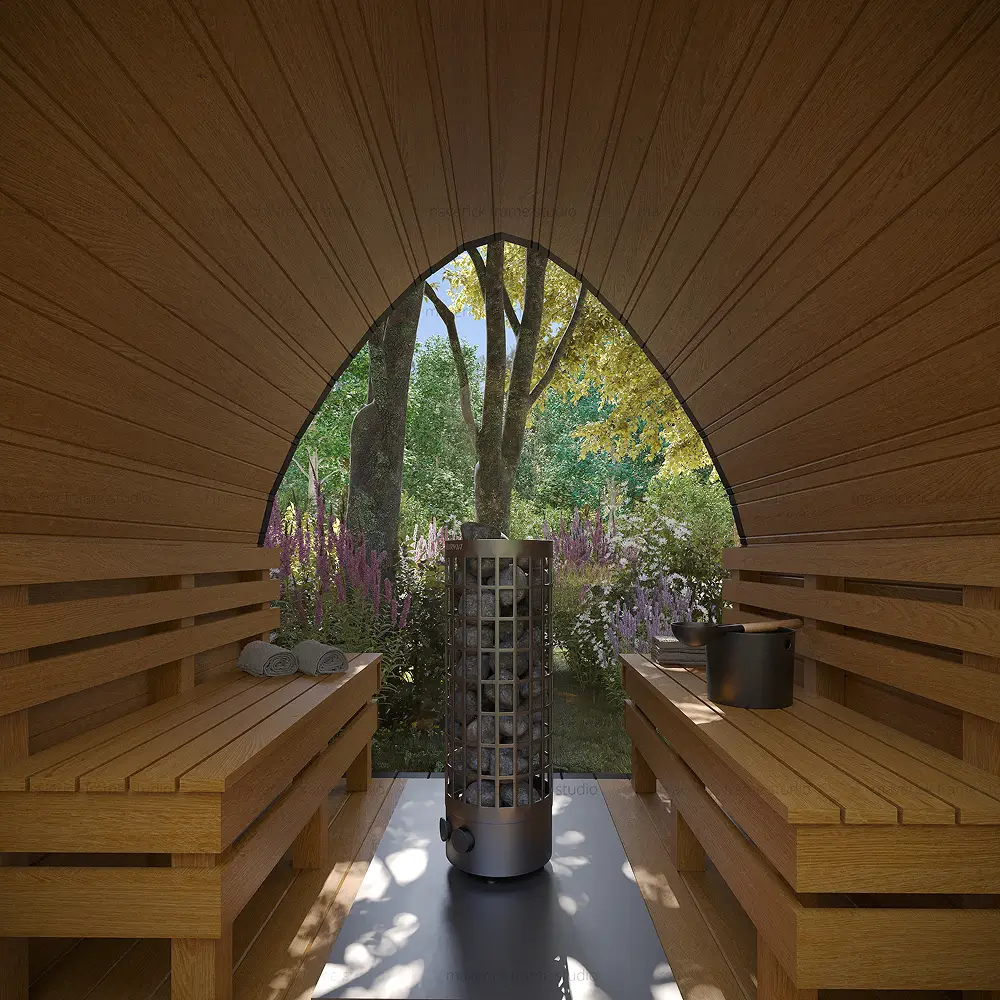
Pre-construction property visualization is important for design validation. It helps architects and designers figure out how spaces will function and feel. So, by tweaking interior designs to appeal to specific audiences, developers can create compelling narratives that resonate. For example, using minimalist Scandinavian styles in Stockholm or opulent finishes in Riyadh can speed up sales decisions and improve conversion rates.
Floor Plan and Spatial VisualizationFloor Plan and Spatial Visualization
These images show how the spaces are laid out, which makes it easy for everyone to understand how they’ll be used. Investors and tenants can work together more easily with these visual tools, which help reduce misunderstandings and make marketing less complicated. These tools also help potential buyers understand the overall design.
Virtual Tours for Remote Buyer EngagementVirtual Tours for Remote Buyer Engagement
They’ve become more popular, especially with clients who can’t be there in person. Virtual tours let users see spaces as if they were there in person, thanks to the immersive experience that goes beyond static visuals. This is especially important in luxury real estate, where creating an engaging and realistic representation of a property can have a big impact on the decision-making process.
3D Animation for Investor Presentations3D Animation for Investor Presentations
It’s a great tool for exhibitions and marketing campaigns. 3D animations are great for investor presentations because they can show how big a project is, how it’s moving, and the vibe of the place. Also animations can help stakeholders understand how this property will function better by showing things like traffic flow, pedestrian access, and lighting.
How 3D Rendering Supports Property Marketing and SalesHow 3D Rendering Supports Property Marketing and Sales
Pre-Construction and Off-Plan SalesPre-Construction and Off-Plan Sales
Advanced sales have become more viable thanks to advances in 3D rendering technology. Now developers can sell properties before construction begins by giving potential buyers detailed visualizations of what to expect. This approach is a core pillar of visual-driven marketing strategies for real estate, where high-impact CGI visuals drive early demand, buyer confidence, and pre-sales momentum.
Selling Property Before ConstructionSelling Property Before Construction
Selling property off-plan can be risky, especially when there’s no building for customers to see. But high-quality 3D renders can help by showing realistic images of the finished product. In regulated markets like the UAE, RERA-compliant renders are required for off-plan sales. This is why working with experienced 3D rendering companies in Dubai is not just a marketing advantage, but a legal and commercial necessity.
Increasing Buyer Confidence Through VisualizationIncreasing Buyer Confidence Through Visualization
3D visualization for real estate can really boost buyer confidence. When potential clients see a high-quality representation of their future home or commercial space, it can help ease uncertainties and create a deeper emotional connection to the property. So, improving buyer confidence with 3D visualization is a key driver of conversion in pre-construction campaigns.
3D Rendering for Planning Approval and Stakeholder Alignment
Planning Approval VisualizationPlanning Approval Visualization
It’s important to picture your plans for the property development process. Most real estate agents find the paperwork and technical details involved in getting permits to be a bit overwhelming. This can slow down financing acquisition, which is one of the most challenging aspects of the development cycle. And it’s not just developers who have a hard time understanding these complex reports. Financiers also have a hard time understanding them, and that’s where 3D rendering comes in handy.
Architectural Visualization for Planning PermissionArchitectural Visualization for Planning Permission
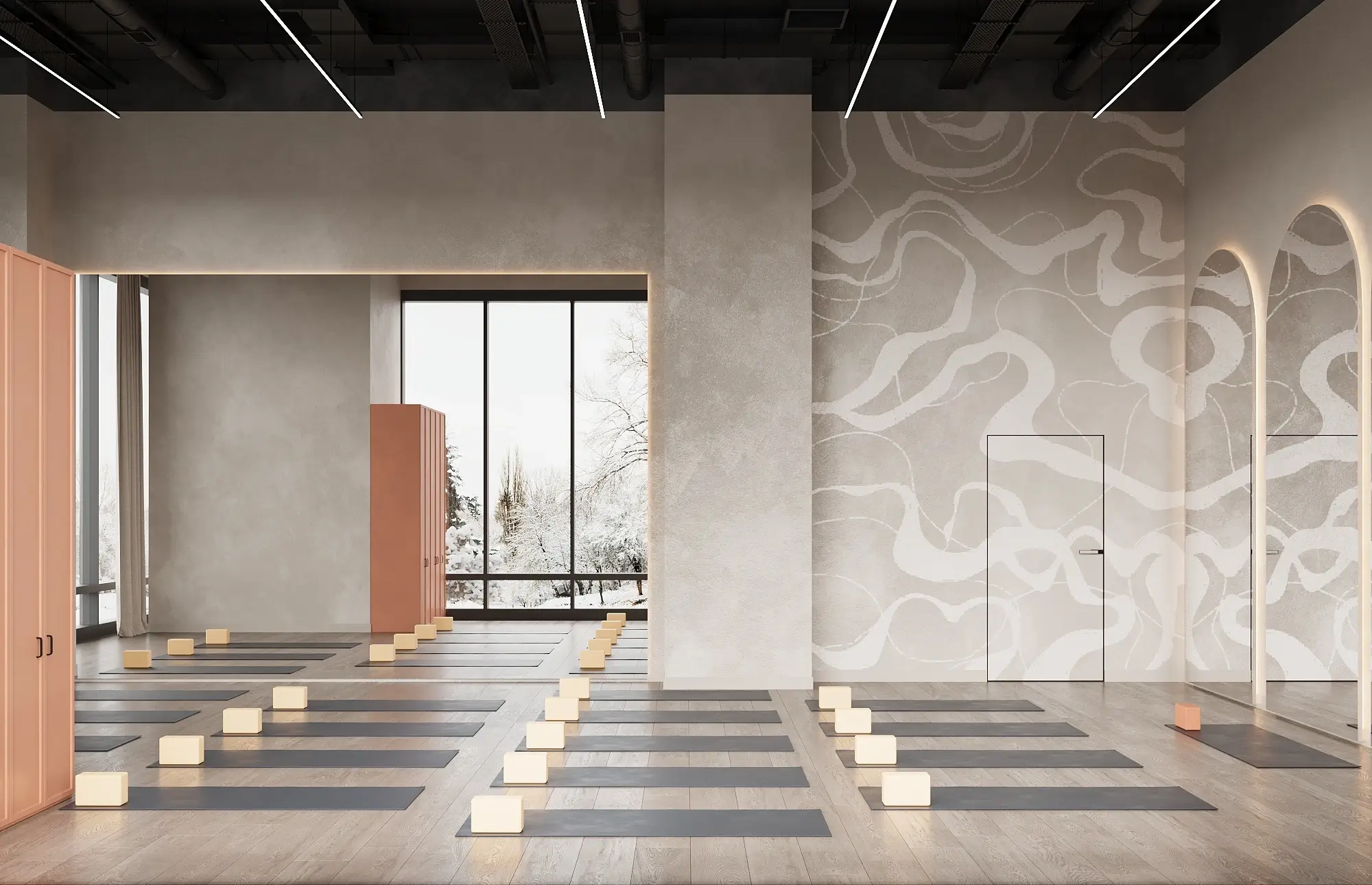
In the UK, planning officers expect more daylight and sunlight assessments in renders. For historic districts, it’s important to make sure the views show harmony and roofline continuity to avoid any objections. 3D rendering can create photorealistic representations of properties, showcasing design and how the building integrates with its surroundings. When you include these visuals in proposals, they can help present information clearly, making it easier for authorities and boards to understand the project’s vision. You can get the permit approved faster and finish development on time.
Stakeholder Communication and Decision AlignmentStakeholder Communication and Decision Alignment
Effective communication and decision alignment are paramount to planning. And increasing property sales with 3D rendering enables scenario testing and builds trusted relationships. This fosters collaboration and reinforces the project’s feasibility, which makes negotiations and approvals easier.
Real-World Applications of 3D Rendering in Property DevelopmentReal-World Applications of 3D Rendering in Property Development
Pre-Construction Visualization for Large DevelopmentsPre-Construction Visualization for Large Developments
3D rendering lets developers show their projects in a way that’s both comprehensive and visually appealing. Take big urban projects, for example. With so many people and groups involved, the usual architectural plans just don’t show how huge and complicated the project really is. 3D rendering lets you create immersive visualizations that show not just individual buildings, but the whole development in its context. Potential investors and decision-makers can take virtual tours to check out the layout, view shared spaces, and see how the development interacts with the surrounding environment. This level of detail often leads to quicker approvals and enhances buyer confidence, ultimately streamlining the sales process. You can see how these principles translate into real-world results by exploring our portfolio of property development visualizations across residential, mixed-use, and large-scale urban projects.
Adaptive Reuse and Context-Sensitive ProjectsAdaptive Reuse and Context-Sensitive Projects
3D rendering is a great tool for adaptive reuse and context-sensitive projects. In adaptive reuse projects, where old buildings are repurposed for new uses, 3D visuals help bring the old and the new together. Developers can use it to show how a historical building will be changed while keeping its original look. Such images help stakeholders see the potential of the space and evaluate how it meets both preservation and modern functional needs. For example, showing how a former factory’s brick facade will be preserved while the interiors are converted into loft apartments satisfies both heritage officers and prospective tenants. So, 3D rendering helps people understand how new designs fit in with what’s already there, and it gets the community on board.
Mixed-Use Urban Regeneration ProjectsMixed-Use Urban Regeneration Projects
In busy cities, developers are using mixed-use plans that combine housing, stores, and public areas. 3D rendering for property development is great because it makes it easy to show things like vertical zoning, pedestrian flow, and how different uses are separated acoustically. For example, in a Berlin redevelopment, the plans showed how having stores on the ground floor would bring people to the street, but the homes on the higher floors would be quiet. That was a big deal for getting planning approval.
The Future of 3D Rendering in Property DevelopmentThe Future of 3D Rendering in Property Development
The future of 3D rendering in property development is changing, and we’re about to see some big advancements. As workflows become more integrated, developers increasingly rely on studios offering a full ecosystem of 3D visualization and creative services rather than isolated deliverables.
– Real-time rendering lets developers and stakeholders interact with designs right away. This helps make better decisions because it allows for immediate assessment and visualization of changes.
– AI-assisted workflows are also becoming more common. They can automate repetitive tasks and tweak design parameters, boosting efficiency and creativity while allowing designers to focus on the finer details of their projects.
– Sustainability will also be a key focus area. As developers try to be more environmentally friendly, it’ll be important to show how they’re using materials smartly.
In short, 3D property rendering has a lot of potential to improve how we interact with property development, how efficiently we work, and how clear things are. This will help us make more sustainable decisions. As this technology gets better, it’ll probably become the norm, boosting sales, speeding up approvals, and building trust among stakeholders. By embracing these advancements, developers will be better equipped to meet the demands of an increasingly competitive market while contributing to a more sustainable future in property development.

Need yacht CGI that actually supports sales?
We create yacht visualization designed for pre-sales, approvals, and marketing — not just for portfolios.
Book a call